


Country House Animal Portrait
A country house animal portrait captures prized hounds, hunters and livestock in oil on canvas across the nineteenth and early twentieth centuries.
Country House Animal Portrait
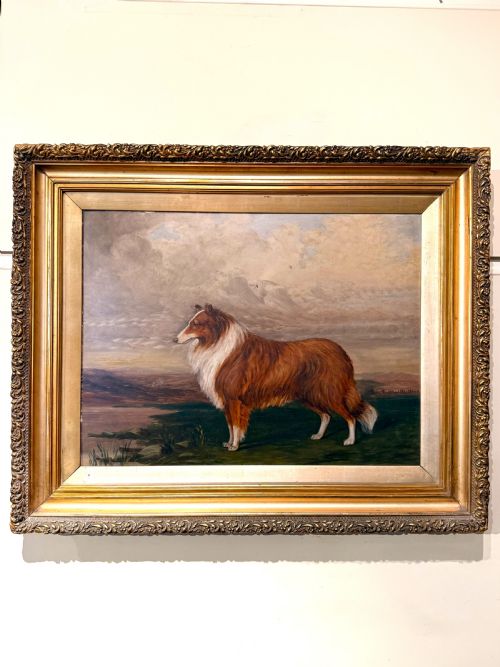
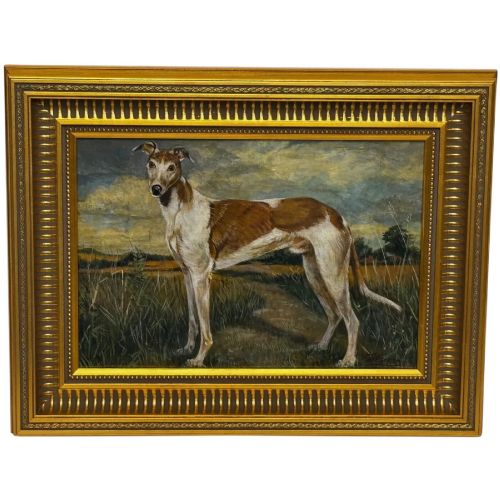
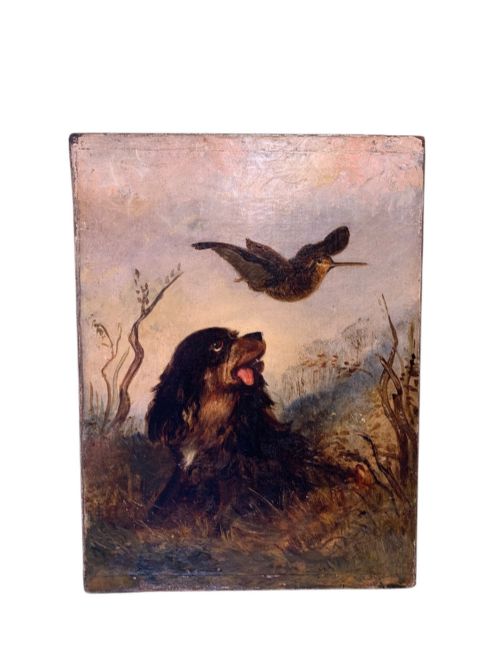
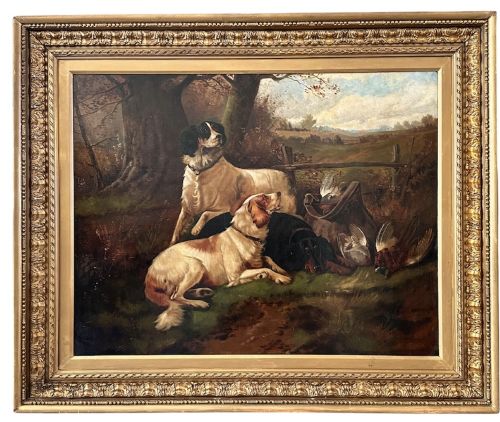
A country house animal portrait depicts valued pets, working dogs, horses and livestock kept on rural estates, usually executed in oil on canvas or board.
Most pieces date from the Victorian era and the early twentieth century, reflecting a period when estate owners frequently commissioned artists to record their animals.
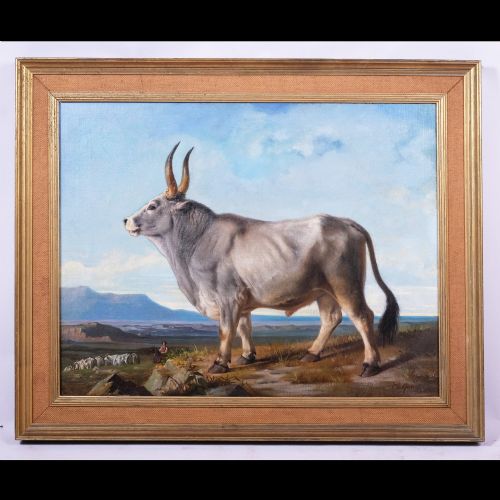
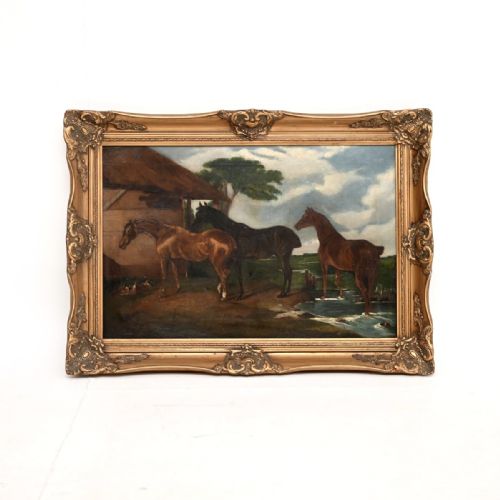
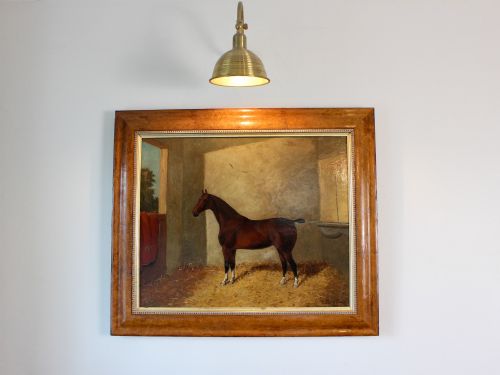
Subjects range from individual terriers and spaniels to prize bulls, carthorses and hunting dogs set against rural landscapes or stable interiors.
Materials and technique
These works rely on oil paint applied to stretched canvas, wooden panels or board, often finished with giltwood frames.
Artists built depth through layered brushwork, capturing the texture of animal coats and the light within pastoral settings.
The listings span the nineteenth and early twentieth centuries, featuring oil paint on canvas, board and wood.
Distinguishing quality
Quality rests upon the artist's ability to render the anatomy, posture and distinct personality of the animal rather than a generic representation.
Works by recognised sporting artists demonstrate superior brush control, particularly in rendering fur, expression and background detail.
John Emms·Thomas Sidney Cooper·Samuel Spode·Charles Jones·George Armfield
The Country House Animal Portrait Glossary
- Oil on canvas
- Pigment mixed with drying oil applied to a woven fabric support stretched across a wooden frame.
- Giltwood
- Wood carved and coated with a thin layer of gold leaf or gilt paint, commonly used for traditional picture frames.
- Sporting art
- A genre of painting dedicated to horses, dogs, hunting, shooting and other rural pursuits.
- Naïve school
- Art created by self-taught painters who focused on direct observation rather than academic rules of perspective.
Country House Animal Portrait: Frequently Asked Questions
How do I identify a Victorian animal painting?
Victorian animal portraits often feature realistic portrayals of dogs, horses or livestock in natural or domestic settings. Canvas preparation, framing styles and signature formats help narrow down the period.
Many works from this era also reflect the rising popularity of specific breeds and sporting pursuits across rural estates.
Where were these paintings displayed originally?
These portraits hung in libraries, hallways and antechambers of country houses to celebrate favoured pets and prize-winning livestock. They served as both personal mementos and displays of estate prestige.
Today, they suit similar traditional interiors or rustic spaces as focal points on panelled or neutral walls.
What subjects are most common?
Terriers, spaniels and hunting hounds appear frequently alongside horses and prize cattle. Canine subjects often include working terriers on the scent or spaniels with game.
Livestock portraits typically highlight prize-winning bulls and sheep standing within stables or pastoral landscapes.
How should I care for an oil painting?
Keep paintings away from direct sunlight, high humidity and sudden temperature fluctuations to protect the canvas and paint layers. Dust the surface gently with a soft, dry brush without applying pressure.
Avoid using water or chemical cleaners on the paint or the giltwood frame.