


Country Display Cabinet
A country display cabinet brings honest utility and vernacular warmth into a room, holding china or books behind glass.
Country Display Cabinet
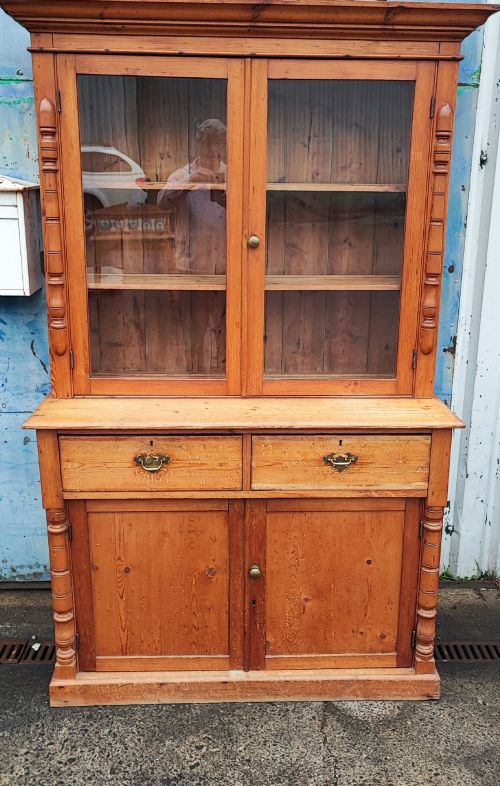
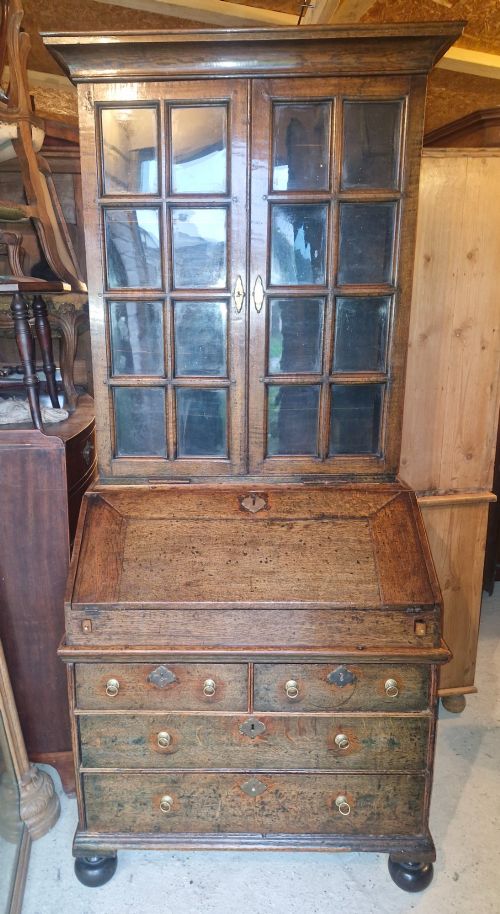
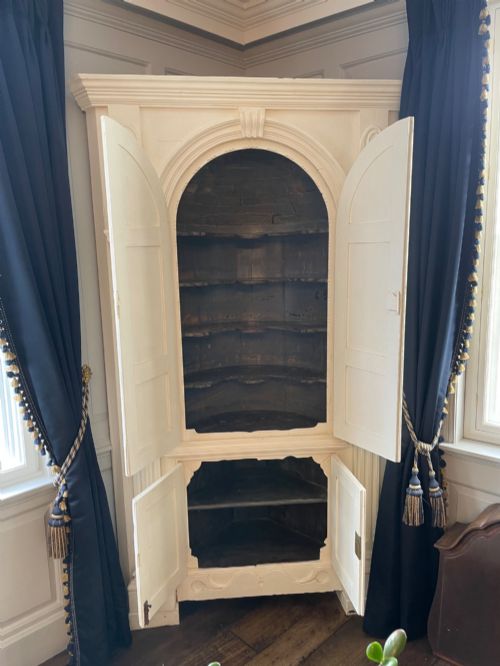
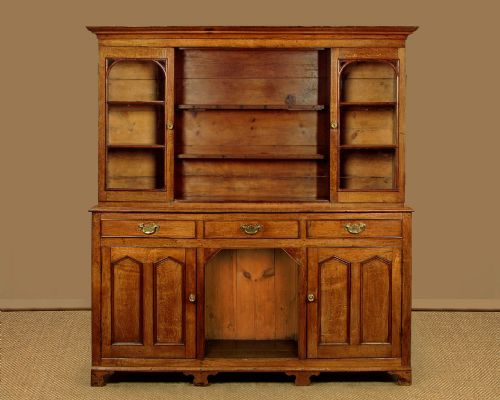
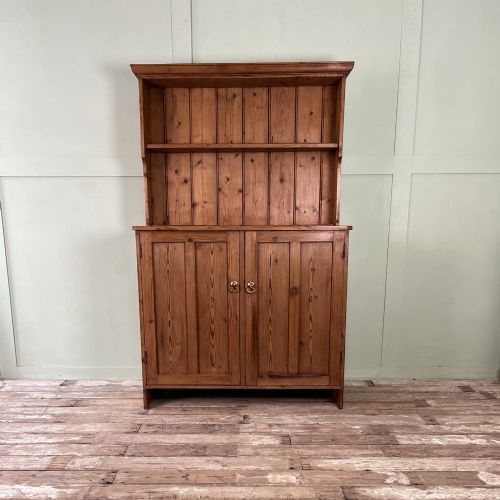
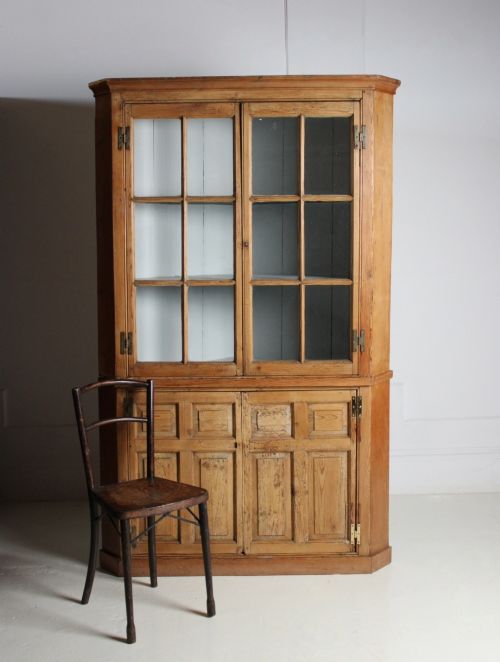
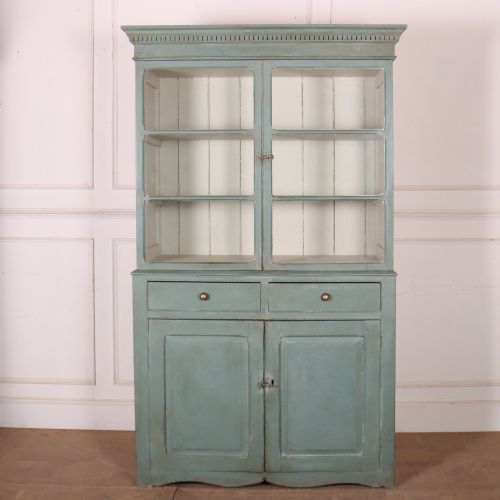
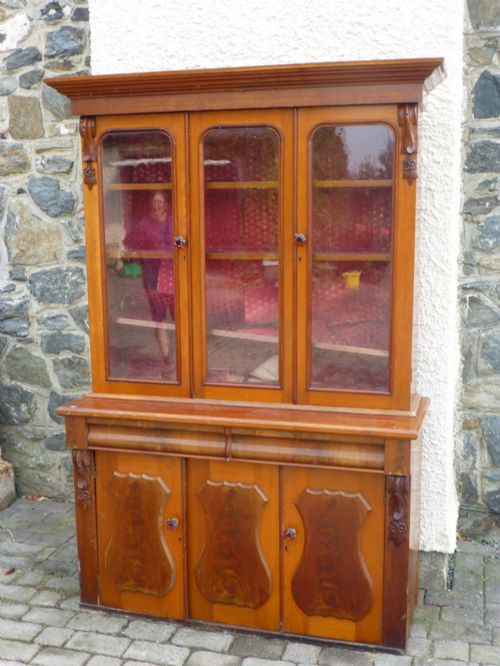
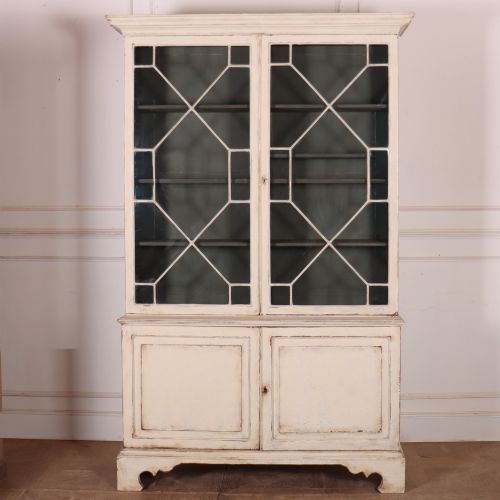
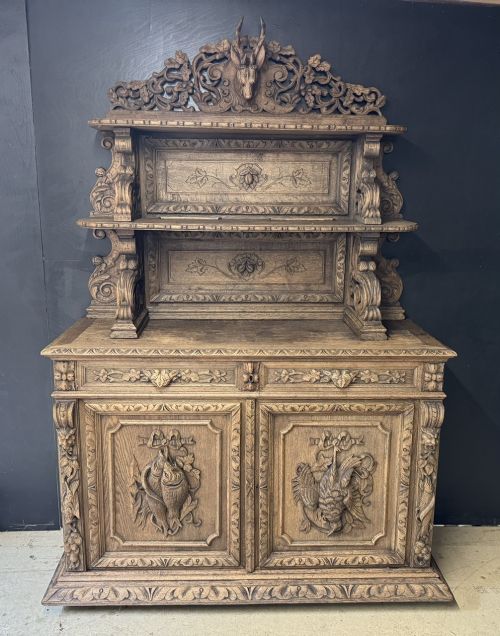
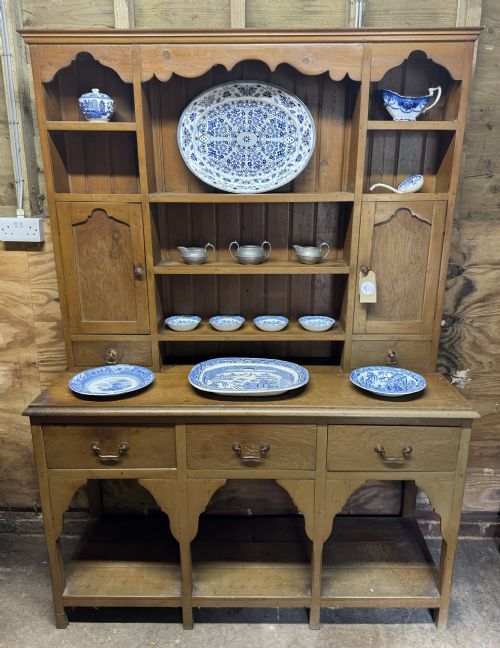
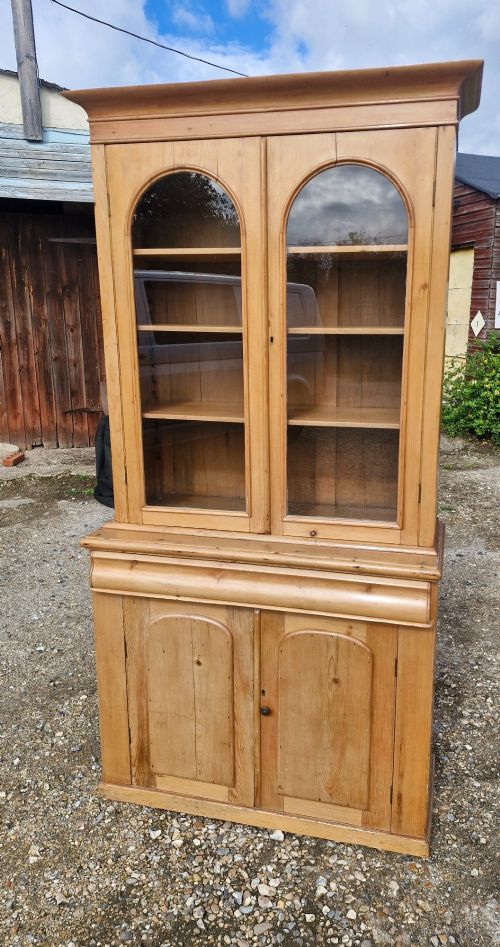
A country display cabinet combines practical domestic storage with glazed or open display space, drawing on centuries of vernacular furniture making. These pieces take the form of dressers, kitchen cupboards, corner cabinets, and bookcases.
The most common versions met on this page are pine and oak pieces from the eighteenth, nineteenth, and early twentieth centuries. They originate from English, Welsh, Scottish, and French regional traditions.
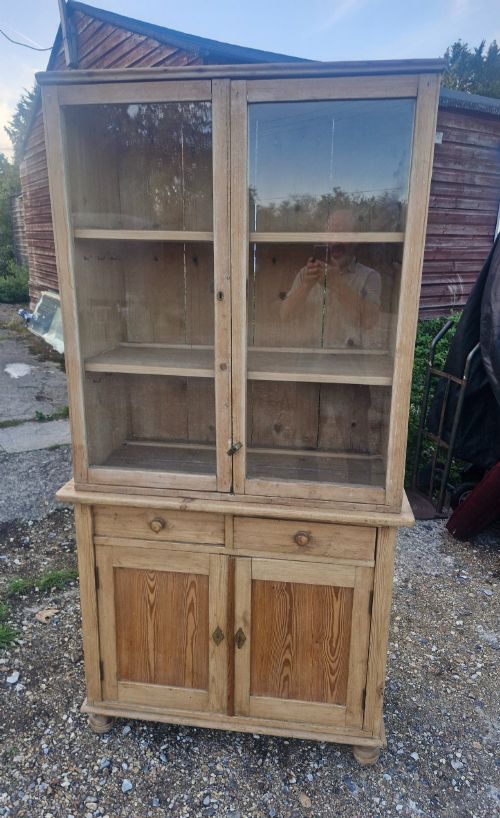
Makers built these cabinets for rural kitchens, parlours, and farmhouses, often constructing them in two parts for ease of transport. Their formats range from wall-hanging corner cupboards to tall floor-standing bookcases.
How they were made
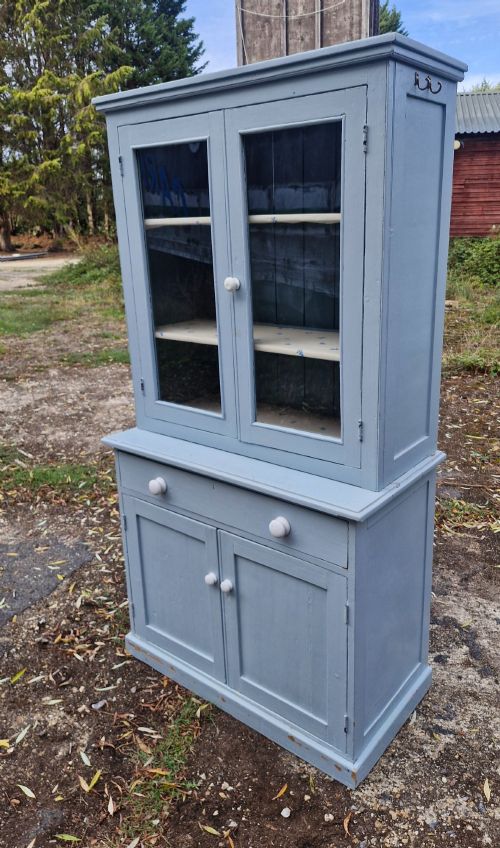
Makers relied primarily on solid pine and oak, sometimes incorporating mahogany details or pitch. Surfaces received various finishes, including original paint, wax, or stripped bare wood showing natural grain and patina.
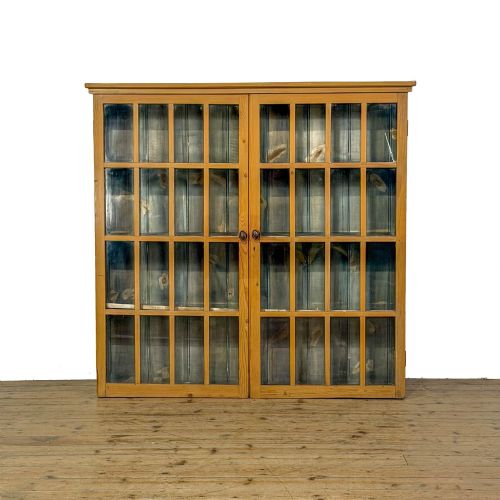
Joinery involved sturdy panel construction, dovetailed drawers, and pegged joints designed to withstand daily domestic use in busy kitchens. Glazed doors utilised timber frames holding panes of glass to protect contents from dust.
Country Display Cabinet Retail Price Guide 2026
Typical asking prices for country display cabinet among the pieces listed under this phrase on Sellingantiques today, from the lower quarter to the upper quarter. They describe what is for sale here now, not the wider market.
Listings feature eighteenth, nineteenth, and early twentieth-century pieces in pine, oak, and mahogany.
What varies in quality
Quality rests in the integrity of the timber, the retention of original surface treatments such as early paint or patina, and the balance of proportions. Superior examples retain their original glass, brass hardware, and unaltered backboards.
Construction details distinguish workshop standards, seen in hand-cut dovetails, well-fitted doors, and stable two-part joins. Pieces that have undergone unsympathetic alterations or excessive stripping sit at a different level from untouched survivors.
Rushworth's·Mackenzie's Biscuits
The Country Display Cabinet Glossary
- Welsh Dresser
- A traditional kitchen storage unit featuring base cupboards or drawers surmounted by open plate racks or shelving. They served as the central storage and display piece in rural homes.
- Corner Cupboard
- A cabinet specifically constructed with a triangular footprint to fit neatly into the corner of a room. These appear in both wall-hanging and floor-standing formats.
- Glazed
- Fitted with glass panes in the doors or panels to allow the visibility of stored items while protecting them. This treatment defines display cabinets and bookcases.
- Patina
- The surface sheen and colour developed by wood and paint over decades or centuries through handling, waxing, and ageing. It acts as an indicator of an object's untouched history.
- Two-Part Form
- Furniture constructed in separate upper and lower sections that stack together. This facilitated movement through narrow farmhouse doorways.
Country Display Cabinet: Frequently Asked Questions
What is a country display cabinet?
A country display cabinet is a utilitarian regional storage piece featuring glazed doors, open shelves, or cupboards designed for domestic use. These cabinets emerged from British and French provincial workshops to house tableware, books, and provisions.
They reflect local woodworking traditions rather than strict metropolitan fashions, utilising accessible timbers like pine and oak. Their primary purpose was both to store goods securely and to display household possessions.
Where were these cabinets used?
These pieces belonged primarily in farmhouse kitchens, sculleries, and dining parlours where daily domestic life centered. Corner cupboards made efficient use of awkward spaces in smaller rooms.
Larger dressers and bookcases stood against main walls to anchor the room's storage layout. Their robust construction suited the heavy demands of rural households.
How do I date a country cabinet?
Dating relies on observing construction methods, timber selection, and overall form alongside regional vernacular traits. Eighteenth-century pieces often display hand-sawn timbers and simpler carcass assembly, while Victorian examples introduce machine-sawn elements and distinct mouldings.
Hardware styles, drawer dovetailing techniques, and the presence of original paint or wax finishes provide further chronological clues. Examining the secondary woods inside drawers and backboards helps confirm the period.
How do I live with one?
Living with a country display cabinet involves placing it away from direct heat sources to prevent timber from drying out and splitting. Regular waxing maintains the moisture and appearance of unpainted pine and oak surfaces.
Interior shelving accommodates everyday dishware, books, or collections while bringing organic texture to modern or traditional interiors. Their generous proportions provide practical storage without overwhelming a room.