



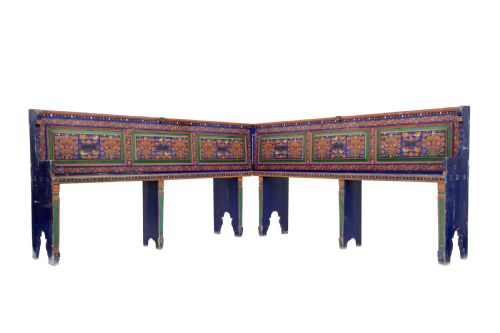


Corner Seating Furniture
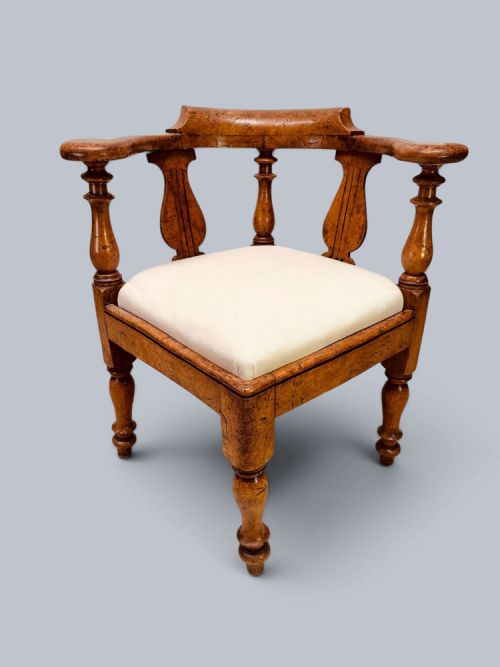
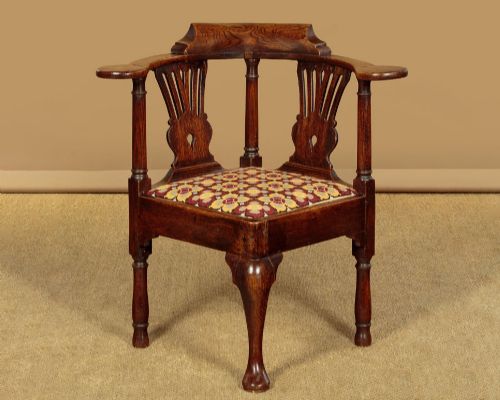
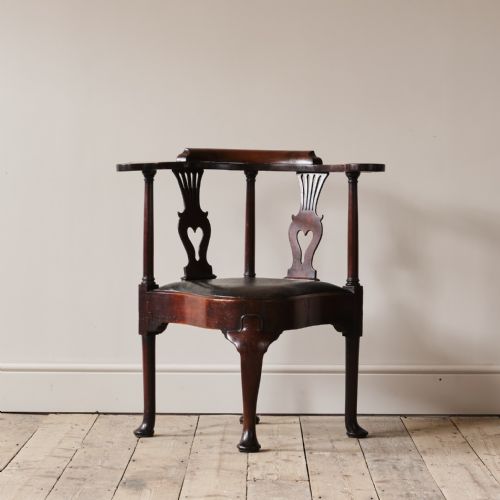
Corner seating furniture groups together ingenious chairs and benches designed to fit tightly into room angles, offering character and practical spatial economy.
Corner Seating Furniture
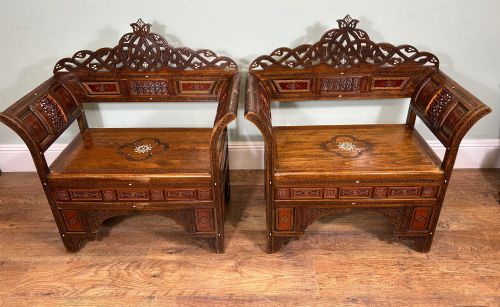
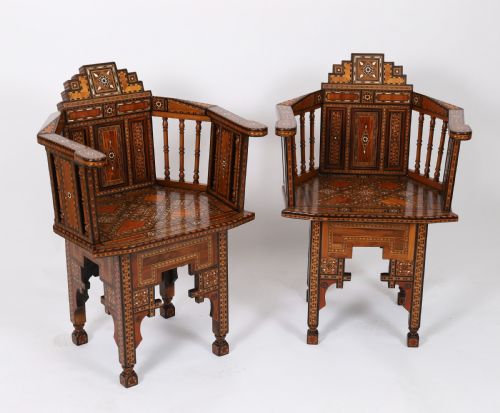
You frequently meet corner chairs and armchairs spanning the eighteenth and nineteenth centuries. These include regional country styles alongside heavily inlaid Damascan and Levantine workshop productions.
The category also encompasses occasional benches, children's examples, and export pieces from China. Each object utilises the distinctive diagonal geometry required to anchor an otherwise wasted interior angle.
Materials and construction
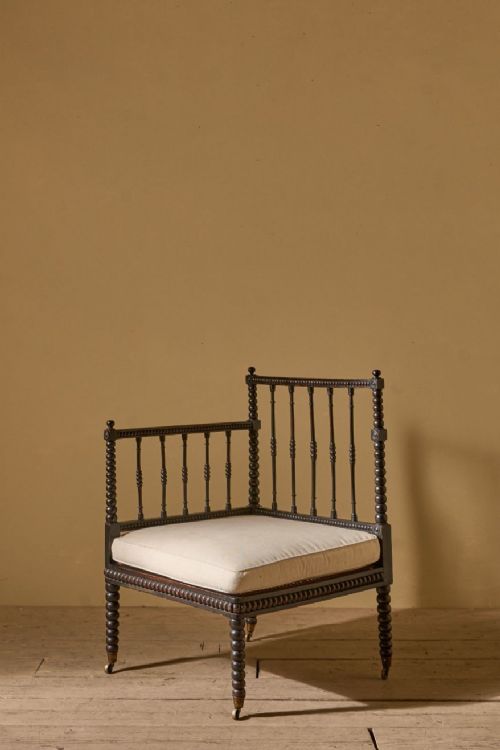
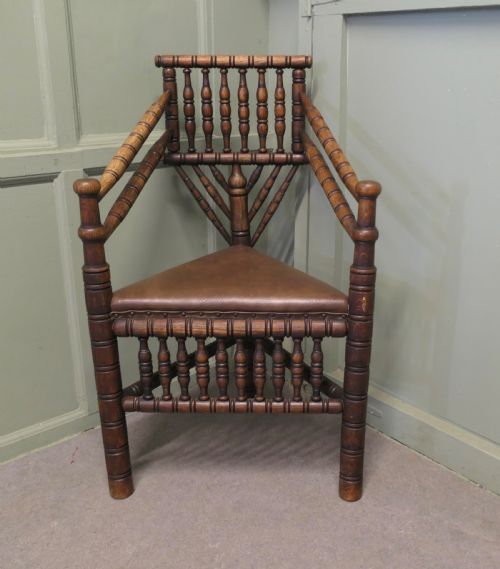
Cabinetmakers utilised robust timbers such as mahogany, walnut, oak, elm, and ebonised woods to construct these frames. Turned elements like bobbin turnings and spindle supports appear frequently across nineteenth-century examples.
Surface ornamentation involved intricate mother-of-pearl inlay, bone details, wood parquetry, and hand-painted folk art finishes. Upholstery materials include traditional tapestry, leather, and woven fabric seats.
Corner Seating Furniture Retail Price Guide 2026
Typical asking prices for corner seating furniture among the pieces listed under this phrase on Sellingantiques today, from the lower quarter to the upper quarter. They describe what is for sale here now, not the wider market.
Current listings feature corner seating furniture across the eighteenth and nineteenth centuries, constructed from walnut, mahogany, oak, and elm.
Quality variations
Quality rests upon the structural integrity of the tight joints required for diagonal frames and the precision of the timber turning. Early examples show meticulous hand-carving and careful selection of figured walnut or mahogany.
Inlaid pieces demonstrate distinct tiers of craftsmanship through the tightness of the parquetry and the depth of mother-of-pearl work. Finer workshops maintain harmonious proportions despite the eccentric geometry inherent to corner seating.
The Corner Seating Furniture Glossary
- Ebonised
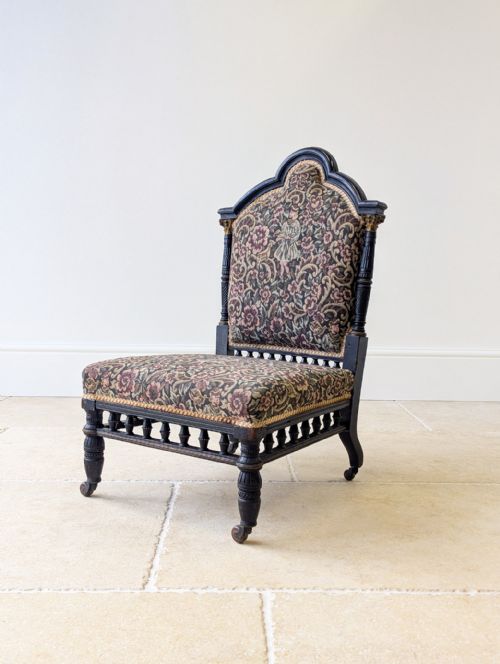
- Wood treated with a dark finish to imitate expensive ebony. This technique gained immense popularity during the Victorian period for accentuating carved details.
- Parquetry
- Geometric mosaic woodwork arranged in decorative patterns. Makers utilised contrasting timbers to create crisp visual borders on seat rails and back panels.
- Aesthetic Movement
- A late nineteenth-century design style prioritising visual beauty over narrative meaning. Pieces from this movement often display ebonised surfaces and stylised structural lines.
- Folk Art
- Objects created within a vernacular tradition by untrained or local artisans. These pieces exhibit charming regional idiosyncrasies rather than formal academic styling.
Corner Seating Furniture: Frequently Asked Questions
Where did people place corner chairs?
These chairs originally stood in the corners of panelled parlours, bedrooms, or hallways where standard furniture blocked passage.
Their diagonal footprint allowed occupants to utilise awkward intersections while keeping the central floor space open.
How do I identify a Georgian corner chair?
Georgian examples typically feature rich mahogany or walnut timbers with restrained carving and sturdy cabriole or square legs.
Look for pegged joints and traditional drop-in seats upholstered in tapestry or leather.
Are these chairs comfortable for daily seating?
Most antique corner seating offers a sturdy upright posture rather than deep lounge comfort. Their design prioritised neat spatial economy and conversation within crowded rooms.
Modern users often place them in reading nooks or hallways as accent pieces.
What is an ebonised finish?
Ebonising involves staining or painting timber black to resemble solid ebony. This technique created striking dark silhouettes against nineteenth-century interiors.
It frequently appears on Victorian and Aesthetic Movement frames.