
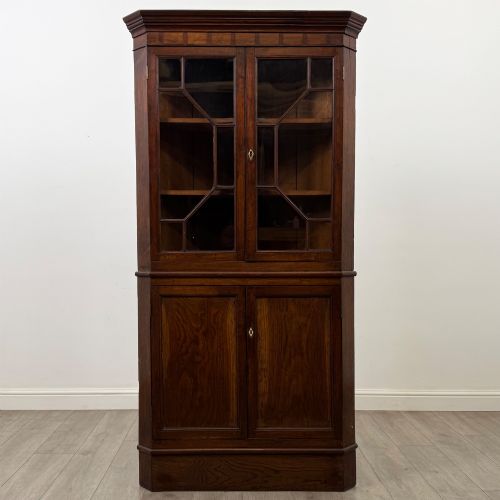
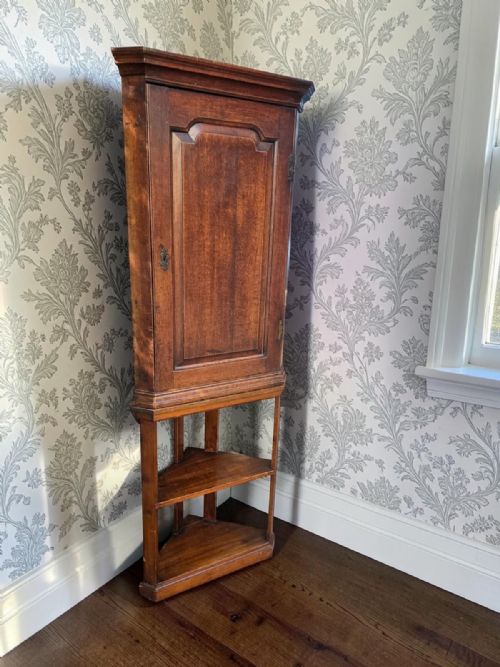
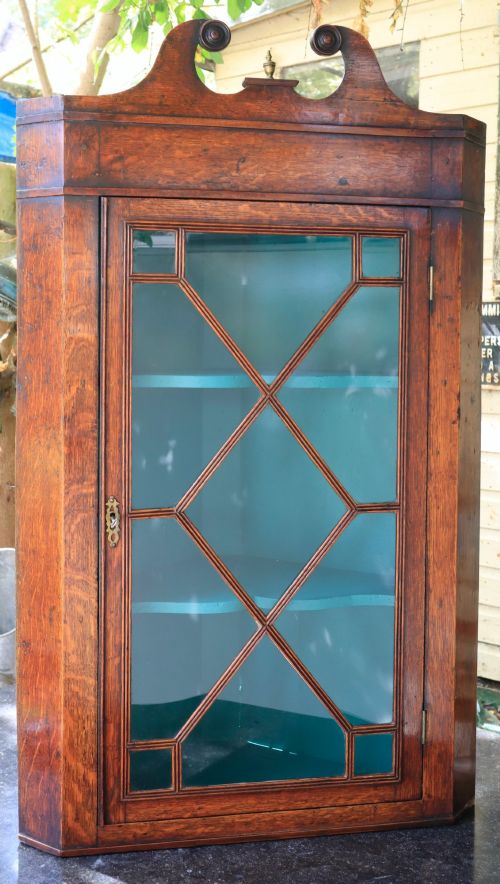
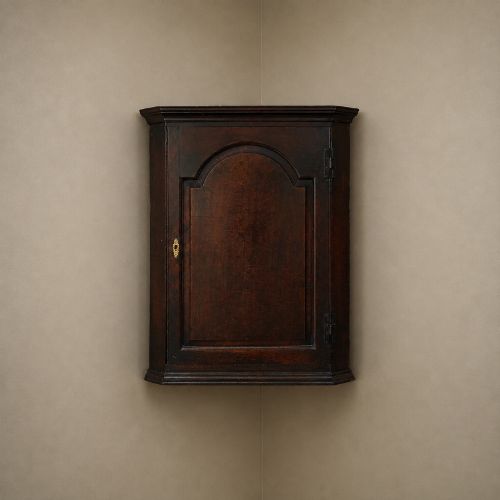
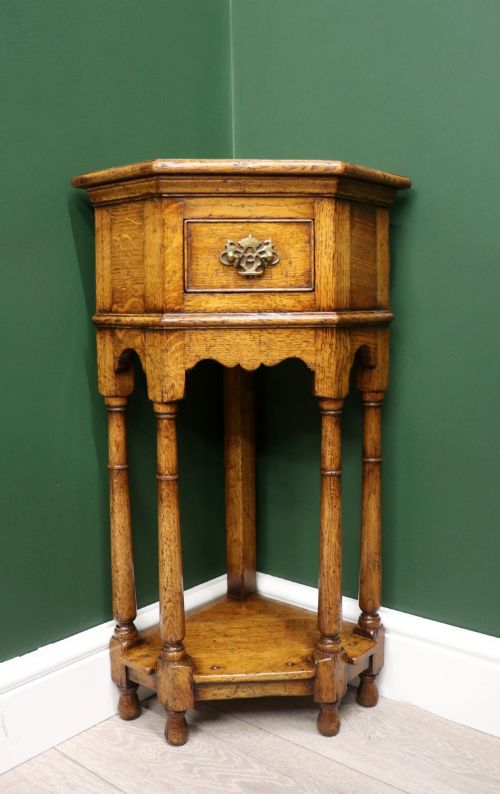
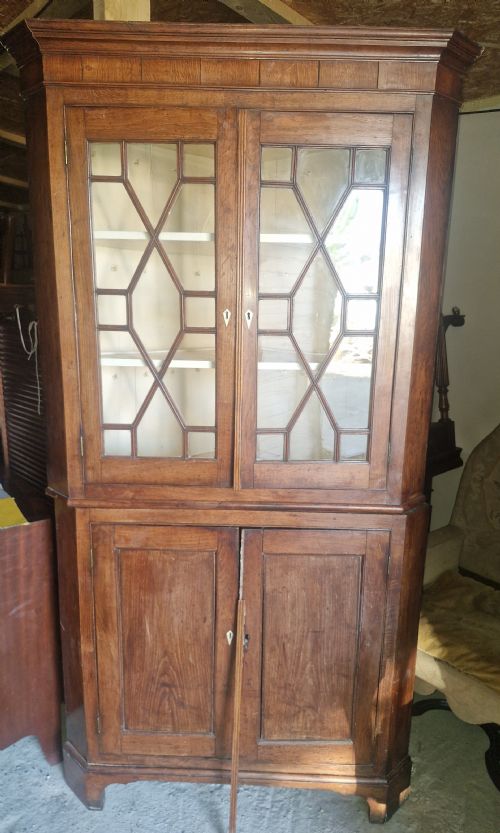
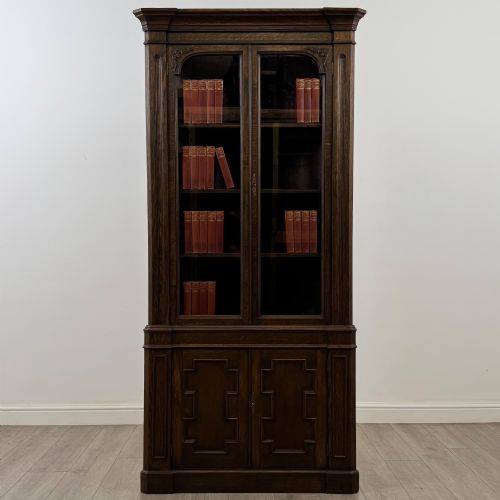
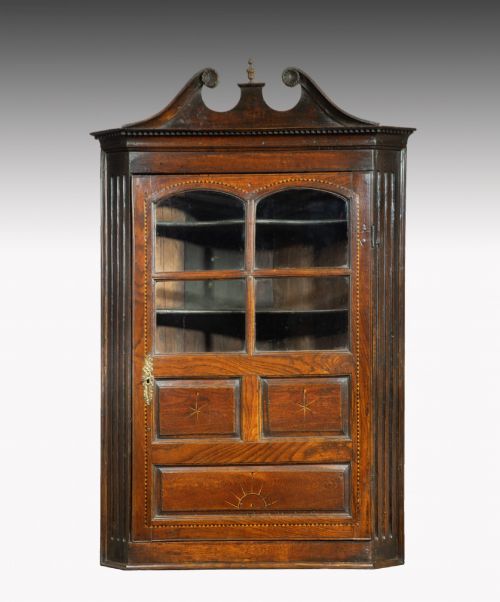


Corner Display Cabinet Oak
A corner display cabinet oak brings timber warmth and practical storage to unused angles, housing glassware or china securely.
Corner Display Cabinet Oak
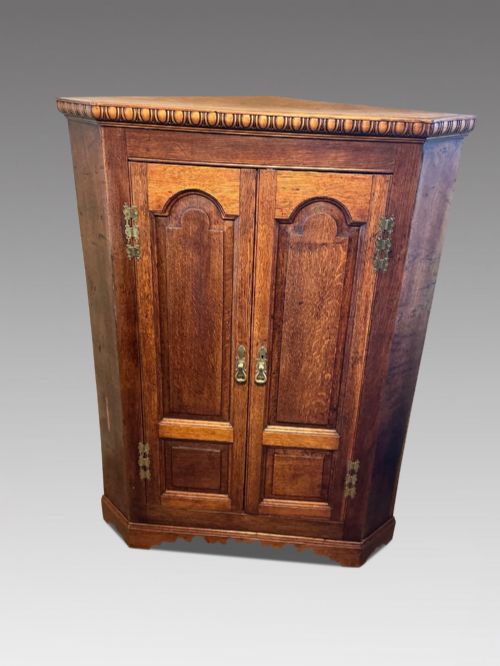
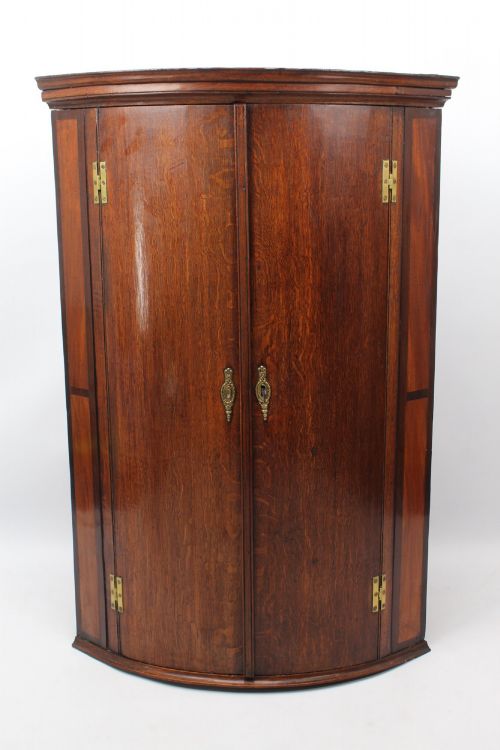
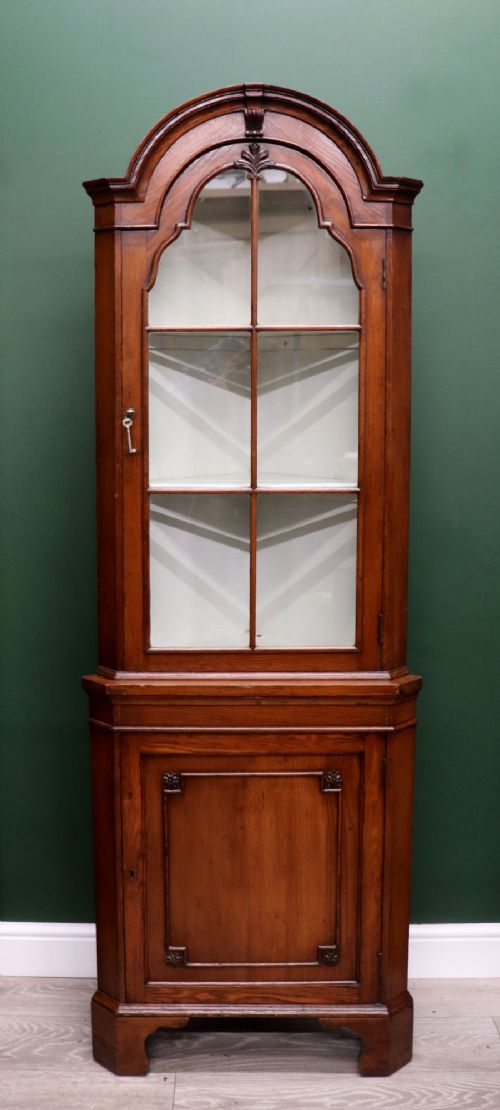
A corner display cabinet oak serves to utilise dead space in a room while providing exhibition and storage space for cherished items. When searching for a corner display cabinet oak, buyers encounter pieces designed to fit snugly into room angles, varying from wall-hanging units to substantial floor-standing and two-part architectural forms.
The selection ranges from early Georgian wall-hanging cupboards to Victorian Arts & Crafts designs and later twentieth-century iterations. The version most commonly met on this page is the traditional Georgian or Victorian floor-standing cupboard featuring glazed upper doors to display contents.
How they were made
Cabinet makers utilised solid timber, frequently combining oak with mahogany crossbanding or employing brass for hinges and escutcheons. Joinery techniques involved pegged panel construction for doors and robust carcases built to support the weight of heavy wood and glass.
Glazing required individual lead or wooden framing bars to hold small glass panes securely within the door fronts. Surfaces were finished with wax or polish to highlight the natural grain, occasionally incorporating carved motifs or ebonised wood details.
The listings on this page span several periods, featuring Georgian, Victorian, Edwardian, and 1930s examples constructed primarily from oak.
What varies in quality
Quality rests upon the selection of timber figure, the crispness of any carved detailing, and the integrity of the original construction. Superior examples display thoughtful grain matching across the panels and well-balanced proportions that suit domestic interiors.
The refinement of the interior shelving, original brass hardware, and the survival of early glass panes elevate a piece significantly. Lesser items might show coarser timber selection or later alterations to the doors and shelving arrangements.
Garnett And Sons
The Corner Display Cabinet Oak Glossary
- Crossbanding
- A decorative border technique where thin strips of veneer, often mahogany, are laid perpendicular to the grain of the primary oak surface. This adds a refined contrasting frame to doors and drawer fronts.
- Cornice
- The moulded projection that crowns the top of a standing cabinet. It provides architectural finish and proportion to taller furniture forms.
- Escutcheon
- A protective plate surrounding a keyhole, usually fashioned from brass. It prevents the wood around the lock from sustaining wear and tear.
- Panelled door
- A construction method where a central wooden panel floats within a grooved frame to allow for natural timber expansion and contraction. This prevents the wood from warping over decades of use.
Corner Display Cabinet Oak: Frequently Asked Questions
How do I secure a wall-hanging cabinet?
Wall-hanging cupboards require fixing directly into wall studs or masonry using appropriate heavy-duty brackets. The substantial weight of oak timber and glass demands secure anchorage to ensure stability.
Professional installation prevents the cabinet from tilting forward when the door is opened or when items are stored inside.
Are these cabinets difficult to clean?
Maintenance involves dusting the exterior oak surfaces with a soft, dry cloth and applying occasional beeswax to nourish the timber. Glass doors benefit from standard non-ammonia cleaner applied to a cloth rather than sprayed directly.
Avoiding harsh chemical polishes preserves the original patina and prevents build-up on the grain and brass hardware.
How do I tell an 18th-century piece apart from a later revival?
Eighteenth-century examples typically feature hand-cut dovetails, pegged joints, and timber showing natural ageing and tool marks. Revival pieces made in the Victorian or Edwardian eras often display machine-sawn elements and uniform interior construction.
Examining the backboards and drawer linings usually reveals the subtle discrepancies characteristic of earlier hand craftsmanship.
What is the difference between standing and hanging versions?
Hanging cupboards attach directly to walls and often include small drawers beneath the main cabinet compartment. Standing models rest on the floor, frequently comprising two stacked sections or a tall single-door carcase that reaches towards the ceiling.
Floor-standing variants offer significantly greater storage capacity and a heavier architectural presence in a room.