

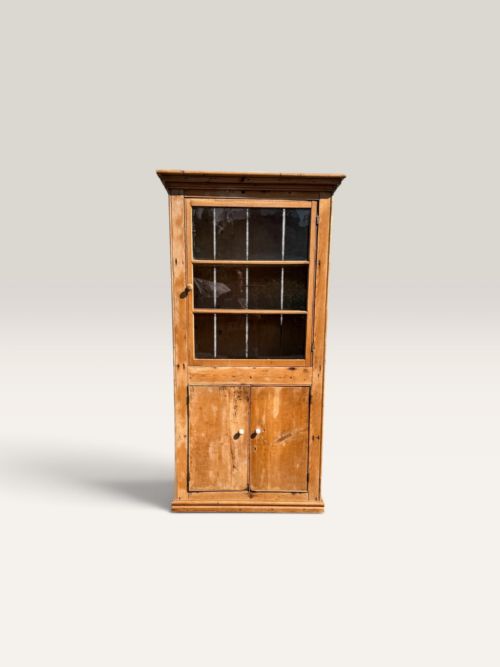
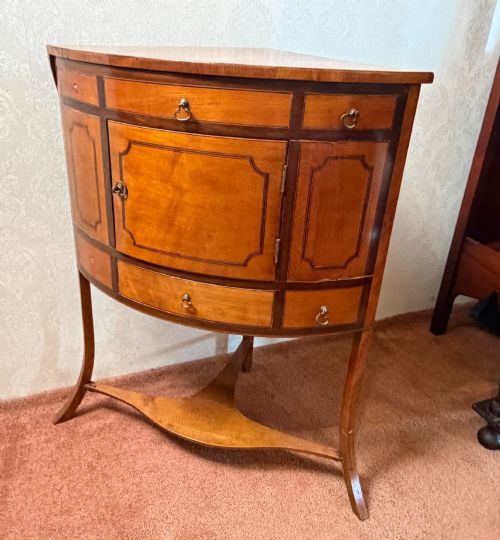
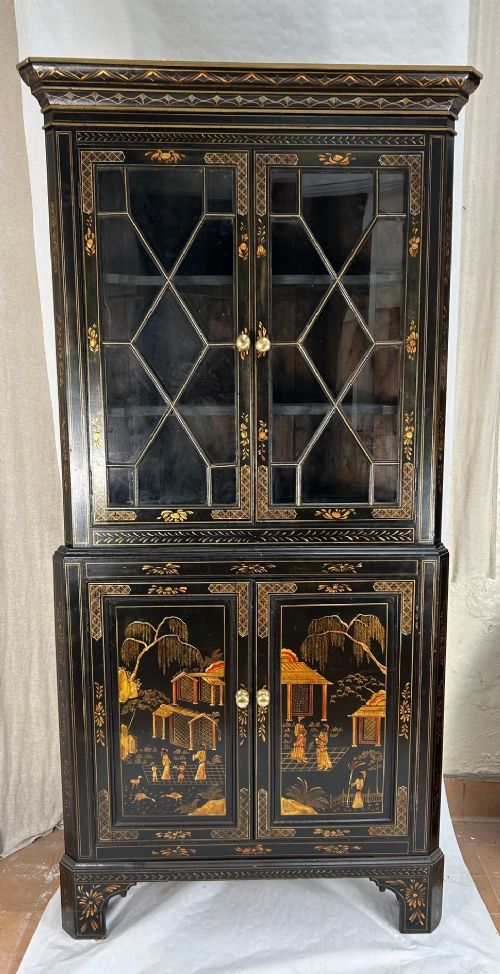
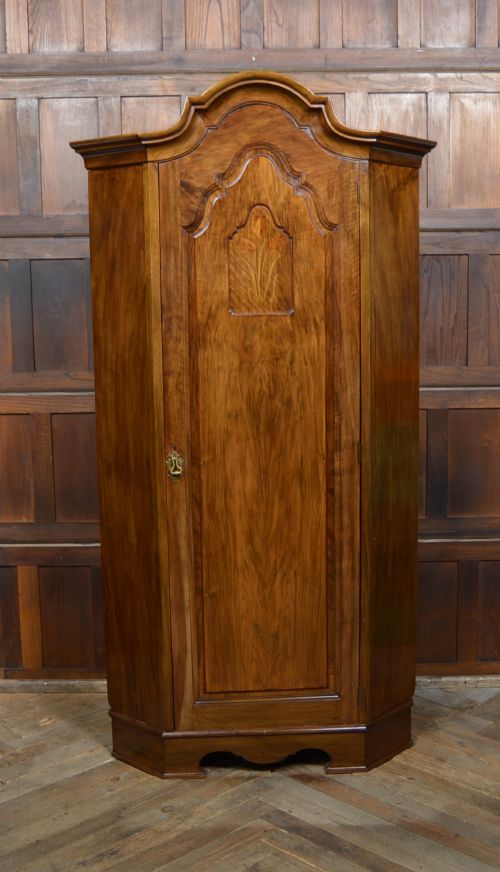
Corner Cabinet Furniture
Corner cabinet furniture turns neglected room angles into display space with timber doors and fitted shelves.
Corner Cabinet Furniture
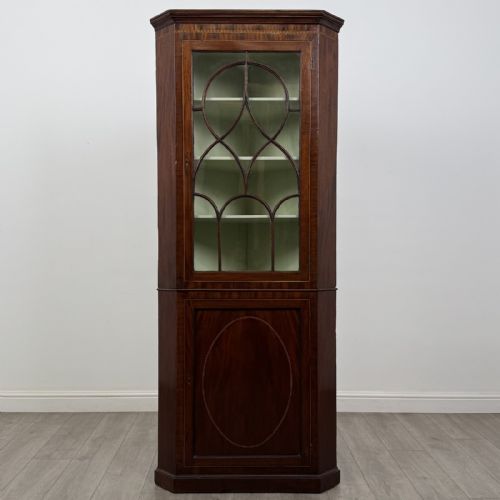
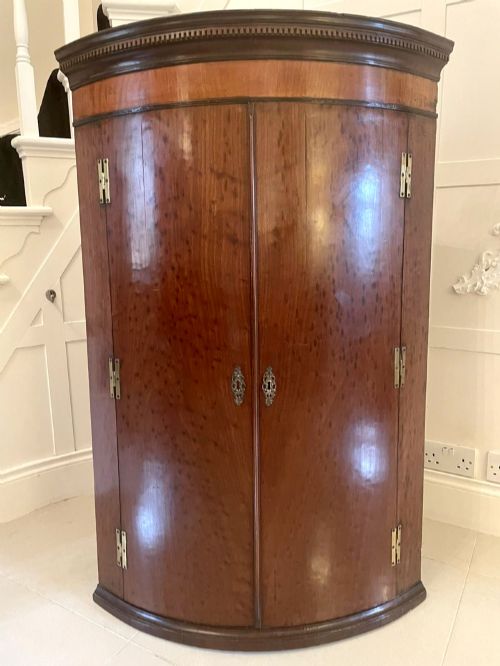
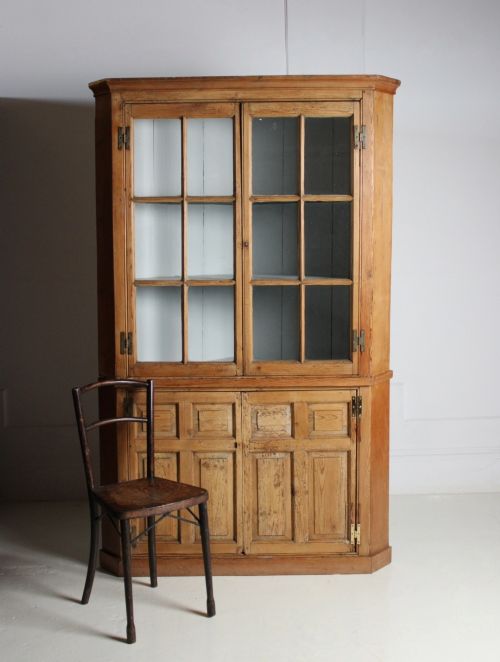
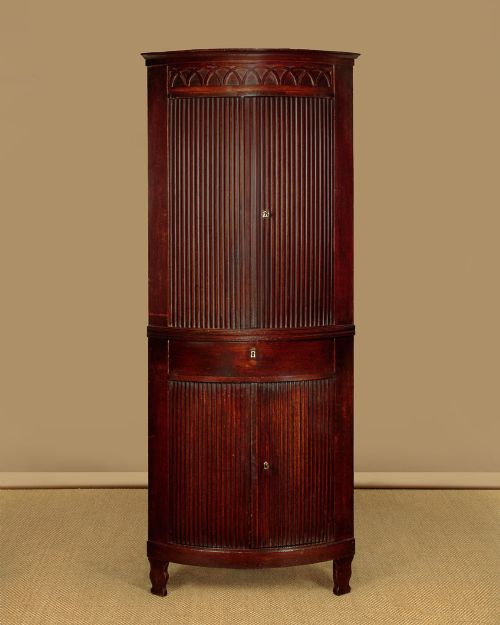
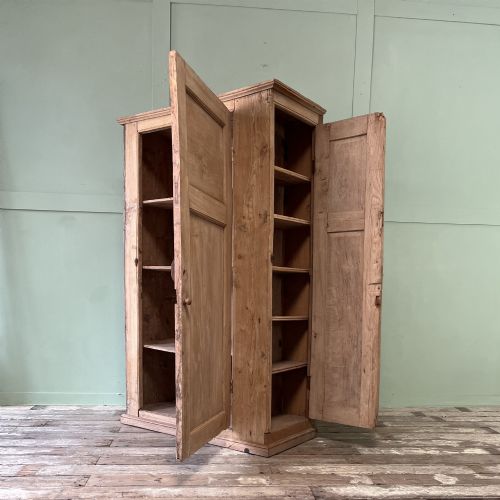
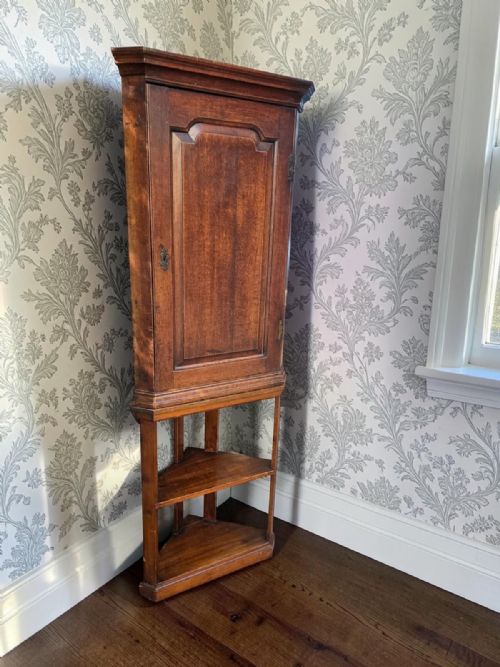
Corner cabinet furniture spans tall standing cupboards, hanging wall units and tiered stands designed to fit tightly into room angles. The most frequent examples on this page are Georgian mahogany hanging cupboards and Victorian walnut or oak standing units.
Makers built these pieces to maximise storage in smaller rooms without blocking floor space. They appear as single door units, double height cupboards, and two-part floor standing furniture with glazed or panelled doors.
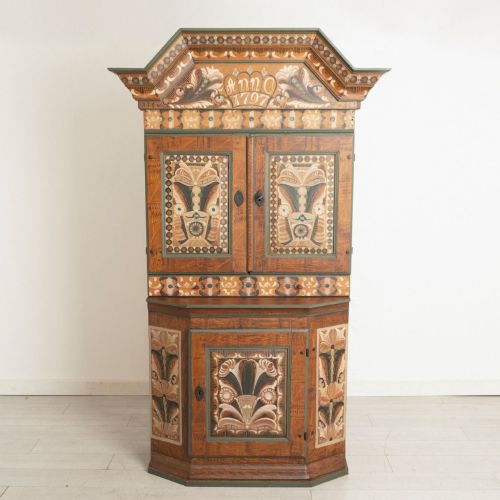
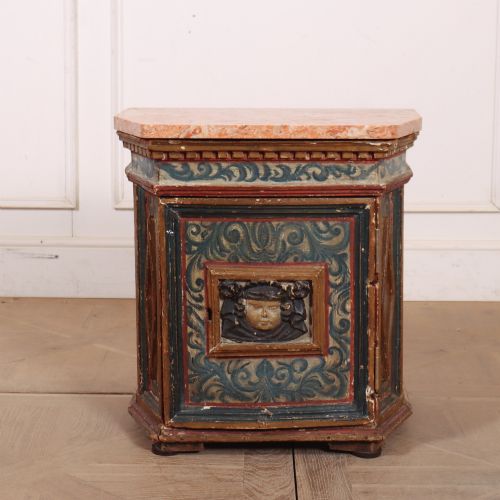
The selection includes regional pieces in painted pine, elm, and satinwood alongside formal mahogany and walnut examples. Buyers find domestic storage cupboards, washstands, and display cabinets constructed for domestic corners.
How they were made
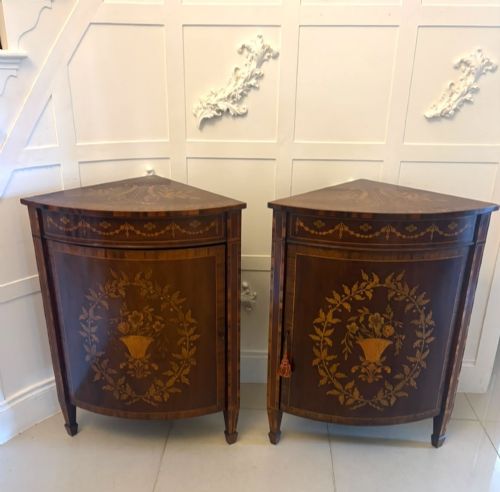
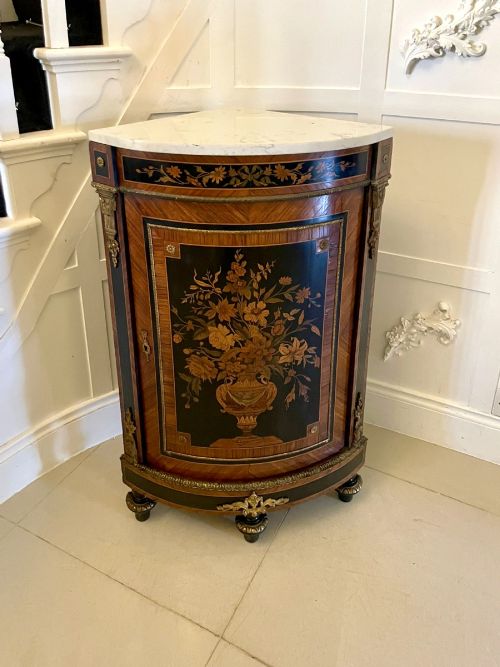
Cabinetmakers constructed these frames primarily in mahogany, walnut, oak, and pine, often utilising veneer and marquetry inlay for decorative surface patterns. Brass hardware forms the hinges and key escutcheons while glass panels appear on display doors.
Joinery techniques include pegged mortise and tenon frames for structural strength, alongside dovetailed drawer boxes inside the cupboards. Pine and elm serve as secondary timbers for internal shelving and backboards.
Finishes range from clear wax polish on dense hardwoods to hand-painted decoration on Swedish folk art cupboards and lacquered surfaces.
Listings include Georgian, Victorian, and Regency periods alongside Scandinavian folk art and Art Deco styles in mahogany, oak, walnut, and pine.
What varies in quality
The choice of timber sets the standard across these pieces, moving from utilitarian painted pine to figured plum pudding mahogany, burr oak, and intricate marquetry. Denser hardwoods hold crisp architectural mouldings and fine fretwork much better than softer woods.
Construction methods distinguish standard utility pieces from high workshop production, seen in the thickness of the timber, the dovetailing of internal drawers, and the integration of original brass hardware. Matching pairs and architectural cornices represent higher ambition in design.
Walker And Sons·Garnett And Sons
The Corner Cabinet Furniture Glossary
- Marquetry
- A decorative technique applying fitted wood veneers to form pictorial or geometric patterns on the surface. It appears on cabinet doors and drawer fronts.
- Fretwork
- Openwork carving cut through thin boards to create decorative patterns. This technique appears on galleries and corner whatnots.
- Bow front
- A convex curved cabinet front that projects outward. This shape softens the angular geometry of corner furniture.
- Compactum
- A large fitted wardrobe combining hanging space and drawers. These examples offer extensive internal storage.
- Escutcheon
- A protective plate surrounding a keyhole, usually made of brass. It prevents the wood around the lock from splitting.
Corner Cabinet Furniture: Frequently Asked Questions
How do I choose between a hanging and standing corner cabinet?
Hanging models mount directly to walls to keep floor space completely clear underneath. Standing versions provide deeper storage capacity and often feature two stacked sections.
Room proportions guide this choice. Smaller spaces suit wall-mounted units while larger rooms accommodate tall floor-standing cupboards.
What rooms suit corner cabinet furniture best?
These pieces fit naturally into empty room angles that standard square furniture cannot utilise effectively. Dining rooms, studies, and hallways benefit from the extra display surface.
Placement depends on door swing clearance and the height of the ceiling cornices.
How do I identify a Georgian corner cabinet?
Georgian pieces display architectural proportions with dentil cornices, fielded panel doors, and dense mahogany or oak construction. Brass H-hinges and working locks with keys are typical of the period.
Interior shelves often feature shaped front edges designed to display ceramics.
What is the difference between a corner cupboard and a washstand?
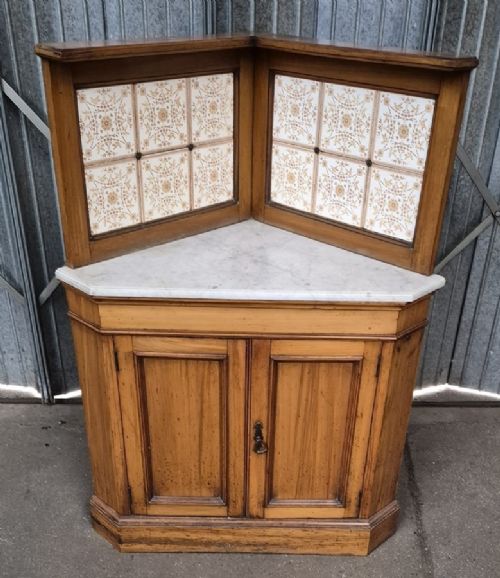
Washstands feature integrated spaces or marble tops designed for basins and washing equipment. Cupboards focus entirely on enclosed shelving and display storage.
Washstands often appear lower in height and include tiered surfaces or small drawers for accessories.