
Corinthian Column Lighting
Corinthian column lighting brings classical proportion and architectural weight into domestic spaces through converted oil lamps and sturdy metal candlesticks.
Corinthian Column Lighting
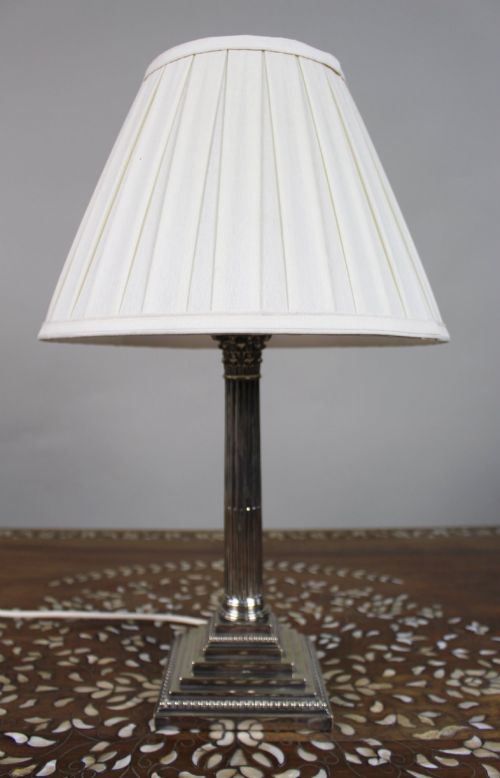
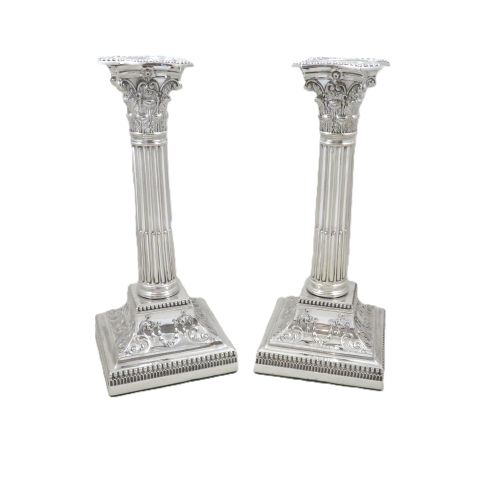
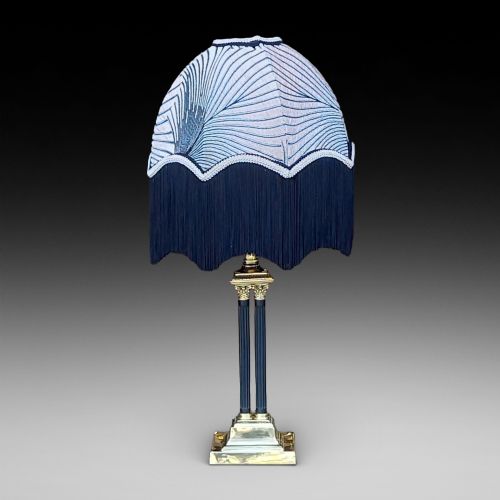
Corinthian column lighting comprises standard lamps, table lamps, oil lamps, and candlesticks modeled on ancient architectural orders. These pieces emerge predominantly across the Victorian and Edwardian eras, spanning the nineteenth and early twentieth centuries.
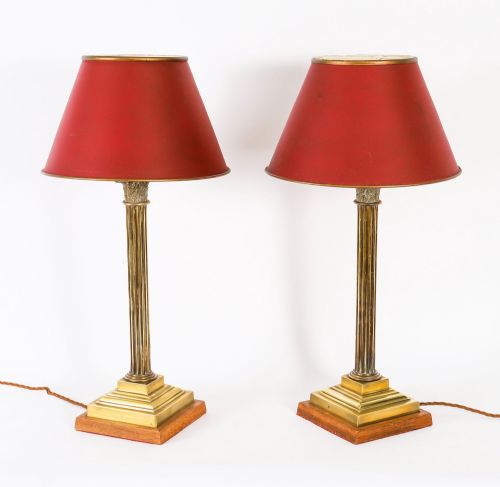
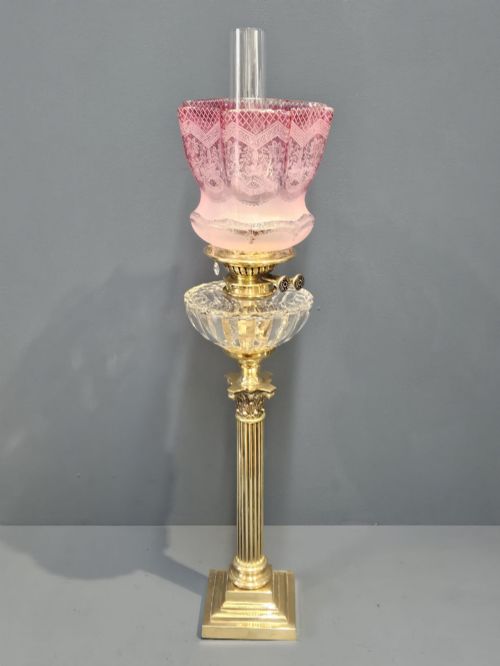
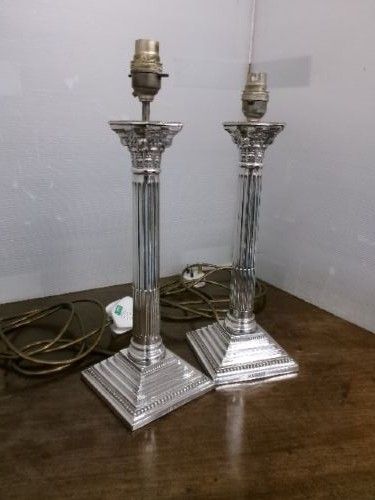
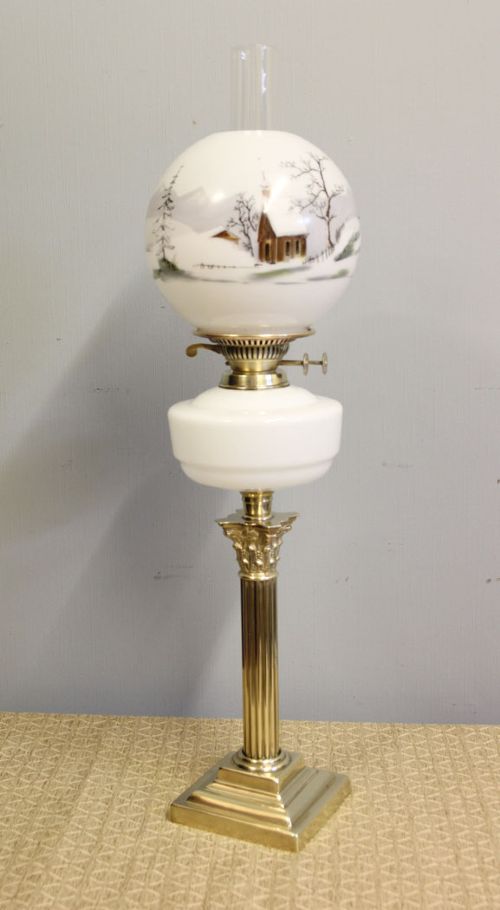
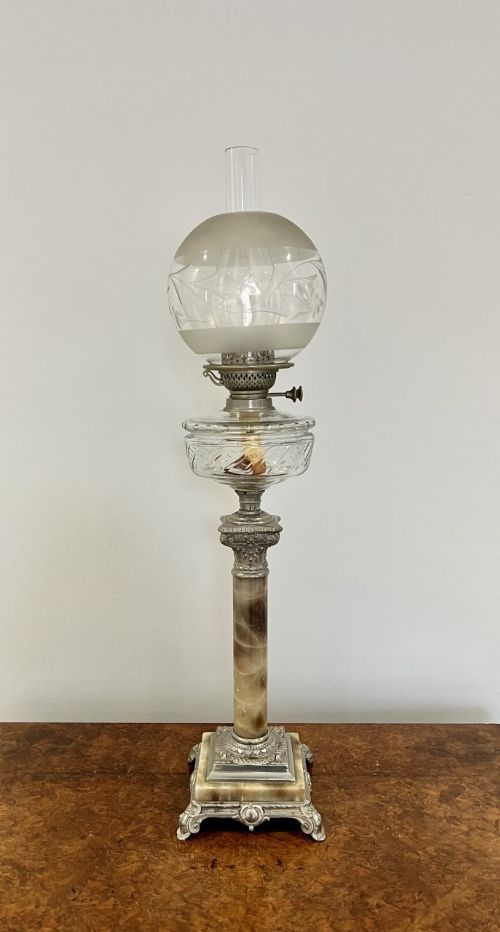
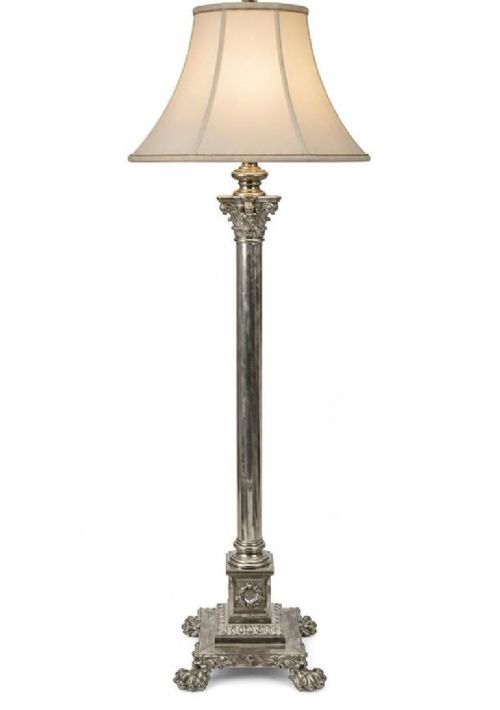
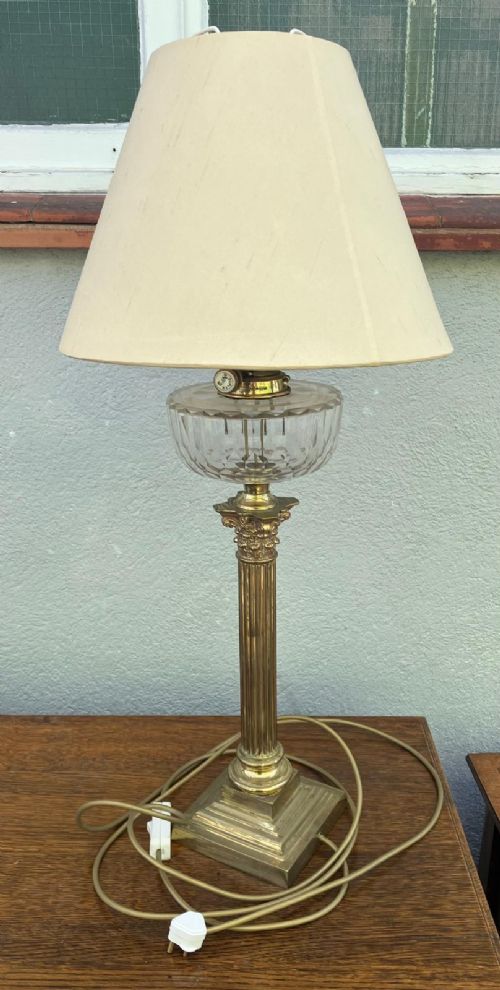
Buyers encounter solid brass and silver-plated shafts raised on stepped square bases, often incorporating decorative details such as lion's paw feet or marble plinths. Many examples originate as nineteenth-century paraffin burners later adapted for electrical wiring.
Materials and construction methods
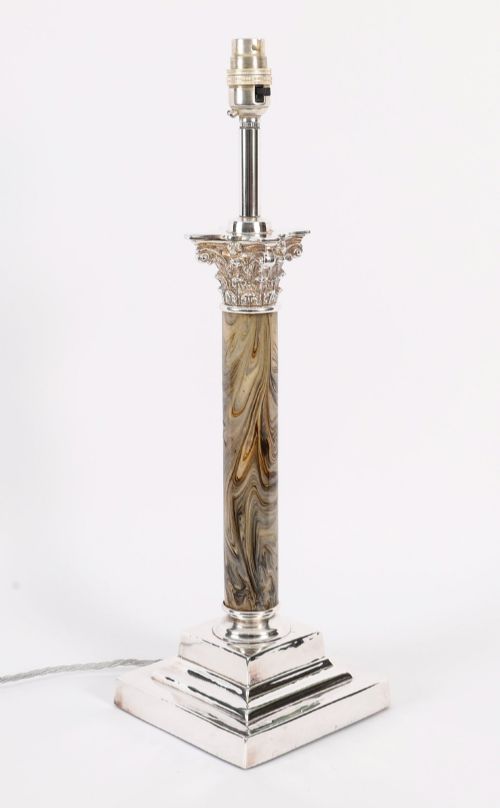
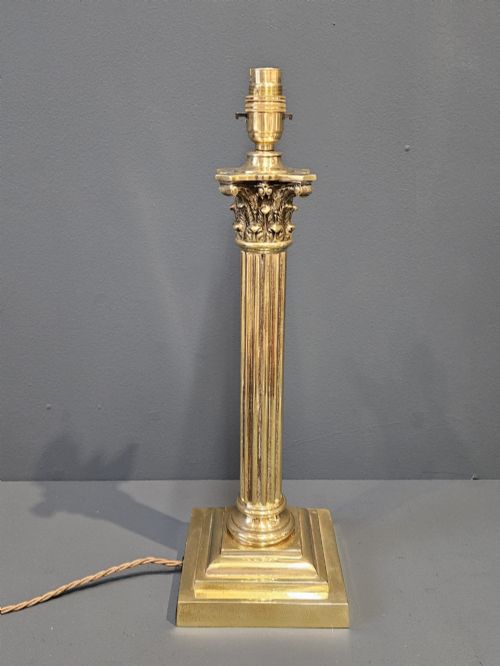
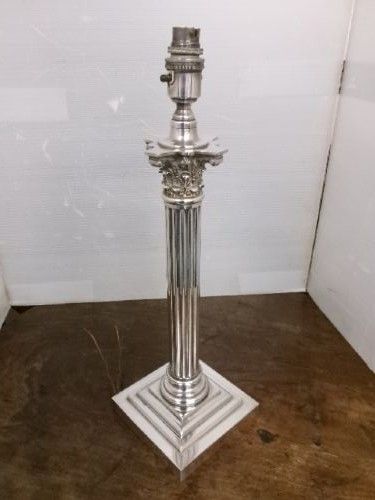
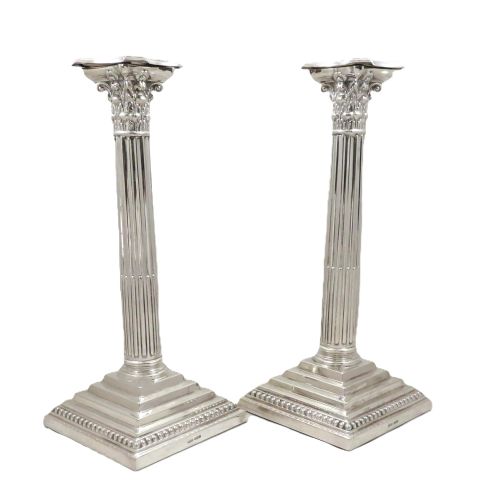
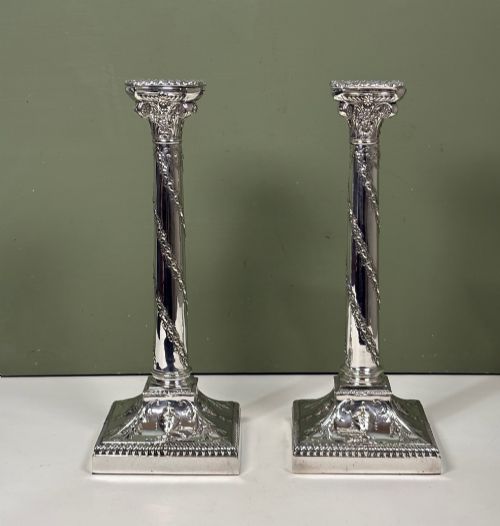
Maker workshops cast brass and silver plate to form the fluted shafts and ornate acanthus-leaf capitals that define the classical style. Heavier forms incorporate metal cores, onyx, or marble elements to provide stability at the base.
Lighting assemblies frequently combine cut glass or etched glass fonts and shades with metal collars. Selected examples pair standard brass columns with contrasting oak timber bodies or sterling silver mounts.
Current listings feature Victorian and Edwardian pieces combining brass, silver plate, and cut glass in table and floor lamp formats.
Distinctions in execution and scale
Quality rests upon the crispness of the cast capital detailing and the precise alignment of the fluted column against the heavy square base. Superior pieces display deep, clean relief work in the acanthus leaves rather than soft or smoothed casting.
Substantial proportions and heavier gauge metals distinguish finer standard lamps and table lamps from lighter productions. Maker signatures or stamps on the metalwork also indicate higher workshop standards.
Hinks of Birmingham·Goldsmiths and Silversmiths Company
The Corinthian Column Lighting Glossary
- Capital
- The decorative uppermost member of a column, featuring carved or cast acanthus leaves in the Corinthian style. This ornamental block sits directly beneath the lamp fitting or candle pan.
- Duplex
- A type of double-wick burner system commonly found on nineteenth-century oil lamps. It provides a brighter illumination and requires specific twin-wick controls.
- Font
- The oil reservoir of a lamp, frequently formed from coloured glass, cranberry glass, or matching metal. It sits atop the column structure to hold the fuel.
- Standard lamp
- A tall floor-standing lighting fixture designed to illuminate a room from standing height. These pieces share the same classical column architecture as smaller table versions.
- Sterling silver
- A precious metal standard containing a high purity of silver, utilised for the outer plating or solid construction of premium candlesticks and lamps.
Corinthian Column Lighting: Frequently Asked Questions
How do I date these lamps?
Dating relies upon manufacturing techniques, metal hallmarks, and the presence of original oil burner mechanisms from the Victorian or Edwardian periods. Architectural styling changes slightly between mid-nineteenth-century examples and later twentieth-century productions.
Heavier cast brass components and hand-etched glass shades typically point toward earlier nineteenth-century manufacturing. Examining the base construction and any maker stamps helps confirm the specific decade of origin.
Were these originally electric?
Most antique examples began life as paraffin oil lamps or heavy candlesticks before undergoing professional conversion to electricity in later decades. The conversion process generally adapts the original burner mount to house modern wiring.
Original oil reservoirs, such as cranberry glass fonts, are frequently retained during electrification to preserve the visual character of the piece. This dual history is standard for nineteenth-century lighting.
How are oil lamps converted?
Conversion typically involves replacing the internal wick mechanism with a lamp holder while retaining the outer brass or silver-plated column structure. The original burner gallery is often adapted to secure a shade carrier.
This method allows the antique aesthetic of the base and font to remain entirely unaltered. Professional rewiring ensures the historic metalwork safely accommodates contemporary plugs.
What shades fit these lamps?
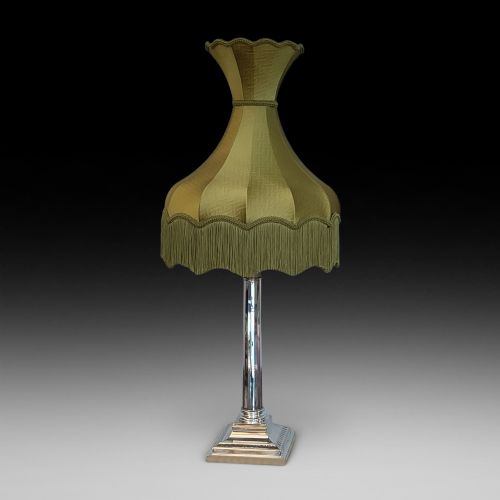
Etched glass tulip shades, cranberry glass globes, and fabric shades all pair with these classical columns depending on whether the piece is an oil lamp or table lamp. Oil lamp configurations generally require dedicated glass chimneys and decorative shades.
Proportion guides the selection, ensuring the shade diameter matches the substantial weight of the column beneath. Traditional Victorian designs favor patterned glass elements that complement the brass or silver-plated metal.