
Silver Plate Lamp
When you select a silver plate lamp, you acquire a functional piece of period lighting built from sturdy brass or metal coated in gleaming silver.
Silver Plate Lamp
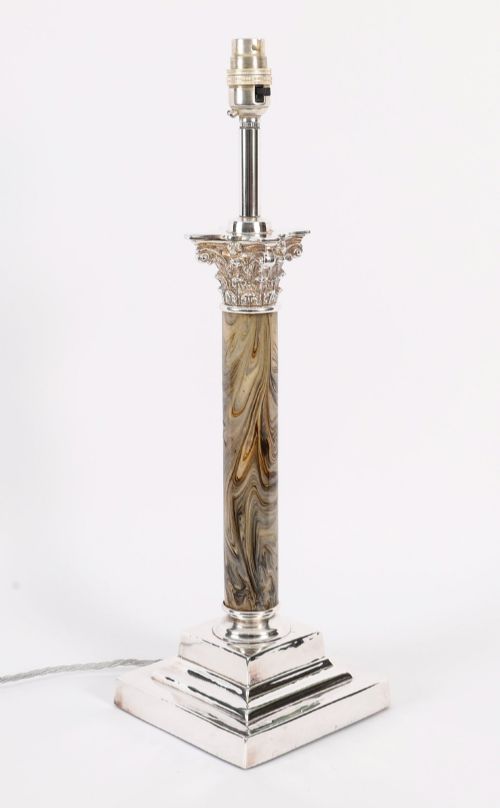
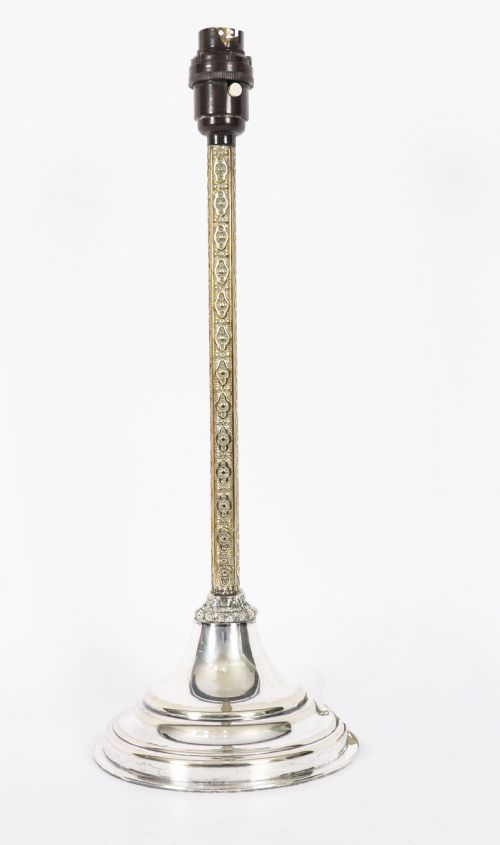
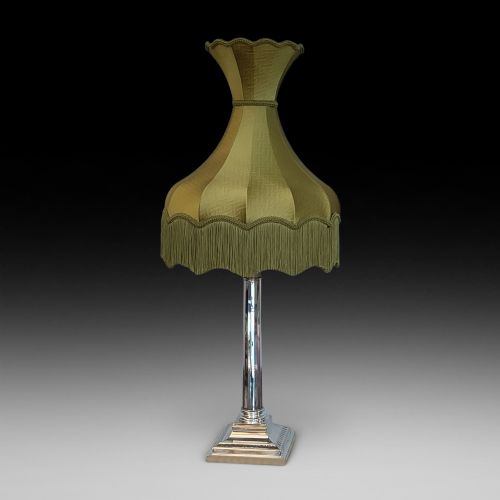
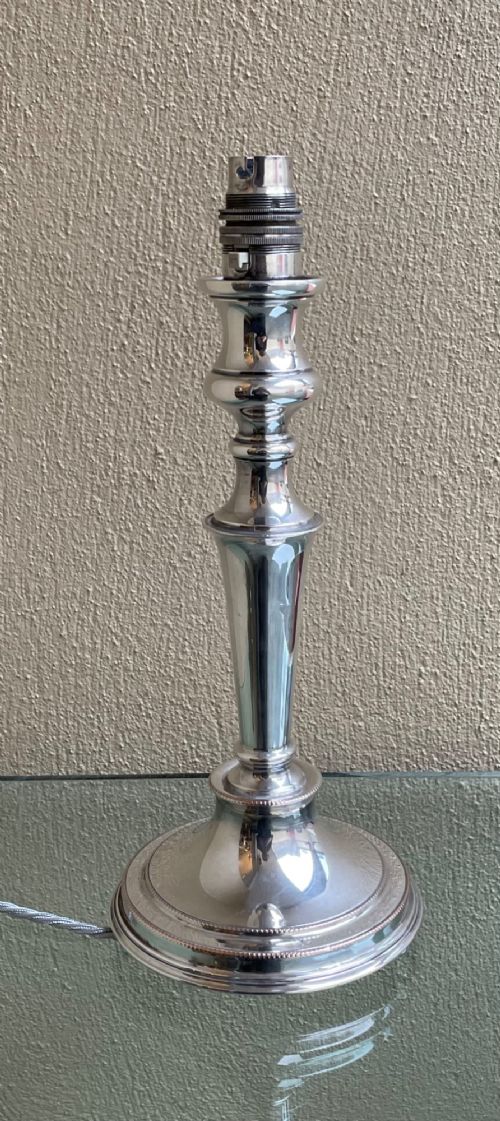
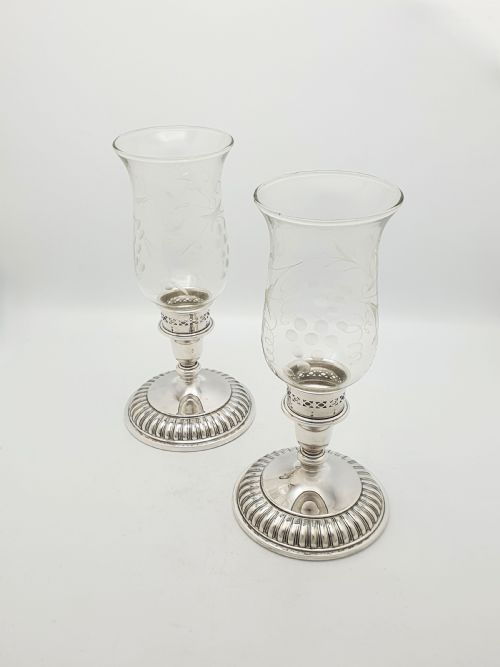
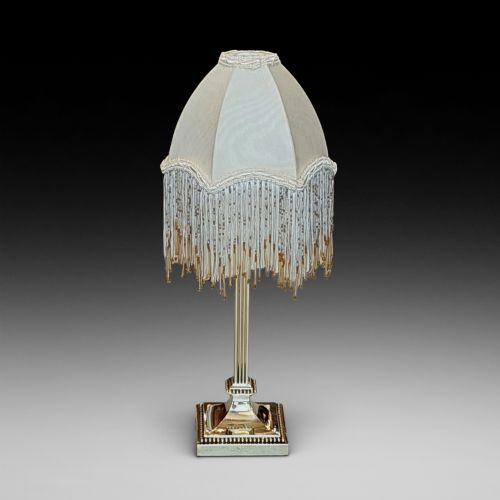
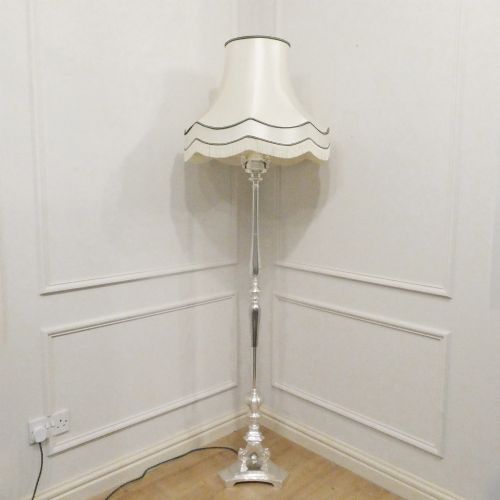
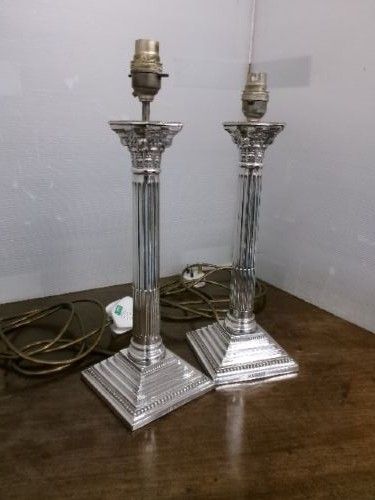
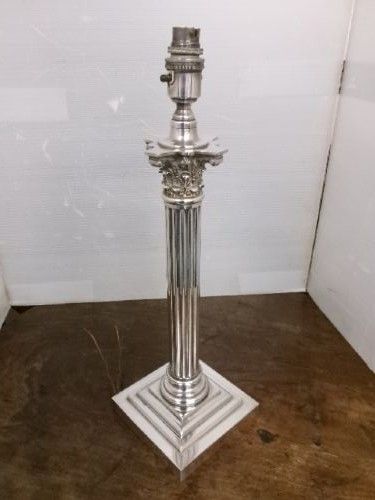
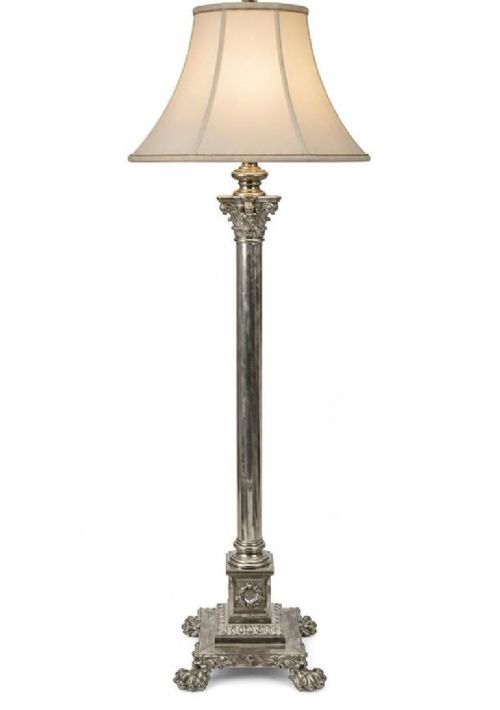
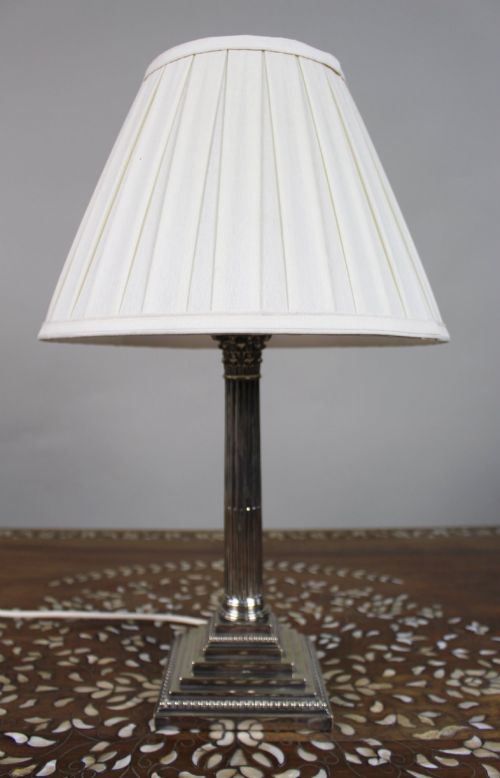
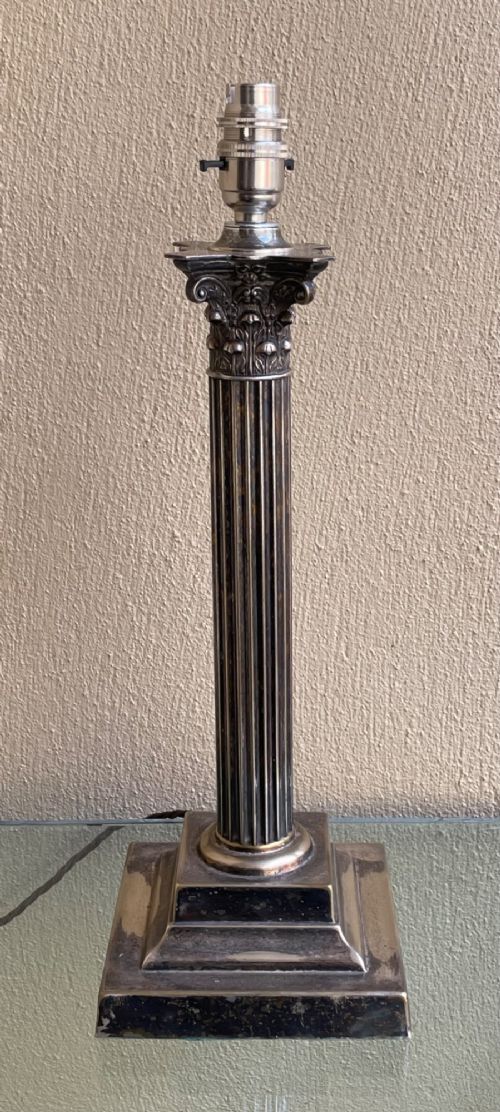
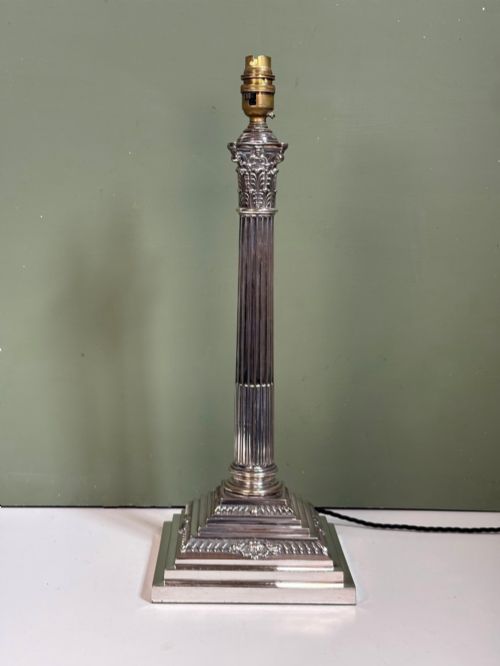
A silver plate lamp brings period illumination into a room, taking the form of table lamps, floor lamps, and converted oil lamps. Buyers searching for a silver plate lamp frequently encounter the popular Corinthian column design rooted in Victorian and Edwardian taste.
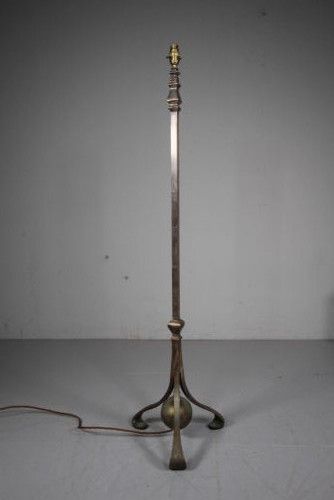
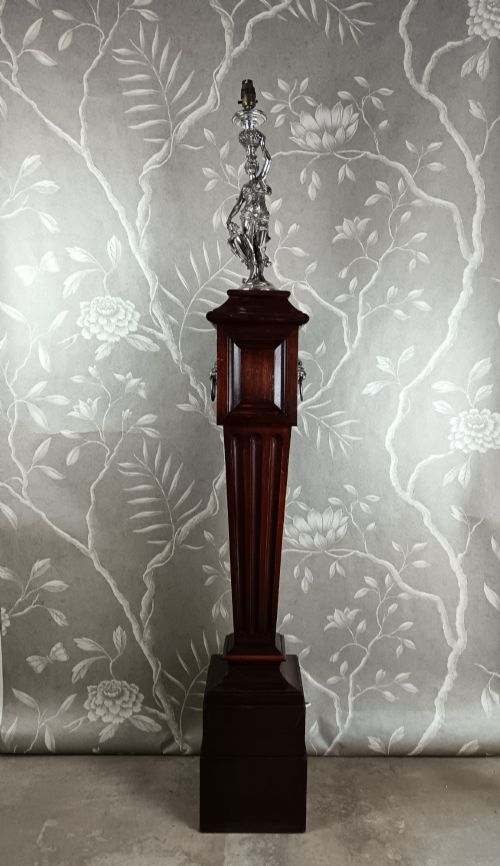
The selection ranges from tall standard lamps and adjustable reading lights to smaller desk pieces and chandeliers. Pieces span periods from the nineteenth century through the Art Deco era and mid-century production, reflecting changing domestic interiors.
Materials and construction
The foundation of these pieces relies on base metals such as brass or copper, which received a coating of silver through electroplating or older techniques like Old Sheffield Plate. Makers incorporated secondary materials including cut glass, bohemian crystal, and satin glass for shades and reservoirs.
Structural elements often involved heavy weighted bases for stability, particularly in tall floor models and column designs. Wiring and electrical conversions replaced original oil burners or candle holders in many surviving examples.
Listings feature periods spanning from the nineteenth century through the 1950s, utilising brass, glass, silk, and silver plate.
Measures of quality
Quality rests upon the crispness of casting detail in architectural motifs like acanthus leaves on column capitals. Substantial weight in the base and thick application of silver plate separate substantial maker pieces from lighter commercial output.
Proportion and structural integrity dictate the distinction between standard domestic lighting and monumental or bespoke commissions. The retention of original maker marks and harmonious conversion work preserves the integrity of the object.
Mappin & Webb·Birks Regency Plate·WMF·Goldsmiths and Silversmiths Company·Harrison Brothers & Howson·Veritas Lamp Works·Hinks·Walker & Hall·Hawksworth Eyre & Co
The Silver Plate Lamp Glossary
- Corinthian Column
- A classical architectural form featuring ornate acanthus leaves and scrolls at the top of the shaft, widely utilised for Victorian and Edwardian table lamps.
- Old Sheffield Plate
- An early method of fusing a thin sheet of silver to a thicker copper core by heat and pressure before the invention of electroplating.
- EPNS
- Electro Plated Nickel Silver, a durable base metal alloy coated with a layer of silver through an electrical process.
- Peg Oil Lamp
- A small font designed to sit inside the socket of a candlestick or base rather than forming an integrated unit.
- Parcel Gilt
- A technique where specific areas of a silver object receive a secondary application of gold wash for contrast.
Silver Plate Lamp: Frequently Asked Questions
How do I date a silver plate lamp?
Dating relies upon stylistic clues such as Neoclassical columns, Victorian proportions, or Art Deco geometric lines. Maker marks and stamps stamped into the metal provide additional chronological markers.
Examining the construction methods, wiring access points, and base weights helps confirm whether a piece originates from the nineteenth century or later twentieth-century revivals.
Were these lamps originally electric?
Most pieces originating from the Victorian and Edwardian periods began life as oil lamps, argyle lamps, or candle holders. Makers later adapted them for electricity to suit modern domestic requirements.
Convertible models and rewired examples maintain their original aesthetic while accommodating modern plugs and contemporary safety standards.
What is the difference between silver plate and solid silver?
Silver plate consists of a base metal core, such as brass or nickel, covered with a thin outer layer of silver. This technique provided the visual weight and lustre of solid silver at a more accessible cost.
Heavier bases often incorporate cast iron or lead weighting inside the metal shell to prevent tipping.