


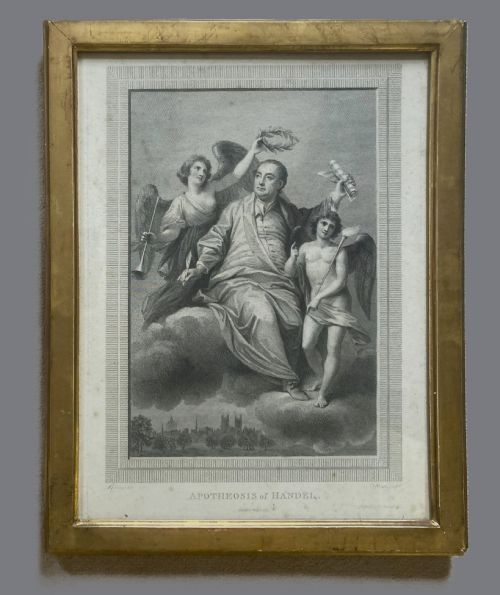
Copperplate Engraved Wall Art
When you search for copperplate engraved wall art, you are looking at historical prints transferred from metal plates onto paper.
Copperplate Engraved Wall Art
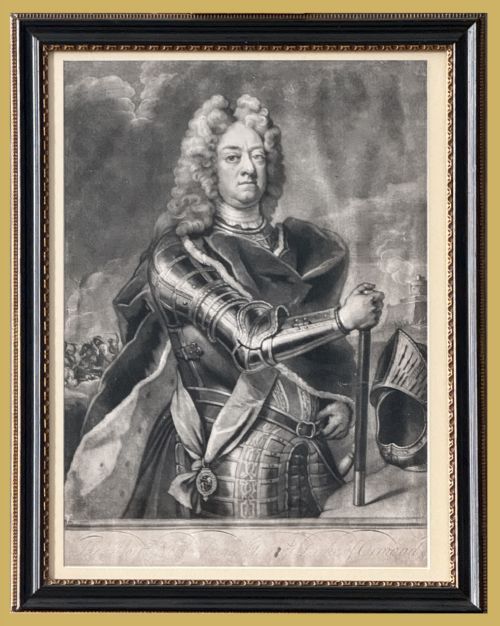
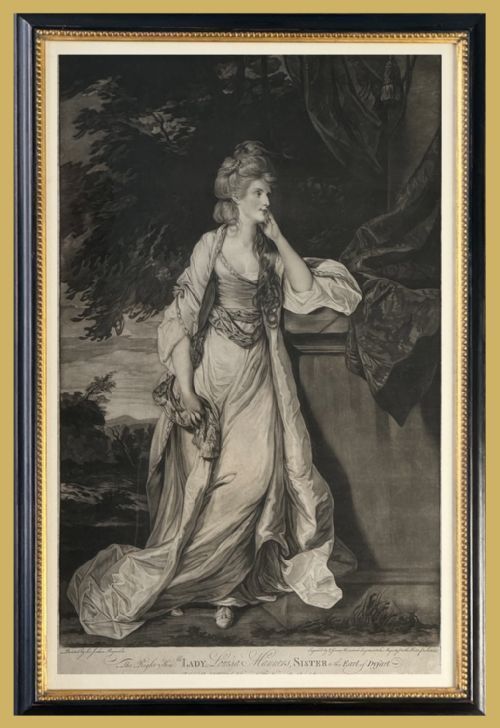
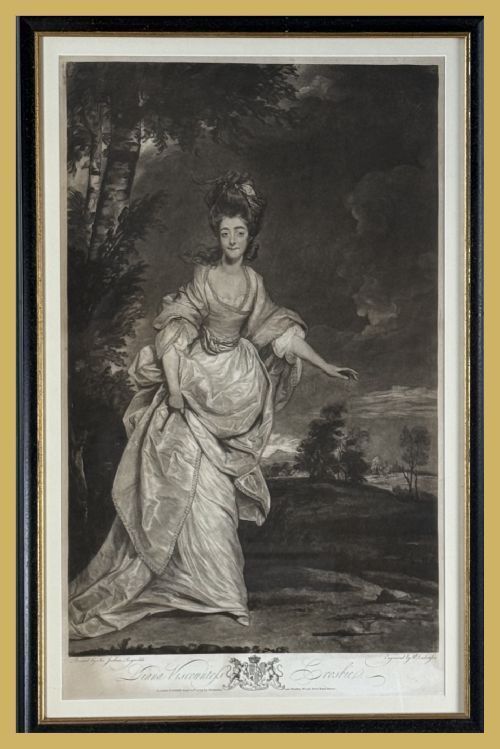
Copperplate engraved wall art encompasses printed works on paper originating predominantly from the seventeenth, eighteenth, and nineteenth centuries. These pieces record historical portraits, cartography, landscapes, and allegorical scenes produced across various European workshops. Buyers exploring this category encounter framed prints, individual engravings, and matched sets presented in period enclosures.
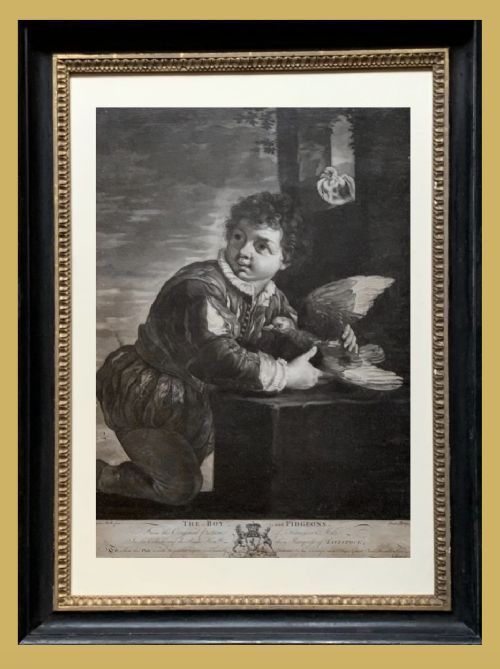
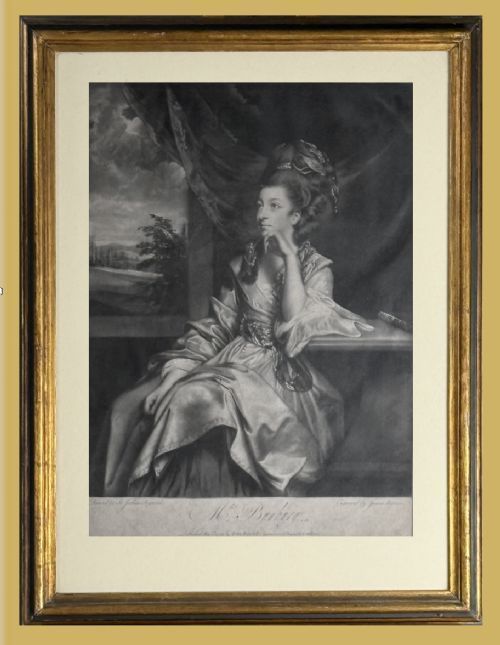
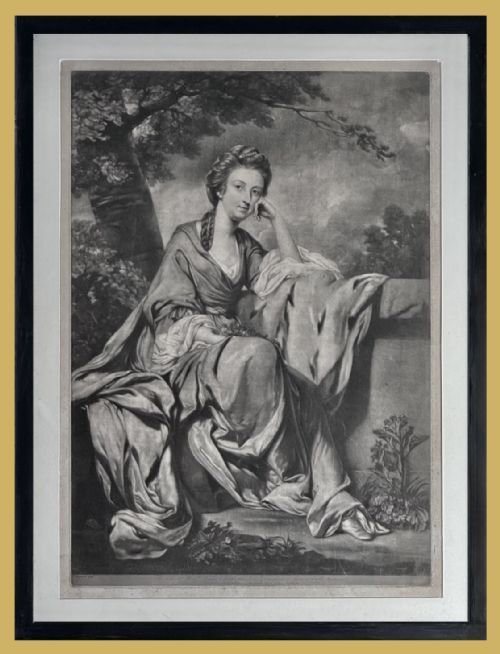
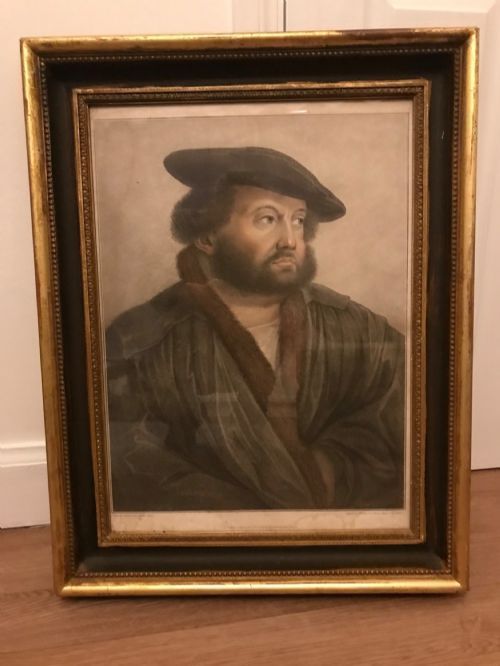
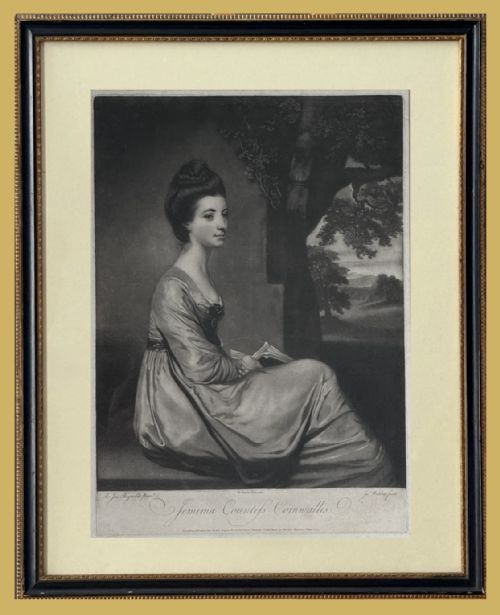
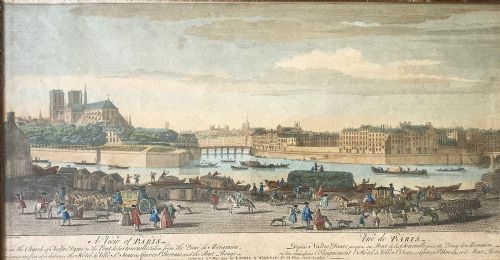
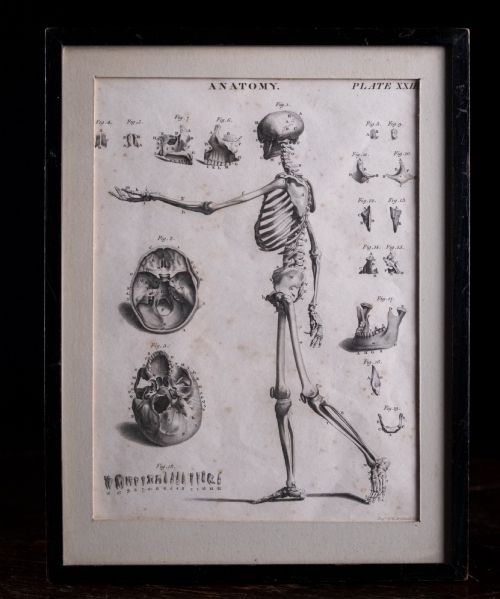
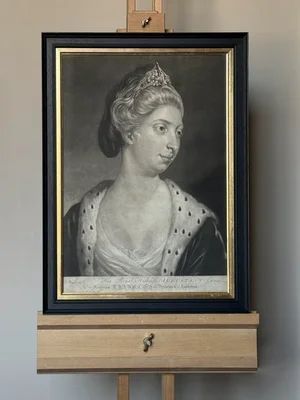
The selection on this page leans heavily toward eighteenth-century mezzotints and line engravings after notable painters, alongside county maps and figurative studies. Many examples retain their original framing materials, such as gilt wood and Hogarth moulding, preserving the physical context of their period of origin. These works bridge the gap between archival historical document and decorative domestic interior piece.
Metal plates and applied ink
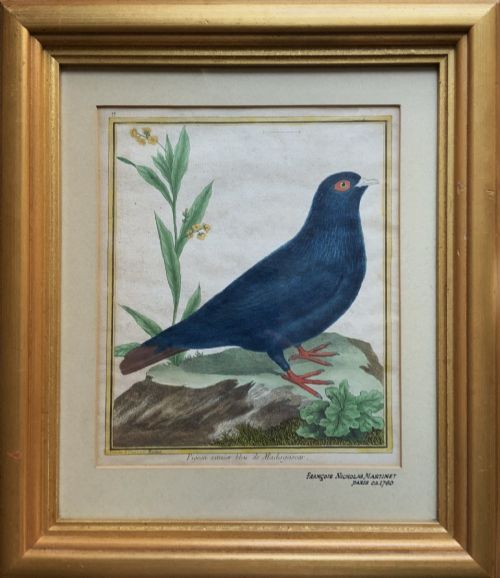
The primary technique relies on incising designs into a copper sheet using burins, or roughening the surface for mezzotints, before applying ink and transferring the image under pressure onto paper. Artisans frequently added hand colouring using watercolour washes directly onto the printed paper surface to enrich specific details such as garments, maps, or botanical elements.
Finished works found in these listings are mounted behind glass within wooden frames, occasionally accented with gold leaf or gilt wood surrounds. The combination of black or sepia ink on laid or wove paper provides the foundational visual structure, supported by protective framing elements characteristic of Georgian and later cabinetry.
Several eighteenth-century subjects peer out from their frames surrounded by detailed depictions of domestic pigeons and anatomical skeletons.
Impression strength and preservation
Quality in these engraved works is determined by the crispness of the impression pulled from the metal plate, as earlier impressions reveal finer lines and subtle tonal gradations before the plate wore down through repeated printing. The depth of the ink and the preservation of delicate cross-hatching distinguish a master strike from a later, softer pull.
The survival state of the paper support and the originality of the framing components further separate examples across the range. Clean margins, minimal foxing, and intact historical frames with original gilding elevate the standing of an individual print within its historical period.
John Simon·John Boydell·James Watson·Edward Fisher·Francesco Bartolozzi·John Smith·Valentine Green·W Dickinson·Andrew Bell·James Heath·Thomas Watson·John Faber Jr·James Macardell·John Ward·Étienne Baudet·Demarteau·Luke Sullivan·Robert Sayer
The Copperplate Engraved Wall Art Glossary
- Mezzotint
- A printmaking process where the copper plate is roughened uniformly to produce rich dark tones, and scraped away in lighter areas to form the image. This technique creates velvety shadows and smooth tonal transitions particularly favoured in portraiture.
- Stipple engraving
- A method of creating images on metal plates using dots rather than continuous lines to build up tone and form. Artists used this to achieve softer, painterly effects akin to chalk drawings.
- Cartography
- The study and practice of making maps, represented here by engraved regional and county maps framed as wall art. These pieces combine geographical information with decorative cartouches and borders.
- Hand colouring
- The application of water-based pigments by hand onto a finished monochrome print to add colour. This process was often done in the workshop soon after printing to enhance the visual appeal.
- Gilt wood
- Wood carved and coated with a thin layer of gold leaf or metallic powder, commonly utilised for eighteenth and nineteenth-century picture frames. It provides a bright, reflective border that complements the dark ink of the print.
Copperplate Engraved Wall Art: Frequently Asked Questions
How should I hang antique engravings?
Keep framed prints away from direct sunlight and damp environments to protect the paper and watercolour pigments from fading or moisture damage. Use stable picture hooks suited to the weight of the wooden frame.
Ensure the piece hangs at a comfortable eye level where temperature fluctuations remain minimal throughout the day. Consistent indoor conditions preserve both the paper support and any original gilding on the frame.
What is the difference between an engraving and a mezzotint?
An engraving is made by cutting direct lines into a metal plate with a sharp tool, resulting in crisp, defined outlines and shading. Mezzotints involve roughening the entire plate first to hold ink for deep, velvety tones.
Because of this foundational difference, engravings excel at architectural precision and map work, while mezzotints translate painted portraits with soft, painterly shadows. Both share the same copperplate printing origin but offer distinct visual textures.
Are these frames original to the prints?
Many listings feature original or period-appropriate frames such as Hogarth mouldings or gilt wood surrounds applied during the eighteenth or nineteenth centuries. These enclosures show age-appropriate wear that matches the era of the paper artwork inside.
Checking the reverse of the frame often reveals historic backing papers, fixings, or dealer labels that confirm its long association with the print. A period frame enhances the historical integrity of the entire wall art piece.
How do I identify the subject of a portrait print?
Most historical portrait prints include engraved text along the lower margin detailing the sitter's name, titles, and dates alongside the artists responsible for the painting and the plate. These inscriptions act as primary documentation for historians and collectors.
Cross-referencing the recorded names of the sitter, painter, and engraver allows you to place the work accurately within its specific historical decade. This text is an integral part of the copperplate design rather than a modern addition.