
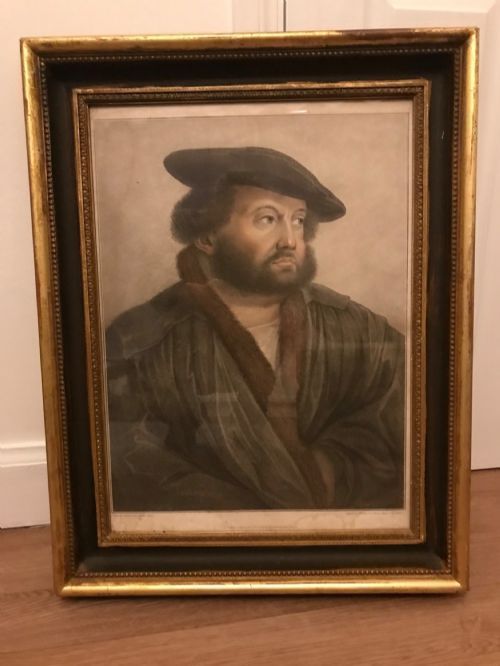


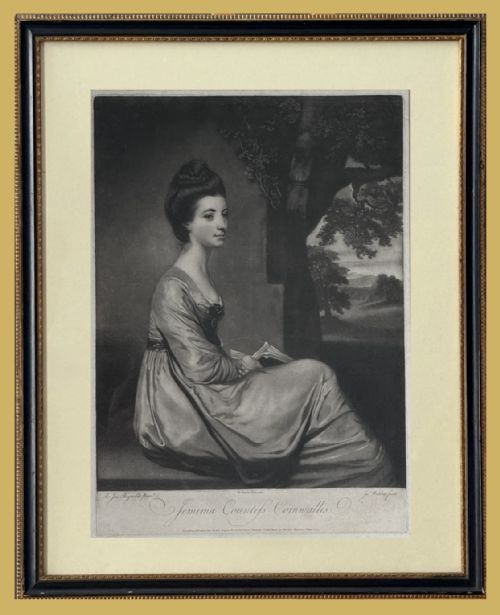
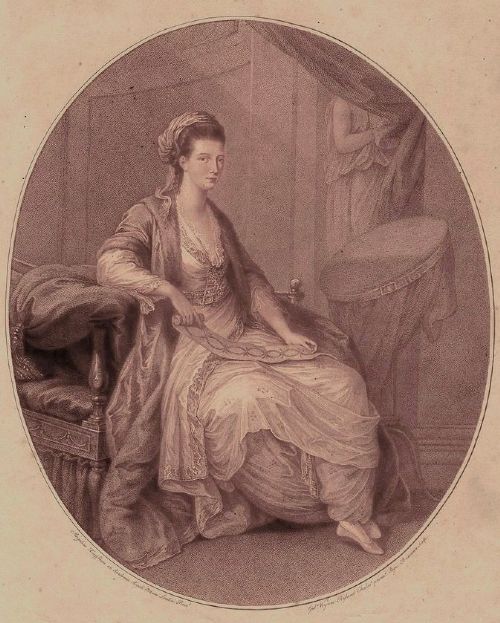
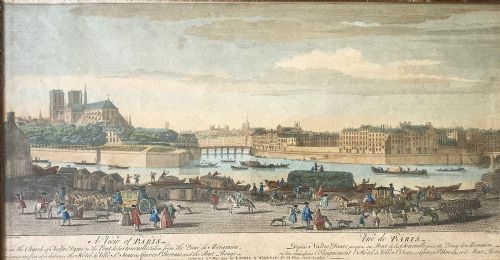
Copperplate Engraved Print
When you look for a copperplate engraved print, you seek the fine detail and tonal depth achieved by seventeenth- and eighteenth-century printmakers.
Copperplate Engraved Print
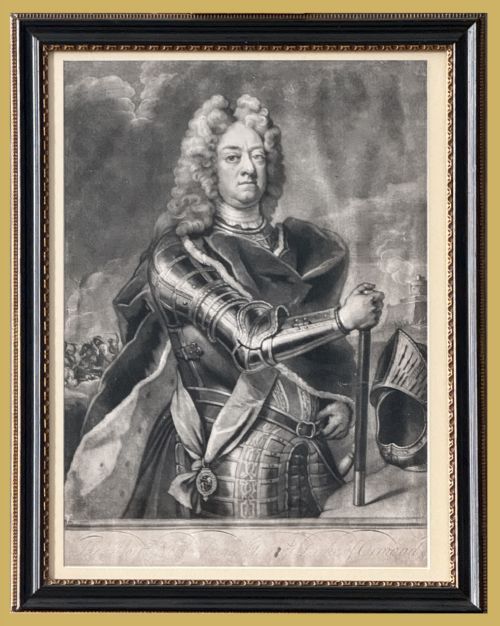
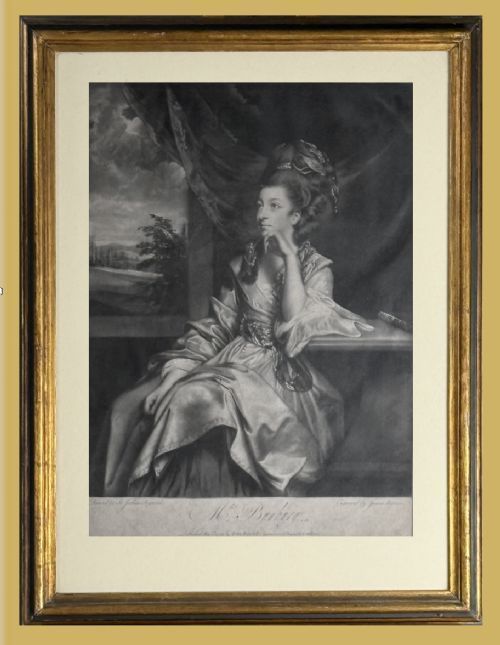
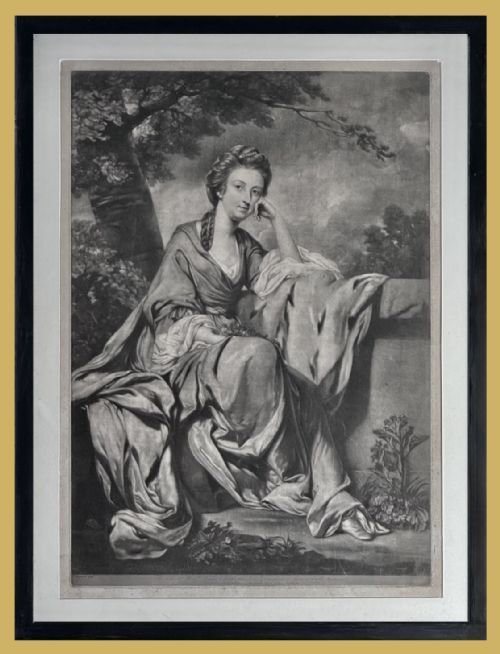
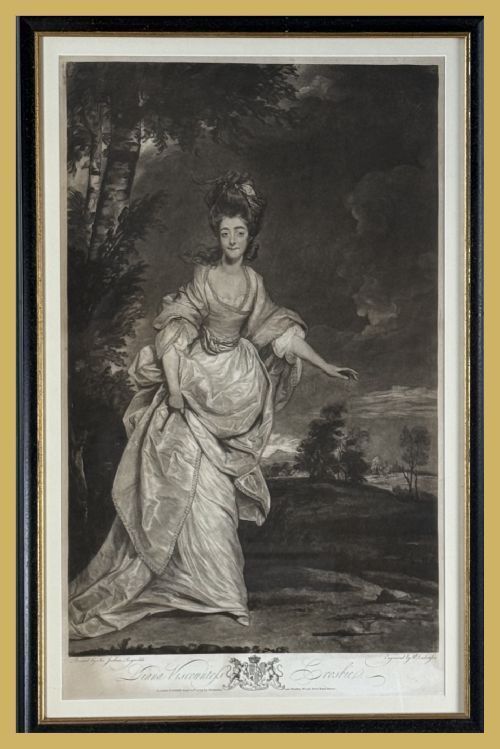
A copperplate engraved print encompasses detailed portraiture, cartography, classical antiquity scenes, and anatomical studies produced across the seventeenth, eighteenth, and nineteenth centuries. The selections on this page lean heavily toward eighteenth-century mezzotints and line engravings after notable painters, alongside framed topographical maps and architectural views.
Buyers frequently encounter works framed in period wood, gilt wood, or Hogarth moulding, often retaining original hand colouring on paper. These pieces reflect historical portraiture traditions, decorative natural history, and voyages of discovery documented through contemporary printing plates.
Materials and Technique
Makers produced these works by incising lines or rocking textures into metal plates, which were then inked and pressed onto handmade paper using specialised rolling presses. The resulting impressions frequently incorporate dark ink alongside supplementary watercolours for hand colouring.
Framing materials commonly include wood, gilt wood, and glass designed to protect the fragile paper substrate from environmental damage while maintaining the period aesthetic of the artwork.
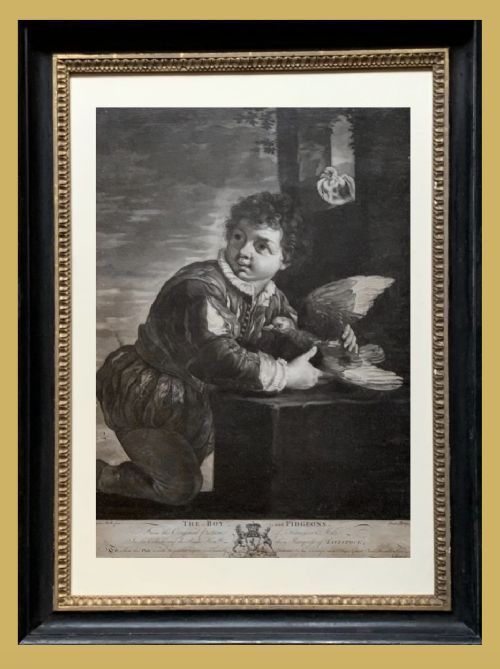
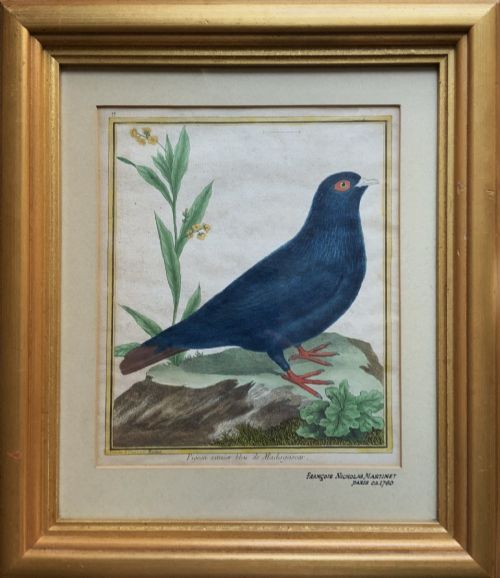
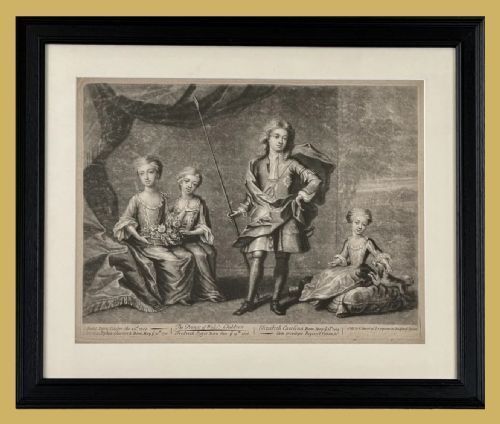
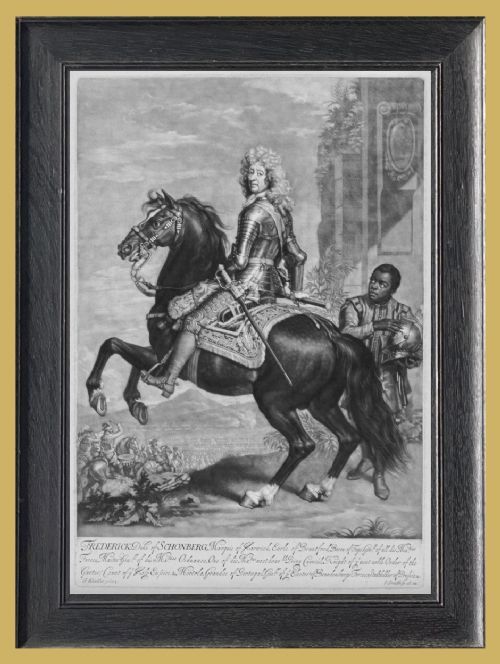
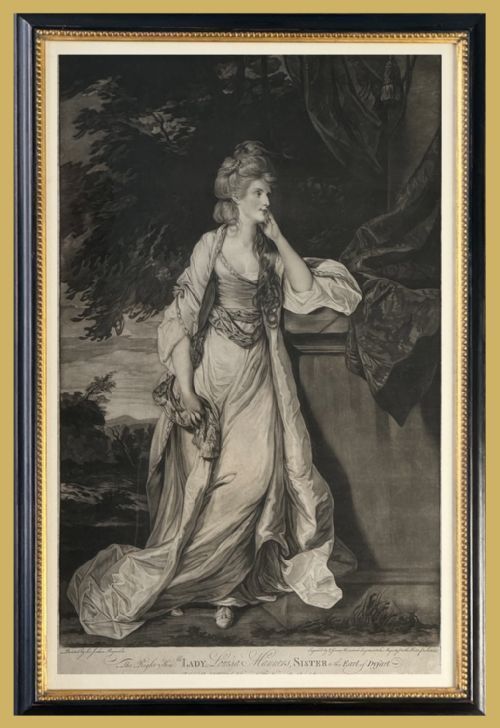
Eighteenth-century pigeon portraits and anatomical skeletons share wall space here with dukes and duchesses.
Factors of Quality
Quality rests upon the clarity of the plate impression, the precision of the burin or mezzotint rocker, and the strength of the partnership between the original painter and the engraver. Early impressions retain sharp contrasts and delicate tonal gradations that wear down over extended print runs.
The preservation of the paper sheet, the presence of genuine early hand colouring, and the survival of the original gilt wood or Hogarth frame significantly elevate the standing of an individual plate.
John Simon·John Boydell·James Watson·Edward Fisher·Francesco Bartolozzi·John Smith·Valentine Green·W Dickinson·Andrew Bell·John Faber Snr·Purcell·James Heath·Thomas Watson·Blaeu·François Perrier·John Faber Jr·Robert Williams·James Macardell·James Ward·Jacobus Howbraken·Étienne Baudet
The Copperplate Engraved Print Glossary
- Mezzotint
- A printmaking process where the copper plate is roughened uniformly to produce rich dark tones and subtle gradients. This tonal method became the dominant medium for eighteenth-century British portraiture.
- Stipple engraving
- A technique using dots of varying sizes and densities to create soft tonal effects and flesh textures. It gained widespread popularity during the late eighteenth century for reproducing classical and sentimental subjects.
- Line engraving
- A method where the craftsman cuts direct lines into the metal plate using a sharp steel tool called a burin. This produces precise, crisp outlines utilised extensively for maps and architectural views.
- Etching
- A process where acid bites the design into the metal plate through a protective ground layer. Artists favoured this technique for its freedom of line and painterly qualities.
- Proof
- An impression pulled from the plate before the final published state, often retaining artist inscriptions or trial changes. Collectors prize these early pulls for their exceptional crispness.
Copperplate Engraved Print: Frequently Asked Questions
How do I care for a framed engraving?
Keep the piece away from direct sunlight and damp environments to prevent paper discoloration and foxing. Ensure it hangs securely away from direct heat sources that might dry out the original wood frame.
Conservation-grade framing with UV-protective glass helps preserve the delicate ink and paper over decades of display.
What is the difference between a mezzotint and an etching?
A mezzotint relies on a roughened metal plate to create deep shadows and smooth tonal gradations without relying on outline. It suits velvety portraits.
An etching uses acid to bite lines into a protected plate, creating linear freedom and illustrative detail favoured by mapmakers and landscape artists.
Are these prints original to their stated period?
The listings comprise authentic period impressions pulled during the active dates of the engravers and publishers rather than modern photographic reproductions. Examining the paper type, ink deposition, and plate marks confirms the printing era.
Reference to the original painter and contemporary publishing inscriptions further anchor the work within its historical timeframe.
Why do some engravings feature hand colouring?
Publishers and owners applied watercolour by hand shortly after printing to enhance maps, natural history plates, and architectural scenes. This practice added visual clarity and decorative appeal to monochrome impressions.
Original hand colouring utilises period pigments that chemically integrate with the paper surface over centuries.