


Copper Post Lantern
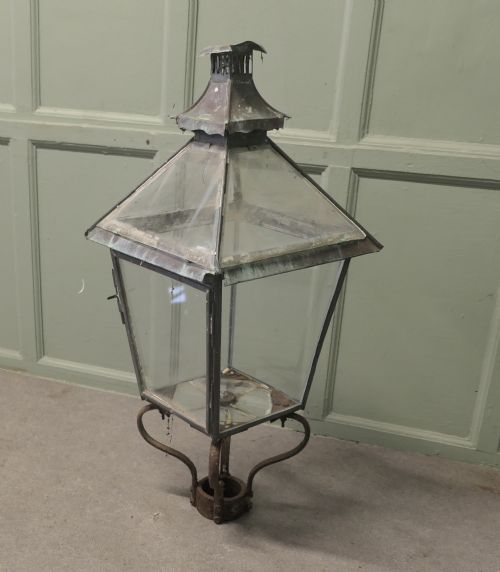
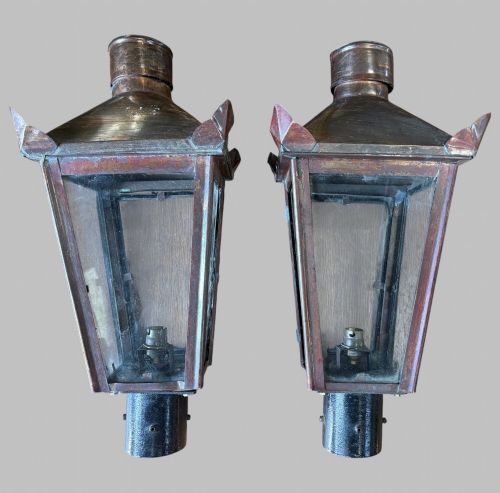
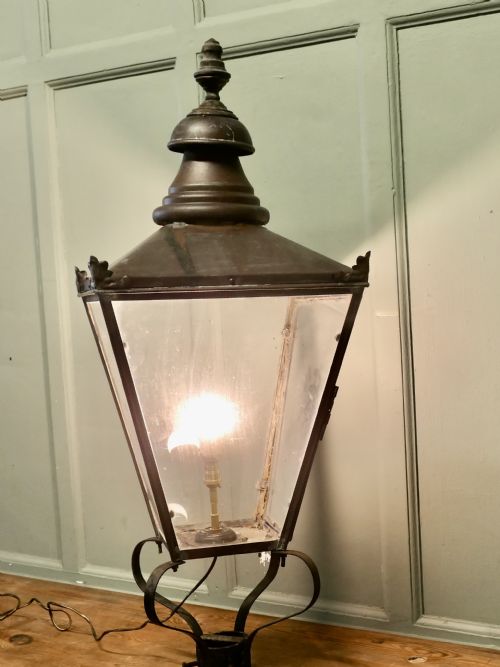
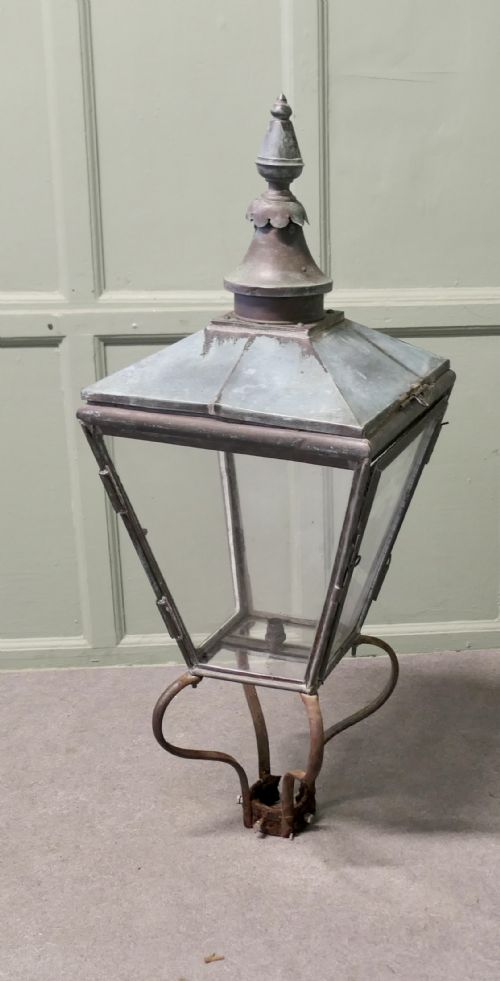
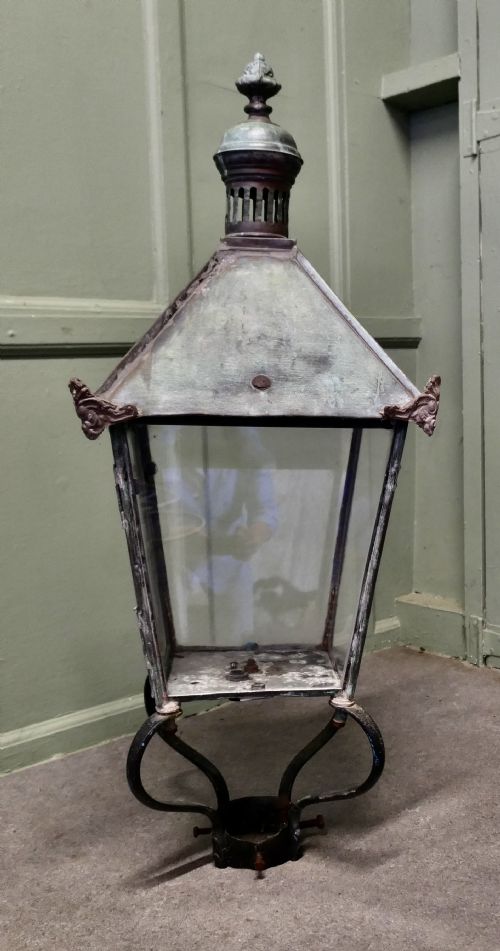
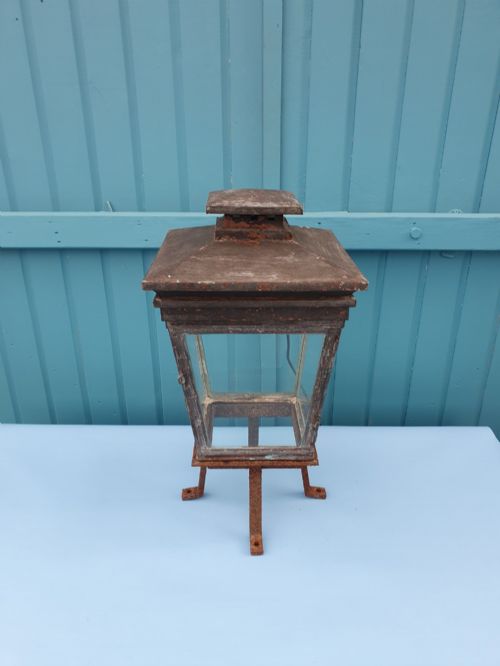
These copper post lanterns are substantial outdoor fixtures that bring authentic period character to gateways and driveways.
Copper Post Lantern
A copper post lantern provides robust exterior illumination through designs originally intended for street lighting and grand gateposts.
Most examples found here date from the nineteenth century into the early twentieth century, spanning Victorian and Edwardian periods.
Forms include large street lamps, gate post lights, and side lanterns, often adapted from early gas systems to modern electrical use.
How they were made
Construction relies heavily on durable sheet copper combined with iron, cast iron, or wrought iron reinforcement for structural integrity.
Panels of glass are fitted within the metal framework to protect the flame or bulb while dispersing light evenly across outdoor spaces.
Materials across these listings include copper, glass, iron, wrought iron, cast iron, metal, and steel spanning the nineteenth and early twentieth centuries.
What varies in quality
Quality rests upon the weight of the copper and the precision of the metalworking joints, distinguishing utilitarian items from finer civic installations.
The survival of original mounting bases, intact glass panels, and structural metalwork dictates the overall integrity of each piece.
A Foster And Pullen Bradford
The Copper Post Lantern Glossary
- Post lantern
- An outdoor lighting fixture designed to mount vertically upon a gate pillar, wall, or dedicated post.
- Gas conversion
- The historical alteration of a fitting from piped gas supply to electrical wiring.
- Wrought iron
- Tough, malleable iron worked by hand into structural brackets and supports.
- Street light
- A large-scale public luminaire designed to illuminate thoroughfares from an elevated mounting position.
Copper Post Lantern: Frequently Asked Questions
How do I install an old post lantern?
These lanterns require secure mechanical mounting to a sturdy post or bracket alongside appropriate electrical wiring by a qualified professional.
Weatherproofing and stable weight distribution remain essential considerations for outdoor placement.
Were these lights originally gas powered?
Many nineteenth and early twentieth-century examples operated on gas before being converted for domestic electricity.
Internal burners are typically replaced with standard lamp holders during these historical updates.
Can these lanterns withstand outdoor weather?
Copper develops a natural protective patina when exposed to moisture and air over decades outdoors.
The underlying iron and steel components require periodic inspection to manage surface oxidation.
How do I date a Victorian copper lantern?
Dating relies on examining the construction methods, such as hand-soldered copper seams and the composition of the iron brackets.
Stylistic cues from the Victorian and Edwardian eras further narrow the period of manufacture.