



Antique Outdoor Lighting
Antique outdoor lighting delivers genuine period character to exterior walls and gardens through robust metal lanterns and street lamps.
Antique Outdoor Lighting
When searching for antique outdoor lighting, buyers encounter sturdy exterior fixtures designed to withstand the elements while providing illumination. The selection spans several distinct forms including wall lights, hanging lanterns, gate post lights, and full lamp posts. These pieces originate from the nineteenth and early twentieth centuries, reflecting architectural shifts from the Victorian era through to the 1930s.
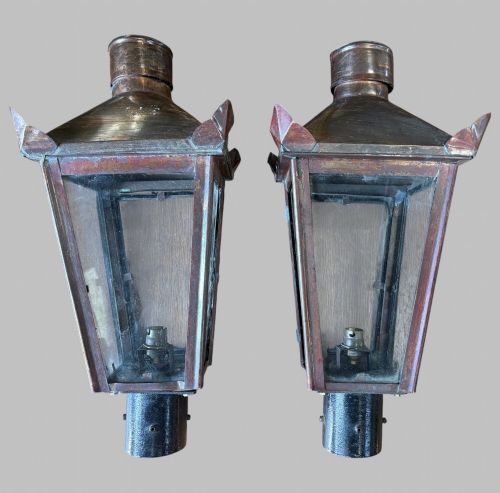
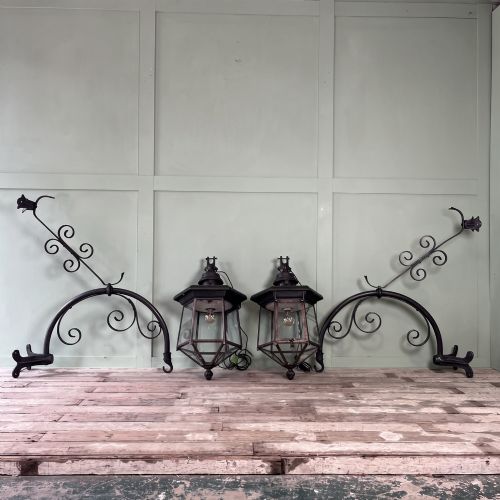
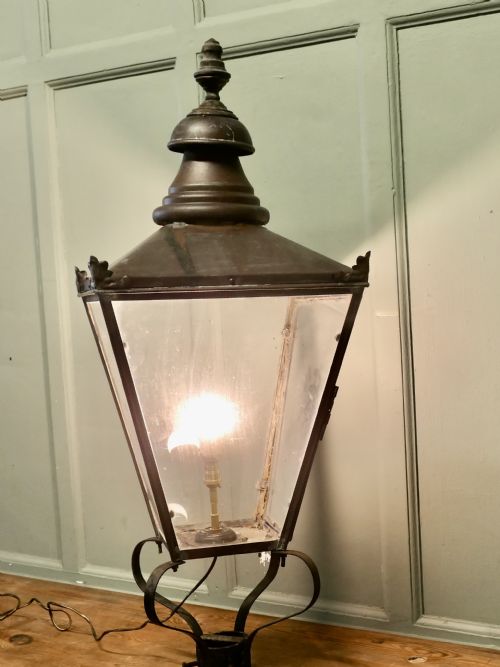
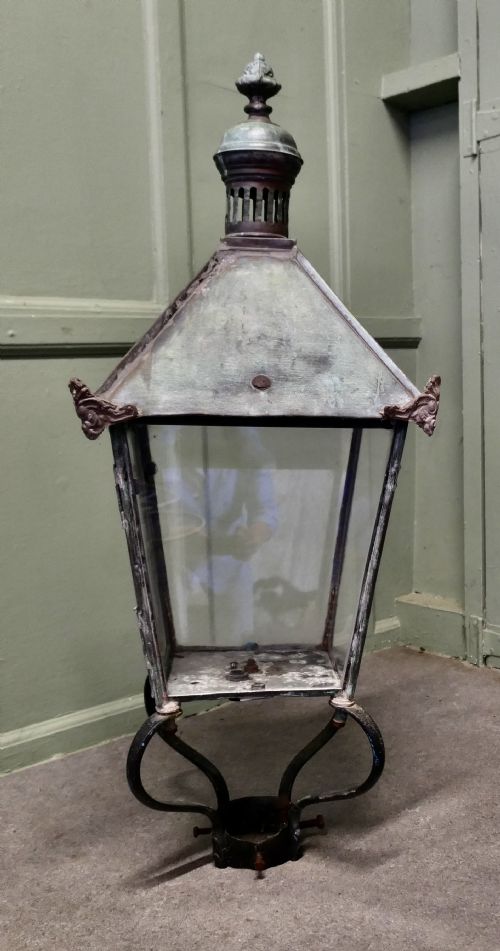
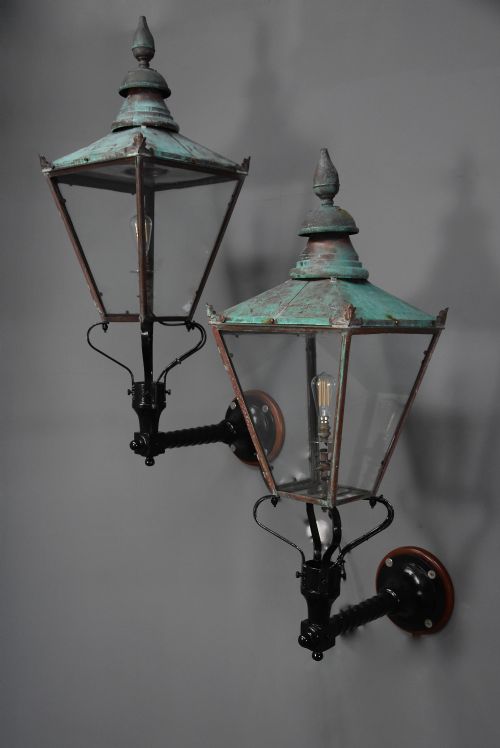
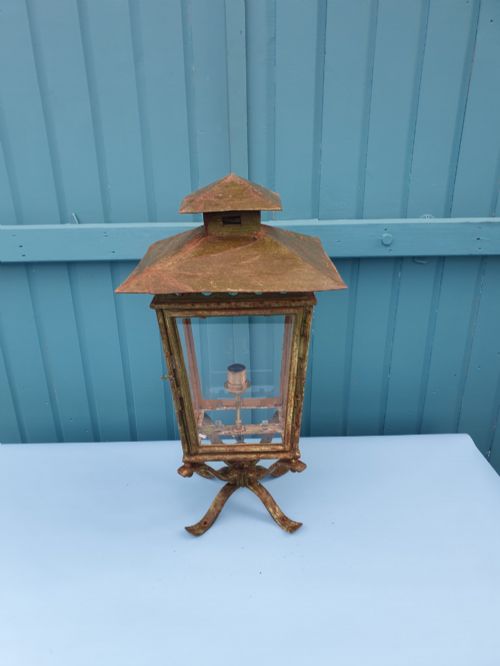
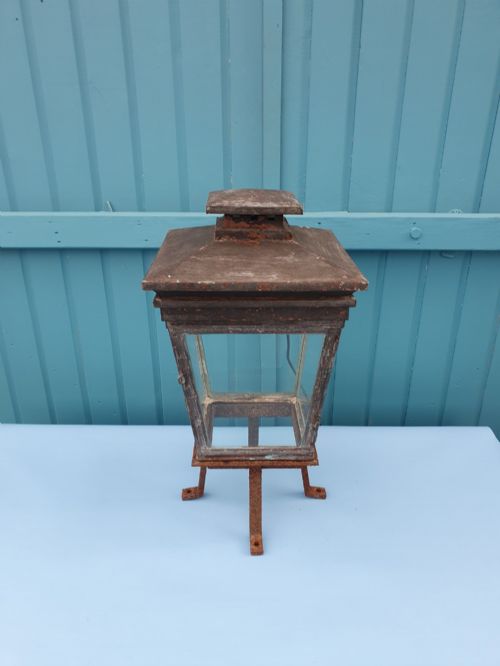
The most common variants on this page are copper and iron lanterns, often originally fuelled by gas before later conversion to electricity. Surviving examples frequently display industrial, Edwardian, Gothic Revival, or French styles. Buyers typically find fixtures suited for porch installation, garden walls, or mounting upon traditional lamp posts.
How they were made
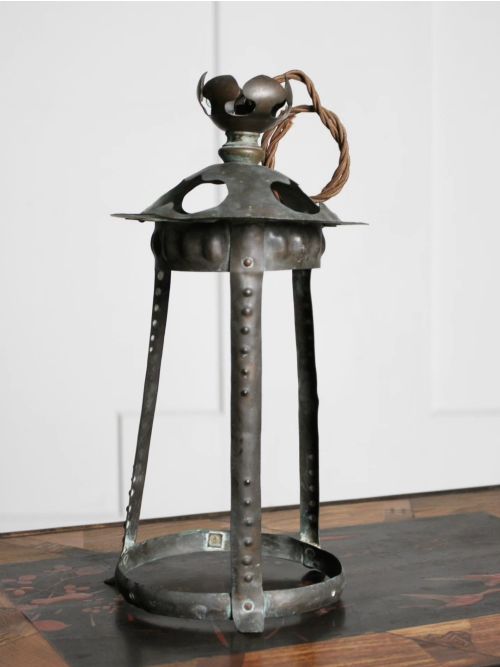
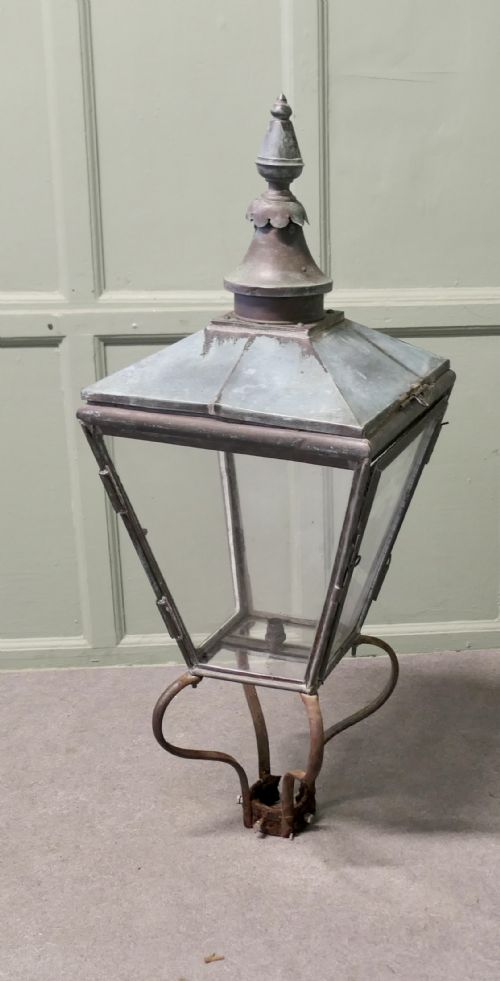
Maker workshops utilised durable metals capable of enduring harsh weather outdoors. Copper, cast iron, wrought iron, brass, zinc, and steel form the primary structural frameworks of these lanterns and brackets. Many pieces combine a robust metal body with glazed panels of glass or frosted glass to protect the internal flame or bulb.
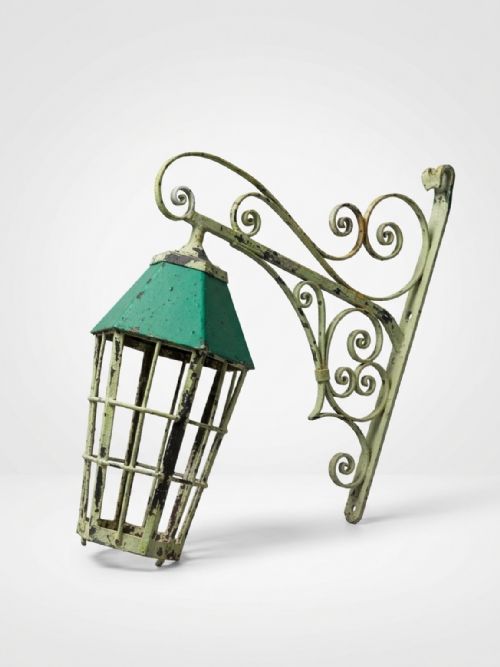
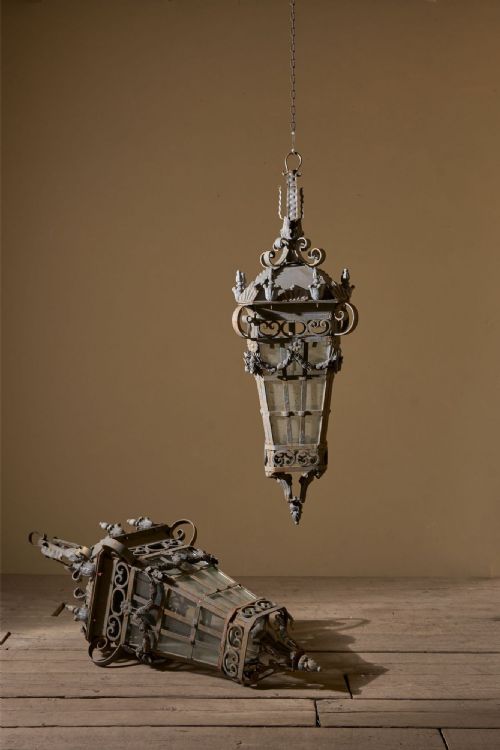
Construction techniques involved sheet metal shaping, casting, and hand-soldering or riveting structural joints. Surfaces often received protective treatments, resulting in verdigris patinas, green painted finishes, or dark iron surfaces. Fixtures designed for municipal streets or grand country houses incorporated elaborate cast brackets and decorative scrollwork.
One particularly spirited nineteenth-century porch light proudly incorporates cast metal shamrocks into its historic weather-resistant frame.
What varies in quality
Quality in these exterior fixtures depends heavily on the substance and thickness of the original metalwork. Finer examples feature heavy-gauge copper or substantial cast iron that maintains structural integrity over decades of exposure. Lighter steel or thinner sheet metals often show more pronounced wear from corrosion.
Artisanal detail also separates standard utility lamps from superior architectural pieces. Sophisticated bracket designs, such as spiral twists or cast ornamentation like shamrocks, indicate higher craftsmanship. The complexity of the frame geometry, whether simple octagonal shapes or elaborate neo-classical coach-house configurations, dictates the distinction.
REVO·A FOSTER & PULLEN BRADFORD·Revo Tipton·Daris
The Antique Outdoor Lighting Glossary
- Gas conversion
- The process of adapting an antique lamp previously fuelled by gas to run on modern electricity. This typically involves internal rewiring while retaining the original exterior burner fittings.
- Verdigris patinata
- A green or bluish crust formed on copper or brass surfaces through natural weathering and oxidation over time. This aged surface finish is frequently valued for its historic appearance.
- Post lantern
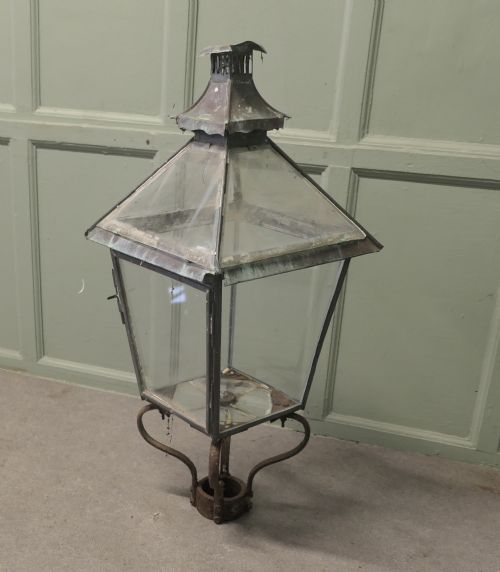
- A large exterior light fixture designed to be mounted directly onto a gate pier, masonry base, or freestanding vertical lamp post. These pieces often feature glass panels on multiple sides for maximum light distribution.
- Coach-house style
- A lighting design inspired by the lanterns historically mounted outside carriage houses and stables during the Victorian and Edwardian periods. They usually feature bracket mounts and protective overhangs.
- Swan neck
- A curved mounting bracket resembling the neck of a swan, commonly used to suspend street lamps and large wall lanterns away from the supporting surface.
Antique Outdoor Lighting: Frequently Asked Questions
Are these antique lights ready for outdoor wiring?
Many surviving fixtures have already undergone conversion from gas to electric operation during their long histories. Buyers should still inspect the internal wiring setup upon arrival.
Qualified electricians can easily adapt most metal lanterns for modern exterior electrical standards while preserving the original housing.
How do I identify a Victorian street light?
Victorian street lights typically feature heavy copper or cast iron construction with multiple glass panes. They often display period mounting brackets or gas conversion evidence.
These large outdoor pieces date from the nineteenth century and generally reflect industrial or Gothic Revival design influences.
What metals were commonly used for exterior lamps?
Maker workshops relied primarily on copper, cast iron, wrought iron, and brass to build durable exterior lamps. Steel and zinc also appear in various twentieth-century lighting designs.
These materials were chosen for their strength and weather resistance, frequently developing patinas over decades outdoors.
Can wall lanterns be mounted on brick?
Wall lanterns and half-lanterns include sturdy mounting brackets designed for exterior architectural placement. Installation requires appropriate fixings suited to brick or masonry surfaces.
Bracket styles range from simple iron bars to sophisticated spiral twist supports.