


Edwardian Post Lights
Edwardian post lights bring authentic period character to property boundaries, combining robust metalwork and glass to illuminate pathways with traditional street-side charm.
Edwardian Post Lights
When you search for edwardian post lights, you are examining robust exterior illumination fixtures designed for mounting on gate piers, boundary walls, and street poles. These fittings originate from distinct eras spanning the late nineteenth century through to the interwar decades, reflecting practical municipal and domestic lighting requirements.
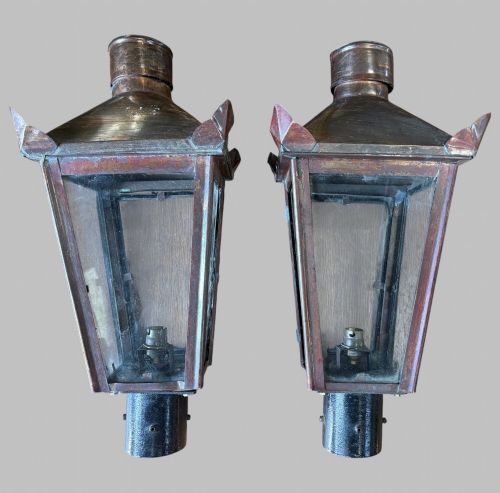
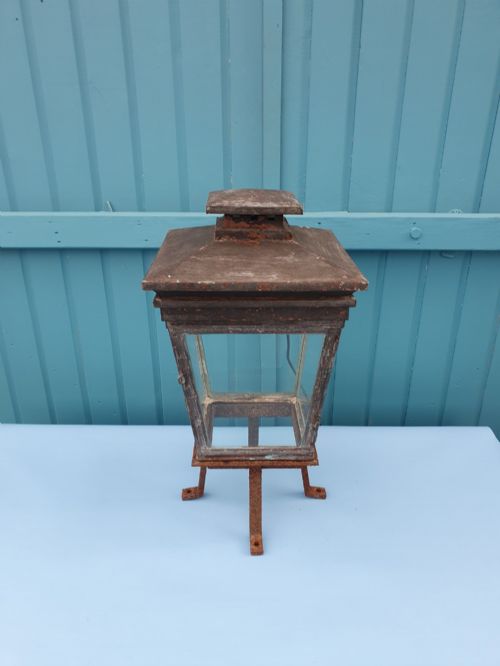
The selections available here predominantly feature copper, brass, and iron constructions paired with protective glass panels. Forms range from domestic newel post lamps meant for entrance halls to large street lamps and outdoor lanterns adapted from original gas systems.
Makers and manufacturers of the period utilised durable metals capable of withstanding outdoor exposure while maintaining formal architectural proportions. Buyers encounter various formats, including pairs of copper post lanterns and substantial brass fixtures designed to sit prominently upon architectural bases.
Materials and construction
Makers constructed these outdoor fixtures using sheet copper, brass, and cast or wrought iron, soldered or riveted together to form weather-resistant enclosures. Metal components often accommodated early gas lighting systems before later conversions to electricity.
Glass panels were fitted securely into metal frames to protect the internal flame or bulb from wind and rain. Heavier mountings incorporated cast iron bases and brackets designed to bear the structural weight of large lanterns on stone pillars and street posts.
Materials represented across the inventory include copper, brass, iron, and glass.
Assessing quality and authenticity
Superior examples demonstrate heavier gauge metalwork and more substantial structural bracing, ensuring the fixture retains its original rigidity outdoors. The integrity of the original soldered joints and the weight of the cast components indicate higher standards of period manufacture.
Quality also rests in the preservation of original surfaces, fixings, and glass configurations rather than later replacement parts. Pieces that retain their genuine mounting brackets and authentic conversion history command greater interest among collectors.
A Foster & Pullen Bradford
The Edwardian Post Lights Glossary
- Newel post lamp
- A decorative light fixture mounted on the uppermost post of a staircase or at the base of an entrance hall pier. These interior and semi-exterior fittings often feature brass or copper construction.
- Standard lamp
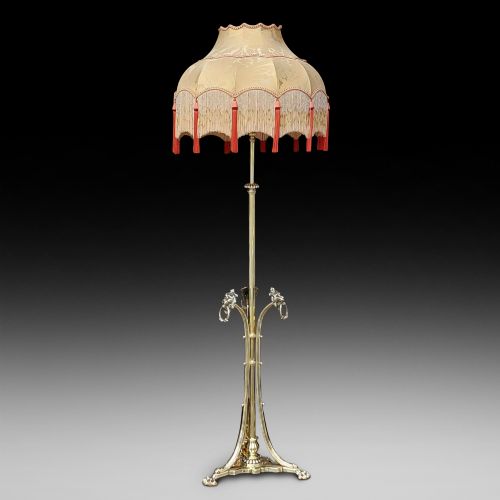
- A freestanding vertical floor lamp designed to hold an oil reservoir or electric bulb. Nineteenth-century versions frequently incorporated adjustable brass columns.
- Street lamp
- A large municipal lighting fixture engineered to mount upon a pole or bracket for public thoroughfares. They are typically constructed from heavy copper and iron.
- Gas conversion
- The technical adaptation of an antique lighting fixture originally designed to burn coal gas into an electric fitting. This process preserves the original metal casing while updating the internal mechanism.
Edwardian Post Lights: Frequently Asked Questions
Can these post lights go outside?
Many of these pieces were originally manufactured as exterior street lamps or outdoor lanterns designed to withstand the elements. However, checking the current wiring and weatherproofing status is essential before outdoor installation.
Buyers often consult electricians to ensure vintage copper and iron fixtures meet modern exterior safety standards while retaining their period housings.
How are old gas lamps converted?
Original gas lanterns are typically adapted by running modern electrical wiring through the historic burner assembly and securing an internal bulb socket. This allows the antique copper or brass housing to function safely with contemporary electricity.
The conversion process preserves the external aesthetic of the nineteenth and early twentieth-century metalwork without altering the principal structure.
What metals were used?
Makers relied heavily on copper, brass, and iron for durability against outdoor weather conditions. Sheet copper and brass were favoured for the main lantern bodies due to their corrosion resistance.
Cast iron and wrought iron frequently provided the heavier structural support frames, mounting brackets, and bases required for secure installation.
How do I date these lights?
Dating relies on examining construction techniques, material gauges, and specific design markers associated with late nineteenth and early twentieth-century manufacturing. Structural fastening methods and style details help place pieces within the Victorian, Edwardian, or later interwar periods.
Matching the form against municipal or domestic lighting catalogues from the era provides further chronological clarity.