


Outdoor Post Light
An outdoor post light brings historical character to a garden path or gate, offering solid construction in copper, iron, and glass.
Outdoor Post Light
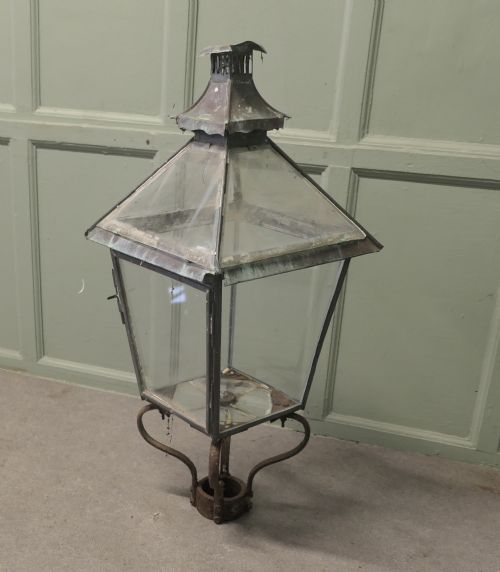
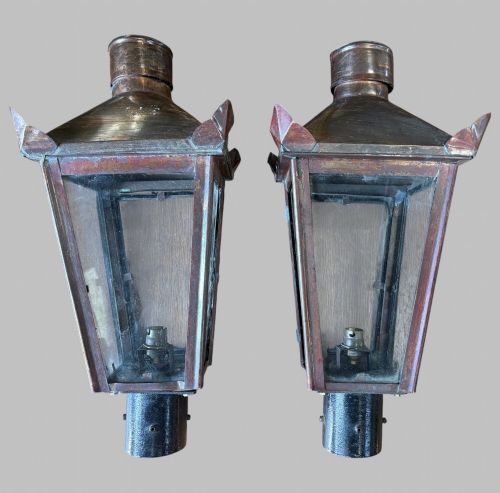
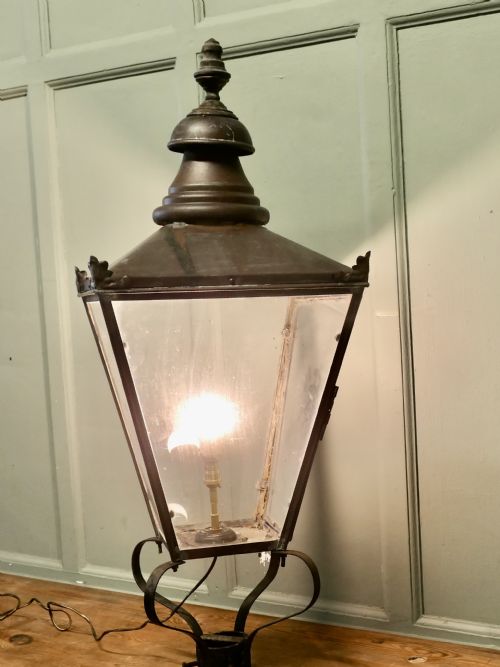
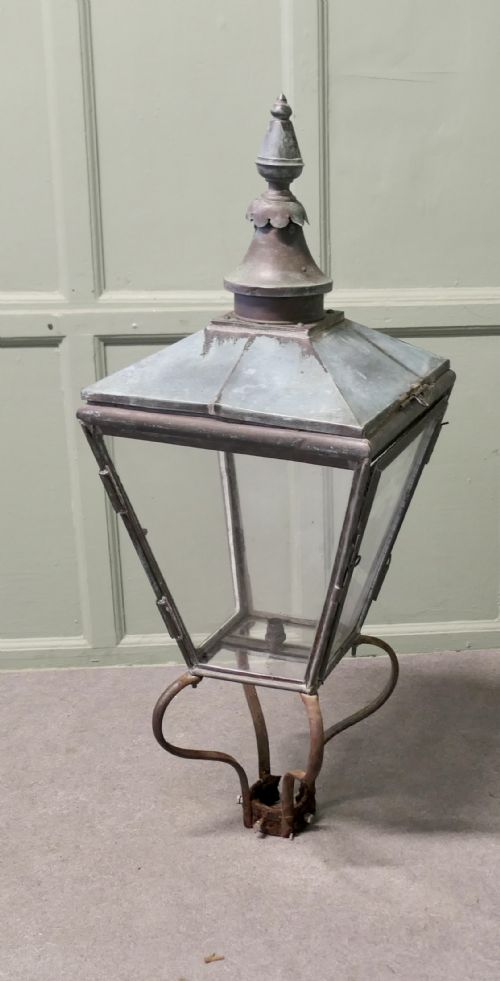
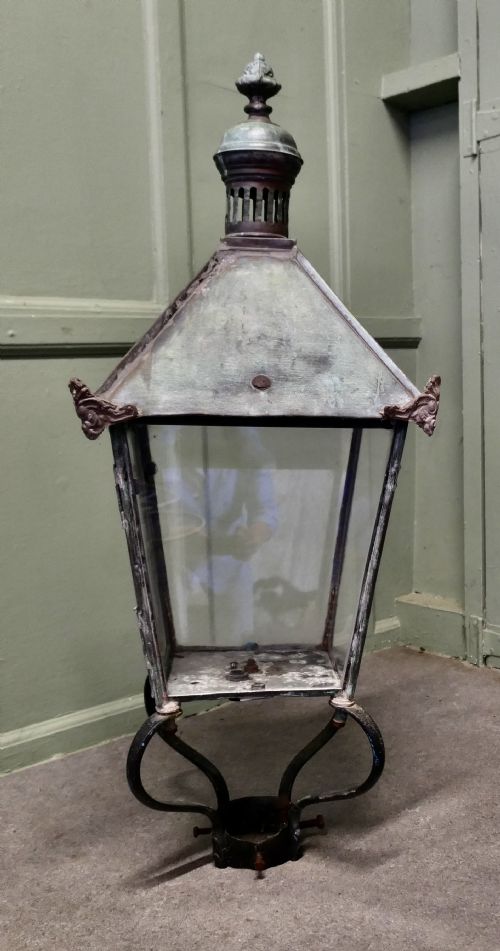
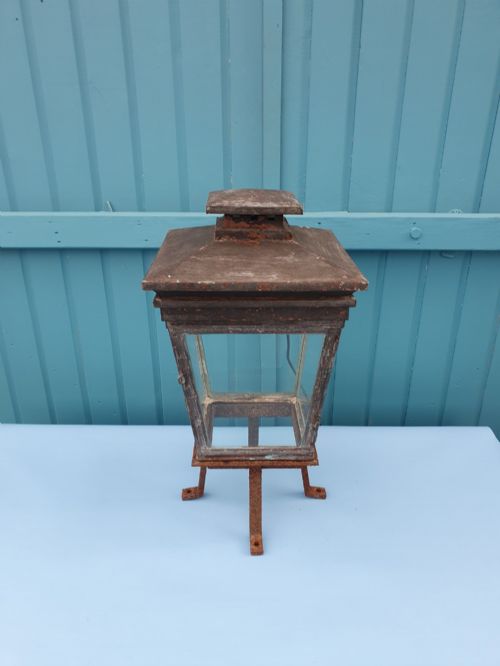
When you search for an outdoor post light, you encounter substantial metal lanterns and street lamps originating from the Victorian period through the early twentieth century. These pieces encompass copper street lights, gate post lanterns, and lamp posts designed to stand exposed to the elements.
The versions most commonly met on this page are generous nineteenth-century copper lanterns, frequently paired with iron bases or lamp posts. Many of these forms originate from street lighting and were later adapted from gas or oil operation.
Makers and regional hubs such as Bradford and Edinburgh are represented alongside industrial styles. Forms range from simple circular street lamps to large swan neck lamp posts.
How they were made
Makers constructed these lanterns using heavy sheet copper combined with iron and cast iron for structural posts and mounting bases. Glass panels secured within the metal framework protect the flame or bulb from wind and rain.
Construction techniques involve riveted and soldered metal joints built to withstand decades of outdoor use. Surfaces often show the natural weathering of copper and iron over time.
Listings span the Victorian era through the 1930s, featuring materials such as copper, cast iron, and glass.
What varies in quality
The standard of an outdoor post light depends upon the weight of the metal and the integrity of the original construction. Heavier copper gauges and robust cast iron mounts indicate superior durability and proportion.
The presence of maker marks, intact original glazing bars, and untouched gas conversion details elevate the interest of a piece. Finer examples maintain crisp metal edges and balanced proportions across the lantern body and collar.
A Foster & Pullen Bradford·Revo Tipton
The Outdoor Post Light Glossary
- Copper
- A durable metal used extensively for lantern bodies due to its resistance to corrosion outdoors. It develops a natural patina over time.
- Cast iron
- A heavy, rigid iron alloy utilised for lamp posts and heavy bases. It provides the necessary weight to anchor tall street lamps securely.
- Swan neck
- A curved metal arm shape that suspends a lantern outward from a post. This profile is characteristic of early twentieth-century industrial street lighting.
- Gas conversion
- The historical alteration of a lantern from gas or oil to electrical wiring. This process often leaves characteristic internal burner modifications.
Outdoor Post Light: Frequently Asked Questions
How do I install an outdoor post light?
Most antique post lights require a secure concrete footing and professional electrical wiring to connect safely to mains power.
Working with an experienced electrician ensures the heavy metal base and internal fittings meet modern safety standards while preserving the antique housing.
Were these lights originally gas?
Many surviving street lanterns and post lights were built during the nineteenth and early twentieth centuries to burn gas or oil before being adapted for electricity.
Evidence of this past use can often be seen inside the lantern housing where original burners were removed to accommodate modern lamp holders.
How do I date an outdoor post light?
Dating relies on examining the manufacturing techniques, metal types, and design styles characteristic of periods like the Victorian era or the 1930s.
Makers' stamps, rivet styles, and structural forms provide reliable clues to place a lantern within its specific decade.
Can I leave copper outside?
Copper is naturally resilient against outdoor weather conditions and forms a stable protective patina when exposed to rain and air.
This weathered finish is desired by collectors because it protects the underlying metal and shows genuine age.