

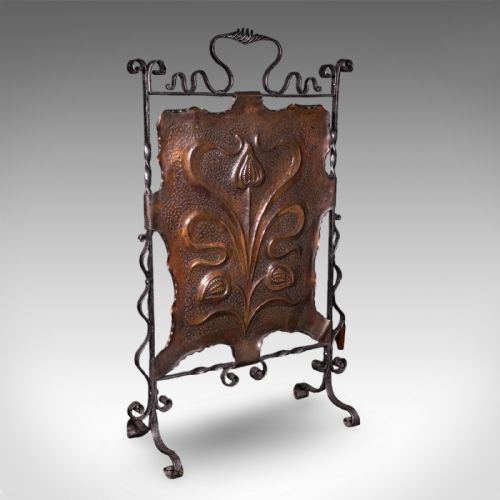


Copper Fire Irons
Copper fire irons are practical hearth accessories that combine metalwork with warmth, and you want them for their period character beside the grate.
Copper Fire Irons
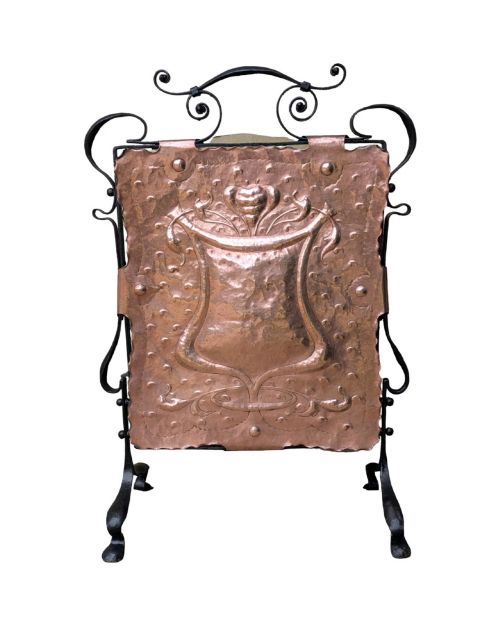
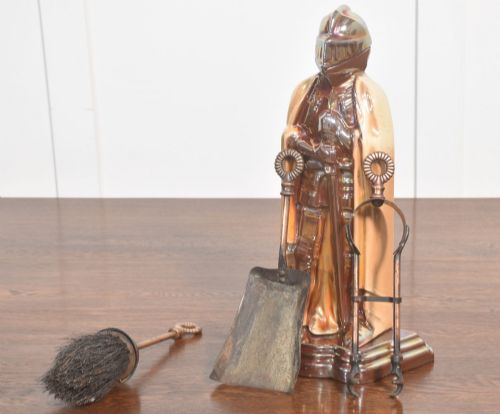
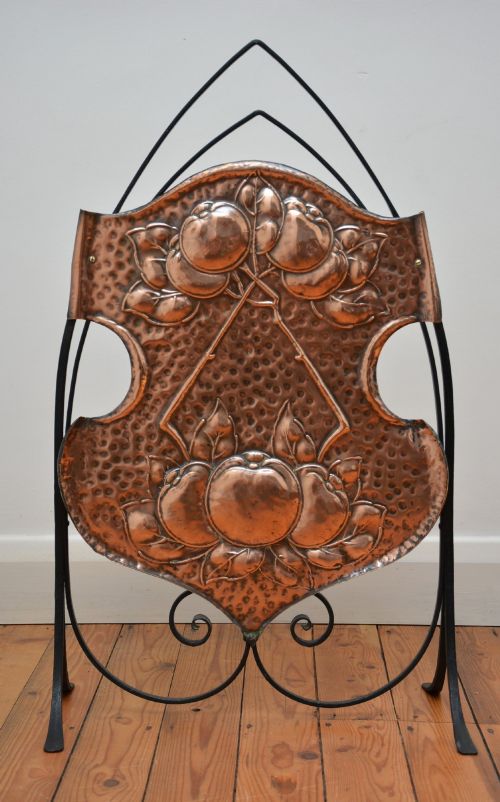
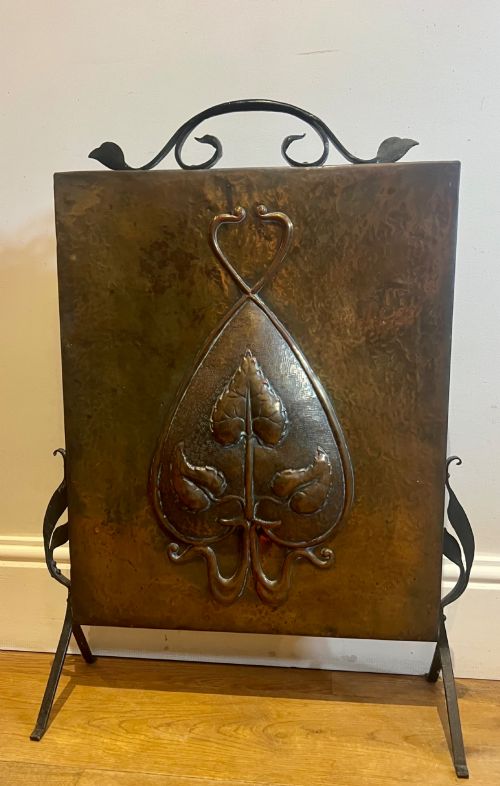
The selections span the Victorian era, the nineteenth century, and the early twentieth century, showing influences from the Arts and Crafts and Art Nouveau movements. You most frequently meet sets incorporating iron stems with hammered copper details or companion sets displayed on dedicated stands.
Materials and Manufacture
Makers combined copper with iron, wrought iron, and brass to build durable hearth tools that could withstand daily use near heat. Iron provided the structural strength required for pokers and tongs, while copper formed decorative panels, bowls, and handle details.
Artisans applied hand-beating, riveting, and repoussé techniques, particularly seen in Arts and Crafts and Art Nouveau examples from the nineteenth and early twentieth centuries. Surfaces often retained visible hammer marks and patinated finishes that developed through exposure to domestic fires.
Copper Fire Irons Retail Price Guide 2026
Typical asking prices for copper fire irons among the pieces listed under this phrase on Sellingantiques today, from the lower quarter to the upper quarter. They describe what is for sale here now, not the wider market.
Listings feature items spanning the Victorian era, the nineteenth century, and the early twentieth century, incorporating wrought iron, brass, and copper.
Assessing Quality
Quality rests upon the weight of the metal and the integrity of the joins between the copper components and the iron stems. Superior examples display substantial gauge metal rather than thin plating, ensuring the tools remain rigid when lifting heavy logs or coal.
Design execution distinguishes standard production from finer workshop pieces, particularly in the hand-finished details of Arts and Crafts handles and backplates. A well-balanced toolset feels solid in the hand and sits securely within its stand or hangs evenly from its rack.
The Copper Fire Irons Glossary
- Companion set
- A collection of fireplace tools, such as tongs, pokers, and shovels, usually arranged together on a stand or hung from a frame. These sets kept all necessary hearth maintenance implements within easy reach of the fire.
- Andirons
- Also known as fire dogs, these are horizontal metal supports placed in a hearth to hold logs above the base of the fireplace. They often feature decorative brass or copper fronts that face into the room.
- Repoussé
- A metalworking technique where the artisan hammers the metal from the reverse side to create a raised design on the front. This method was widely utilised in Arts and Crafts copper panels and fire screens.
- Arts and Crafts
- A design movement valuing handcraftsmanship, natural materials, and simple forms over mass-produced ornamentation. Pieces from this style frequently showcase exposed rivets and hammered copper surfaces.
- Fender
- A low metal guard placed on the floor around the hearth to contain stray embers and ash. They often incorporate copper and iron rails that match the associated fire irons and companion sets.
Copper Fire Irons: Frequently Asked Questions
How do I clean copper fire irons?
Clean the metal gently with a soft cloth to remove dust and soot without stripping the aged surface.
Avoid harsh chemical dips that remove the dark patination accumulated over decades of hearth use.
Are these fire irons meant for daily use?
Many sets are robust enough for regular tending of an active coal or wood fire.
Heavier decorative pieces from the Arts and Crafts period function equally well as display items beside an unused fireplace.
What is the difference between brass and copper irons?
Copper elements typically display a reddish-pink hue and were frequently hand-hammered by Arts and Crafts metalworkers.
Brass parts offer a brighter golden tone and tend to appear in Victorian Neoclassical or Georgian formal fireplace setups.
How do I date an antique fire iron set?
Examine the construction methods, such as hand-cut threads, riveted joints, and distinct stylistic markers from the Arts and Crafts or Art Nouveau periods.
Nineteenth-century pieces often show heavier iron forging alongside simpler turned handles compared to later twentieth-century variants.