



Copper Cachepot Vessel
A copper cachepot vessel brings warmth and texture to a room, holding indoor plants with quiet, metallic charm.
Copper Cachepot Vessel
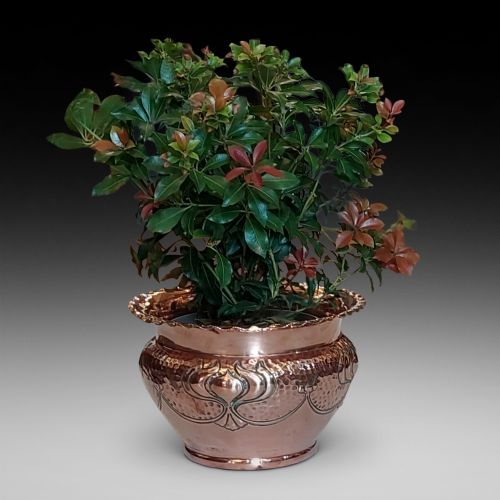
A copper cachepot vessel is essentially a decorative pot or jardiniere designed to house a potted plant without direct planting inside the metal itself. These pieces appear across several distinct periods, including the Victorian, Edwardian, and eighteenth centuries, reflecting changing domestic tastes for interior greenery.
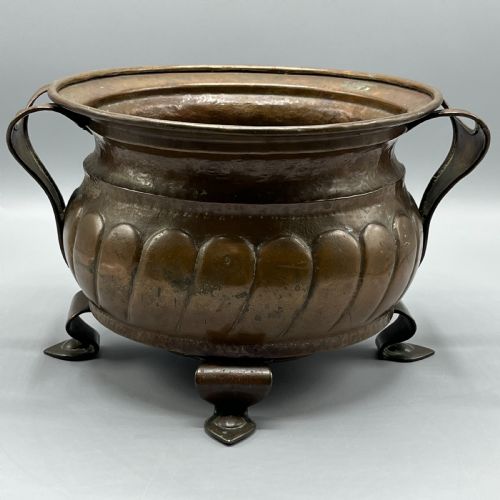
Most examples found on this page lean towards the Arts and Crafts and Art Nouveau styles, where hand-wrought metalwork takes precedence over plain industrial surfaces. Forms range from simple cylindrical planters to heavier buckets and French château style vessels in solid copper.
While the majority originate from the nineteenth and early twentieth centuries, occasional older or foreign pieces such as a Qing Dynasty Chinese Canton enamel jardinière broaden the aesthetic range. Buyers encounter these vessels under various overlapping names, including planters, jardiniieres, and fireplace accessories.
Materials and construction
The primary material across these listings is solid copper, frequently accented with brass handles, rims, or rivets to provide structural contrast. Artisans also utilised tin linings and enamel surfaces, notably seen in pieces like the eighteenth-century Canton enamel examples.
Techniques relied heavily on metal shaping and surface ornamentation, with French pieces demonstrating repoussé work where designs are hammered into relief from the reverse side. Arts and Crafts makers favoured hand-beaten finishes that display the physical touch of the hammer upon the metal.
Copper Cachepot Vessel Retail Price Guide 2026
Typical asking prices for copper cachepot vessel among the pieces listed under this phrase on Sellingantiques today, from the lower quarter to the upper quarter. They describe what is for sale here now, not the wider market.
Some of these industrious little vessels have spent more time holding ferns than their makers ever imagined possible.
Distinctions in quality
Quality in a copper cachepot vessel rests upon the gauge of the metal and the integrity of the construction rather than mere surface shine. Heavier, solid copper constructions hold their shape better and develop a deeper, more organic patina over decades of handling.
Artisanal execution defines the upper tier of these pieces, particularly in the crispness of repoussé detailing and the careful joining of brass fittings. Lesser examples rely on thin gauge sheeting with stamped decoration that lacks the depth and individual character of hand-worked items.
The Copper Cachepot Vessel Glossary
- Cachepot
- An ornamental receptacle designed to hold a flowerpot and conceal its utilitarian container. The term translates from French as hiding pot.
- Jardiniere
- A large ornamental pot or stand for plants, frequently used interchangeably with planter in nineteenth-century contexts. These pieces sit on floors or tabletops.
- Repoussé
- A metalworking technique where the artisan hammers the metal from the reverse side to form a raised design in relief. This method creates tactile, three-dimensional surface patterns.
- Arts and Crafts
- A design movement valuing traditional craftsmanship, simple forms, and visible maker marks over mass production. Pieces from this era often feature hand-beaten copper surfaces.
Copper Cachepot Vessel: Frequently Asked Questions
What is a copper cachepot vessel used for?
These vessels serve primarily as decorative containers for indoor potted plants, hiding standard plastic or terracotta flowerpots. They bring metallic warmth and historical character to tabletops, windowsills, or hearths.
Historically, they also functioned as decorative buckets or jardiniere stands within domestic interiors, holding greenery to soften the architectural lines of nineteenth-century rooms.
How do I care for antique copper?
Antique copper requires minimal intervention, and most collectors prefer to preserve the natural dark patina that accumulates over decades. Regular dusting with a soft cloth is sufficient for daily maintenance.
Avoid abrasive cleaners or harsh chemical polishes that strip away the historical surface character and leave the metal unnaturally bright.
Can I plant directly inside the vessel?
Direct planting is generally discouraged because moisture and damp soil accelerate corrosion and can damage the historical metal or interior tin lining. Using a separate inner plastic pot protects the vessel while allowing for easy watering.
If moisture does enter the container, wipe it dry promptly to prevent water spotting and preserve the integrity of the copper.