




Copper Brass Wall Platter
These copper brass wall platter selections bring together hammered metalwork, intricate silver inlays, and diverse revival styles from the nineteenth century for interior display.
Copper Brass Wall Platter
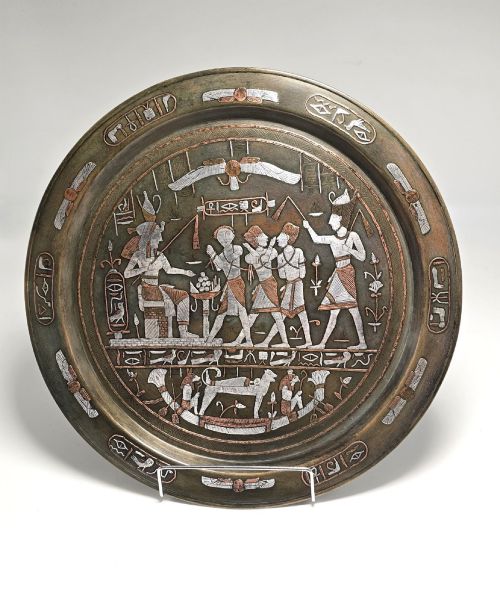
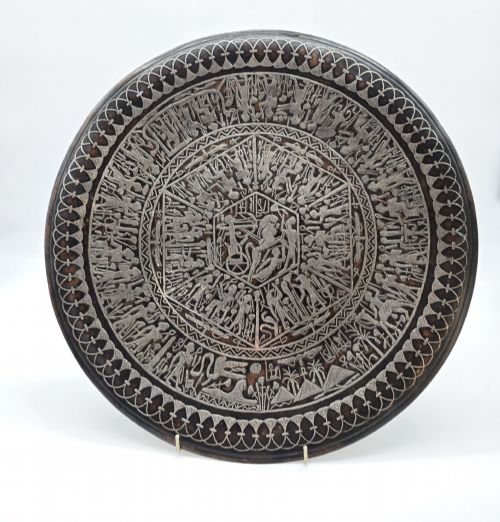
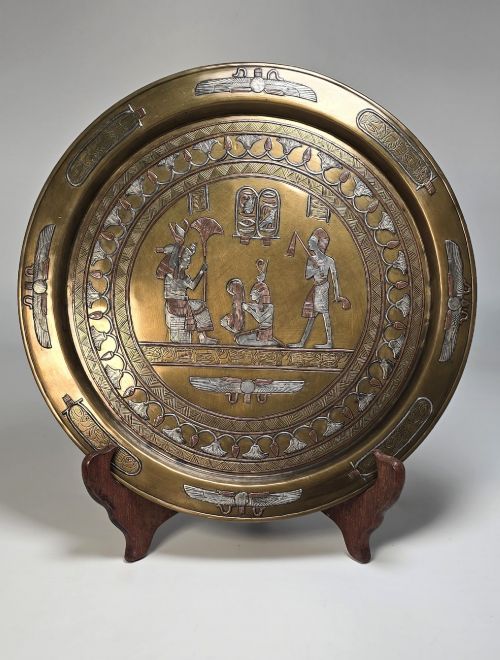
When you search for a copper brass wall platter, you are looking at large decorative chargers, plaques, and trays designed primarily for display rather than service. These pieces originate from various global traditions spanning the nineteenth century, including Middle Eastern Cairo Ware, Japanese Meiji period cloisonne enamel, and Anglo-Indian Raj metalwork.
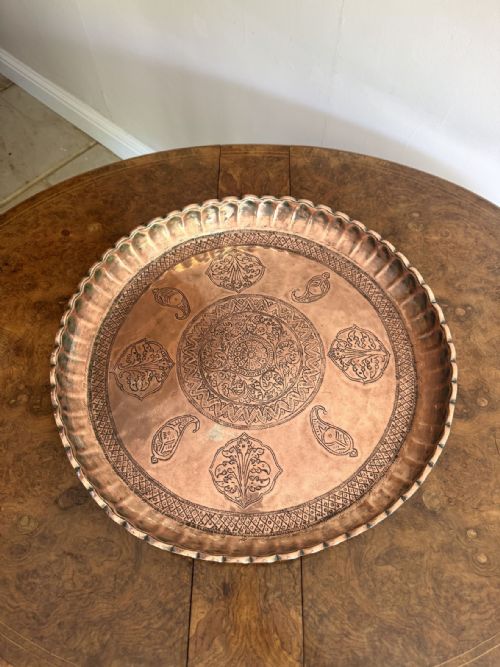
You are most likely to meet large circular dishes featuring mixed metal elements, hammered surfaces, or intricate inlaid designs. The forms range from Egyptian Revival silver-inlaid bronze chargers to Indian brass and copper repousse work and hammered British arts and crafts plaques.
Materials and construction
These items rely on combinations of copper, brass, bronze, and silver, frequently worked through repousse and hammering techniques. Artisans shaped the base metal plates by hand before applying surface decoration or raising the outer borders.
Many examples incorporate inlaid metals such as silver or mixed metal details to create contrasting patterns. Enamel work and hand piercing further define the decorative finishes found across the different stylistic origins.
Copper Brass Wall Platter Retail Price Guide 2026
Typical asking prices for copper brass wall platter among the pieces listed under this phrase on Sellingantiques today, from the lower quarter to the upper quarter. They describe what is for sale here now, not the wider market.
Materials recorded across the selection include copper, brass, silver, bronze, patinated copper, enamel, and mixed metal compositions.
Distinctions in standard
The standard of a copper brass wall platter rests upon the crispness of the hand-hammered detail and the precision of any silver inlay work. Pieces demonstrating deep repousse relief or careful hand-piercing display a higher level of artisanal engagement.
The integration of mixed metals and the complexity of the decorative motifs distinguish the more ambitious studio outputs from standard commercial production. Preservation of the original patinated surface also influences how successfully the piece retains its visual depth.
The Copper Brass Wall Platter Glossary
- Repousse
- A metalworking technique where the artisan hammers the material from the reverse side to form a raised design in relief on the front. This method creates the three-dimensional pictorial scenes and borders seen on many chargers.
- Cairo Ware
- Nineteenth-century metalwork produced in Egypt, typically featuring heavy brass or bronze bodies inlaid with intricate silver and copper wire calligraphy or geometric motifs. These items were popular during the Grand Tour era.
- Cloisonne
- An ancient technique for decorating metalwork objects with coloured glass paste held within thin metal strips soldered to the base. Japanese examples often depict natural scenes with birds and mountaintops.
- Charger
- A large ornamental plate or dish intended for wall display or ceremonial presentation rather than everyday dining. They provide a broad canvas for detailed engraving and metal inlay.
- Patinated Copper
- Copper that has developed a controlled surface coloration or aged skin through oxidation or chemical treatment. This finish accentuates the tactile quality of the metal.
Copper Brass Wall Platter: Frequently Asked Questions
How were these metal platters originally displayed?
Many of these large chargers and plaques were created for interior decoration, hung directly on walls or mounted upon wooden plate racks to showcase their intricate metalwork. During the nineteenth century, travellers collected them abroad to exhibit their worldly tastes in domestic reception rooms.
Today, they function well as focal points above mantelpieces or within hallway spaces. Their substantial diameters allow them to anchor a wall arrangement effectively.
How do I identify Cairo Ware pieces?
Cairo Ware items typically feature dark patinated copper, bronze, or brass surfaces decorated with dense silver inlay work, often taking the form of Arabic script or geometric bands. They reflect the revival of traditional Islamic metalwork techniques in Egypt during the late nineteenth century.
These pieces frequently emerge from the Grand Tour period, combining Middle Eastern craftsmanship with European collector demand.
What is the difference between a tray and a charger?
While both share a circular or oval metal format, trays generally feature flat bases and handles intended for carrying objects. Chargers possess a rigid structure designed specifically for display, often with a deep well and wide decorative rim.
Many antique examples bridge this distinction by featuring integrated hanging loops alongside sturdy bases.
How do I care for mixed metal wall pieces?
Maintenance requires gentle dusting with a soft, dry cloth to prevent the accumulation of particulates within the recessed hammered patterns. Avoid harsh chemical polishes that can strip away the original patinated surfaces or damage delicate silver inlays.
Keeping the metal away from damp environments ensures the copper and brass retain their stable historical coloration.