




Coopered Wooden Bucket
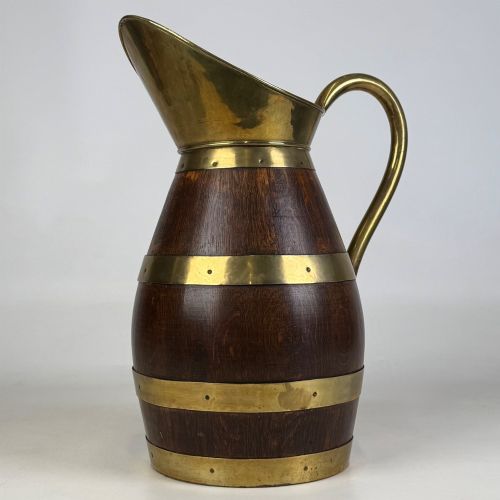
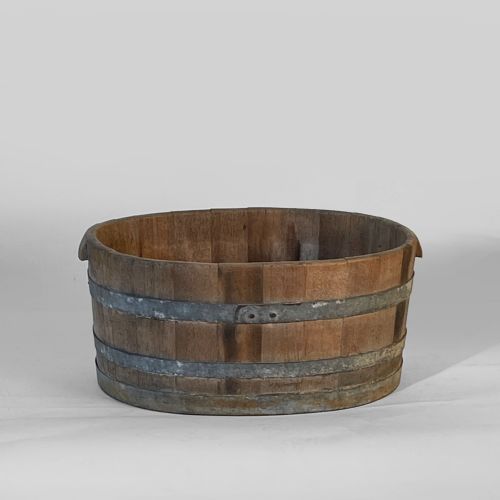
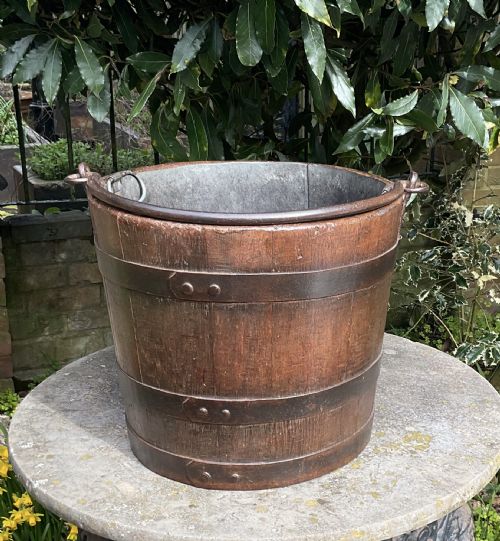
These coopered wooden bucket examples are solid vessels built with stave construction and metal bands, prized for their traditional utility and tactile warmth.
Identifying coopered wooden bucket pieces
When you search for coopered wooden bucket designs, you encounter stave-built containers created for utilitarian domestic tasks. The selections on this page span the Georgian and Victorian eras, reflecting centuries of practical woodwork.
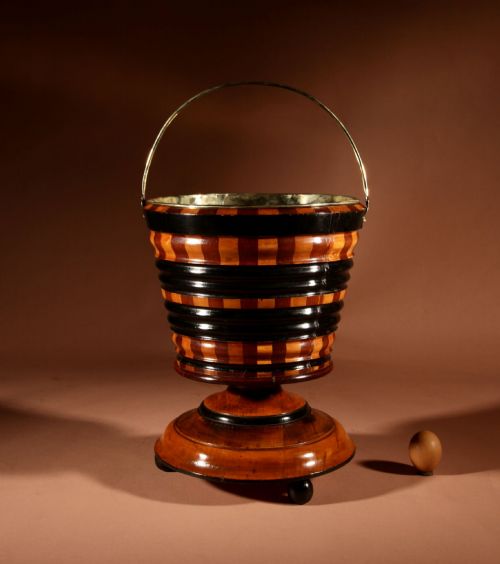
The primary forms appearing here include fireside bins, log bins, and specialised vessels such as a Dutch teestoof bucket. These pieces bridge the gap between heavy-duty storage and display items by the hearth.
Origins represented in the inventory range from English workshops to Dutch traditions. Woods such as oak, walnut, fruitwood, and mahogany dominate the construction, often reinforced with brass accents.
Construction and materials
Makers formed these vessels using narrow vertical wooden staves fitted tightly together around a base. This traditional cooperage technique creates a self-supporting cylinder or tapered shape without modern adhesives.
Metal bands, predominantly brass, encircle the wooden staves to maintain tension and structural integrity. These hoops serve both a functional purpose in holding the vessel together and a decorative role.
Retail Price Guide 2026
Typical UK retail prices for coopered wooden bucket, calculated from the Sellingantiques database of over a million retail prices indexed since 2003. This retail price guide relies exclusively on Sellingantiques data; no external sources or auction records are used, so the figures do not describe the wider market.
Listings feature woods including oak, walnut, fruitwood, and mahogany, paired with brass fittings across the 19th century and Georgian periods.
Judging quality in coopered vessels
Quality rests upon the precision of the stave joints and the selection of timber, where tightly grained oak or rich walnut elevates a piece above standard utility items. The integration of the base and the weight of the brass work also separate standard containers from finer examples.
Proportion and form dictate visual success, distinguishing a well-balanced George III peat bucket or triangular fireside bin from heavier, clumsier forms. Patina accumulated across the wood over the 19th century and earlier periods provides a true measure of age and care.
The Coopered Wooden Bucket Glossary
- Cooper
- A craftsman who builds wooden vessels from staves that are bound together with hoops. This trade represents one of the oldest forms of woodworking.
- Stave
- A narrow strip of wood with bevelled edges that forms the sides of a bucket or tub. Multiple staves lock together under tension.
- Teestoof
- A Dutch foot warmer or small heating vessel, often of coopered construction. These items held hot embers to warm domestic spaces.
- Peat bucket
- A container specifically designed to hold dried turf or peat for fuel near a hearth. They often feature robust brass handles and heavy timber walls.
Frequently Asked Questions
What were coopered buckets used for?
These vessels served heavy domestic chores, primarily holding coal, logs, or peat for fireside hearths. Their sturdy stave construction made them ideal for carrying and storing dense materials.
Over time, many of these utilitarian containers transitioned into decorative interior pieces. Today they function commonly as log bins or umbrella stands in traditional and modern homes alike.
How do I date a wooden bucket?
Dating relies heavily on wood species, construction methods, and the style of any metal bands or handles. Georgian pieces often display specific timber choices like mahogany or walnut alongside refined brasswork.
Nineteenth-century examples frequently show heavier rustic farmhouse traits or distinct regional forms such as Dutch traditional shapes. Examining the wear patterns on the base and staves also aids in determining age.
Are these buckets waterproof?
Traditional coopered vessels rely on the swelling of wood staves against tight metal hoops to hold liquids. Antique examples may have dried out over the centuries, compromising this seal.
It is generally wiser to use liners if employing antique buckets for live plants or water. Most owners today keep them dry for fireside storage rather than active liquid containment.
How do I care for antique wood and brass?
Maintenance involves keeping the timber nourished with appropriate wax to prevent drying and cracking. Avoid placing these pieces near direct heat sources like active radiators.
Brass bands benefit from gentle dusting and occasional cleaning without harsh chemical polishes. Preserving the natural patina remains the priority for antique wooden containers.