





Converted Vase Table Light
A converted vase table light brings centuries of ceramic and metal craft into a domestic interior, pairing historic vessels with modern illumination.
Converted Vase Table Light
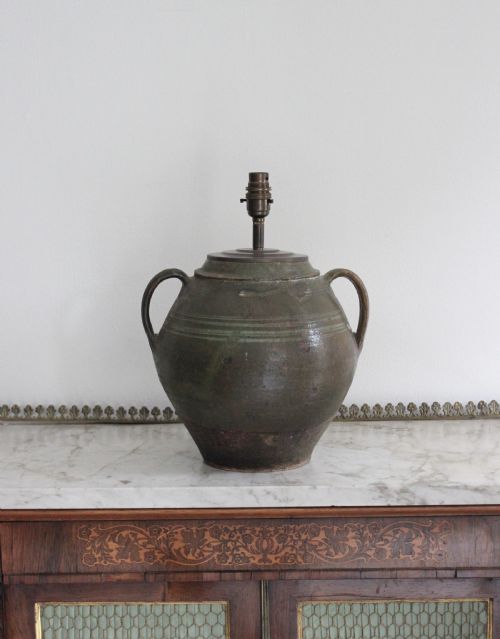
A converted vase table light transforms antique vessels from the seventeenth century through to the early twentieth century into functional illumination for interiors. These pieces take ceramic, bronze, or enamel vessels from origins including China, Japan, and France and adapt them with electrical fittings.
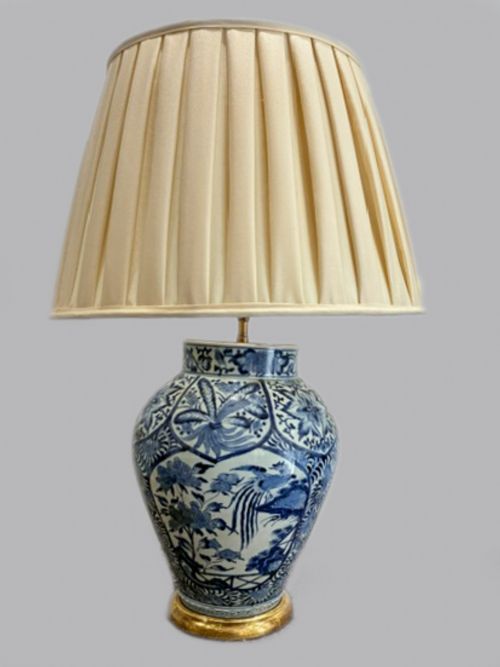
The versions met most frequently on this page date from the nineteenth century, drawing heavily on Chinese Export porcelain, Japanese Meiji period bronzes and ceramics, and European porcelain traditions. Forms range from blue and white crackleware and powder blue vases to Satsuma, Kutani, and Imari wares.
Buyers select these lamps to anchor a room with a specific historic palette, utilising baluster vases, spill vases, and brush pots fitted for fabric or silk shades. Each piece preserves the decorative language of its original period, whether Chinoiserie, Qing Dynasty, or Regency.
Materials and construction
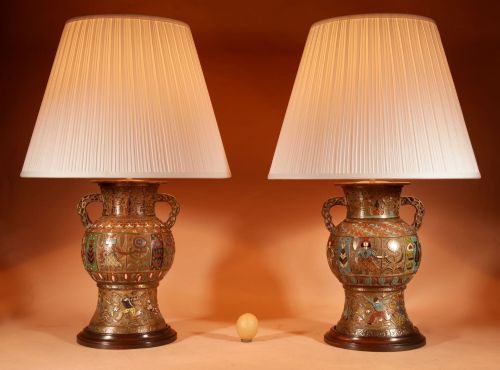
Makers utilised durable ceramic bodies such as ironstone, Delft earthenware, and hard-paste porcelain, alongside cast metals including bronze, brass, and gilt bronze or ormolu. Surface decoration frequently involves hand-painted enamels, famille noure, rose medallion palettes, and champlevé or cloisonné enamel work.
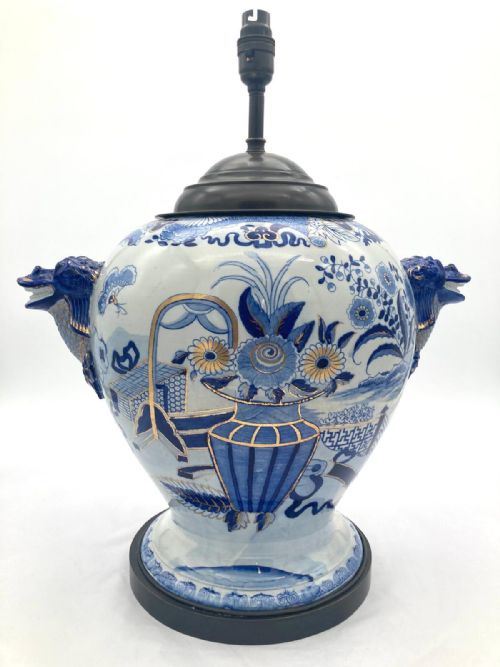
Conversion methods respected the structural integrity of the original vessel, mounting the body on metal bases and running wiring through drilled channels or secure collars. Silk and fabric shades complete the assembly, often paired with hand-painted or gilt porcelain bodies created by European factories like Samson and Sèvres.
Converted Vase Table Light Retail Price Guide 2026
Typical asking prices for converted vase table light among the pieces listed under this phrase on Sellingantiques today, from the lower quarter to the upper quarter. They describe what is for sale here now, not the wider market.
Brush pots originally made for scholars writing with ink find a second career illuminating modern living rooms.
Qualities of craftsmanship
Quality rests on the artistic merit and preservation of the original vessel rather than the conversion work alone. Finer pieces display crisp hand-painting, rich cobalt blues, or precisely applied champlevé enamel that remains intact across the contours of the body.
The integration of metal mounts, such as ormolu collars and cast bronze bases, distinguishes superior examples. Harmonious proportion between the historic vase and its overall height defines the visual balance of the finished light.
Samson·Fukagawa·Hicks and Meigh
The Converted Vase Table Light Glossary
- Cloisonné
- Enamelwork created by pouring coloured pastes into compartments formed by soldered metal wires on a bronze or copper base. This technique appears widely on Japanese and Chinese vessels.
- Imari
- A style of Japanese export porcelain decorated in underglaze blue and overglaze iron red, gold, and green. These wares date predominantly from the Edo period.
- Ormolu
- Cast bronze mounted with a fine gold-mercury amalgam, utilised for decorative mounts and bases during the eighteenth and nineteenth centuries. It adds structural weight and a rich metallic sheen.
- Celadon
- Pale green or grey-green glazed ceramics originating from East Asia. The subtle glaze highlights crackle patterns and carved body details.
- Baluster
- A vertical architectural form shaped with a rounded lower belly and a narrow neck. This silhouette is common among the porcelain vases adapted into lamps.
Converted Vase Table Light: Frequently Asked Questions
How do I choose the right shade?
Select a fabric or silk shade that complements the scale and colour palette of the underlying vase without overwhelming its hand-painted details.
Ensure the mounting hardware allows for a secure fit that matches the period style of the ceramic or bronze base.
Can these lamps be used safely today?
Most antique lamps are rewired during conversion or by dealers to meet modern electrical standards for domestic use.
Check the internal wiring and plug with a qualified electrician if the installation predates recent safety guidelines.
How do I identify the period of the vase?
Examine the glaze consistency, base markings, and painting style characteristic of dynasties like the Qing or periods such as the Meiji.
Consider the metal components, as nineteenth-century ormolu mounts and bronze casting styles differ significantly from earlier craftsmanship.
Where should I place a large table light?
Position these substantial pieces on sturdy sideboards, pedestals, or large console tables where their height and decorative presence can be appreciated.
Keep them away from high-traffic edges to protect delicate porcelain bodies and champlevé enamel surfaces from accidental bumps.