

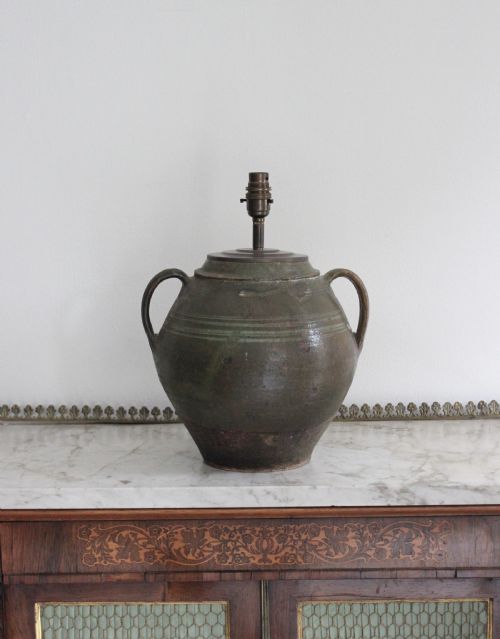
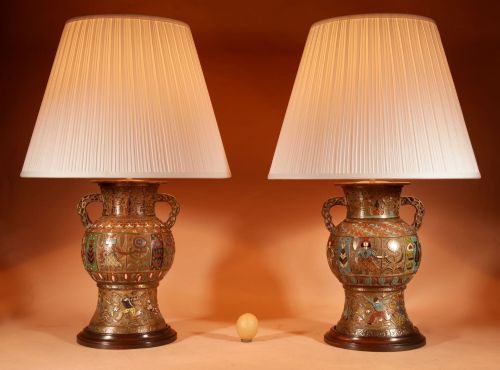

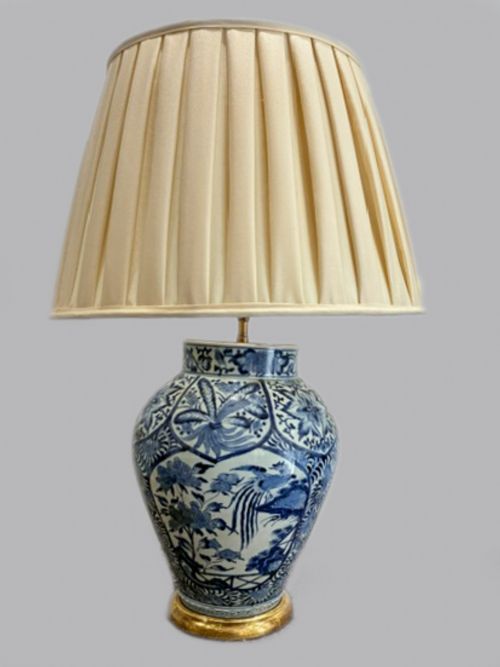
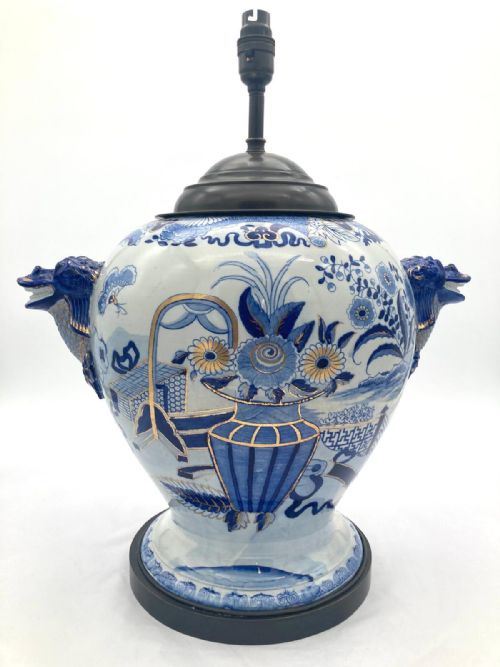
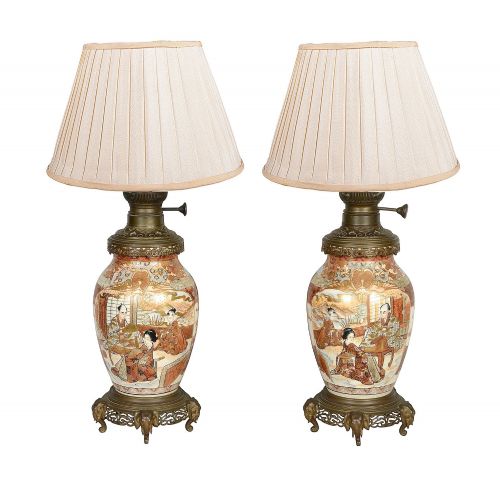


Converted Vase Table Lamps
Converted vase table lamps bring centuries of ceramic and metalwork craft into domestic lighting through thoughtful adaptation.
Converted Vase Table Lamps
Converted vase table lamps combine historical vessels with modern electrical fittings to create functional lighting. These pieces transform antique jars, urns, and vessels originating from Asian and European traditions into vertical lamp bases.
The selections encountered here frequently span the seventeenth through the early twentieth centuries, encompassing Chinese export wares, Japanese Meiji period bronzes, and European porcelains. Buyers commonly discover pairs or individual statement pieces featuring intricate hand-painted designs or rich patinated metals.
Originating from diverse decorative arts traditions, these conversions repurpose utilitarian and ornamental containers without altering their primary historical bodies. The resulting fixtures bridge historical interior decoration with contemporary illumination requirements.
Materials and Techniques
Makers utilised durable ceramic bodies including ironstone, porcelain, and delftware alongside cast metal components such as bronze, brass, and gilt bronze. Surface ornamentation relies on traditional techniques like champlevé enamel, hand-painted glazes, and carved mother of pearl inlay.
Conversion methods typically involve mounting the original vessel onto a metal or wood base and securing a central rod to support electrical fittings and fabric shades. Artisans preserved the integrity of the antique body while integrating modern wiring for domestic use.
Converted Vase Table Lamps Retail Price Guide 2026
Typical asking prices for converted vase table lamps among the pieces listed under this phrase on Sellingantiques today, from the lower quarter to the upper quarter. They describe what is for sale here now, not the wider market.
Some nineteenth century vases spent decades as silent mantelpiece ornaments before receiving a bright new life as reading lamps.
Distinctions in Quality
Superior examples exhibit exceptional harmony between the original vessel and the applied mounts, with ormolu or gilt bronze fittings that complement the proportions of the ceramic or bronze body. The refinement of the hand-painted or enamelled decoration directly influences the artistic merit of the piece.
The subtlety of the conversion work dictates the overall standard, where minimal intervention preserves the original character of the antique container while ensuring structural stability. Fine craftsmanship is evident in the weight of the mounts and the preservation of the underlying glaze or patina.
Hicks and Meigh·Samson
The Converted Vase Table Lamps Glossary
- Meiji Period
- A Japanese historical era spanning from 1868 to 1912 noted for detailed metalwork and ceramics. Pieces from this time often feature intricate bronze or cloisonné decoration.
- Ormolu
- Gilt bronze mounts applied to furniture and decorative objects during the eighteenth and nineteenth centuries. These metallic enrichments add structural support and decorative brilliance.
- Cloisonné
- An enamelling technique where metal wires form partitioned cells filled with coloured paste and fired. This method creates vibrant patterns across bronze and copper vase surfaces.
- Celadon
- A pale green jade-like glaze originating in East Asian ceramic traditions. This subtle glaze covers stoneware and porcelain bodies with a translucent finish.
- Imari
- A style of Japanese export porcelain characterised by underglaze blue and contrasting iron-red and gold details. These wares were produced primarily for European markets during the Edo period.
Converted Vase Table Lamps: Frequently Asked Questions
How are antique vases wired safely?
Modern electrical components are threaded through the central axis or fitted without damaging the ceramic or metal body of the vessel.
Professional rewiring ensures the lamp meets current safety standards while preserving the historical integrity of the base.
Can I find matching pairs of lamps?
Many listings comprise balanced pairs derived from identical decorative vases produced during the eighteenth and nineteenth centuries.
These paired sets provide symmetry for placement on sideboards, mantelpieces, or large tables.
What periods do these lamp bases represent?
The structural vessels originate from periods ranging from the late seventeenth century through the Regency era and into the late nineteenth century.
Asian export wares and European porcelains form the primary chronological categories found within the collection.
How do I choose a suitable lampshade?
Fabric shades should complement the scale and colour palette of the painted or enamelled vase body without overwhelming its details.
Proportion and height guide the selection to maintain balance between the antique base and the upper illumination.