





Continental Wall Plaques
Continental wall plaques bring rooms alive with carved wood, hand-painted porcelain and rich metals from across Europe over several centuries.
Continental Wall Plaques
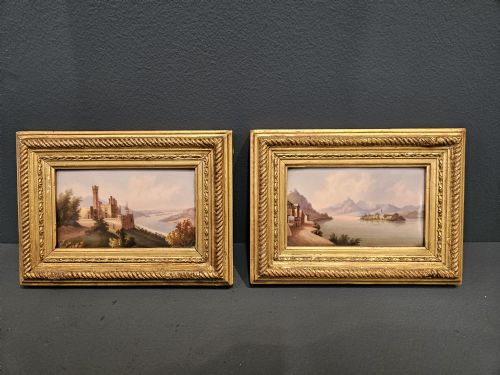
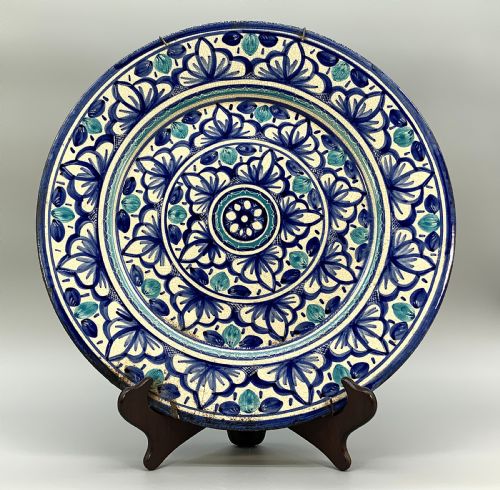
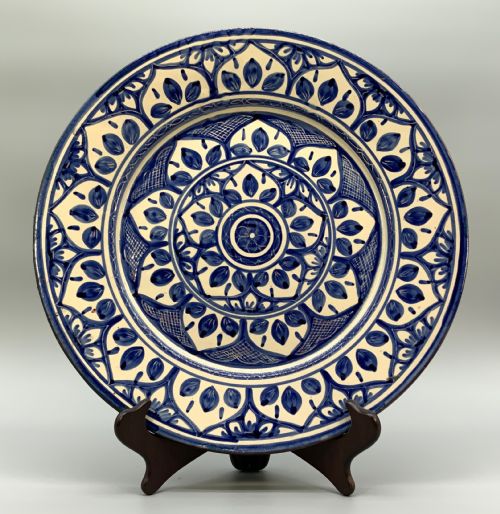
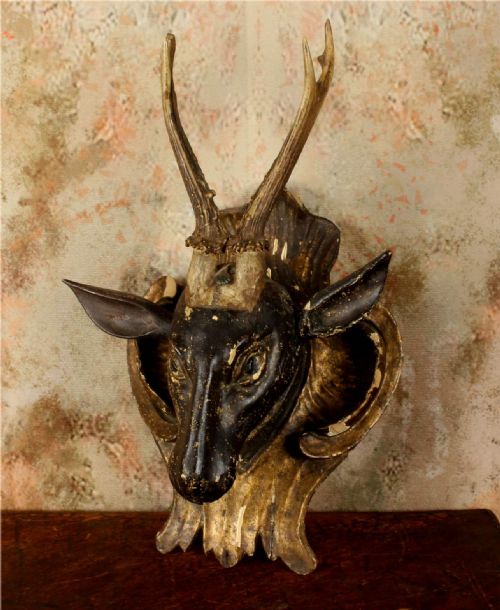
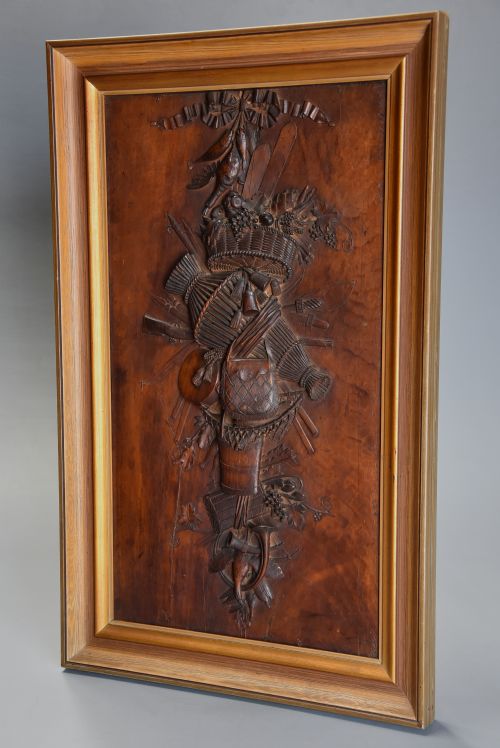
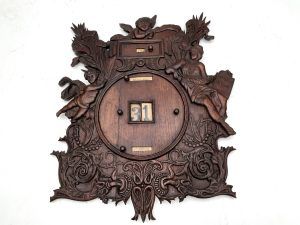
Continental wall plaques encompass a varied group of decorative wall art, sculptures, carved wooden panels, and painted porcelain plates originating from various European regions. Buyers seeking continental wall plaques encounter diverse forms ranging from large blue and white delft charger plates to intricate fruitwood trophy carvings and porcelain panels.
The selection includes objects spanning several periods, notably the eighteenth and nineteenth centuries, alongside rustic folk art pieces and refined revival styles. Domestic interiors feature these pieces as focal points, drawing the eye with detailed figures, religious motifs, and naturalistic scenes.
How they were made
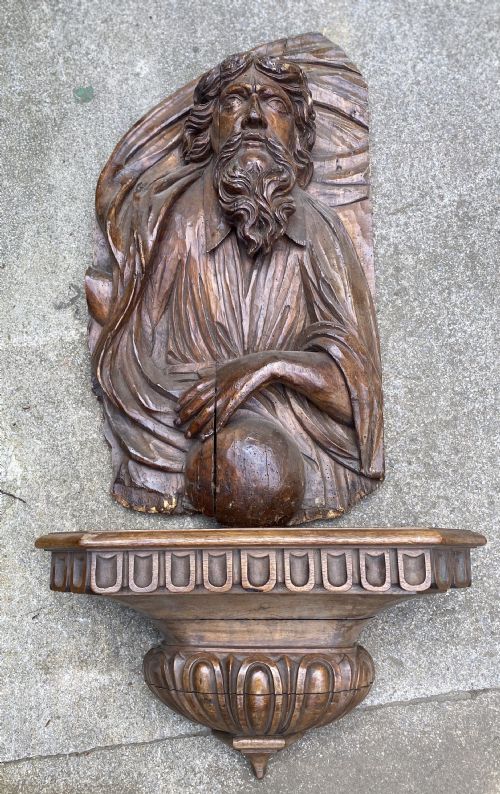
Carvers shaped dense hardwoods like oak, walnut, and fruitwood using chisels and gouges to create deep relief sculptures and figural trophies. These wooden works often display fine detailing in hair, feathers, and drapery, achieved through skilled hand-tooling.
Potters and painters utilised ceramic, porcelain, and tin-glazed earthenware, applying cobalt blue pigments or polychrome enamels before firing. Giltwood frames, velvet mounts, and bronze castings completed pieces designed for prominent interior display.
Continental Wall Plaques Retail Price Guide 2026
Typical asking prices for continental wall plaques among the pieces listed under this phrase on Sellingantiques today, from the lower quarter to the upper quarter. They describe what is for sale here now, not the wider market.
Listings feature works in porcelain, oak, walnut, fruitwood, bronze, and velvet, spanning periods from seventeen hundred to nineteen forty.
What varies in quality
Depth of relief and crispness of chisel work distinguish superior carved wood plaques from simpler productions. Master carvers achieved remarkable anatomical precision and lively expressions in figures, cherubs, and animal trophies.
In painted ceramics and porcelain, the brushwork's finesse and fidelity to master sources separate exceptional decorative plates from standard wares. The quality of glazing, the richness of cobalt pigments, and the preservation of hand-painted details determine overall merit.
The Continental Wall Plaques Glossary
- Charger plate
- A large decorative plate traditionally used for ceremonial purposes or displayed upright on walls. These pieces often feature bold patterns and painted scenes.
- Faience
- Tin-glazed earthenware produced in Europe, known for its opaque white surface and painted decoration. Artisans often applied blue and white motifs inspired by imported ceramics.
- Fruitwood
- Dense, fine-grained wood from fruit-bearing trees such as pear or apple, favoured by carvers for intricate detail. This material accepts crisp tool marks without splintering.
- Putto
- A plump, winged child figure commonly found in Renaissance and Baroque art. These motifs frequently appear alongside muses and religious subjects on bronze and wood plaques.
Continental Wall Plaques: Frequently Asked Questions
How do I hang heavy wall plaques safely?
Heavy carved wood and bronze pieces require secure fixings anchored directly into wall studs or masonry using appropriate wall plugs. Distributed weight brackets ensure the piece stays firm against the plaster.
Lighter porcelain plaques and plates often utilise specialised wire hangers designed to grip the rim without causing damage to the ceramic body.
What periods do these wall plaques cover?
The available pieces span from the seventeenth century through the Victorian era up to the early twentieth century. Styles range from Baroque and Neoclassical to rustic folk art and Moorish revival.
Each period brings distinct materials, such as dark carved oak in earlier centuries and hand-painted porcelain in later Victorian works.
How should I clean wooden wall carvings?
Dust wooden carvings gently with a soft, dry brush to remove particles from deep recesses without disturbing the patina. Avoid using water or chemical polishes which can sink into unsealed grain.
Periodically applying a very light coat of microcrystalline wax helps protect the wood surface from drying out in heated rooms.
Where did continental wall plaques originate?
These items hail from various European workshops, studios, and potteries across the continent. Regional traditions influenced the materials chosen, from Alpine woodcarving to Dutch and continental delftware pottery.
Master craftsmen in different regions adapted popular motifs from Renaissance paintings and classical sculpture for domestic wall display.