




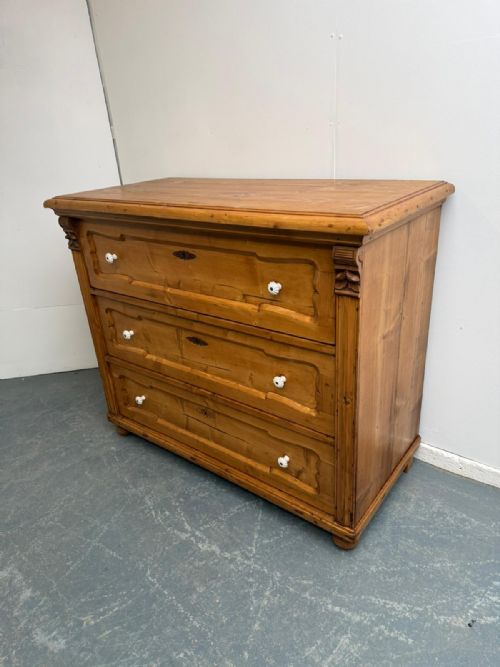


Continental Pine Chest
A continental pine chest brings honest utility and vernacular character to any room, offering robust storage shaped by European folk traditions.
What a Continental Pine Chest Is
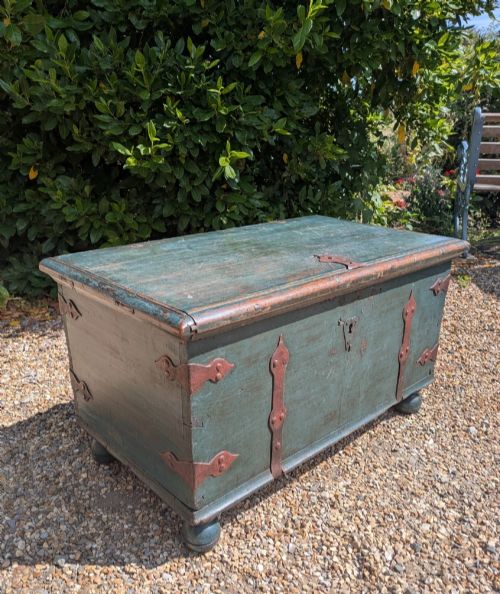
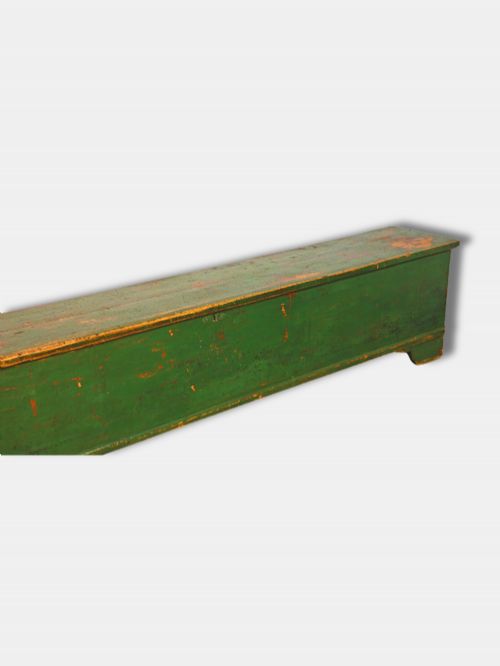
A continental pine chest encompasses both multi-drawer storage units and lidded coffer boxes rooted in European country traditions. These pieces originate from periods spanning the Victorian era to the nineteen-twenties, reflecting regional craftsmanship across the continent.
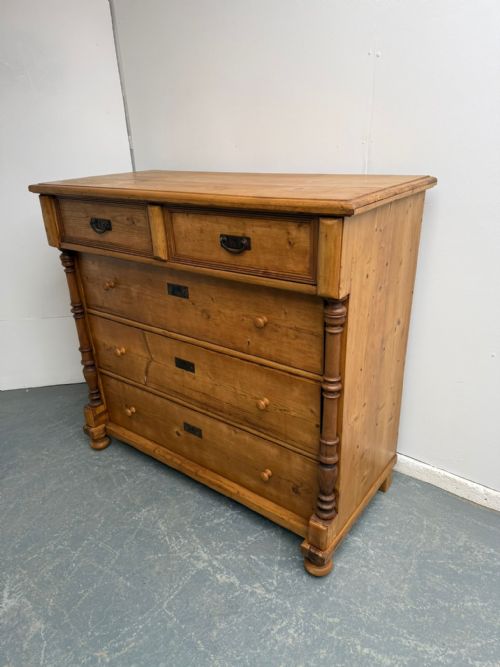
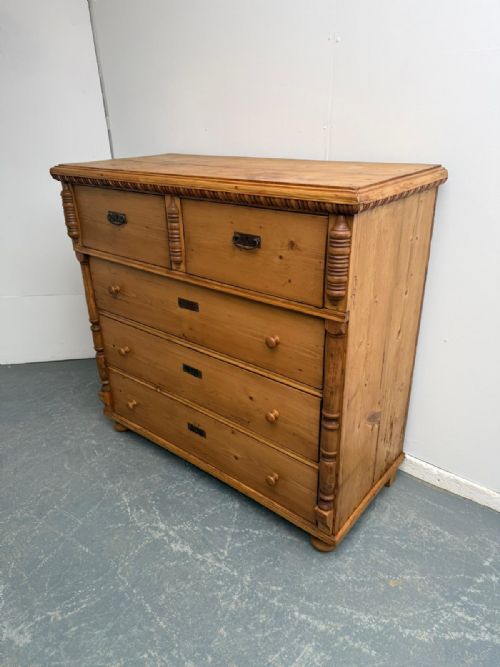
Buyers searching for a continental pine chest will most frequently encounter generous five-drawer configurations alongside smaller three-drawer and four-drawer variations. These practical forms range from rustic farmhouse examples to pieces finished with European folk art painting.
The aesthetic of a continental pine chest relies on straightforward utility combined with regional decorative finishes. Original painted surfaces and waxed natural timbers both appear across the inventory, showcasing the distinct aesthetic preferences of European country workshops.
How They Were Made
Constructed primarily from solid pine, a continental pine chest utilises accessible softwood timbers shaped by traditional carpentry methods. Workshops often integrated iron and brass hardware, such as hinges and drawer pulls, alongside occasional ceramic elements.
Surface treatments define the visual identity of these items, with makers applying pigmented paint or traditional wax finishes. Painted examples display regional folk motifs, while waxed surfaces preserve the natural grain and knotwork of the pine timber.
Some chests wear their original paint like a Sunday coat, refusing to look their age.
What Varies in Quality
The distinction between standard examples and superior pieces rests upon the survival of original decorative surfaces and regional folk art details. Items retaining untouched painted finishes or distinctive vernacular hardware represent a higher tier of craftsmanship.
Proportion and scale also dictate the standing of a continental pine chest, with monumental or unusually small dimensions commanding greater attention. The integrity of the original pine construction, uncompromised by heavy structural alterations, determines the long-term character of each piece.
The Continental Pine Chest Glossary
- Coffer box
- A lidded storage chest utilised for household goods before the widespread adoption of multi-drawer furniture. These boxes often feature hinged lids and painted decoration.
- Folk art
- Artistic expression born within a cultural community, manifested here through hand-painted floral or geometric motifs on pine furniture. This style reflects local traditions rather than formal academic training.
- Waxed finish
- A protective coating applied to timber using natural waxes to nourish the wood and produce a soft sheen. This treatment highlights the natural grain of the pine.
- Victorian
- The period spanning the nineteenth century, characterised in these listings by robust proportions and practical country cabinetry. Pieces from this era often display heavy timber construction.
Frequently Asked Questions
How do I clean a painted pine chest?
Maintain painted surfaces by dusting gently with a dry, soft cloth rather than using harsh liquid cleaners. Avoid modern chemical solvents that might lift original folk art pigments.
Preserve the historic finish by keeping the timber away from direct sunlight and excessive moisture fluctuations. Simple preventative care ensures the paint remains stable for decades.
Where were these chests made?
These pieces originate from various regions across Europe, including Hungary and surrounding continental localities. Local rural workshops produced them for everyday domestic storage.
Each region imparted subtle differences in proportion, hardware selection, and painted decoration. This geographic diversity creates the distinct styles seen in European country furniture.
Can I use these chests in a modern interior?
A continental pine chest provides versatile storage that functions effectively in contemporary bedrooms, hallways, and living spaces. The warm tones of pine soften minimalist or modern interior schemes.
Their straightforward forms allow them to serve as bedside tables, media stands, or primary drawer storage. Practical utility remains the core advantage of these historic pieces.