
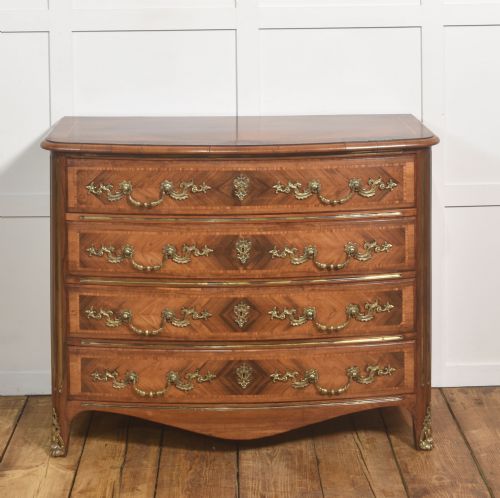
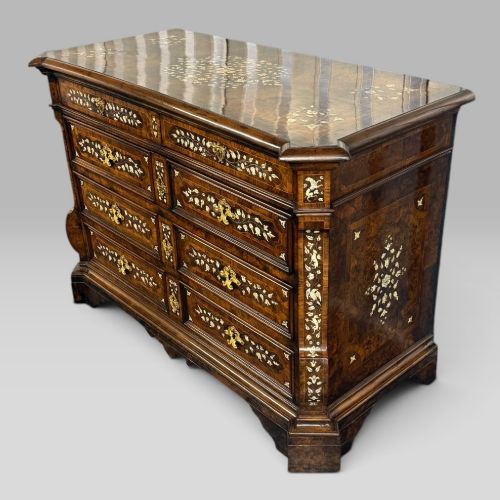
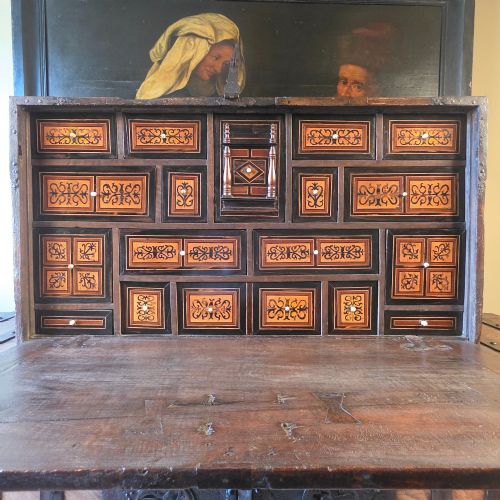
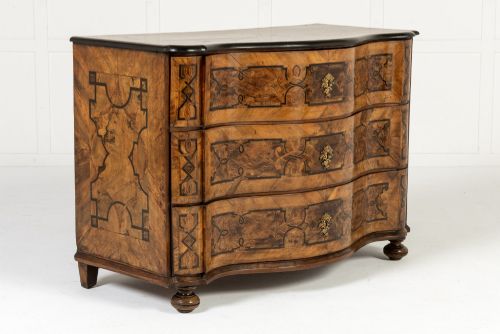


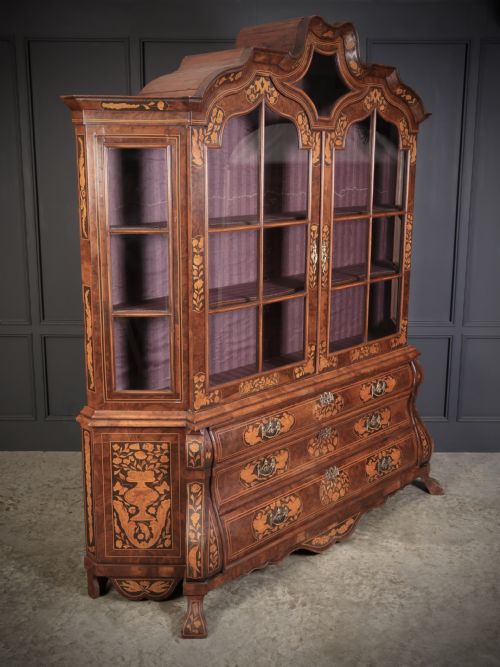


Continental Inlaid Chest
A continental inlaid chest brings rich wood marquetry and serpentine form into a room, offering both generous storage and striking historical presence.
Continental Inlaid Chest
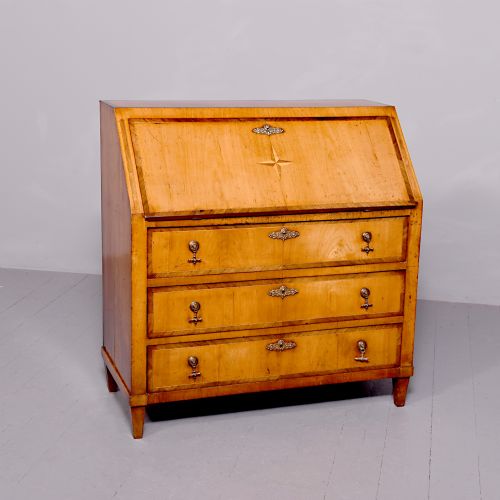
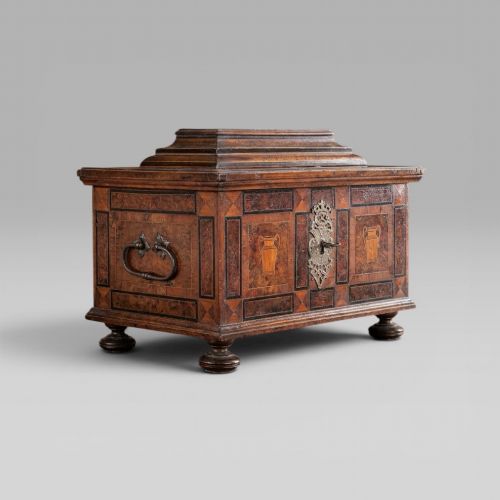
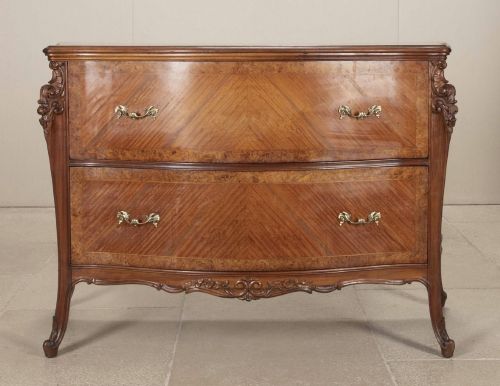
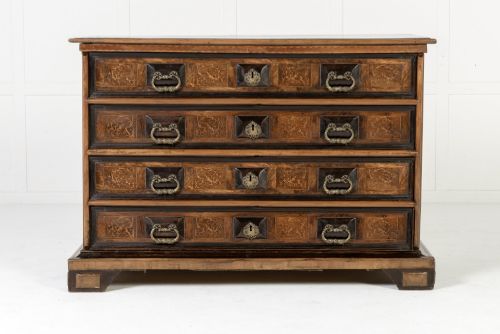
When you search for a continental inlaid chest, you encounter a variety of storage forms spanning several centuries, predominantly commodes, cabinets, and bureaux. The selection ranges from severe seventeenth-century coffers to exuberant eighteenth-century bombe shapes and nineteenth-century serpentine designs.
You are most likely to meet walnut and burr walnut commodes bearing intricate floral or geometric marquetry. These pieces originate from workshops across Italy, Germany, France, and the Netherlands, displaying regional tastes from Baroque severity to Rococo curves.
The assortment also includes smaller caskets and tall chests of drawers incorporating fruitwood, kingwood, and satinwood. Each form reflects the specific domestic storage needs of its period, executed with distinctive continental craftsmanship.
Materials and construction methods
Carpenters built these pieces using solid foundations of oak or pine, applying fine decorative veneers of walnut, burr walnut, fruitwood, and satinwood to the exterior surfaces. Marquetry and parquetry patterns utilised contrasting timbers to create complex pictorial or geometric designs.
Many commodes and cabinets incorporated heavy marble slabs fitted to the top surface. Metal mounts in brass and ormolu often reinforced corners, framing drawers and providing functional handles or escutcheons.
Materials recorded across the available pieces include walnut, burr walnut, fruitwood, satinwood, kingwood, marble, brass, ormolu, and iron.
Elements that distinguish finer examples
The refinement of the marquetry cutting and the choice of timber figure heavily distinguish finer examples from standard work. Richly figured burr woods and diverse fruitwoods deployed in complex pictorial scenes require advanced cabinetmaking skill.
Structural complexity, such as pronounced bombe contours or serpentine drawer fronts, demands sophisticated joinery that maintains integrity over centuries. The integration of high-grade marble tops and chased ormolu mounts further elevates the standing of an individual piece.
The Continental Inlaid Chest Glossary
- Bombe
- A swelling, outward-curving contour found on the sides and front of certain cabinets and chests. This bulbous profile requires expert shaping of the underlying wooden carcass.
- Marquetry
- The art of applying decorative pieces of veneer to a structure to form intricate designs or pictures. Craftsmen cut various coloured woods and fitted them together tightly.
- Parquetry
- A geometric mosaic of wood pieces used for decorative floors or furniture surfaces. It relies on repeating angular shapes rather than floral pictures.
- Ormolu
- Gilded bronze mounts applied to furniture for decorative and protective purposes. This material appears frequently on eighteenth and nineteenth-century continental pieces.
Continental Inlaid Chest: Frequently Asked Questions
Where were these chests made?
These pieces originate from workshops across continental Europe, including Italy, Germany, France, and the Netherlands. Each region developed distinct stylistic traits.
Italian and German makers often favored heavy walnut and dramatic architectural proportions, while Dutch makers specialised in floral marquetry.
What woods were used?
Cabinetmakers employed a foundation of oak or pine, surfacing the exterior with decorative veneers. Walnut, burr walnut, fruitwood, and satinwood provided varied natural tones for intricate patterns.
Contrasting timbers allowed artisans to create detailed pictorial marquetry across drawers and doors.
How do I care for a marble top?
Marble tops require gentle cleaning with a damp cloth and mild soap to avoid damaging the polished stone surface. Harsh chemicals or acidic liquids can etch the marble.
Ensure moisture does not seep into the underlying wooden frame where the stone meets the cabinet.