


Continental Carved Seating
Continental carved seating brings centuries of European craftsmanship into a room, offering rich wood and traditional forms that anchor any interior scheme.
Continental Carved Seating
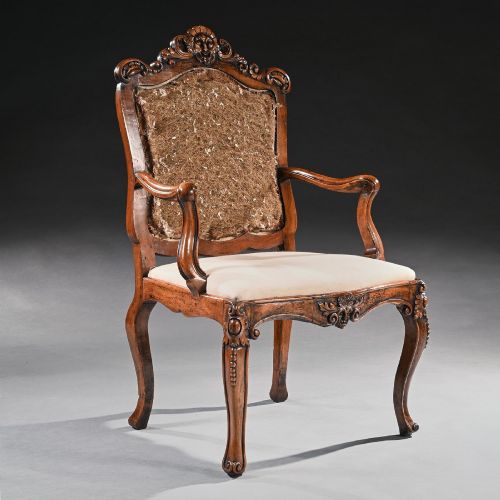
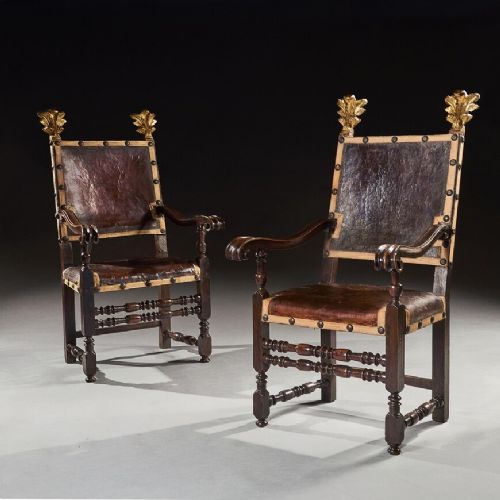
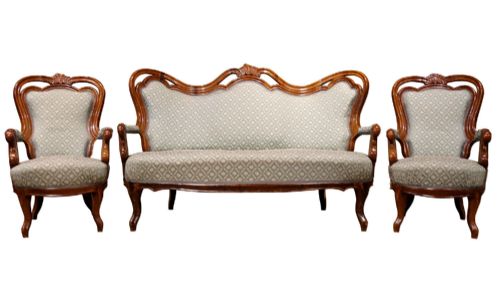
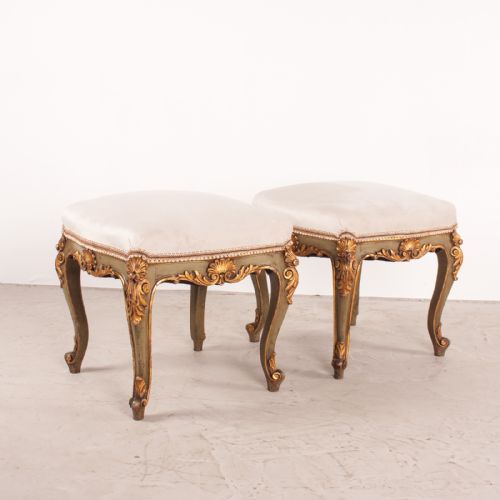
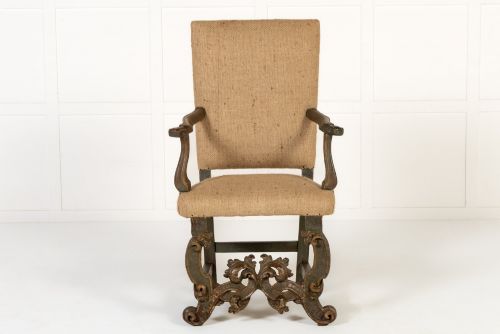
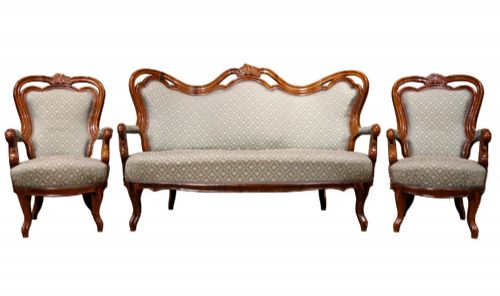
Continental carved seating encompasses a diverse range of historic chairs, benches, and settees originating from across Europe. Buyers searching for continental carved seating will encounter items spanning from the sixteenth century through the nineteenth century, reflecting varied regional tastes and domestic functions.
Stylistic expressions range from Italian Baroque and Rococo Revival to Renaissance, Alpine Rustic, and Austrian folk art. This variety allows collectors to find pieces that suit both formal historic interiors and more eclectic modern spaces.
Methods and materials
Construction relies heavily on solid woods such as walnut, fruitwood, and maple, shaped through traditional joinery techniques. Carvers worked the timber directly to create elaborate decorative motifs and structural forms.
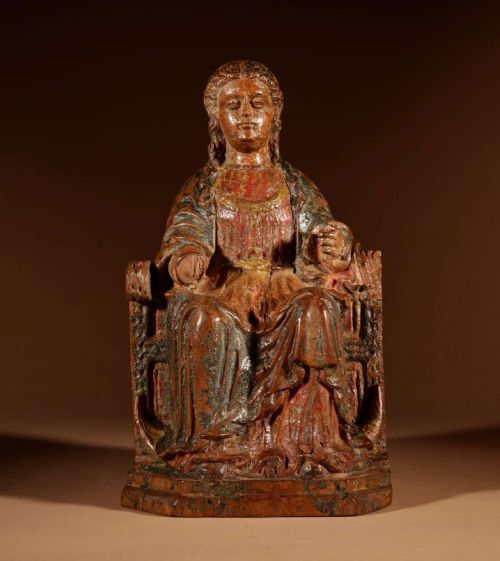
Surface treatments often incorporate gesso, gold leaf, polychrome paint, and textile upholstery. These finishes were applied to enhance the visual weight and ornate character of the seating.
Some mountain folk chairs retain traces of distant Alpine air trapped within their historic pine joints.
Assessing quality
Quality in these pieces depends on the crispness and depth of the carved ornamentation executed by the maker. Superior examples exhibit finely detailed relief work and harmonious proportions that reflect the aesthetic standards of their period.
The integrity of the timber and the preservation of original finishes, such as gilding or polychrome paint, strongly influence the character of each item. Intact structural joinery and authentic period upholstery materials also distinguish finer specimens.
The Continental Carved Seating Glossary
- Walnut
- A dense, durable hardwood favoured for furniture making due to its rich grain and suitability for intricate carving. It was extensively used across various European periods.
- Gesso
- A plaster-like mixture applied to wood surfaces to prepare them for painting or gilding. This technique created a smooth base for decorative metallic leaf.
- Parcel-Gilt
- Partially gilded woodwork where gold leaf is applied only to specific carved highlights or details. This method creates contrast against a painted or polished wood ground.
- Settle
- A wooden bench featuring a high back, solid arms, and often a storage box beneath the seat. Historically used in communal rooms to block drafts.
- Polychrome
- Decorated in multiple colours, typically applied to wood or gesso surfaces. This finish is frequently found on folk art and regional continental seating.
Continental Carved Seating: Frequently Asked Questions
What is continental carved seating?
Continental carved seating refers to chairs, benches, and settees produced in mainland Europe across multiple historic centuries. These pieces are distinguished by regional woodworking traditions and ornamental carving styles.
Buyers often choose these items to introduce historic character and tactile warmth into residential or commercial interiors.
How were these chairs used historically?
Historic chairs and settees served functional roles in domestic, civic, and religious settings, denoting status or providing comfortable seating. Grand armchairs and salon suites furnished formal reception rooms, while simpler benches and side chairs equipped daily living spaces.
Over time, many of these seating forms evolved from utilitarian objects into prized decorative elements.
How do I live with antique seating?
Living with antique seating involves balancing historic preservation with everyday utility in a modern home. Placing pieces away from direct heat sources and sunlight helps protect older woods and delicate surface finishes.
Using supportive cushions can also reduce physical stress on aged upholstery and fragile frames.
How do I identify different styles?
Identifying styles requires observing specific decorative motifs, structural silhouettes, and regional characteristics present in the woodwork. For instance, Italian Baroque pieces typically display robust, dramatic carving, whereas Alpine folk chairs feature simpler, vernacular carpentry.
Comparing construction details and materials against known period examples aids in accurate attribution.