



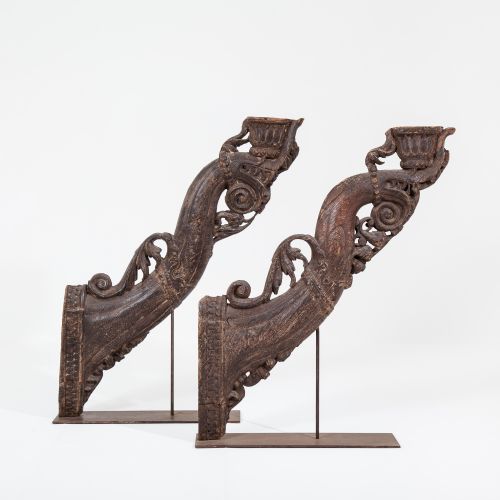
Continental Carved Oak
Continental carved oak pieces bring centuries of European craftsmanship into a room, offering heavy timber forms and deep relief work that anchor a period interior.
Continental Carved Oak
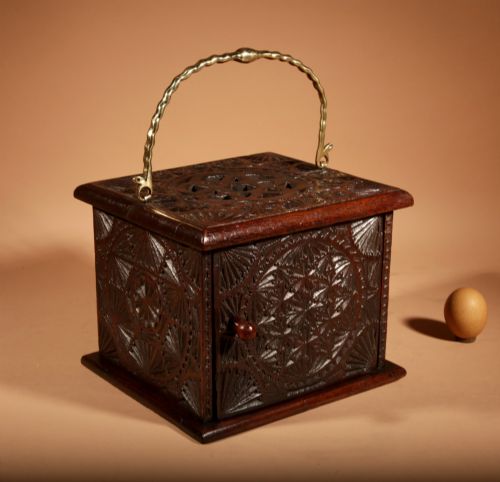
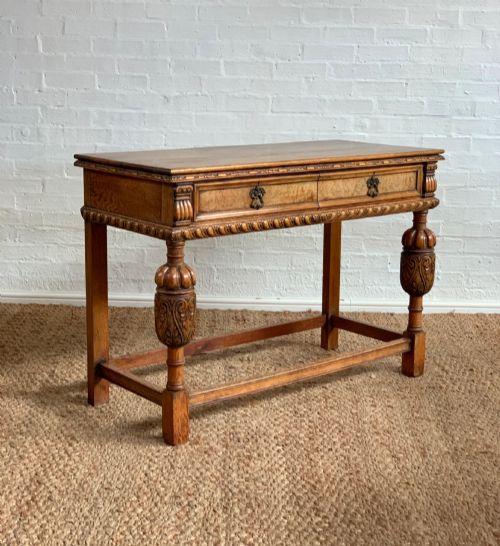
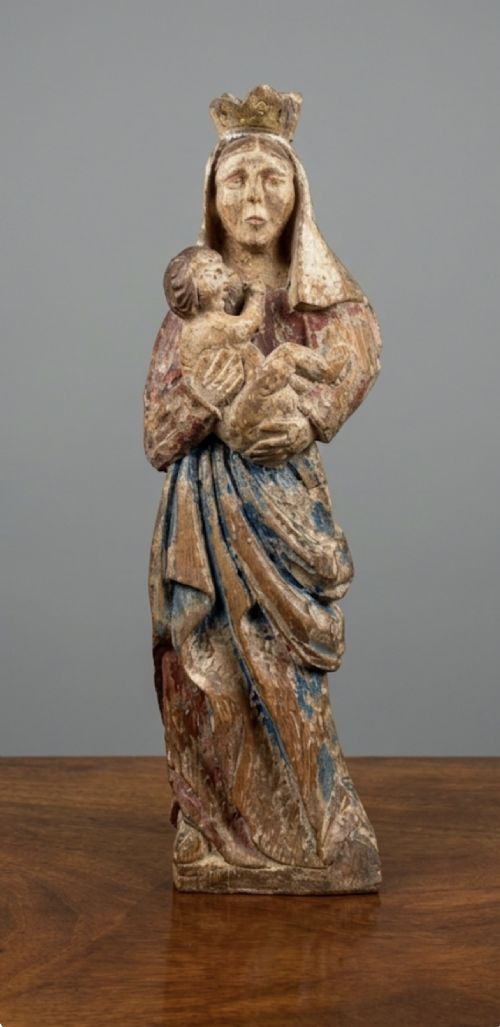
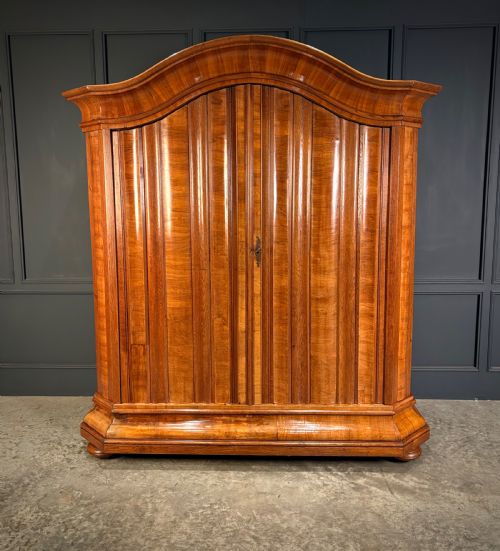
When you search for continental carved oak, you encounter a substantial category of heavy wooden furniture, architectural elements, and religious sculptures originating from workshops across Europe. The selection spans utilitarian storage and devotional art, reflecting the diverse domestic and ecclesiastical commissions of past centuries.
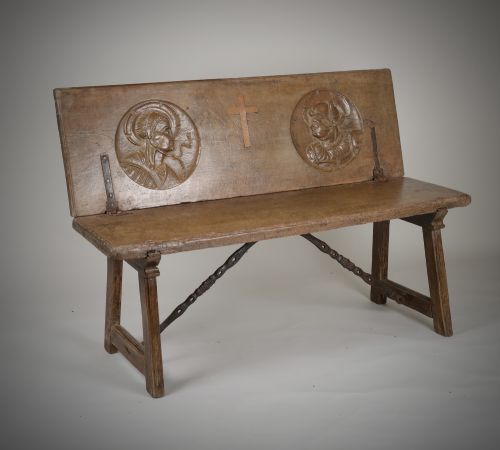
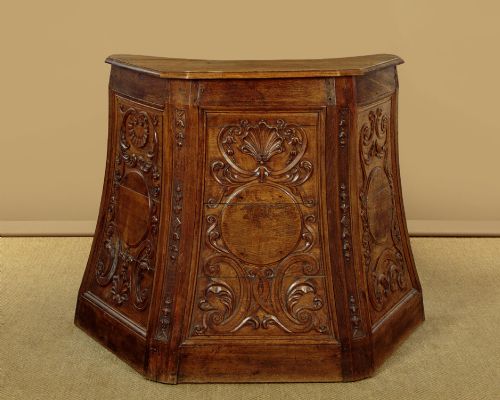
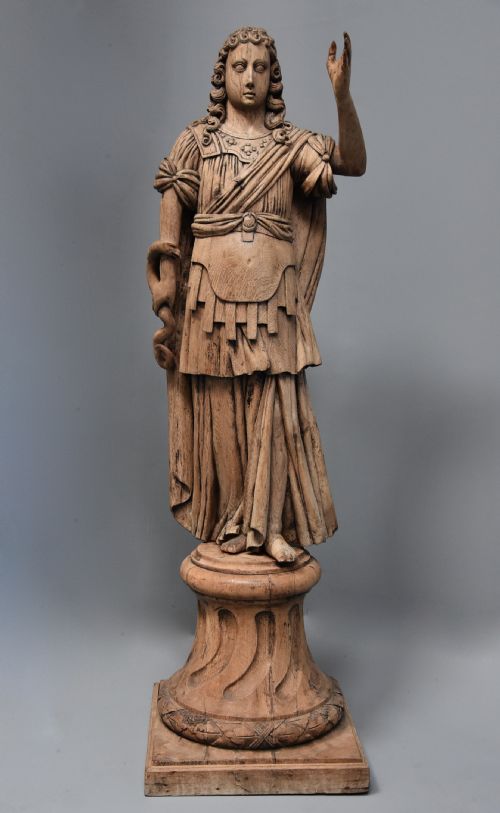
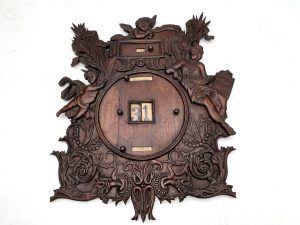
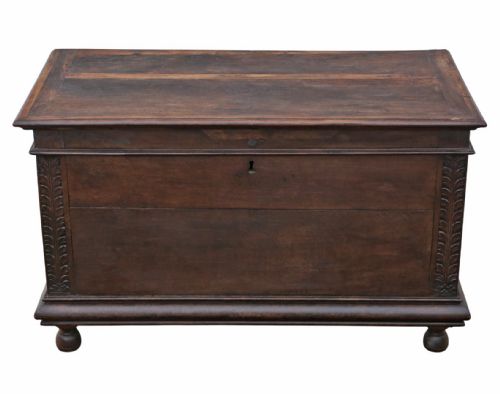
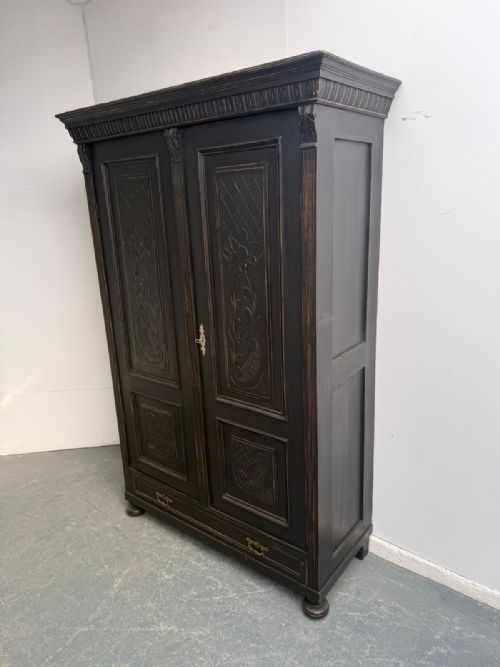
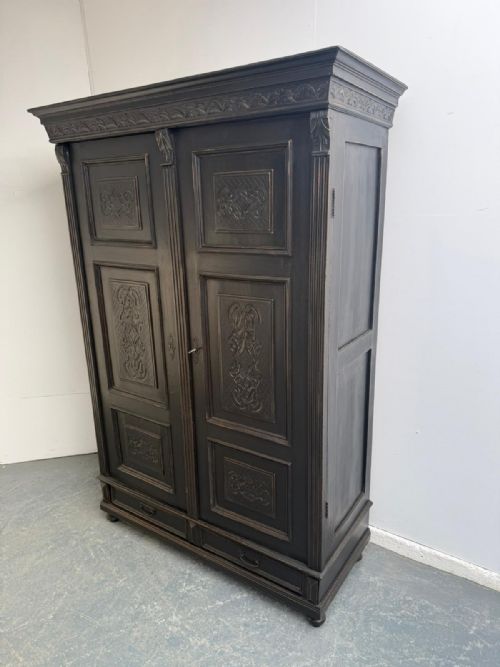
The objects on this page range from sixteenth-century saints and panels to eighteenth-century coffers, armoires, and console tables. You are most likely to meet sturdy storage chests and figurative carvings, reflecting the durability of the timber and the heavy hand-carved ornamentation favoured across different regions.
Origins stretch across various European traditions, including French, German, Hungarian, and Spanish craftsmanship, often displaying regional motifs such as Gothic tracery, Baroque curves, and Renaissance proportions. These pieces retain the marks of manual labour, employing pegged joints and dense heartwood that survive centuries of domestic use.
Materials and construction methods
Makers relied principally on dense European oak, chosen for its strength and ability to hold intricate chisel work without crumbling. Secondary woods such as pine, walnut, and sycamore occasionally appear in combination with oak for internal panels or specific regional painted wardrobes.
The joinery depends on traditional methods including mortise and tenon joints secured with wooden pegs, alongside hand-forged iron hardware and wrought iron strapwork on heavy coffers. Surface decoration was achieved through direct chisel carving into the solid timber, supplemented by chip carving and occasional painted finishes.
The listings on this site combine heavy architectural storage like armoires and coffers with religious sculptures and architectural salvage spanning six centuries.
Distinctions in quality
Quality rests upon the depth, sharpness, and rhythm of the chisel work, separating mechanically uniform later revivals from the spirited irregularity of period hand-carved surfaces. Figures and architectural details possessing anatomical conviction and crisp undercut foliage indicate superior workshop standards.
The integrity of the original timber construction and the proportion of replacement parts dictate the value of a piece. Retaining untouched original surfaces, early iron mounts, and uncompromised structural timbers elevates an object far above heavily restored or assembled examples.
Beresford & Hicks London
The Continental Carved Oak Glossary
- Coffer
- A heavy wooden chest used for storage, typically fitted with a hinged lid and reinforced with iron bands or intricate panel carving. These robust boxes served domestic and ecclesiastical storage needs for centuries.
- Corbel
- A structural piece of stone or wood projecting from a wall to support a weight, frequently carved into figurative or architectural shapes. In these listings, they appear as decorative architectural salvage from larger buildings.
- Caquetoire
- A light armchair dating from the sixteenth or seventeenth century, designed with a tall, narrow back and a trapezoidal seat. The form allowed women to converse while wearing wide farthingale skirts.
- Treen
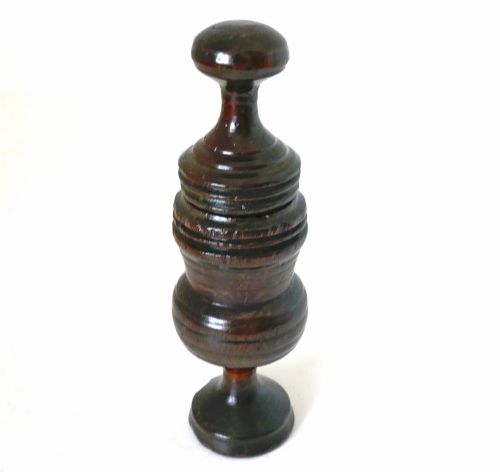
- Small handmade wooden household objects produced before the mass era of ceramics and plastics. Sycamore spice grinders and small domestic items represent this category of functional turned wood.
- Tracery
- Ornamental stone or woodwork consisting of interlacing lines, commonly found in Gothic Revival and medieval church architecture. This pattern translates directly into the carved panels of cupboards and bookcases.
Continental Carved Oak: Frequently Asked Questions
How were continental carved oak coffers used?
These heavy chests served primarily for storing valuables, textiles, documents, and domestic provisions in wealthy households and religious institutions. Their robust construction and iron hardware provided essential security before fitted wardrobes became common.
Over time, they doubled as seating benches or tables within large halls, adapting to the changing needs of the household while keeping contents protected from damp floors.
How do I care for antique oak furniture?
Maintain these pieces by keeping them away from direct heat sources and sudden humidity shifts, which cause the dense timber to split or warp. Apply a microcrystalline wax sparingly to nourish the dry wood without building up a sticky residue.
Dust regularly with a soft, dry cloth and avoid harsh modern cleaning sprays that strip the historical patina accumulated over centuries.
How can I tell a sixteenth-century piece from a nineteenth-century revival?
Early pieces display hand-riven timber, irregular tool marks, and peg construction that reflects the limitations and techniques of pre-industrial workshops. The wood grain shows deep shrinkage and a dry, oxidised surface texture that cannot be easily faked.
Revival pieces, such as those from the Gothic Revival period, often feature uniform machine-sawn components, regular symmetry, and sharper, shallower carving driven by mechanical assistance rather than individual artistry.
What is the difference between a coffer and a blanket chest?
A coffer traditionally denotes a heavily reinforced storage box, often bound in iron and associated with security, travel, or ecclesiastical storage. They tend to feature denser structural timbers and deeper panel carvings.
Blanket chests generally refer to domestic domestic chests intended specifically for household linens and bedding, often displaying slightly lighter construction and domestic decorative motifs suited for bedchambers.