



Continental Blanket Chest
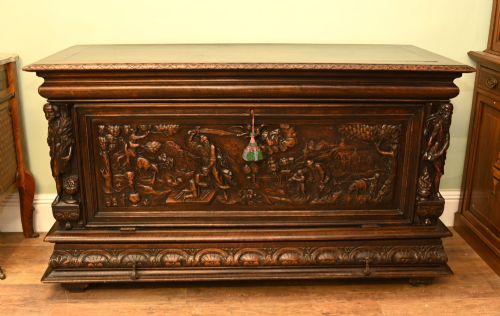
A continental blanket chest offers robust storage, typically presenting rich regional decoration or heavy timber construction spanning several centuries.
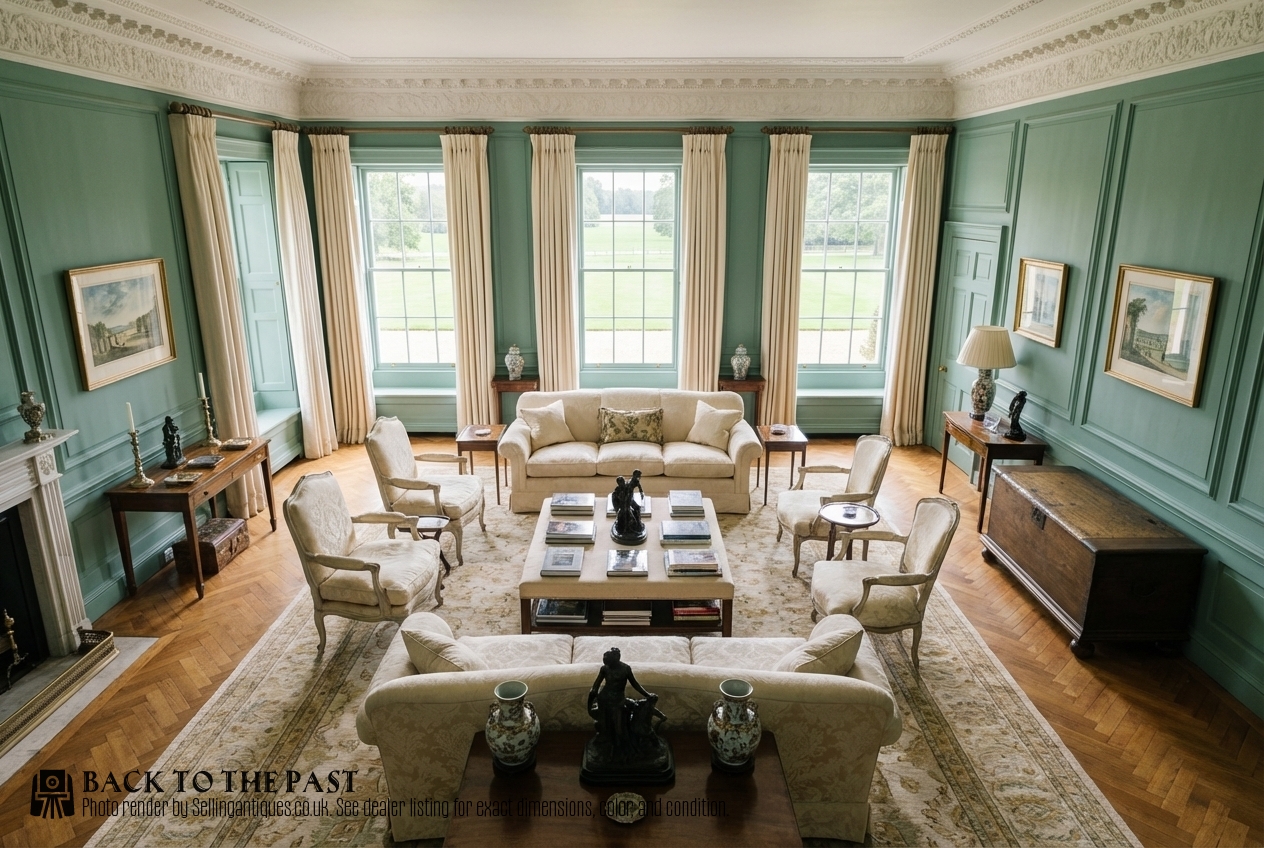
Continental Blanket Chest
A continental blanket chest provides substantial storage capacity while displaying the distinct folk art traditions and cabinet-making methods of mainland Europe. These pieces range from plain utilitarian timber boxes to brightly decorated marriage chests commissioned for domestic milestones.
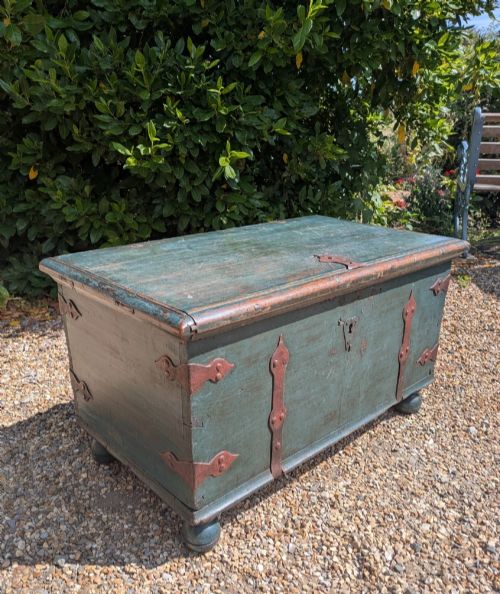
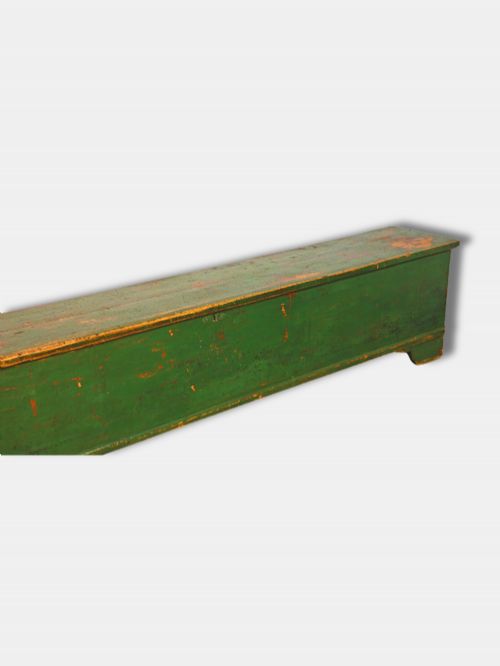
The selection on this page relies heavily on pine and walnut constructions, often finished with original paint or iron strapwork. Buyers encounter forms originating from regional workshops across Germany, Hungary, Spain, and the Alpine regions.
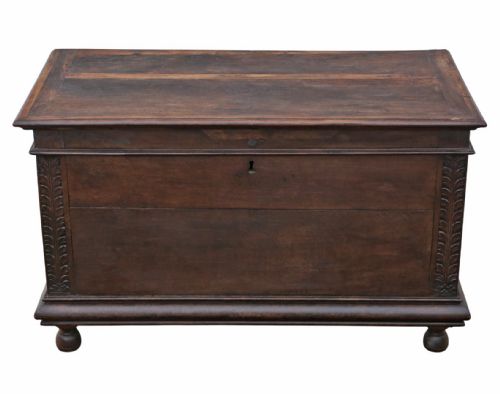
Earlier examples lean towards heavy oak and walnut timber construction, whereas nineteenth-century pieces frequently showcase painted floral motifs or inlaid details. Each box serves as a functional anchor in a room, designed to hold linens, garments, or valuables.
How they were made
Joinery on these pieces relies on solid timber boards joined by dovetails or pegged mortise and tenon joints, built to withstand heavy domestic use. Oak, walnut, and pine form the primary structural woods, selected according to regional availability and the intended finish.
Ironmongery plays a structural and decorative role, featuring hand-forged strapwork, hinges, and locks that secure the heavy lids. Painted surfaces utilise pigments applied directly to the timber, sometimes protected by early varnishes or waxes that survive through the centuries.
Continental Blanket Chest Retail Price Guide 2026
Typical asking prices for continental blanket chest among the pieces listed under this phrase on Sellingantiques today, from the lower quarter to the upper quarter. They describe what is for sale here now, not the wider market.
Materials recorded across the inventory include pine, walnut, oak, chestnut, iron, and applied pigment.
What varies in quality
The survival of original surface finishes dictates much of the distinction between pieces, particularly where hand-applied paint or pigmented decoration remains intact. Unaltered painted schemes and untouched patination carry greater historical integrity than later refinished surfaces.
Structural honesty and the preservation of original hand-forged ironwork elevate certain examples above standard utility boxes. The complexity of the joinery, from simple board construction to sophisticated inlay and domed lids, marks the ambition of the original workshop.
The Continental Blanket Chest Glossary
- Cassone
- A large chest, typically Italian, traditionally used for holding bridal trousseaux and fine garments. These items often feature elaborate carving, inlay, or painted decoration.
- Cofer
- An alternative historical spelling for a coffer, denoting a strongbox or chest used for storing valuables and textiles. They frequently incorporate iron strapwork for added security.
- Strapwork
- Flat bands of metal, commonly iron, applied to the exterior of a chest to reinforce the wooden joints and provide hinges or locking mechanisms. Hand-forged examples display individual hammer marks from the smith.
- Marriage trunk
- A specially commissioned chest given to mark a wedding, frequently painted with names, dates, or regional floral motifs. These pieces often form the focal point of folk art traditions.
- Inlay
- A decorative technique where contrasting pieces of wood or other materials are inserted into recesses within the primary timber surface to create patterns.
Continental Blanket Chest: Frequently Asked Questions
What were continental blanket chests used for?
These chests served primarily for storing household linens, blankets, and valuable garments away from damp floors and pests. In many European households, they functioned as luggage or secure containers for family heirlooms.
Over time, specific forms like marriage chests became central repositories for a bride's dowry. Their heavy construction also allowed them to double as seating benches within the home.
How do I identify a marriage chest?
Marriage chests often feature specific decorative elements such as painted floral motifs, initials, or dates that commemorate a wedding. They tend to exhibit brighter pigments and more careful regional folk art than standard utility boxes.
These pieces were commissioned as special gifts, leading workshops to invest greater effort in their exterior appearance. Surviving examples frequently retain their original painted schemes.
How should I care for a painted chest?
Protect painted wooden surfaces by keeping them away from direct sunlight and maintaining stable room humidity. Avoid harsh chemical cleaners that can lift fragile historic pigments from the timber.
An occasional application of microcrystalline wax helps preserve bare wood and sealed painted finishes alike. Handle lids carefully to protect antique iron hinges and strapwork from undue stress.
How can I tell the difference between periods?
Earlier pieces from the sixteenth and seventeenth centuries generally rely on heavy oak or walnut construction with panelled sides and minimal paint. Eighteenth- and nineteenth-century examples introduce softer woods like pine, frequently accompanied by folk art paintwork or geometric inlay.
Hardware styles also help indicate age, as hand-forged iron strapwork gradually gave way to more refined machine-made latches by the later nineteenth century. Examination of the interior tool marks provides further clues to the manufacturing date.