


Continental Dresser
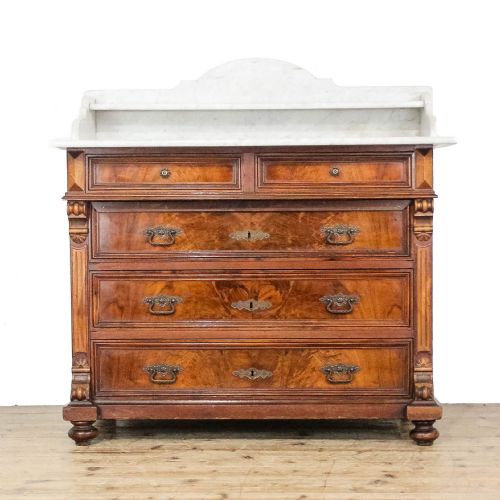
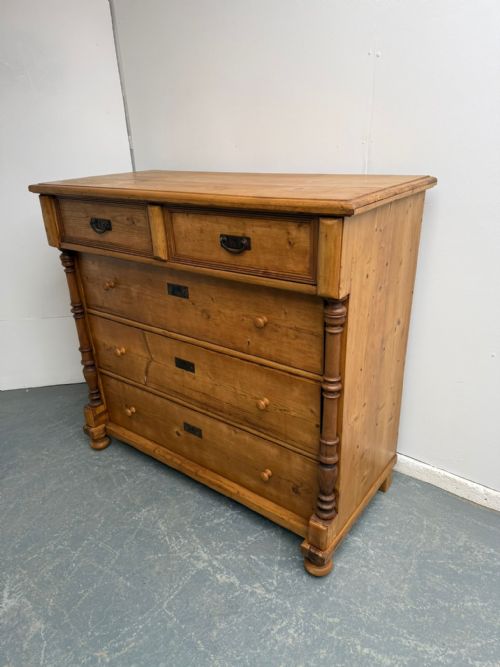
These continental antique dressers and commodes bring regional European craftsmanship, from Dutch burr walnut to Hungarian pine, directly into the home.
Continental Dresser
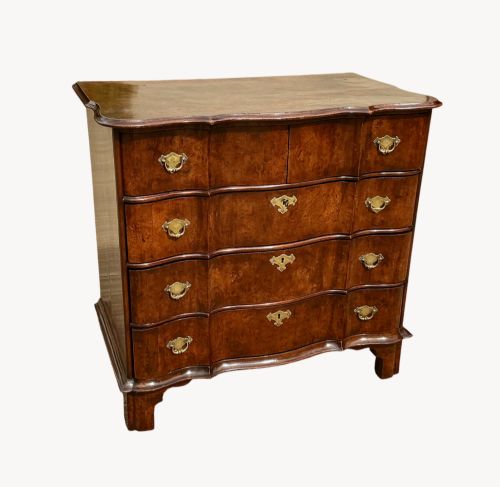
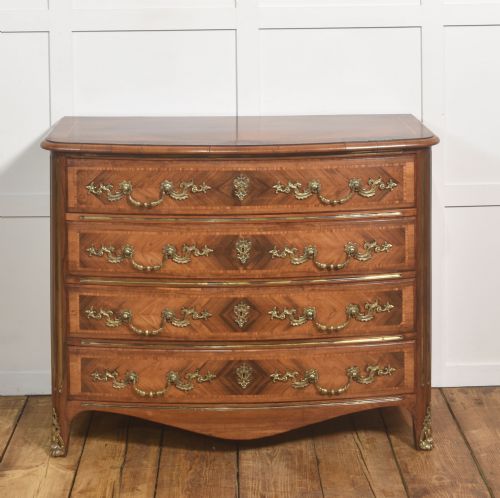
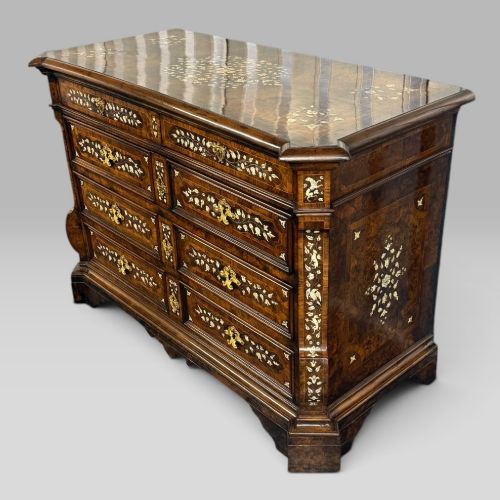
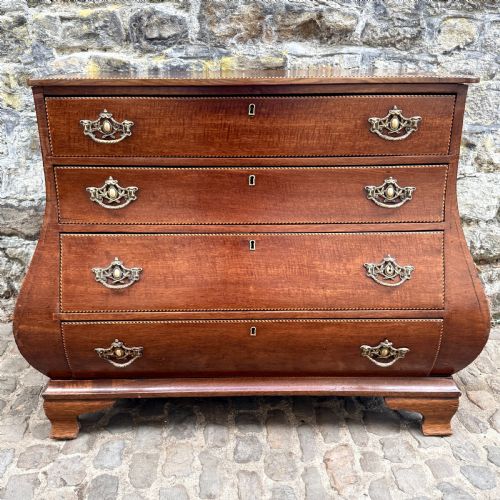
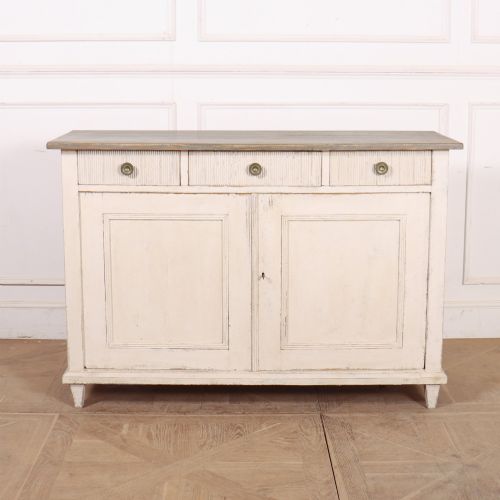
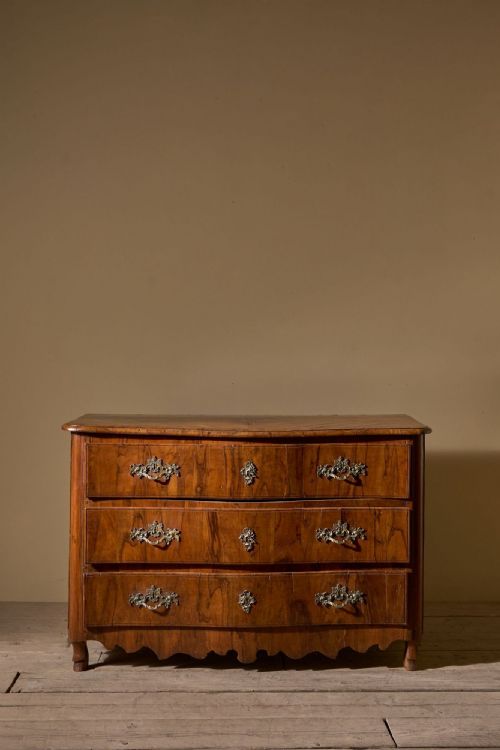
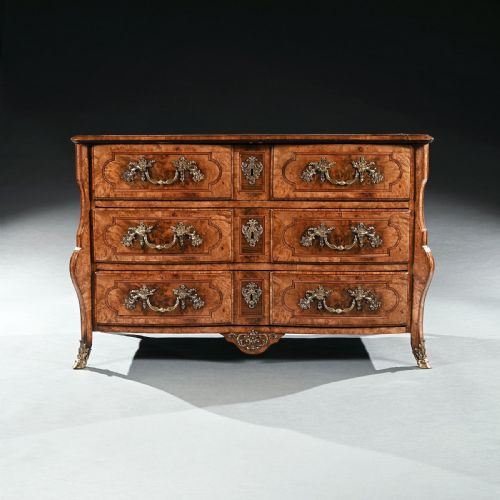
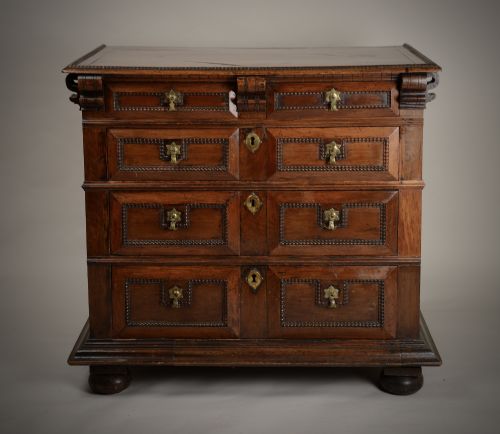
A continental antique dresser encompasses a broad group of case pieces, including commodes, sideboards, kitchen dressers, and chests of drawers originating from various European regions. Buyers navigating this selection will most frequently encounter walnut, pine, and burr walnut examples spanning the eighteenth and nineteenth centuries.
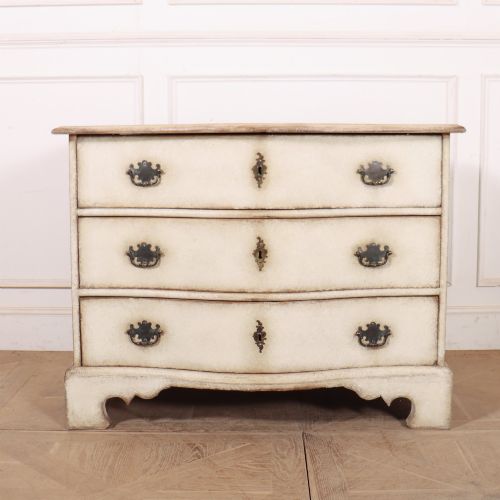
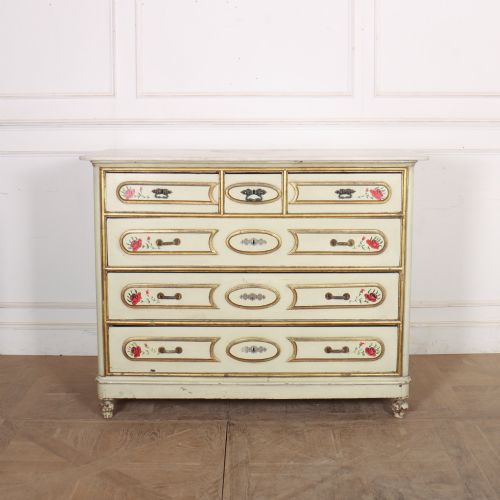
Forms range from the grand serpentine shapes of Dutch, German, and Italian baroque workshops to the simpler lines of Victorian Hungarian pine and alpine farmhouse pieces. Regional variations display distinct local character, whether through painted finishes, rich veneers, or carved detailing.
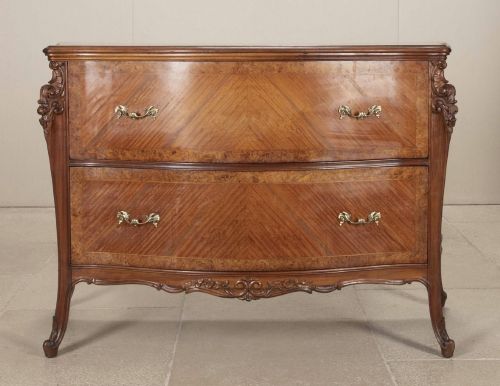
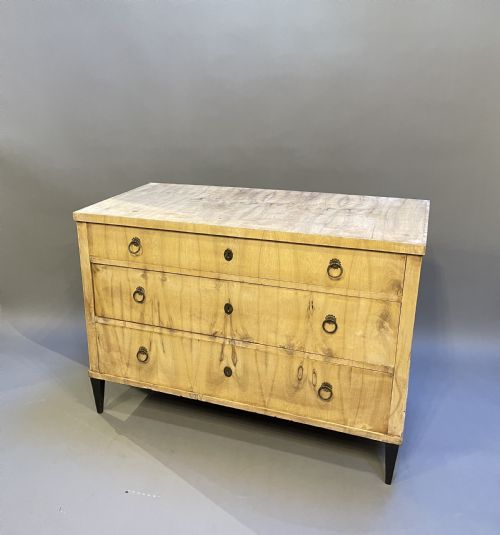
The category also embraces specific stylistic movements such as Biedermeier, French Louis XV style, and Italian neoclassical work. These items served primarily for storage in domestic interiors, fulfilling roles from kitchen display to formal bedroom utility.
Materials and construction methods
Cabinetmakers utilised dense timbers including walnut, olive wood, satinwood, and oak as the foundational carcasses for these pieces. Burr walnut and burr maple veneers were frequently applied to visible surfaces to create striking grain patterns.
Secondary structural elements often relied on pine or birch, whilst decorative flourishes incorporated marquetry, paint, and brass hardware. Surface treatments range from clear wax finishes to folk art paint in cream and teal.
Some Hungarian pine chests wear coats of teal paint that have survived over a century of farmhouse breakfasts.
Distinctions in quality
Quality rests upon the selection and matching of timber veneers, particularly the skill involved in handling burr walnut or satinwood across serpentine and breakfront profiles. Superior examples demonstrate fluid joinery where curved drawer fronts and commode bodies align seamlessly.
The integrity of original decorative elements, such as hand-applied paint schemes, marquetry details, and period brass mountings, elevates a piece. Workshop attribution and regional adherence to styles like Dutch baroque or Italian neoclassical further define the upper tier of the range.
Thomas Hache of Grenoble·Grand Ducal Workshops
The Continental Dresser Glossary
- Commode
- A low chest of drawers or cabinet, often with prominent serpentine or bombé shaping originating from continental European workshops.
- Serpentine
- A curved furniture front characterised by a convex centre flanked by concave sides, frequently seen on eighteenth century commodes.
- Burr walnut
- A prized timber veneer sliced from walnut tree growths, displaying intricate, swirling grain patterns highly valued by period cabinetmakers.
- Biedermeier
- A central European style dating from the early nineteenth century favouring clean architectural lines and blonde veneers over heavy ornamentation.
- Marquetry
- The art of applying decorative pieces of wood veneer to a structure to form geometric or pictorial designs.
Continental Dresser: Frequently Asked Questions
What defines a continental commode?
A continental commode is a low storage chest with multiple drawers, typically associated with eighteenth and nineteenth century European craftsmanship.
These pieces often feature curved serpentine fronts and rich timber veneers such as burr walnut or satinwood.
How do I identify a Biedermeier chest?
Biedermeier chests date from the nineteenth century and are recognised by their restrained neoclassical forms and blonde figured woods.
They prioritise smooth surfaces and natural grain patterns rather than excessive carving or gilding.
Where were painted pine dressers made?
Painted pine dressers and chests are frequently traced to regional workshops in Hungary and the Alpine regions.
They often retain original folk art paint finishes in colours like cream and teal.
What is a serpentine front?
A serpentine front describes a furniture edge or drawer layout shaped in a continuous wave line.
This technique requires advanced cabinetmaking skill to ensure drawers operate smoothly within curved frameworks.