
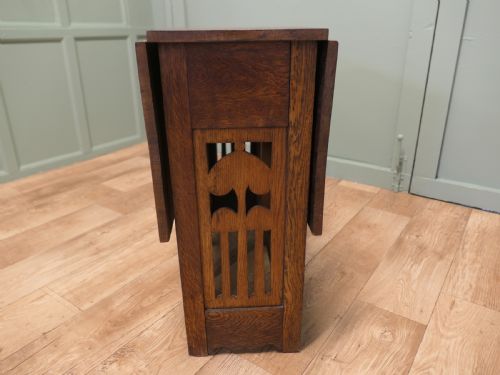
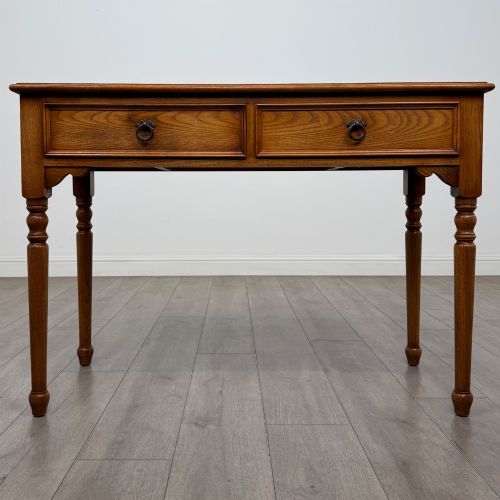
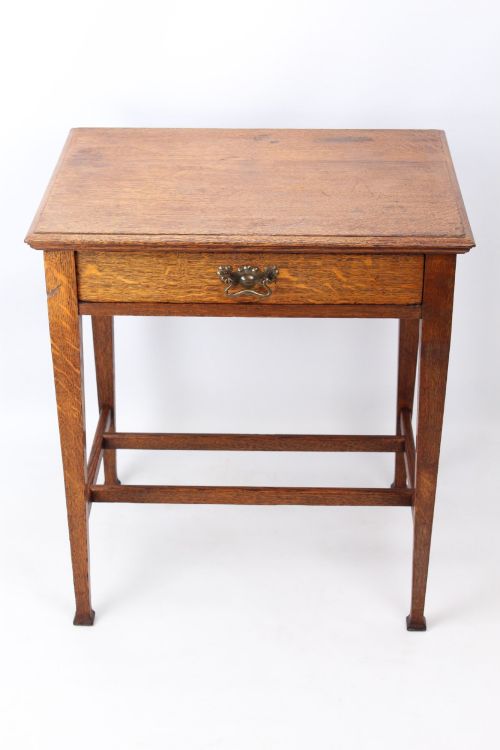
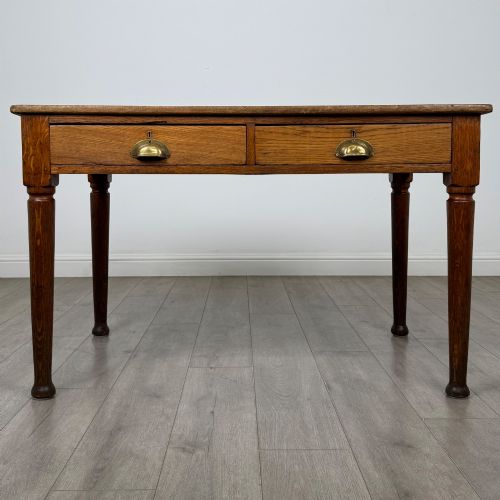
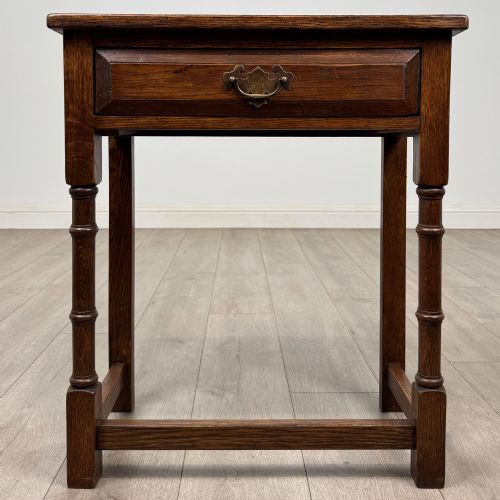
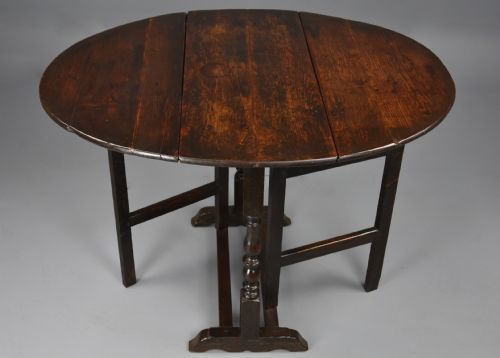
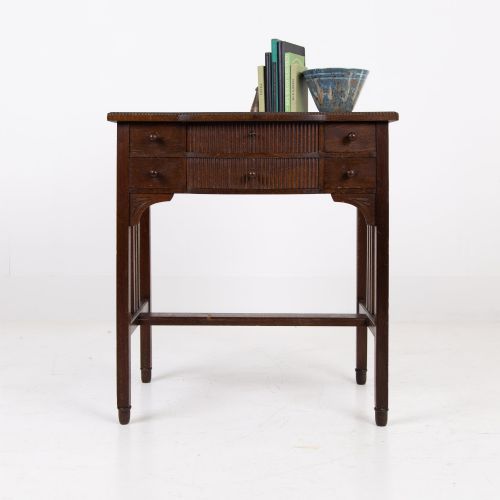
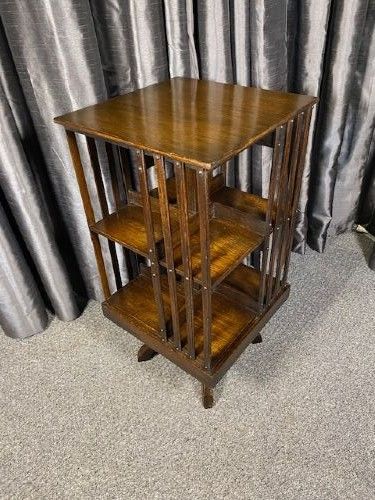
Compact Oak Table
A compact oak table offers versatile surface space in smaller rooms, drawing on centuries of sturdy timber craftsmanship.
Compact Oak Table
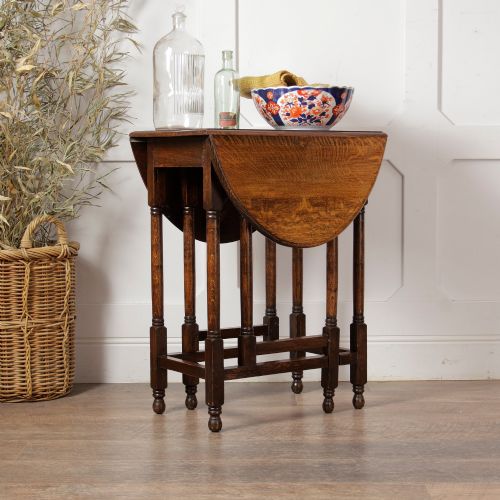
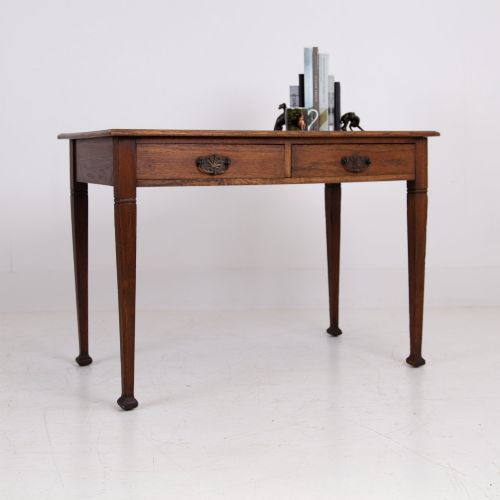
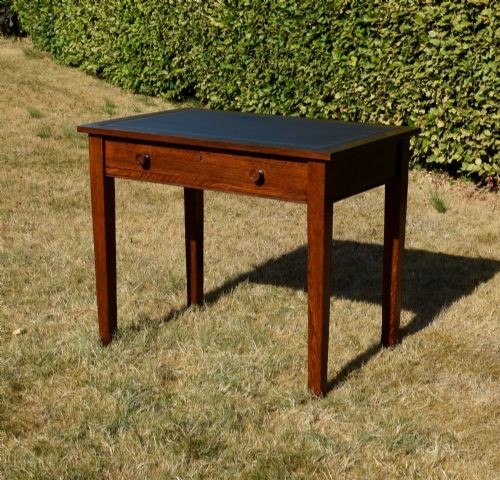
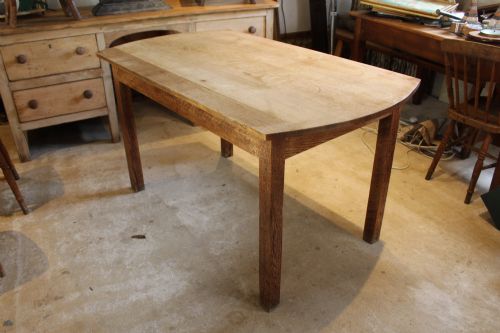
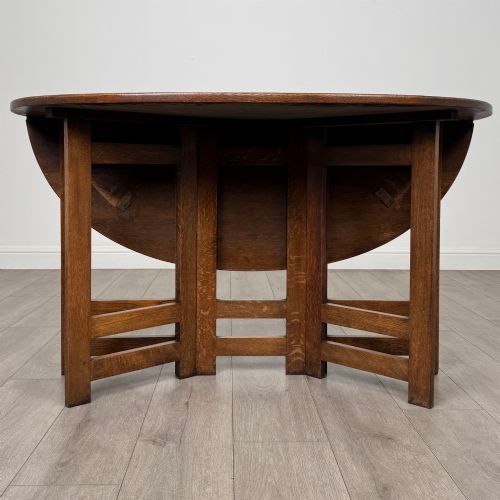
A compact oak table serves multiple daily functions across different rooms, appearing frequently as a gateleg dining table, a small writing desk, or an occasional coffee table. These pieces emerge from periods spanning the late seventeenth century through the Edwardian era and into the nineteen-twenties and nineteen-thirties.
Buyers seeking this phrase encounter formats designed to save space, including drop-leaf drop-side mechanisms and swivel-top configurations. Styles range from Jacobean Revival and Arts and Crafts to English Country and Art Deco, reflecting shifting domestic needs over generations.
What varies in quality
The degree of hand-craftsmanship distinguishes standard utilitarian items from finer examples associated with known workshops or specific revival movements. Selection of timber figure and the depth of the original surface patina dictate visual appeal.
Structural integrity of the folding leaves, drawer runners, and turning precision determine the durability and sustained utility of each table over decades of daily use.
Materials paired with oak across these pieces include leather, brass, iron, beech, and mahogany.
James Shoolbred·Heals of London·Jenners
The Compact Oak Table Glossary
- Gateleg table
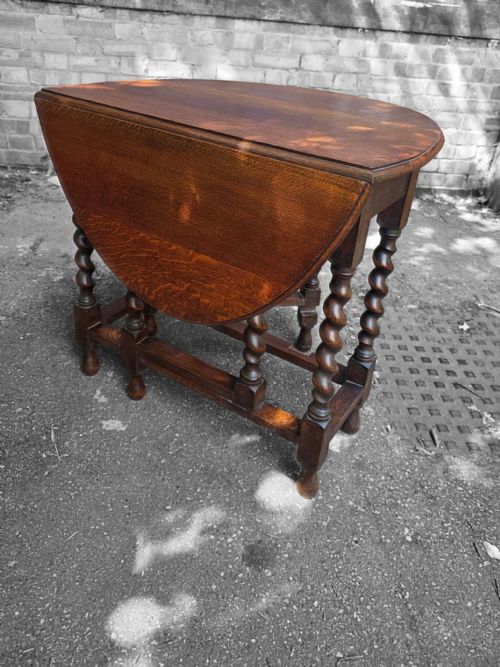
- A drop-leaf table with hinged flaps supported by legs that swing outward from the centre frame. This design allows the table to expand for dining or fold down for storage against a wall.
- Barley twist
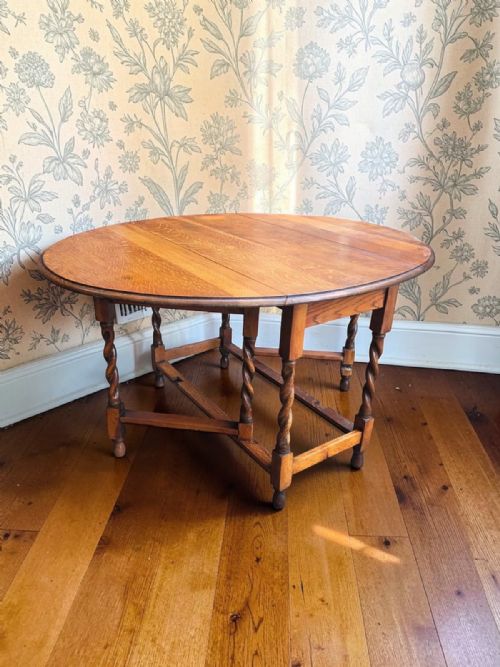
- A type of turned wooden leg carved in a spiral shape resembling a twisted rope. This decorative feature appears frequently on seventeenth-century pieces and later revival furniture.
- Refectory table
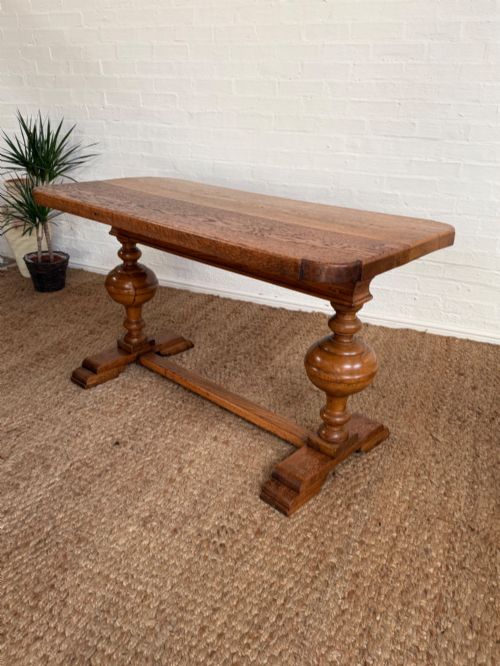
- A long, narrow dining table traditionally built with solid timber tops and stretcher bases. Smaller versions adapt this robust monastic form for domestic interiors.
- Drop-leaf table
- A table featuring a fixed central section with hinged leaves on either side that can be raised or lowered. It provides flexible surface area in restricted spaces.
- Patina
- The glossy sheen and mellow colour developed on the surface of wood over many years through use, waxing, and ageing. A desirable original surface exhibits depth and character.
Compact Oak Table: Frequently Asked Questions
Are these tables suitable for daily use?
Solid oak construction provides robust durability for everyday dining, writing, or placing drinks. Gateleg mechanisms and drop leaves make them practical for modern living spaces that require flexible furniture.
Routine maintenance involves applying a gentle beeswax to nourish the timber and protect the surface from moisture.
How can I tell the period of an oak table?
Examine the joinery methods, hardware materials, and overall decorative style to identify the era of manufacture. Seventeenth-century examples often feature pegged tenons and deep patinas, while Edwardian and nineteen-twenties pieces show machine-sawn components alongside revival motifs.
Comparing the turned leg profiles, such as barley twist versus tapered legs, helps narrow down whether a piece belongs to an early period or a later revival.
What is the difference between a gateleg and a drop-leaf table?
A gateleg table uses pivoting legs attached to a swinging gate frame to physically support the dropped leaves from underneath. Standard drop-leaf tables may rely on simpler pull-out wooden brackets or hinged arms.
Both designs serve the same space-saving purpose, but the gateleg provides more substantial weight-bearing support for the extended leaves.