



Compact Oak Bureau Cabinet
A compact oak bureau cabinet offers a practical writing surface and enclosed storage suited for smaller rooms.
Compact Oak Bureau Cabinet
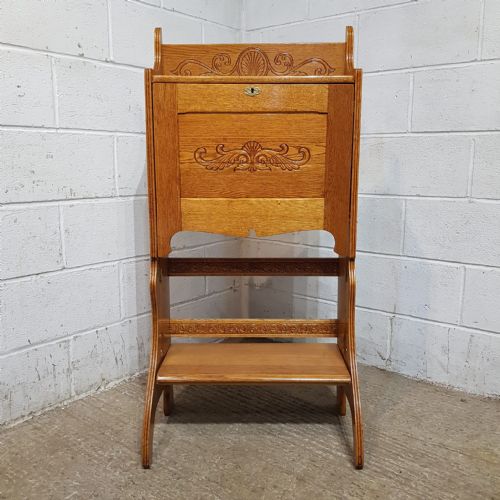
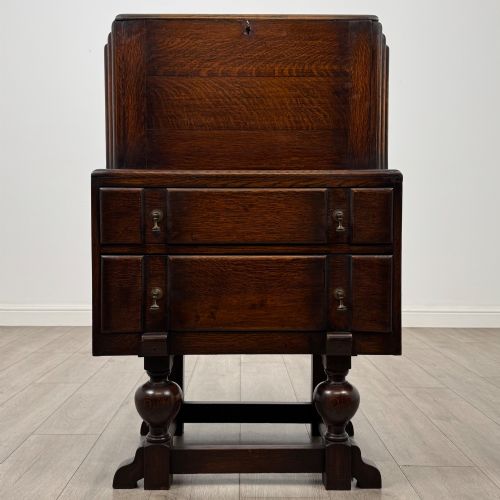
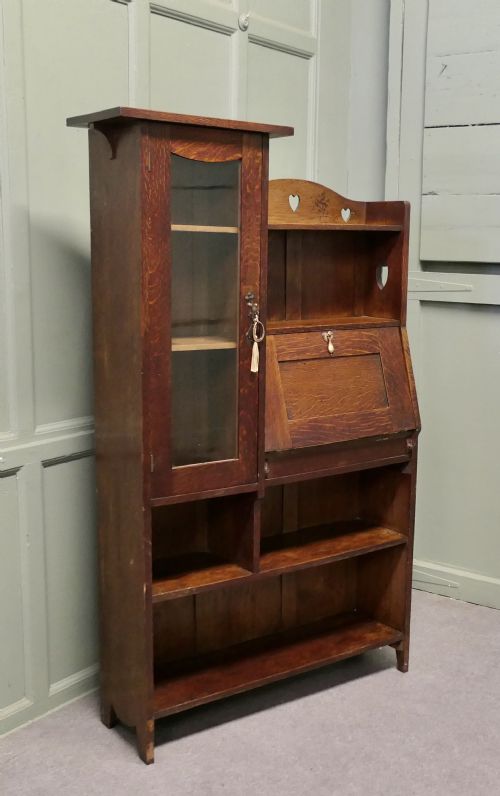
A compact oak bureau cabinet combines a sloping or fall-front writing desk with upper bookcase storage or lower drawers, designed to save floor space. When you search for a compact oak bureau cabinet, you encounter pieces originating from the late seventeenth century through the Edwardian era and the nineteen-thirties.
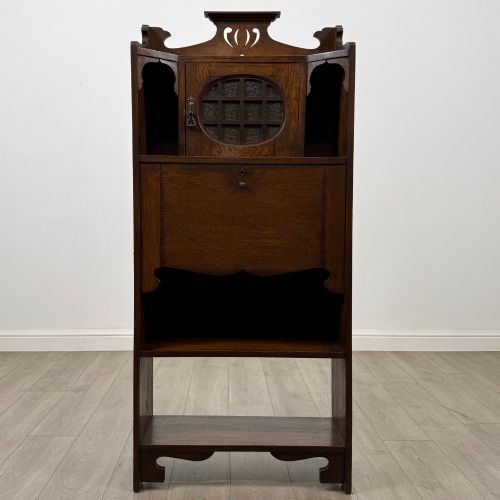
The selection ranges from narrow Edwardian writing desks to seventeenth-century small bureaux and glazed bookcase combinations. These items serve as functional writing furniture while occupying minimal room in a study or living area.
Materials and construction methods
These pieces are constructed primarily from solid oak, sometimes utilising pollard oak, burr oak or oak veneers to create distinctive surface grain patterns. Brass handles, iron hinges, glass panes and leather writing inserts frequently accompany the timber framing.
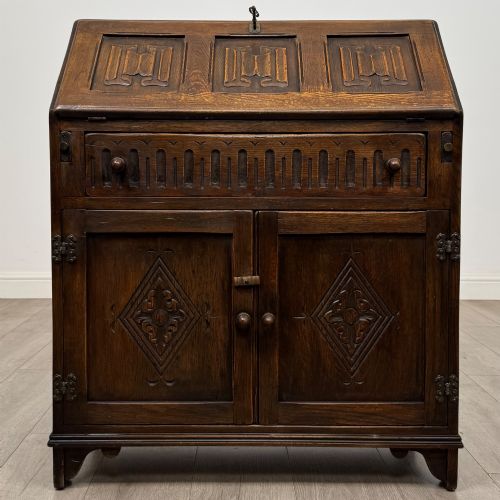
Joinery methods vary from traditional period framing to revival styles such as Jacobean, Tudor and Arts and Crafts. Carved details, including green man motifs or linenfold panels, appear alongside simpler glazed bookcase upper sections.
Listings feature oak material across multiple eras, ranging from seventeenth-century small pieces to Edwardian and nineteen-thirties productions.
Factors determining quality and craftsmanship
Quality rests upon the selection of timber figures, such as golden oak or pollard oak, and the crispness of hand-carved details like linenfold or figural work. The integrity of the fall-front hinges and internal pigeonholes distinguishes superior examples.
Proportion and scale dictate the desirability of smaller formats, particularly where narrow footprints or corner configurations are executed with balanced cabinetwork. Original brass hardware and intact glass panels further elevate a piece.
Harris Lebus·Bryn Mawr
The Compact Oak Bureau Cabinet Glossary
- Bureau
- A desk featuring a hinged sloping flap that covers a workspace and inner compartments. It often sits atop drawers or a cabinet base.
- Linenfold
- A style of wood carving that resembles folded parchment or linen. It is commonly found on panels of period furniture.
- Pollard oak
- Oak timber taken from trees that have been pollarded, producing dense and highly figured growth rings. This wood is prized for decorative veneering.
- Davenport
- A small compact desk featuring a sloped writing surface above a pedestal of drawers. It developed during the nineteenth century.
Compact Oak Bureau Cabinet: Frequently Asked Questions
What is a bureau cabinet?
A bureau cabinet combines a drop-front writing desk with storage compartments and upper shelving or a bookcase. It provides a dedicated workspace that can be concealed when not in use.
These combination pieces were built to maximise utility in domestic spaces, keeping writing materials and books organised within a single footprint.
How do I date an oak bureau?
Dating relies on examining construction techniques, hardware, timber selection and stylistic revival details. Seventeenth-century examples display different joinery compared to Edwardian or Arts and Crafts adaptations.
Secondary woods, backboards and interior drawer construction also offer clues to the period of manufacture.
Where should I place a compact bureau?
A compact bureau suits smaller rooms, hallways or corners where a full-sized desk would overwhelm the space. The vertical height of bookcase variants utilises wall room efficiently.
Ensure adequate clearance in front of the piece for the fall-front flap to open fully during writing use.
What is an Arts and Crafts bureau?
An Arts and Crafts bureau reflects the late nineteenth and early twentieth-century design movement focusing on hand craftsmanship and visible joinery. These pieces often feature simpler lines and honest use of oak.
Makers from this period emphasised functional integrity over excessive ornamentation.