
Comb Back Armchair
These chairs combine vernacular comfort with structural resilience, offering a traditional form shaped by centuries of English and Welsh country craftsmanship.
Comb Back Armchair
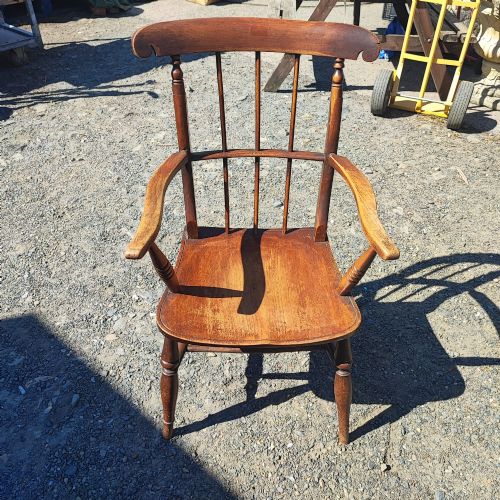
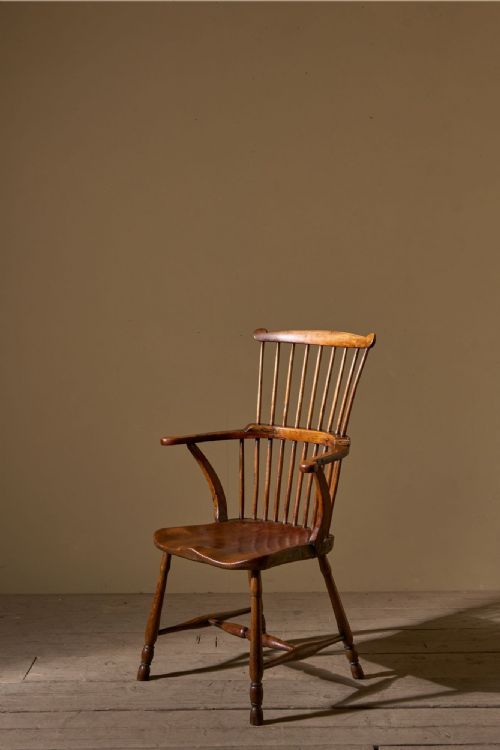
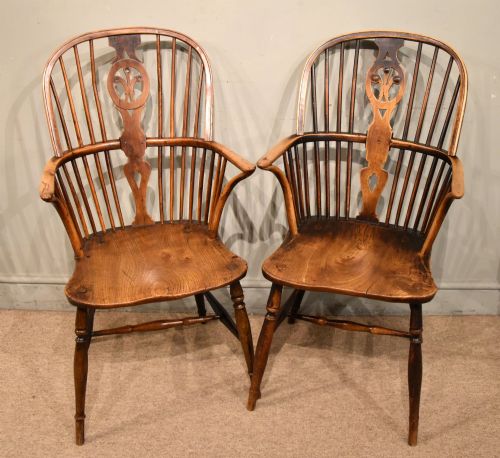
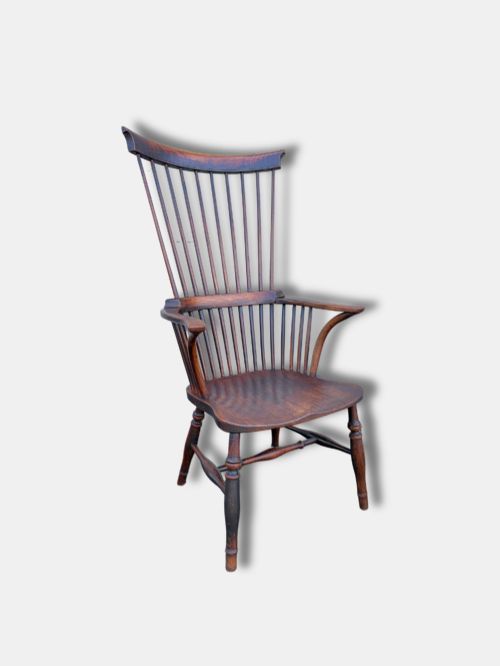
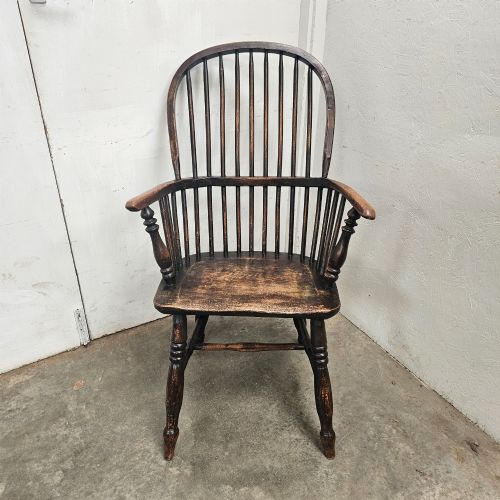
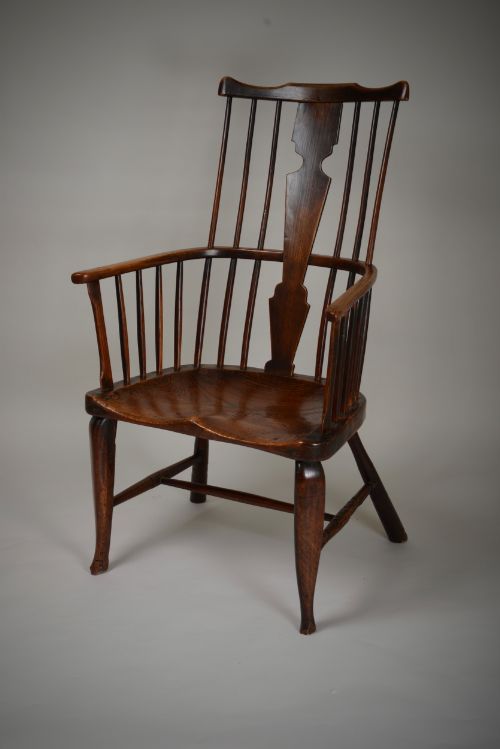
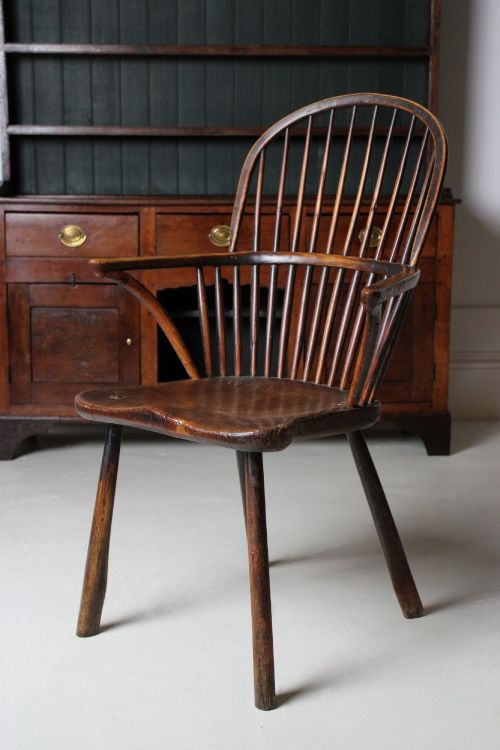
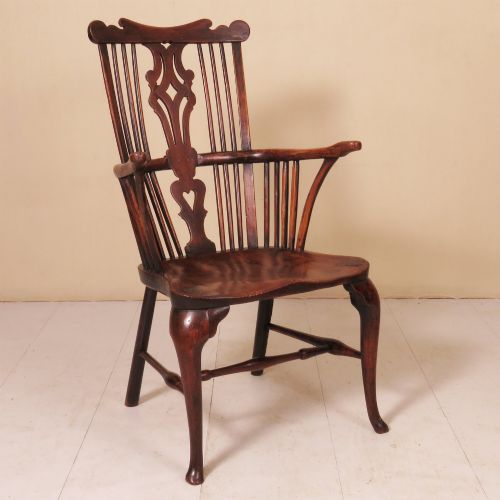
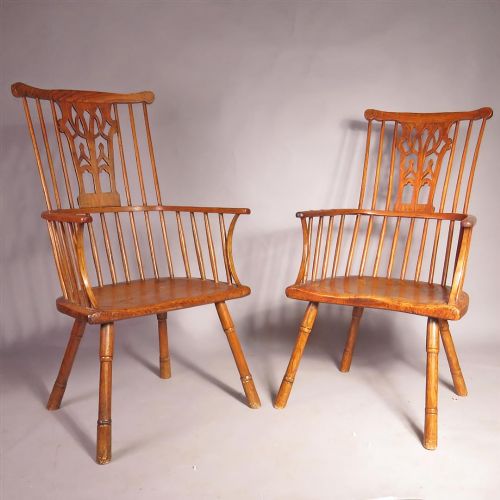
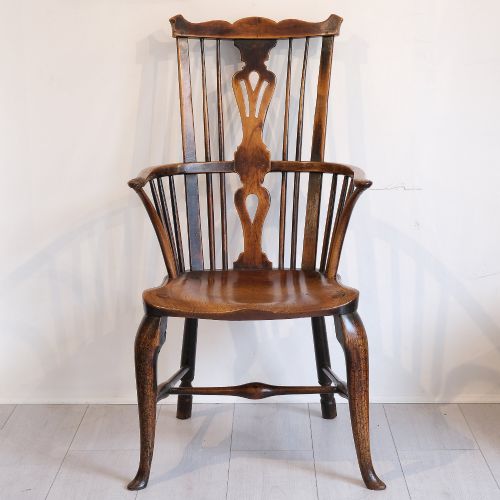
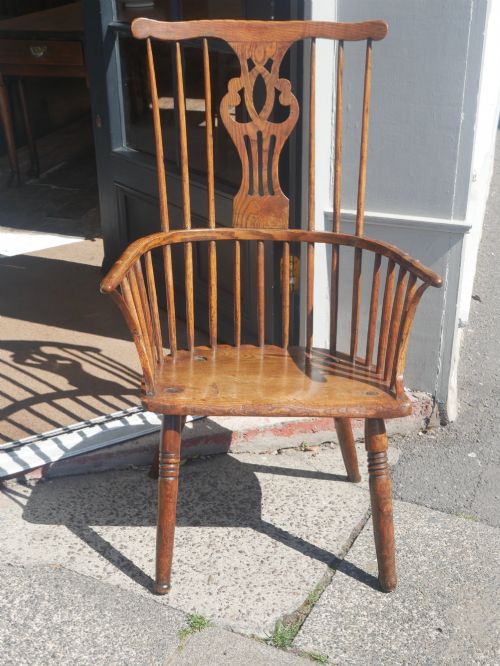
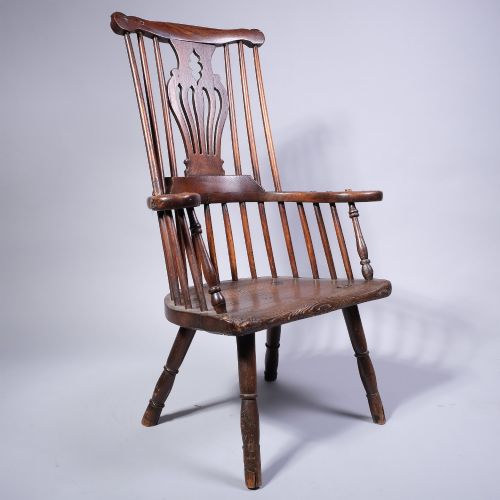
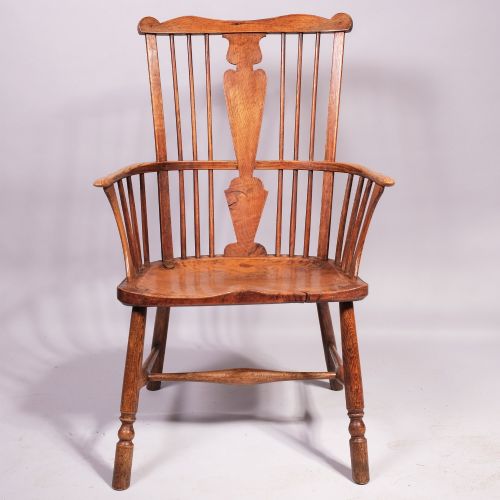
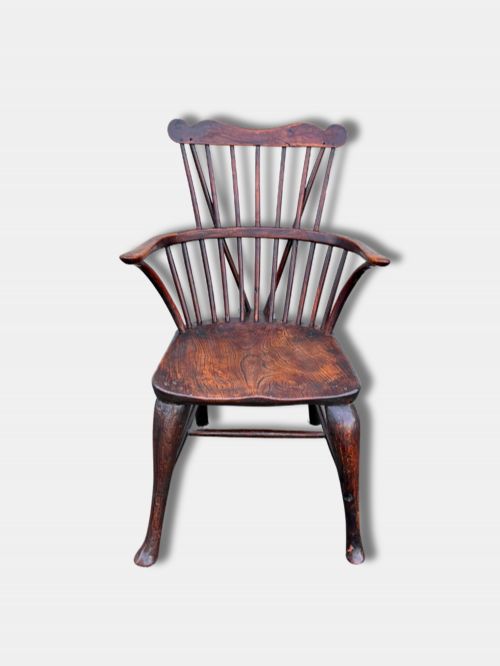
A comb back armchair is a traditional Windsor form distinguished by a prominent, horizontal headrest rail resembling a decorative comb, supported by vertical spindles that pierce through the seat. When searching this phrase, buyers encounter pieces primarily originating from the eighteenth and nineteenth centuries, spanning Georgian, Regency, and Victorian periods. The common execution pairs a sculpted elm seat with an ash or fruitwood frame, reflecting the regional vernacular traditions of the Thames Valley, Wales, and the West Country.
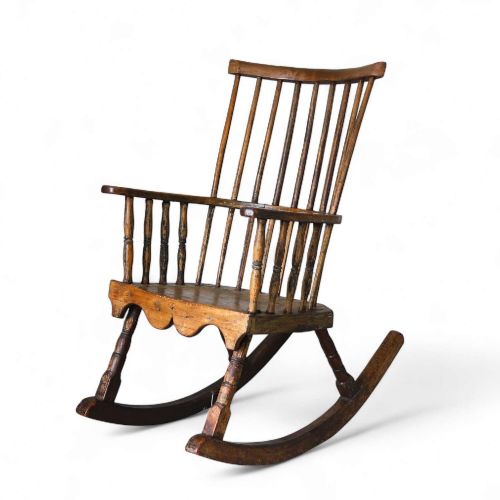
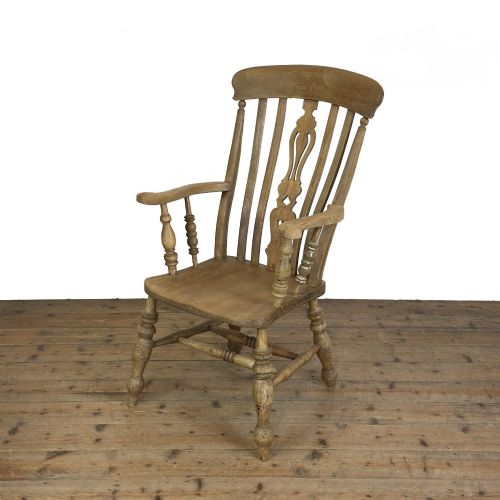
The category encompasses robust kitchen chairs, high-back farmhouse variants, and primitive rocking chairs designed for everyday domestic use. Welsh examples often display distinct regional traits such as lower comb heights or saddle seats, while Thames Valley pieces frequently demonstrate refined turning on the legs and spindles. Buyers are most likely to meet ash and elm iterations that have survived through generations of rural use, carrying the physical markers of country workshops rather than urban cabinet makers.
Materials and Construction
Makers utilised a mixed-wood construction strategy to exploit the specific mechanical properties of each timber. Elm was selected for the solid, thick saddle seat because its interlocking grain resisted splitting when the heavy legs and undercarriage were wedged into bored holes. Ash provided flexible strength for the steam-bent back bows and the slender spindles that form the comb, allowing the wood to curve under tension without fracturing.
Additional timbers such as oak, yew, fruitwood, and alder appeared depending on regional availability and the desired finish of the workshop. Components were shaped using drawknives and spokeshaves before being joined through traditional wedged tenons and pegging, creating a rigid skeletal frame without the use of metal fasteners. This method relied upon the seasonal expansion and contraction of unseasoned or partly seasoned woods to lock the joints permanently in place.
Comb Back Armchair Retail Price Guide 2026
Typical asking prices for comb back armchair among the pieces listed under this phrase on Sellingantiques today, from the lower quarter to the upper quarter. They describe what is for sale here now, not the wider market.
Evaluating Comb Back Armchairs
Quality in these chairs rests upon the fluidity of the timber shaping and the integrity of the original joins. Superior examples feature deeply sculpted, thick elm seats with pronounced adze marks and well-balanced proportions in the splay of the legs. The finesse of the spindle turnings and the graceful curve of the steam-bent comb distinguish workshop output from later, heavier reproductions.
The survival of original surface treatments and timber colour significantly influences the character of the piece. Chairs retaining early wax finishes or untouched dry surfaces exhibit a depth of tone that heavy cleaning or modern stripping destroys. Structural balance, minimal replacement of the primary spindles, and the retention of the original wedged undercarriage separate desirable vernacular examples from heavily restored specimens.
George Wilson·R. Tyzack·William Birch
The Comb Back Armchair Glossary
- Comb back
- A Windsor chair variant where the central spindles extend upward through the arm rail to support a horizontal top piece resembling a dressing comb. This design offers reinforced upper back support.
- Windsor chair
- A chair built with a solid wooden seat into which the legs and back sticks are directly inserted rather than constructed via a traditional frame. These pieces rely on socket-and-tenon joints for stability.
- Vernacular furniture
- Objects made by local artisans following regional traditions and functional requirements rather than following metropolitan fashion or pattern books. These pieces use locally sourced timbers.
- Saddle seat
- A thick wooden seat base scooped out by hand using an adze or scorp to mirror the contours of the body. This shaping provided ergonomic comfort before the widespread use of upholstery.
- Spindle
- A slender, turned wooden rod used vertically to fill the space between the seat and the arm or top rail. Spindles distribute structural weight and provide flexible back support.
Comb Back Armchair: Frequently Asked Questions
How do I date an old comb back armchair?
Dating relies on observing tool marks, timber shrinkage, and changes in the turning style of the legs and stretchers. Earlier eighteenth-century iterations often display cruder adze work on the seat bottom and heavier ash components compared to nineteenth-century examples.
Regional characteristics also help narrow the period, as local workshops maintained specific construction quirks over generations. Analysing the wear patterns around the foot ring and the composition of the secondary woods provides further chronological clues.
Were these chairs used outdoors?
These pieces were primarily designed for domestic indoor environments such as farmhouse kitchens, cottages, and provincial dining rooms. Their robust timber construction meant they could endure the heavy demands of daily rural life.
While some sturdy forms migrated to porches or gardens in later decades, prolonged exposure to damp conditions damages the unsealed joints and degrades the soft elm seats. Indoor placement remains essential for preserving the historic timber integrity.
How should I care for the dry wood?
Maintaining the timber requires stable indoor humidity levels away from direct heat sources and radiators that cause the wood to shrink and split. Regular application of a traditional beeswax feed nourishes the dry surface without building up synthetic residues.
Harsh chemical polishes and modern silicones should be avoided because they strip the historic patina and soften the grain. Gentle dusting with a dry cloth keeps the surface clean while preserving the natural ageing of the wood.
What is the difference between a Welsh and a Thames Valley comb back?
Welsh comb backs typically exhibit a more primitive, rugged construction using local ash and thick elm, often featuring lower, broader combs and direct, functional lines. Their makers prioritised utilitarian strength over refined decorative turning.
Thames Valley examples generally demonstrate greater sophistication with slender, crisply turned spindles, elegant arm scrolls, and symmetrical undercarriages. These southern chairs reflect proximity to urban design centres while retaining the core Windsor structure.