
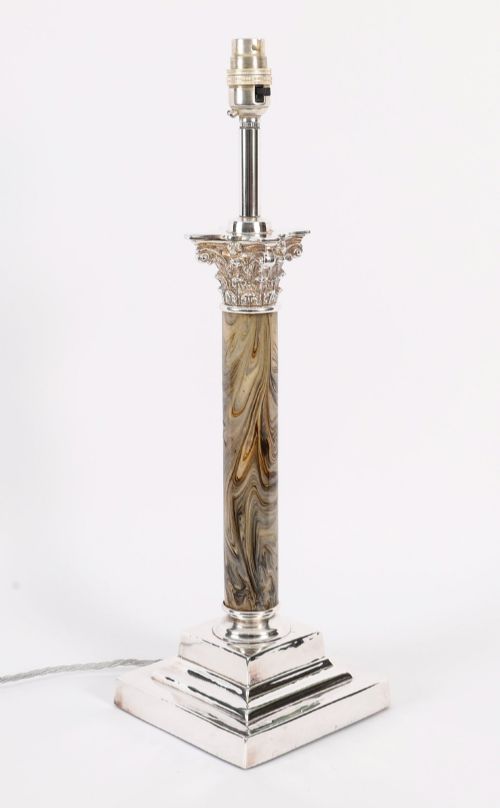
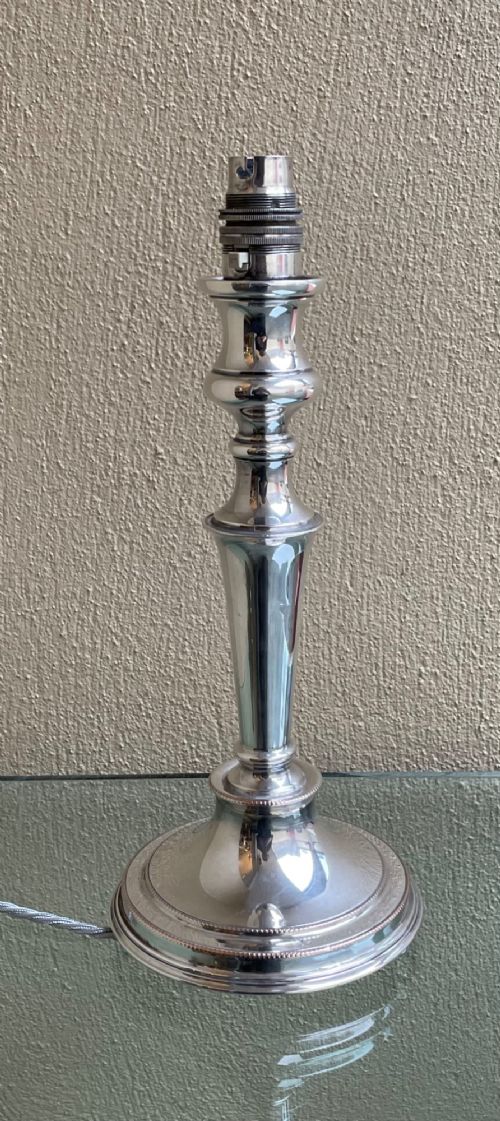
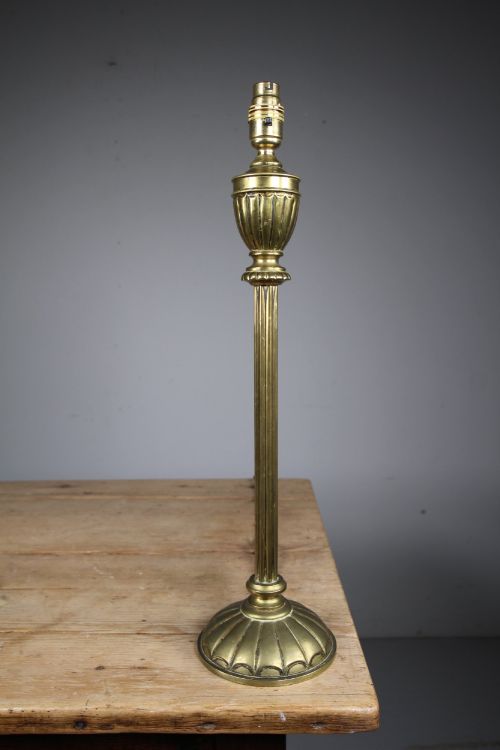
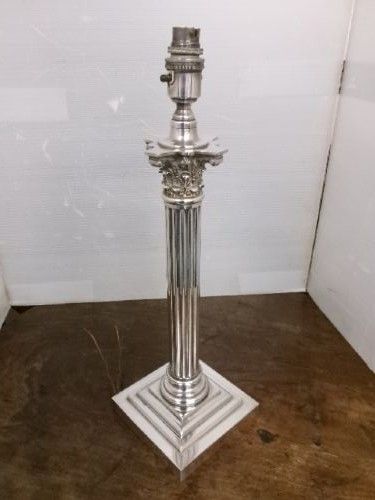
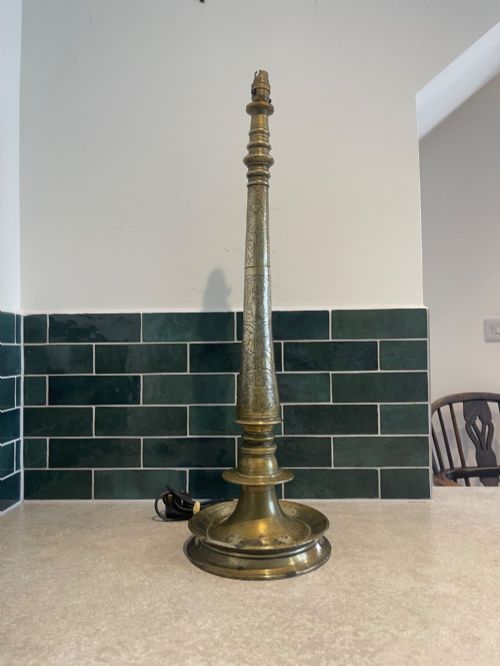
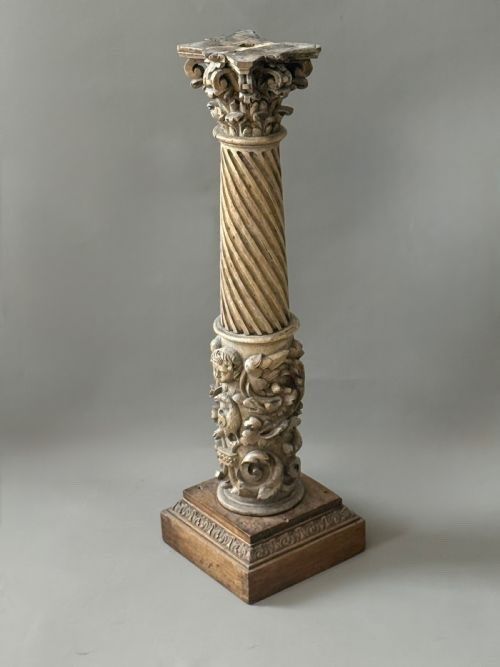
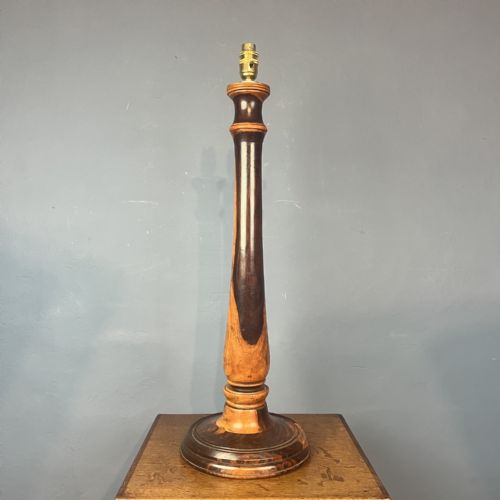
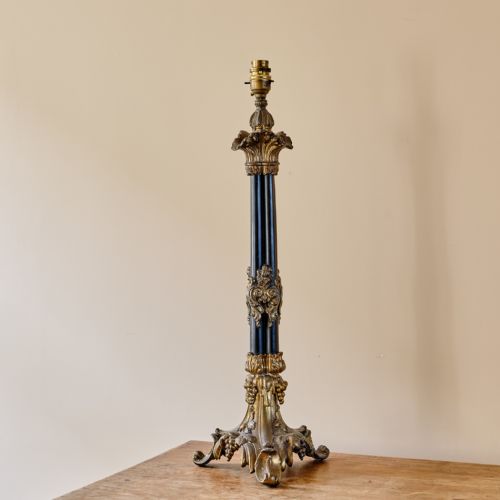
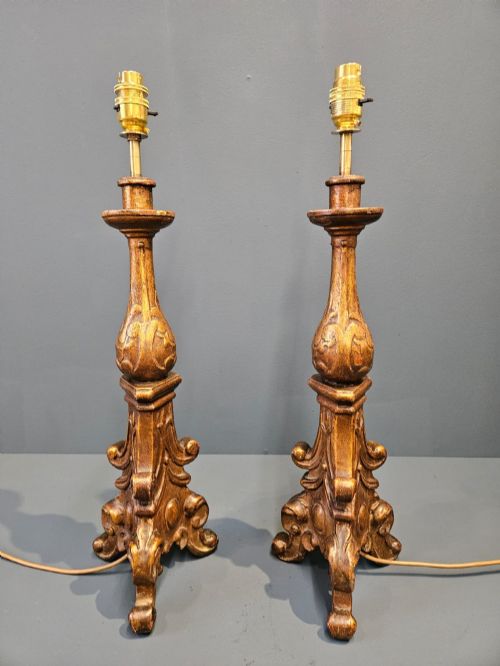
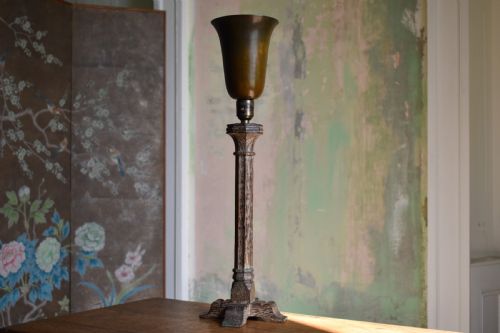
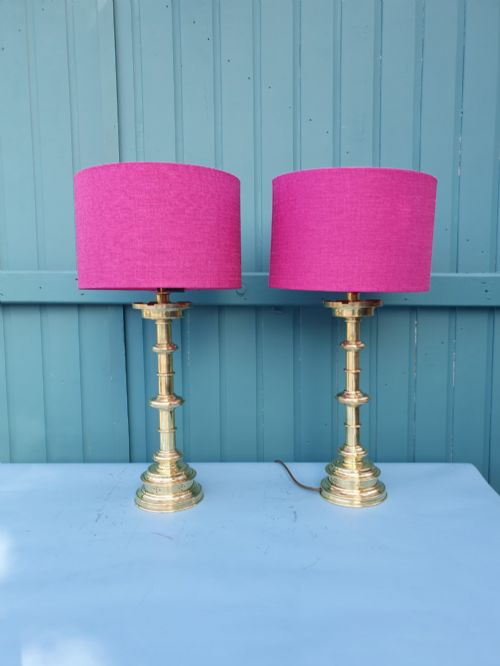
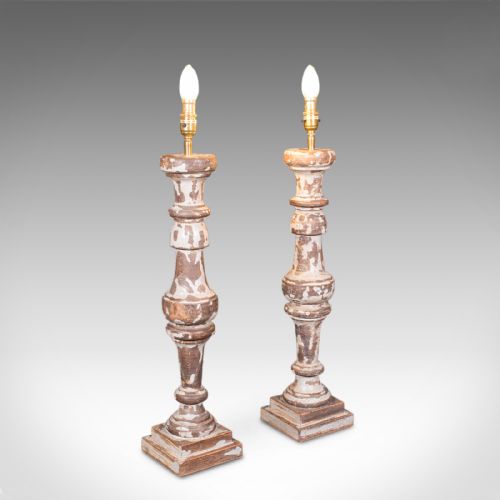
Column Candlestick Lamp
Column candlestick lamp selections offer classical height and proportion, bringing upright architectural form to a room.
Column Candlestick Lamp
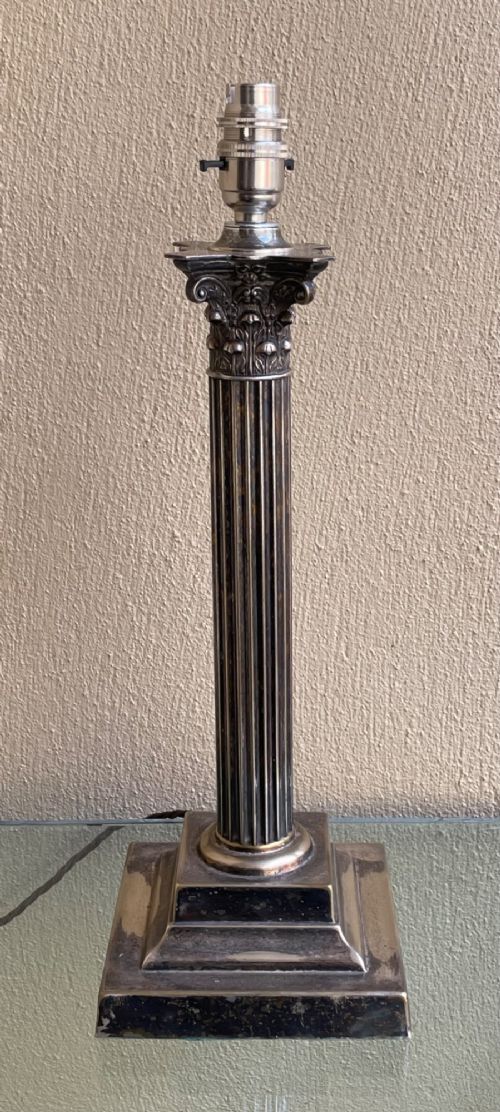
A column candlestick lamp transforms structural architectural supports into domestic illumination, utilising classical orders like Corinthian and Ionic. When searching for a column candlestick lamp, buyers encounter pieces that began life as heavy altar candlesticks, oil lamps, or weighted desk lighting.
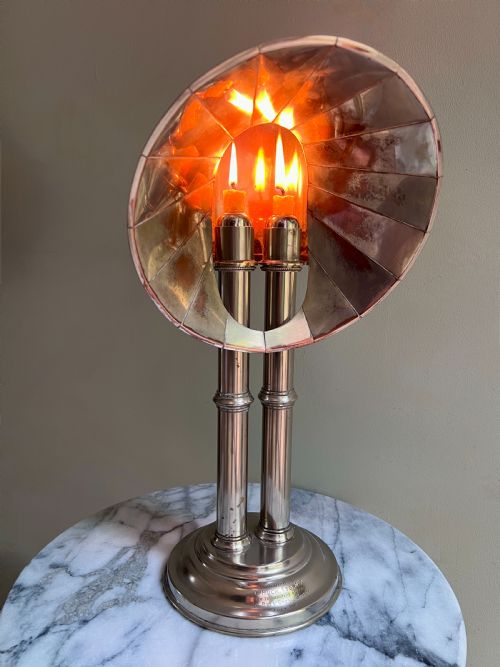
The selection here draws primarily from the Victorian and Edwardian eras, alongside French Empire and Gothic Revival pieces. These table lamps and lamp bases lean heavily on standard column forms adapted for electricity or retained as reflector candle lamps.
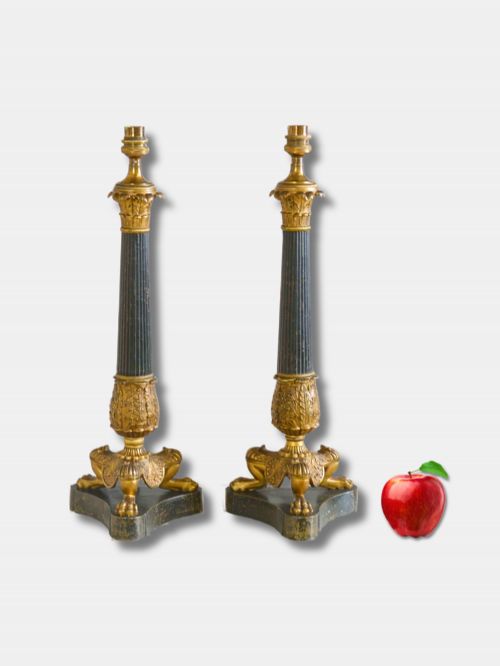
Most examples rely on metal construction, specifically brass, silver plate, and solid ormolu, though timber versions in lignum vitae, limed oak, and painted pine also appear. Origin points stretch across English workshops, French foundries, and continental makers.
Materials and Construction
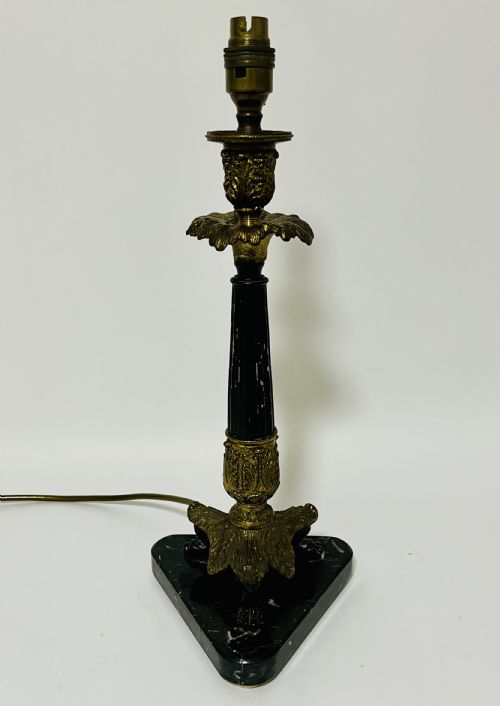
Makers formed the structural shafts from heavy cast brass, turned timber, or carved wooden pillars, often mounting them on stepped square bases or lion's paw feet. Silver plating and gilt bronze applied rich surface finishes to base metals, while glass and crystal introduced translucent weight.
Workshops constructed these pieces to mimic classical stone architecture in miniature, turning metal and wood on lathes or casting molten bronze in detailed moulds. Assembly involved threading central pipes through stacked sections to house electrical wiring or retaining drip pans for older candle configurations.
Materials span brass, silver plate, ormolu, gilt bronze, crystal, and timbers including lignum vitae and limed oak.
Judging Quality and Execution
The distinction between standard production and superior work lies in the crispness of the capital detailing and the weight of the casting. Finer examples display deeply undercut acanthus leaves on Corinthian capitals and solid gauge silver plate over heavy brass bases.
Proportion and material integrity dictate the upper tier of pieces, where heavy gauge metals prevent tipping and crisp carving endures on timber columns. Inferior versions rely on thin sheet metal casings and indistinct surface chasing that softens the architectural lines.
Harrison Brothers & Howson·Walter Latham & Son·Goldsmiths
The Column Candlestick Lamp Glossary
- Corinthian
- An architectural column capital decorated with ornate acanthus leaves and scrolls. This order appears frequently on silver-plated table lamps from the nineteenth century.
- Ormolu
- Finely ground high-carat gold mercury-gilded onto a bronze base. This technique produces a rich metallic lustre seen on French Empire and neoclassical lamp bases.
- Ionic
- A classical column style distinguished by twin scroll shapes known as volutes on the capital. Victorian brass examples utilise this order for formal desk and table lighting.
- Reflector
- A polished metal disc or plate designed behind a candle or bulb to project illumination forward. These additions date conversion pieces back to early lighting formats.
Column Candlestick Lamp: Frequently Asked Questions
What is a column candlestick lamp?
A column candlestick lamp is a lighting base designed to mimic the vertical shaft of a classical architectural column. These pieces adapt traditional support structures into functional table illumination.
Many examples originate as converted altarsticks or heavy metal candlesticks fitted with electrical hardware. Their upright geometry introduces formal balance to side tables and desks.
How do I date a brass lamp?
Dating relies on observing manufacturing techniques, material weights, and stylistic revival periods. Victorian and Edwardian examples often feature heavy cast brass components with distinct capital orders.
Inspect the base construction, screw threads, and wiring channels for signs of period assembly methods. Makers frequently stamped or inscribed registry marks and maker names directly onto the metal foot.
Were these lamps originally electric?
Most antique column lamps began as oil lamps or ceremonial candlesticks before conversion to electricity. Workshops adapted the hollow centre of the column to run modern wiring safely.
Retained components like drip pans, snuffer arms, or weighted reflector plates point to earlier lighting functions. These conversions preserve the original decorative metalwork while updating utility.
Where should I place a tall lamp?
Tall column lamps suit heavy timber sideboards, entrance halls, or deep desks where their vertical presence balances surrounding furniture. Their elevated height distributes light across a wider surface area.
Ensure the weight of the base matches the stability of the support furniture, as monumental metal and marble columns carry considerable mass.