


Coloured Regency Engravings
Coloured regency engravings bring crisp period character to a wall, offering lively botanical, hunting and figural subjects tinted by hand.
Coloured Regency Engravings
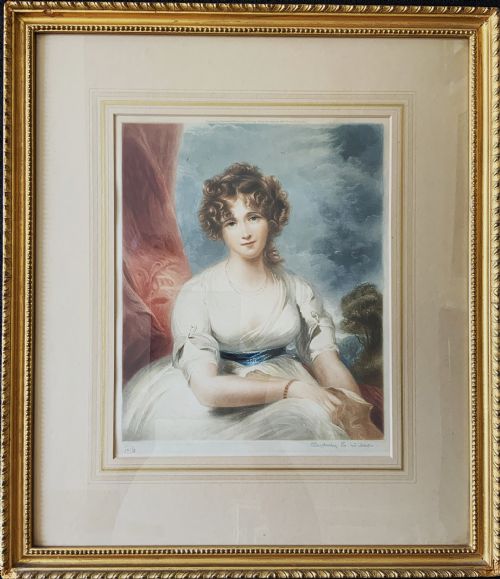
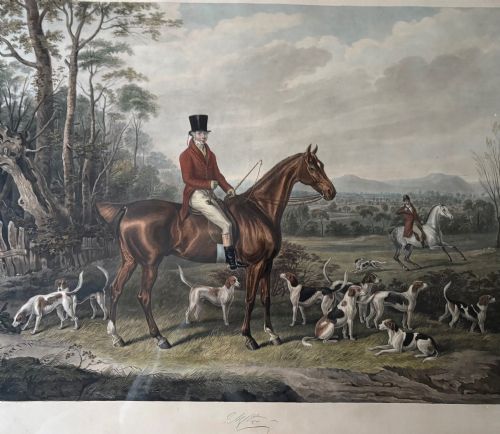
Coloured regency engravings span framed prints, wall art and decorative plates that capture the distinct visual culture of the early nineteenth century. When you search for coloured regency engravings, you encounter framed works depicting subjects ranging from natural history and sporting scenes to classical portraits and domestic series.
The pieces on this page mostly take the form of framed prints and matching pairs, often preserved behind glass in wood or giltwood frames. Dating principally from the Georgian and Regency periods, they bring domestic interiors of the era directly into modern spaces through ink lines enhanced with watercolour.
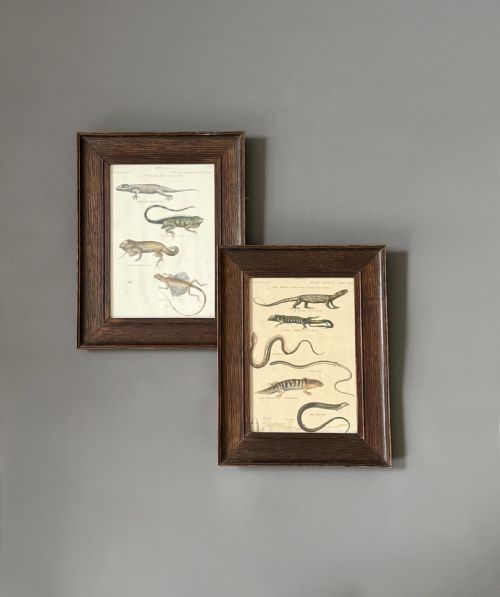
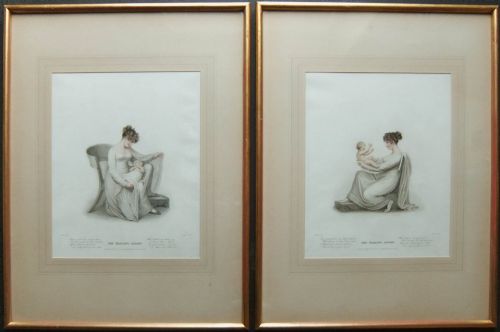
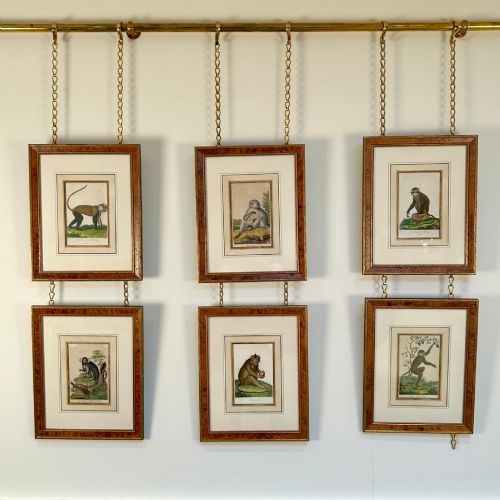
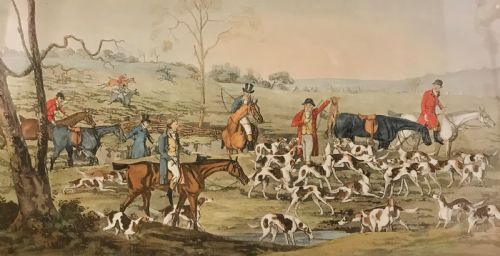
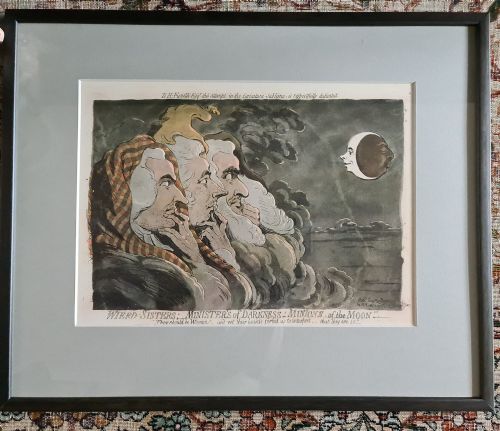
Subjects include natural history studies of reptiles and monkeys, social satires, and scenes after artists such as Adam Buck, George Romney and Thomas Rowlandson. Sets such as the Cries of London or sporting sequences appear alongside individual plates and intimate framed artwork.
How they were made
These works rely on printed ink lines on paper, pulled from engraved metal plates, lithographic stones or aquatint matrices. Artisans then applied watercolour or tinting by hand to bring vibrancy to the printed subjects.
Framing materials commonly include wood, gilt wood, giltwood and glass, often housing the delicate paper sheets in Hogarth-style frames. Gold leaf details occasionally accent the frames surrounding these antique prints.
Listings feature 19th Century, Regency, Georgian and 18th Century periods across paper, ink, watercolour, wood and giltwood materials.
What varies in quality
Quality rests significantly on the clarity of the underlying ink impression and the skill of the contemporary hand-colouring. Crisp lines and carefully blended pigments separate finer plates from heavier, less refined printings.
The preservation of the paper surface and the original housing also influence the character of each piece. Intact margins, clean sheets and period frames with original giltwood contribute to the overall integrity of the artwork.
William Bird MD FLS·Adam Buck·Aiken·Sydney Wilson·Gilray·George Romney·Henry William Banbury·Thomas Rowlandson·H. Singleton·R. Scott·Bartolozzi·Kauffman·H Thielcke
The Coloured Regency Engravings Glossary
- Engraving
- A printmaking technique where an artist cuts lines directly into a metal plate with a burin. The resulting incisions hold the ink for transfer to paper under pressure.
- Aquatint
- A variant of etching that produces tonal areas resembling watercolour washes. It was frequently used in tandem with line engraving for decorative prints.
- Mezzotint
- A printmaking method in which the copper plate is roughened to achieve rich dark tones and subtle gradations of light. It allows for velvety portraits and atmospheric scenes.
- Stipple engraving
- A technique using dots of varying density rather than continuous lines to render form and texture. It was especially popular for soft figural compositions during the Regency era.
- Hand-coloured
- A descriptor for prints that received watercolour or ink washes by hand after printing. This extra step added colour and individual variation to mass-produced plates.
Coloured Regency Engravings: Frequently Asked Questions
How should I hang coloured regency engravings?
Keep these framed works away from direct sunlight to protect the paper and hand-applied watercolours from fading. Position them at eye level in rooms with stable humidity to preserve both the print and its period frame.
Pairing matching sets or groupings together creates a balanced display on a wall. Ensure secure fixings suitable for the weight of glass and wood frames.
How do I identify a true regency engraving?
Examine the paper characteristics, plate marks and printing techniques visible under close inspection. Regency examples typically feature laid or wove paper consistent with early nineteenth-century production.
Look for publishing details, dates and artists' names printed in the margins. Contemporary hand-colouring also distinguishes period impressions from later photographic reproductions.
What subjects are most common?
Sporting scenes, natural history studies and domestic figural compositions appear frequently across these listings. Series depicting Cries of London or theatrical characters are also regular finds.
Sets of matching prints offer cohesive decoration for studies, hallways and living spaces. Each subject reflects the visual tastes of Georgian and Regency collectors.