





Coloured Glass Art
Coloured glass art encompasses leaded windows, painted panels, mirrors and vessels spanning periods from the eighteenth century to the art deco era.
Coloured Glass Art
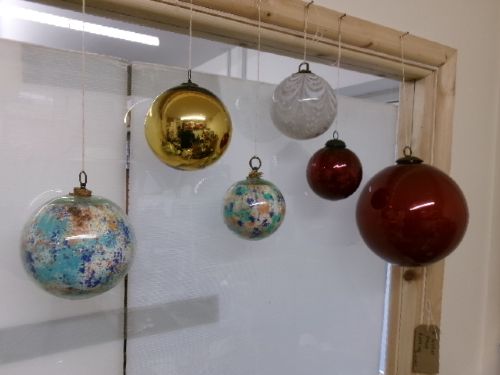
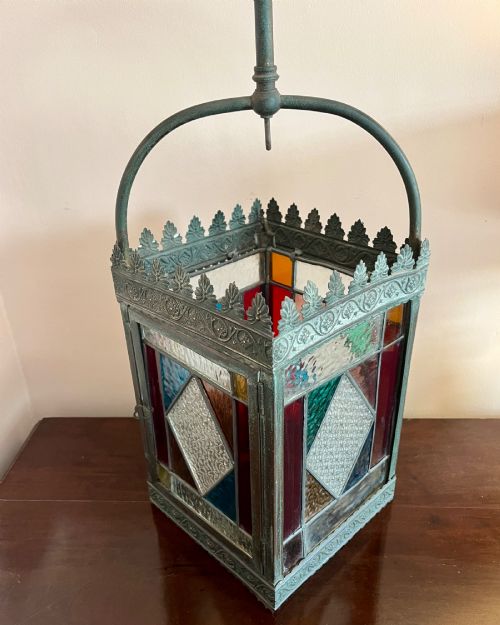
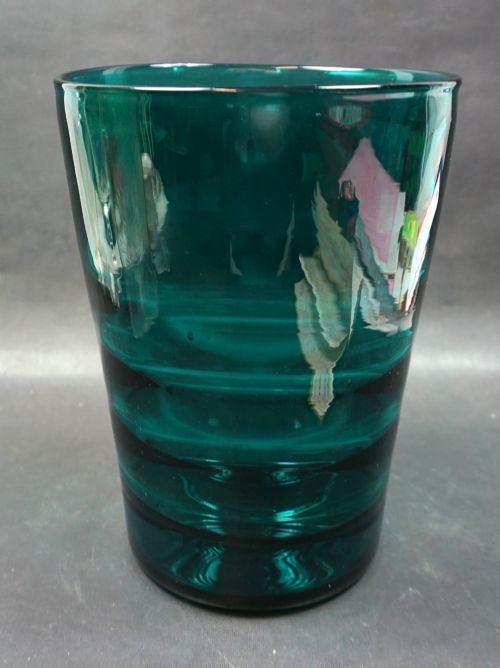
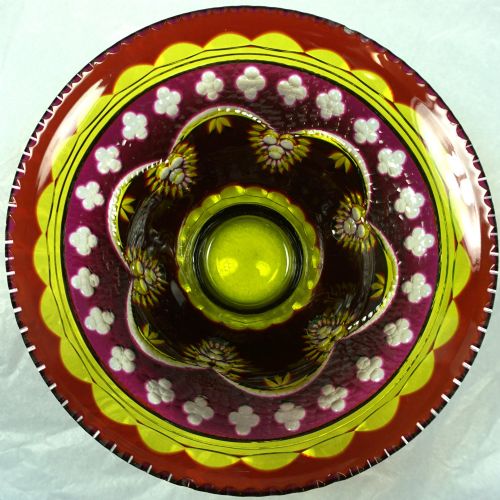
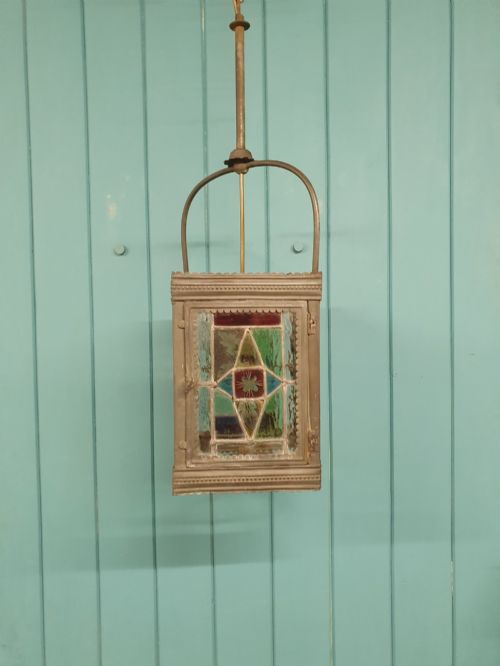
Coloured glass art brings together a diverse selection of decorative objects dominated by stained glass windows and panels, alongside mirrors, vases and chandeliers. When searching this phrase, buyers encounter architectural glasswork from the Victorian, Edwardian and nineteen-thirties periods alongside smaller vessels and reverse glass prints.
The architectural pieces frequently feature leaded construction and hand-painted pictorial designs depicting flora, fauna and figures. Alongside these windows, collectors find decorative glass from notable twentieth-century makers and styles spanning Art Nouveau, Art Deco and Arts and Crafts.
Materials and technique
The creation of these works relies fundamentally on glass combined with lead cames to hold intricate coloured compositions together. Many architectural panels incorporate hand-painted details fired onto the glass surface, while vessels utilise blown techniques and applied metallic or enamel decoration.
Framing materials such as timber and brass support the glass panels, while secondary elements like gold leaf and paper appear in related decorative formats such as crystoleums and reverse glass mezzotints.
Coloured Glass Art Retail Price Guide 2026
Typical asking prices for coloured glass art among the pieces listed under this phrase on Sellingantiques today, from the lower quarter to the upper quarter. They describe what is for sale here now, not the wider market.
Listings span the eighteenth, nineteenth and twentieth centuries, uniting stained glass, lead, brass, timber and hand-painted artistry.
What distinguishes quality
Quality in these works rests upon the precision of the leadwork, the depth and vibrancy of the glass colour, and the artistic merit of any hand-painted elements. Superior windows display harmonious colour palettes and finely detailed pictorial scenes rather than repetitive or heavy-handed designs.
The integration of materials also defines the tier of a piece, where skilled firing of enamel pigments and robust structural framing elevate an item from simple domestic glazing to high artistic expression.
Charles Horner·Robert Sayer·Stuart England·Monart Glass·Sir Edward Burne Jones·Lobmeyr Austria
The Coloured Glass Art Glossary
- Leaded glass
- Glass pieces joined together strips of lead known as cames to form a decorative window or panel. This technique allows for complex pictorial designs and geometric patterns.
- Crystoleum
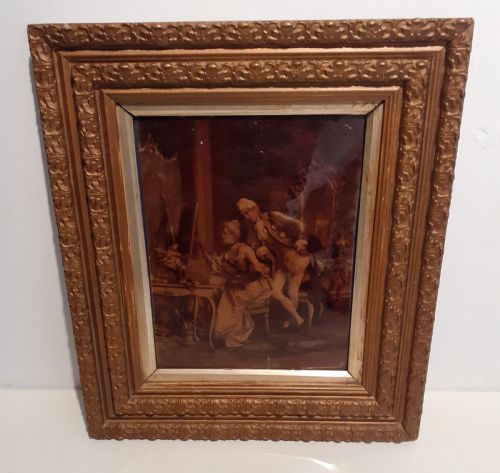
- A Victorian method of applying a colour print to convex glass and hand-painting it from behind to create a luminous pictorial effect. These are usually mounted in ornate gilt frames.
- Mezzotint
- A printmaking process where the image is worked from dark to light, often seen here executed in reverse on glass with added colour. Eighteenth-century examples demonstrate fine tonal gradation.
- Monart glass
- A style of mottled art glass produced in Scotland during the twentieth century, typically characterised by suspended bubbles and rich coloured strata within the vessel wall.
- Bullseye
- A circular centrepiece of blown glass retaining the pontil mark, frequently incorporated into architectural windows to introduce texture and alternative light refraction.
Coloured Glass Art: Frequently Asked Questions
How do I install an antique stained glass window?
These panels can be hung inside existing window frames using secure brackets to allow light to pass through the coloured glass.
Alternatively, interior wall placement with integrated backlighting provides a stable display method that protects the leadwork from weather damage.
What periods do these glass pieces come from?
The selection includes items originating from the eighteenth, nineteenth and early twentieth centuries.
Victorian, Edwardian, Art Nouveau and Art Deco eras are particularly well represented among the architectural panels and decorative objects.
How should I clean coloured glass art?
Gentle dusting with a soft cloth is recommended for painted glass and delicate leaded panels to preserve the surface.
Harsh chemical cleaners should be avoided because they can damage hand-painted details, enamels and the lead cames holding the window together.
What is the difference between a window and a panel?
Windows are typically constructed for architectural installation in exterior openings or transoms to utilise natural daylight.
Panels often share the same construction methods but may be scaled for interior decoration or wall hanging.