
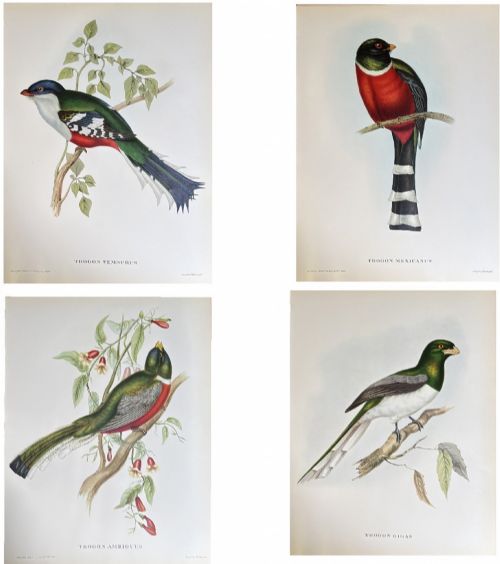
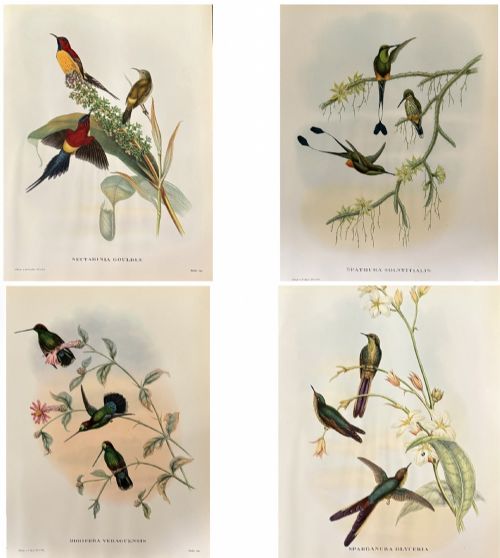
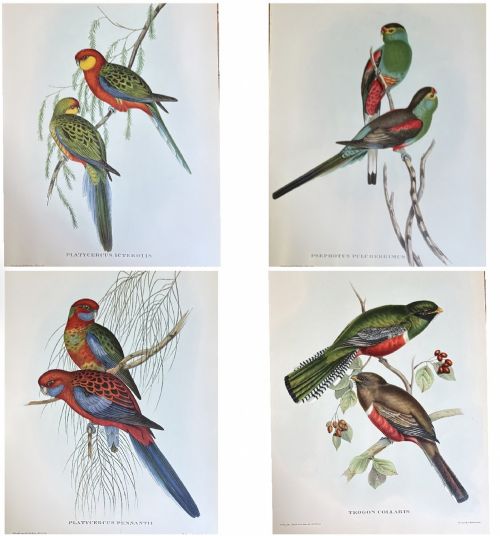
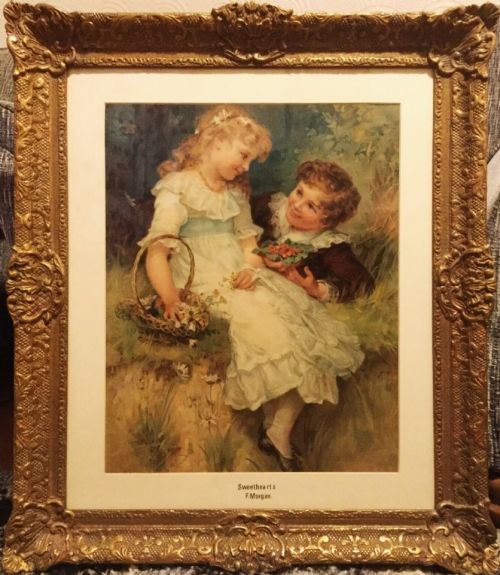




Colour Lithograph Print
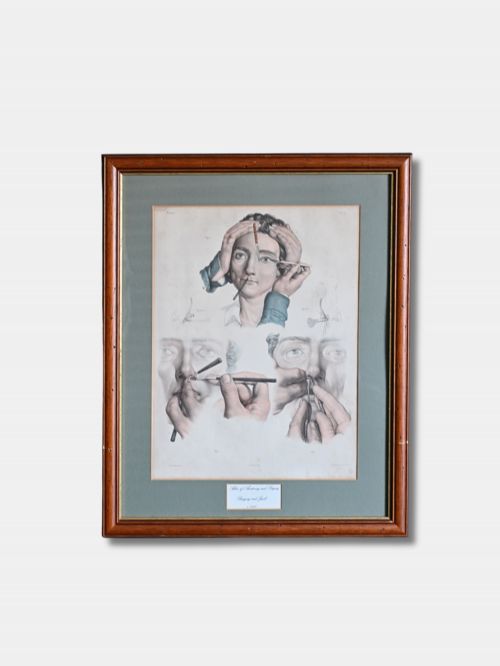
These pieces are a colour lithograph print, offering a rich window into past eras through vivid multi-toned imagery that collectors prize for display.
Colour Lithograph Print
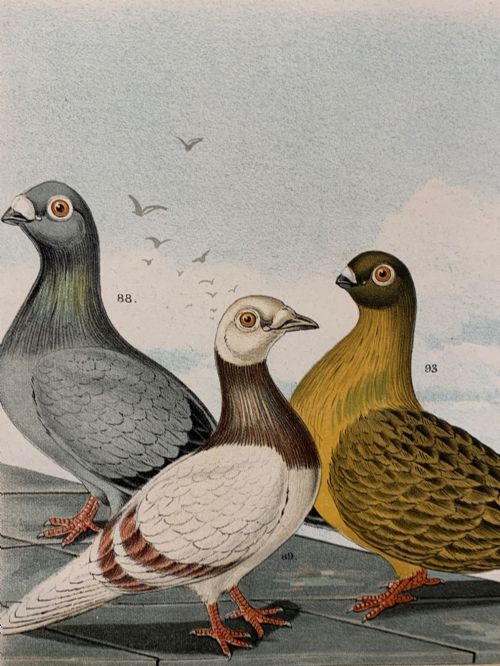
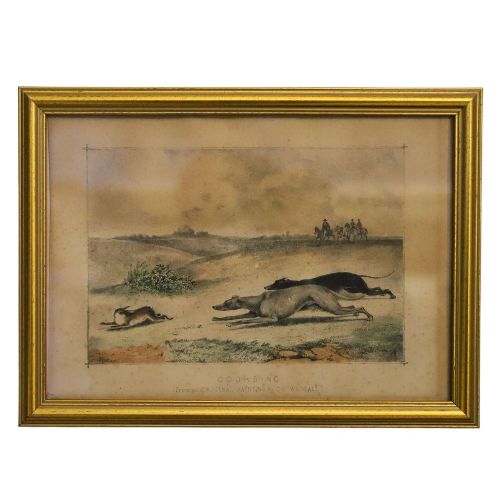
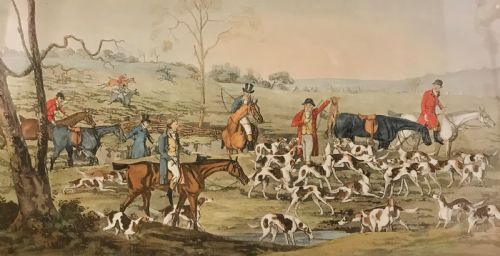
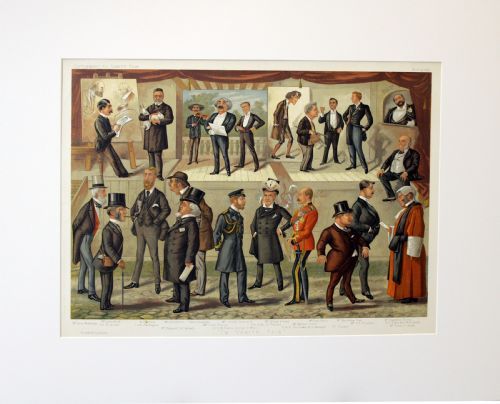
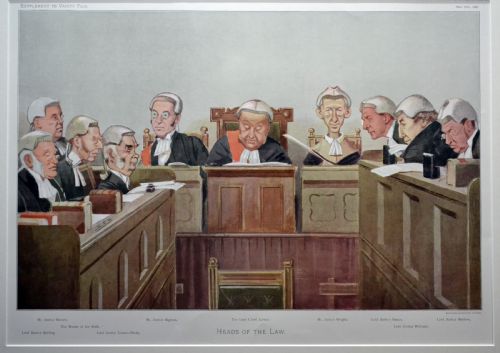
A colour lithograph print delivers distinct graphic subjects ranging from natural history and sporting scenes to caricature and portraiture. When searching for this phrase, collectors encounter various forms including framed works and unbound sheets from the Georgian, Victorian, and later nineteenth and twentieth centuries.
Originating across British, French, and American presses, these plates document popular visual culture spanning over a century. Buyers frequently select matched sets of birds or sporting scenes for decorative wall display.
Evaluating standard and preservation
Quality rests significantly on the precision of the lithographic registration and the vibrancy of the remaining inks. Crisp alignment across multiple colour stones separates finer impressions from softer, misaligned pulls.
The integrity of the paper support and the presence of original hand colouring or gilt highlights elevate an example. Complete margins, lack of heavy foxing, and original framing elements further distinguish superior specimens.
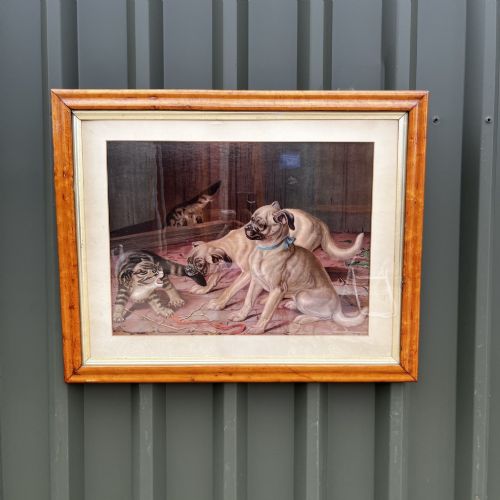
Pugs and cats share the limelight with Victorian children and exotic birds.
Gould·Frederick Morgans·C. H. Weigall·Horatio Henry Couldrey·Aiken·David Roberts·William Powell Frith·Thomas Worth·H.P.Parker·Thomas Sutherland
The Colour Lithograph Print Glossary
- Chromolithograph
- A colour lithograph produced using multiple stones, one for each colour, to achieve a rich palette. This technique allowed commercial printing of vibrant images.
- Lithograph
- A planographic print made from a flat stone or metal plate treated to repel ink everywhere except where the drawing exists. The method revolutionized illustrated publishing.
- Foxing
- Brown spots and discolouration that develop on old paper due to chemical reactions over time. It is a common condition issue in antique prints.
- Margin
- The blank space surrounding the printed image on a sheet of paper. Uncropped margins are preferred by collectors.
- Plate mark
- An indented impression left on the paper by the edge of a printing plate during the press run. Its presence confirms intaglio printing methods.
Colour Lithograph Print: Frequently Asked Questions
How do I care for antique paper?
Keep prints away from direct sunlight to prevent fading of the delicate inks and watercolours. Framing with acid-free backing and UV-protective glass ensures long-term preservation.
Avoid hanging pieces in areas prone to dampness, such as kitchens or bathrooms, to protect against mould and foxing.
Are these prints original?
The pieces listed date from their respective historical periods, produced using traditional lithographic techniques of the nineteenth and twentieth centuries. Each item reflects the printing technology and aesthetic of its era.
Examine the paper texture and ink application under magnification to verify period authenticity against modern reproductions.
How are sets usually displayed?
Series depicting birds, sports, or topographical views are frequently hung together in matching frames to create a cohesive wall arrangement. Grouping multiple plates enhances their decorative impact in a room.
Ensure spacing is uniform when hanging sets to maintain a balanced historical aesthetic.
What subjects are most common?
Natural history studies, particularly birds and animals, form a major portion of the available inventory alongside sporting and political caricatures. Period periodicals also contribute numerous satirical portraits.
These varied themes reflect the widespread popularity of illustrated media throughout the Victorian era.