


Collectors Cabinet Furniture
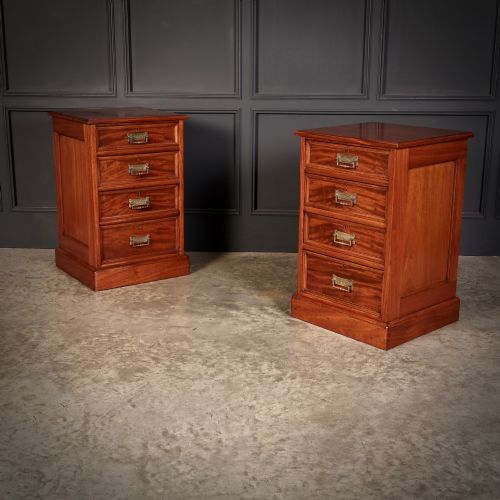
These collectors cabinet furniture pieces offer compact storage for small treasures, ranging from miniature chests to tall filing units.
Collectors Cabinet Furniture
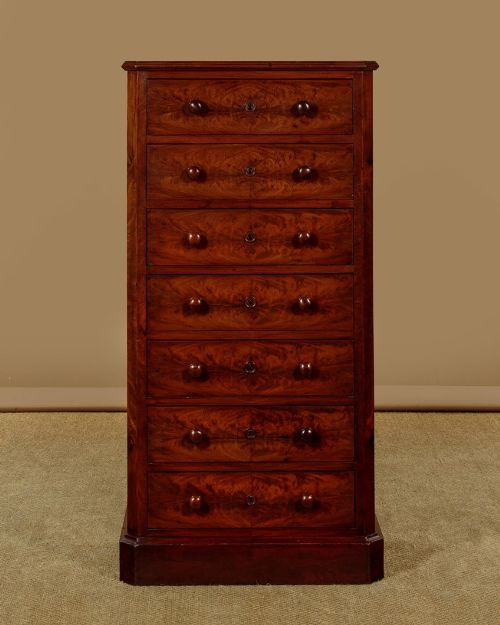
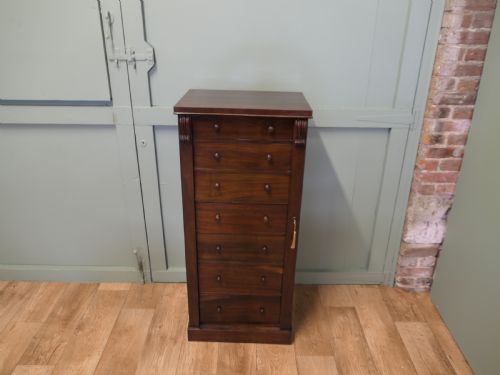
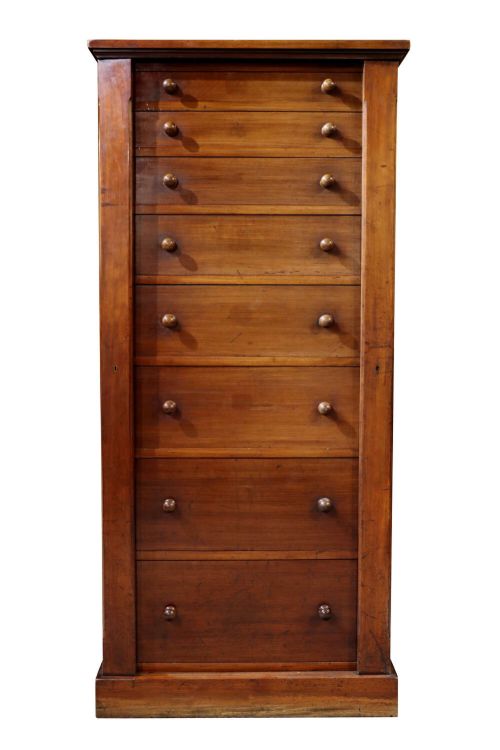
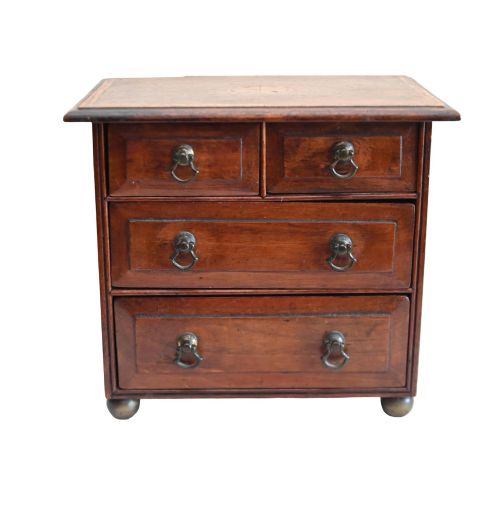
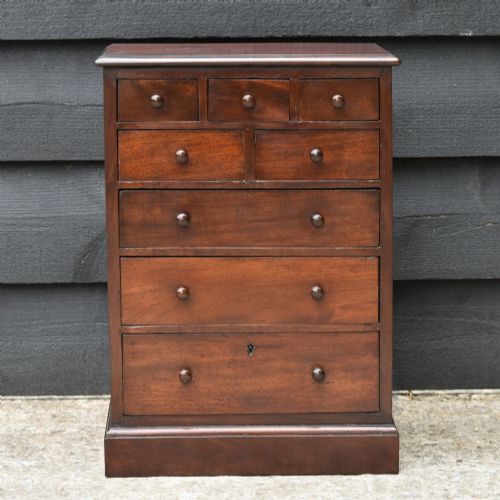
Collectors cabinet furniture encompasses a diverse array of small-scale storage forms designed for orderly preservation. The listings demonstrate that miniature chests of drawers, Wellington chests, and display cabinets dominate the selection.
Buyers frequently encounter Victorian examples alongside pieces originating from the eighteenth and nineteenth centuries. These objects vary from tabletop miniature chests to substantial cabinets on stands and specialised filing storage.
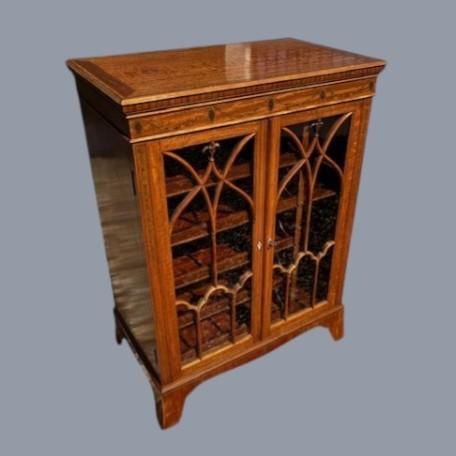
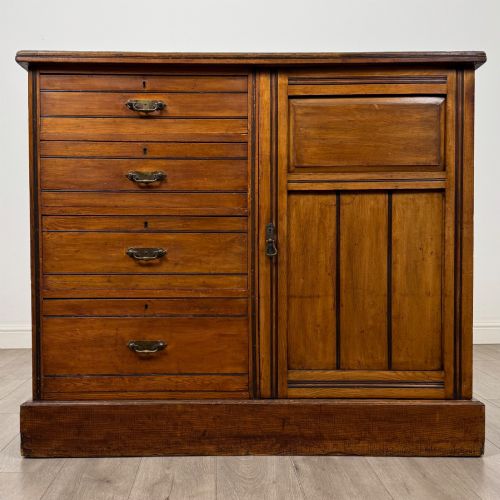
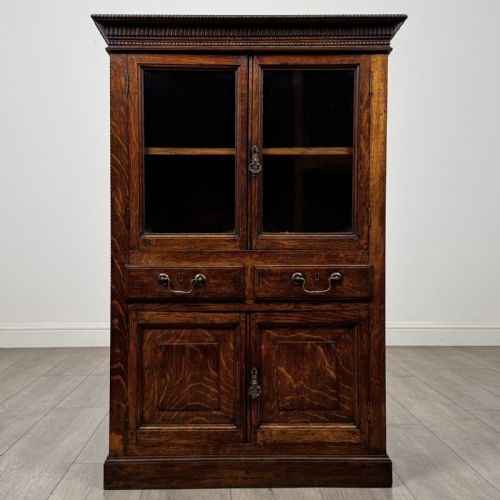
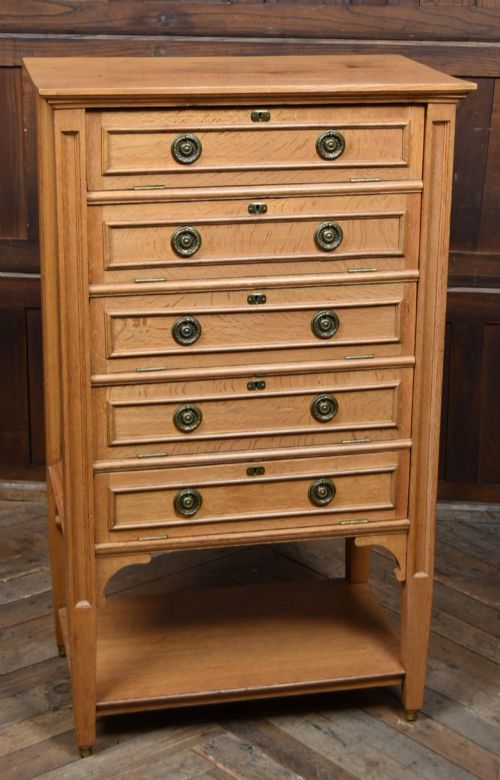
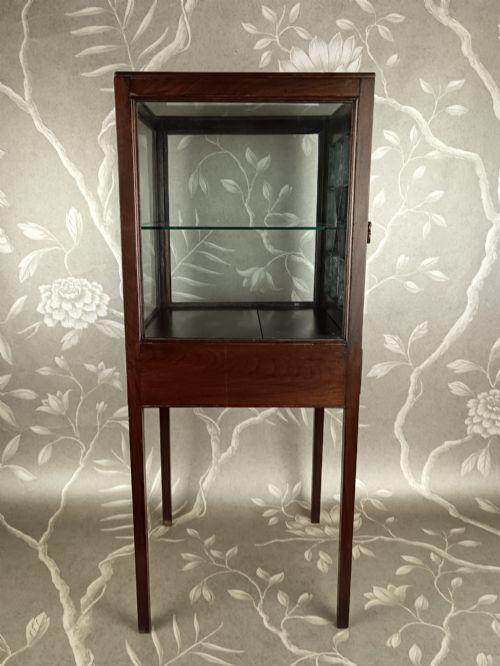
Formations include Georgian mahogany vitrines, Edwardian oak filing units, and intricate seventeenth-century Flemish architectural pieces. Each variation reflects the specific domestic or professional sorting requirements of its era.
Materials and construction
The construction relies heavily on traditional hardwoods such as mahogany, walnut, rosewood, and oak. Cabinetmakers frequently utilised secondary woods like pine alongside decorative veneers including satinwood, amboyna, and tortoiseshell.
Joinery techniques range from standard drawer construction to complex marquetry inlay, pewter stringing, and bone or brass embellishments. Specialised items incorporate locking mechanisms such as the characteristic locking stile found on Wellington chests.
Collectors Cabinet Furniture Retail Price Guide 2026
Typical asking prices for collectors cabinet furniture among the pieces listed under this phrase on Sellingantiques today, from the lower quarter to the upper quarter. They describe what is for sale here now, not the wider market.
Secret drawers tucked behind hidden panels continue to surprise those who open them for the first time.
Factors of quality
Quality in these pieces rests upon the precision of the cabinetwork and the selection of timber veneers. Superior examples display meticulous marquetry, intact original hardware, and refined proportions.
Internal execution distinguishes finer items, seen in smoothly running drawer dividers, secret compartments, and undamaged glass panels. The integrity of period surfaces and specialised inlays elevates the standing of individual pieces.
G Bartholomew And Co·Whytock And Reid
The Collectors Cabinet Furniture Glossary
- Wellington chest
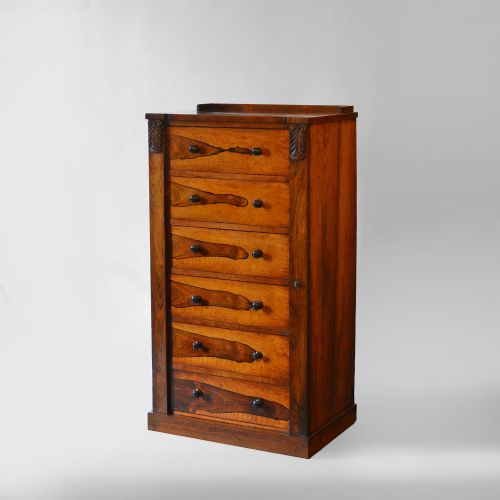
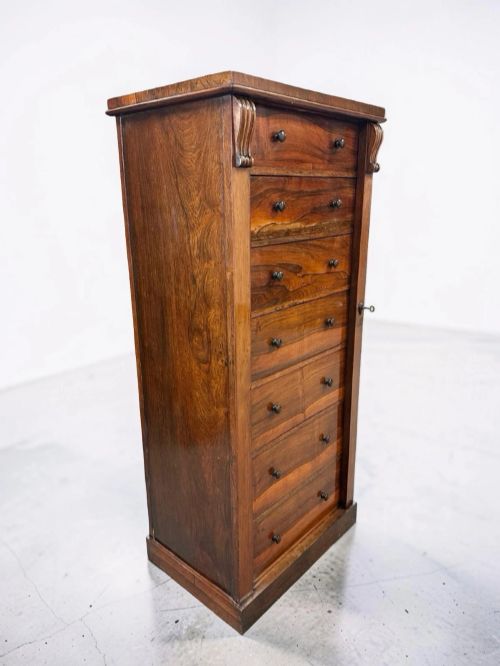
- A tall, narrow chest of drawers secured by a hinged locking stile on one side. This locking bar fastens over the drawer edges and is typically secured with a key.
- Apprentice piece
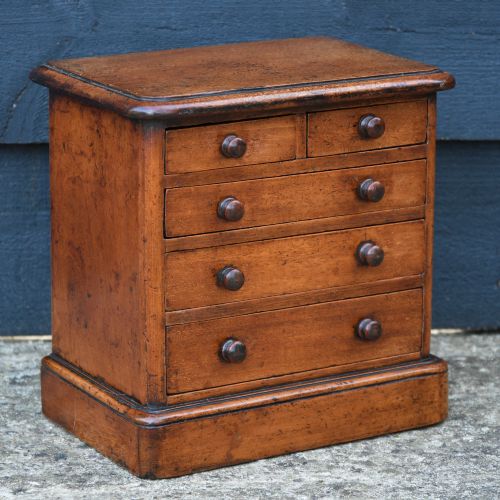
- A small-scale item demonstrating the skill required for a craftsman to attain master status. These frequently take the form of miniature chests of drawers.
- Cabinet on stand
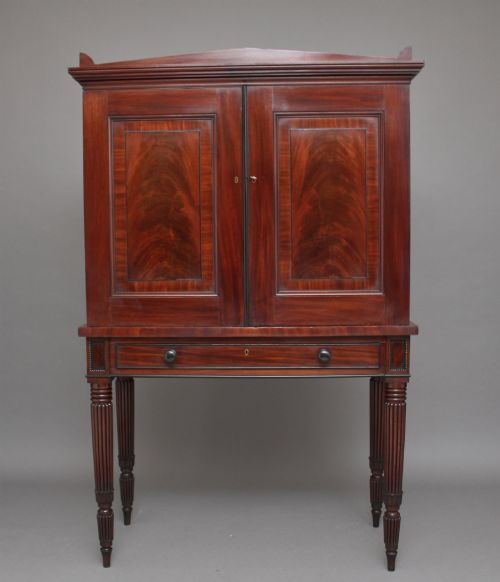
- A freestanding storage cabinet elevated on a separate supporting framework or table base. This form was prominent in seventeenth-century Flemish and Baroque design.
- Marquetry
- Decorative veneer patterns formed by fitted pieces of various woods, bone, or metal. Craftsmen assemble these motifs onto the primary carcase surface.
- Vitrine
- A glass-fronted display cabinet used for exhibiting objects or curiosities. These pieces often feature glazed sides and detailed framing.
Collectors Cabinet Furniture: Frequently Asked Questions
What is a Wellington chest?
A Wellington chest is a tall, narrow set of drawers distinguished by a locking stile on the right side. This vertical wooden flap swings over the drawer fronts and locks into place.
Originally designed for secure personal storage, these pieces maximise vertical capacity while occupying minimal floor space in a room.
How were apprentice pieces used?
Apprentice pieces served as test projects for woodworkers seeking admission to a trade guild. A young craftsman built these miniature items to prove his mastery of joinery and proportion.
Collectors prize them today as functional tabletop chests that showcase full-scale cabinetry techniques in miniature.
What is a cabinet on stand?
A cabinet on stand consists of an enclosed storage box resting upon an open-legged support structure. This architectural layout lifted precious items away from damp floor levels.
Placed against a wall, these pieces provide surface display space on the stand while concealing collections within the upper compartment.
How do I identify Victorian pieces?
Victorian items often feature dense hardwoods like mahogany and walnut, frequently coupled with deep carved mouldings or applied veneers. Cabinetmakers of this era utilised machine assistance alongside hand joinery.
Examining the drawer linings, backboards, and interior construction methods helps confirm the mid-to-late nineteenth-century period of manufacture.