

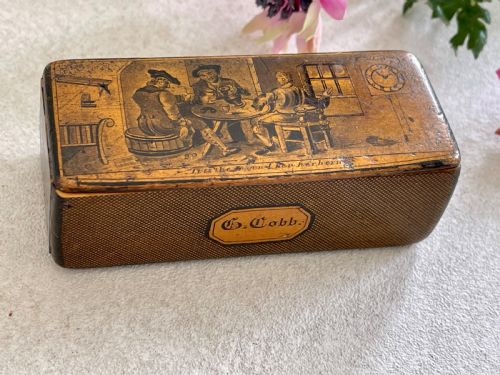


Collectible Trinket Box
A collectible trinket box is a small receptacle for personal treasures, bringing tactile history and intricate craftsmanship straight to the dressing table or desk.
Collectible Trinket Box
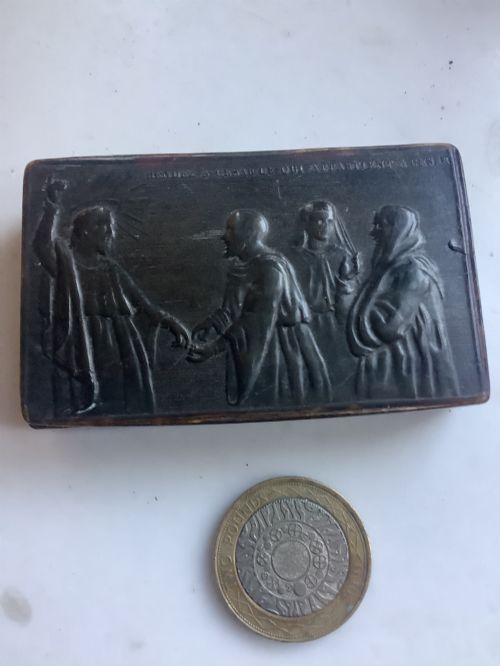
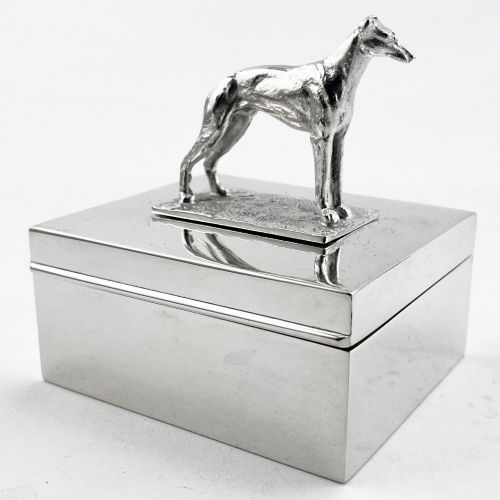
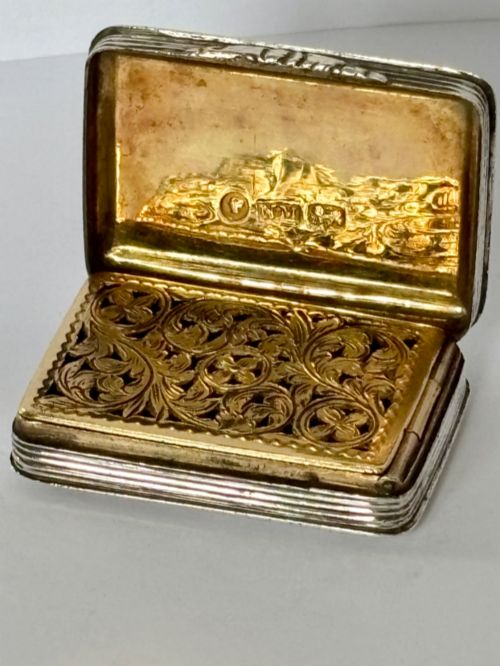
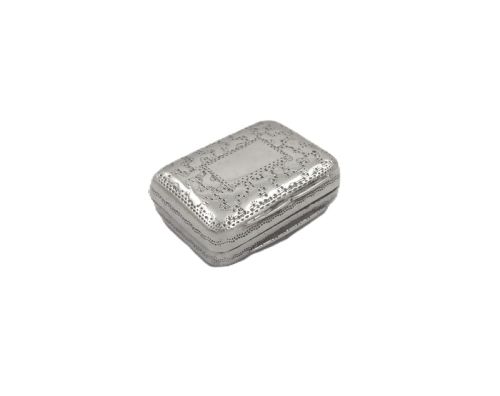
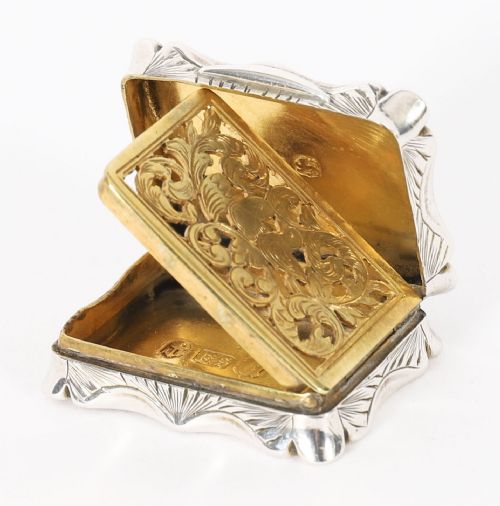
A collectible trinket box spans diverse historical pockets, taking the functional shape of snuff boxes, vinaigrettes, pill boxes, patch boxes, and novelty biscuit tins. These pieces emerge from the Georgian, Victorian, and Regency eras alongside later Art Deco designs.
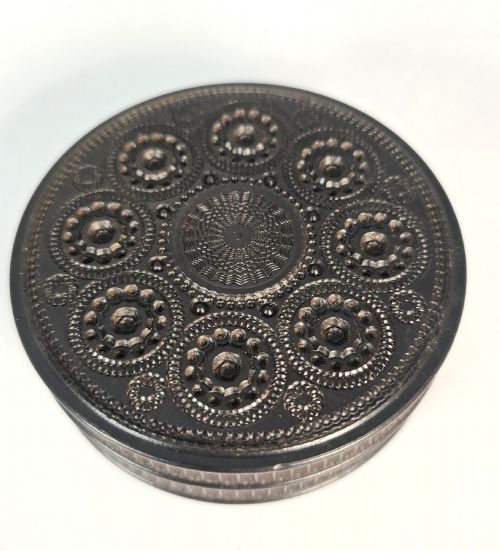
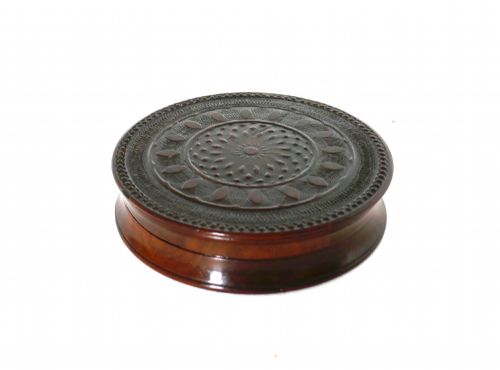
Wooden and organic materials dominate the selection, ranging from Tunbridge ware and treen to tortoiseshell and coquilla nut. Metal versions utilise sterling silver, silver gilt, and painted tin.
Form follows utility across the centuries, shifting from pocket-sized tobacco containers to decorative dressing table receptacles. The items listed display both vernacular folk art and refined workshop production.
Materials and methods
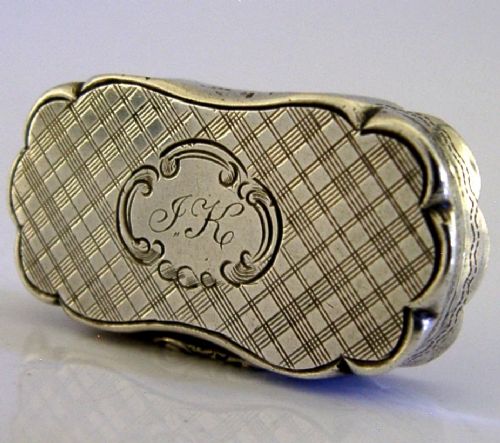
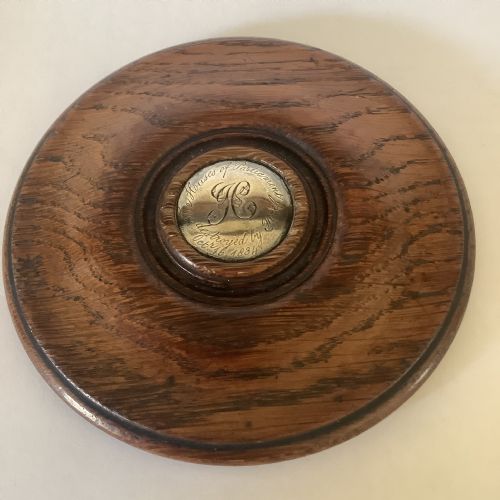
Silver and silver gilt pieces rely on metalsmithing techniques such as engine turning, embossing, and guilloche enamel decoration. Makers also inset coins and precious metals into the lids.
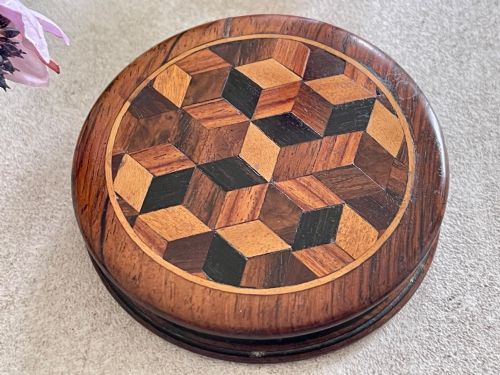
Wooden items demonstrate varied joinery and carving skills, incorporating laburnum, ebony, birch, and burr walnut. Specialised techniques include Tunbridge ware mosaic patterning, pen work, and Prisoner of War straw work.
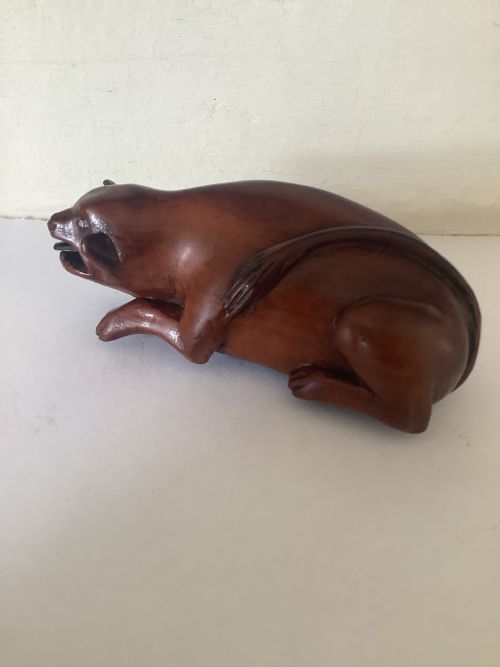
Organic shells and resins provide alternative surfaces, combining tortoiseshell with gold highlights or carving hard wood into novel shapes like ladies feet.
Collectible Trinket Box Retail Price Guide 2026
Typical asking prices for collectible trinket box among the pieces listed under this phrase on Sellingantiques today, from the lower quarter to the upper quarter. They describe what is for sale here now, not the wider market.
Judging the standard
The degree of fineness in hand-carved details and engine-turned patterns separates standard workshop output from exceptional examples. Crisp engraving on silver and precise tessellation in Tunbridge ware indicate superior execution.
The integrity of fragile materials dictates the standing of a piece, particularly where tortoiseshell, straw work, or enamel meet the underlying structure. Complete original fittings and legible hallmarks elevate the historical weight of metal boxes.
Henry Matthews·Edward Smith·Elkington And Co·Hermes Paris·Hunter And Palmer
The Collectible Trinket Box Glossary
- Vinaigrette
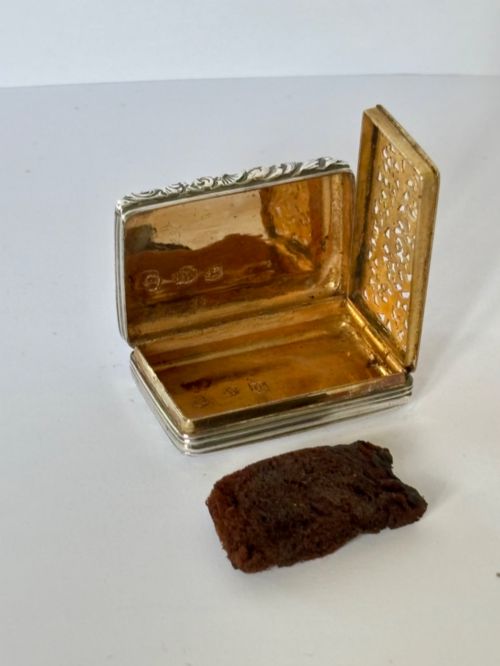
- A small hinged box featuring an internal pierced grille that held a sponge soaked in aromatic vinegar. Victorians carried these to counter unpleasant odours in public spaces.
- Tunbridge Ware
- A type of decorative woodwork characterised by tiny mosaic tesserae assembled from different coloured woods to form pictorial or geometric designs. Originating in Kent, these pieces require immense patience to produce.
- Treen
- Small handmade wooden household objects created before the widespread adoption of plastic. Collectors prize these items for their visible tool marks and tactile patination.
- Guilloche
- A decorative engraving technique producing precise, intricate geometric patterns mechanically etched into metal. Enamel is frequently layered over this pattern to catch the light.
- Coquilla
- A dense tropical nut shell utilised by carvers for miniature boxes and secular ornaments. The material takes a high polish and accepts fine detail.
Collectible Trinket Box: Frequently Asked Questions
What were small antique boxes used for?
These receptacles served practical daily functions in past centuries, holding dry snuff, aromatic vinegar sponges, loose pills, cosmetic patches, or tobacco.
Owners carried them in pockets or displayed them on parlour surfaces as markers of personal taste and social standing.
How do I date an old silver box?
Silver pieces generally rely on assay office marks, maker's stamps, and date letters stamped directly into the metal.
Stylistic cues such as Georgian neoclassical motifs or Victorian embossed floral patterns help narrow down the decade of production when hallmarks are rubbed.
What is Tunbridge ware?
Tunbridge ware refers to wooden items decorated with mosaic surface patterns built from thousands of tiny coloured wood blocks.
Craftsmen sliced these blocks to create geometric borders or pictorial views of castles and local flora.
How should I care for tortoiseshell?
Tortoiseshell requires stable environmental conditions away from direct sunlight and extreme humidity to prevent warping or splitting.
Gentle dusting with a soft, dry cloth preserves the natural lustre of the material without stripping its aged surface.