






Collectible Porcelain Art
Collectible porcelain art spans delicate figures and glazed vessels shaped across the nineteenth and twentieth centuries.
Collectible Porcelain Art
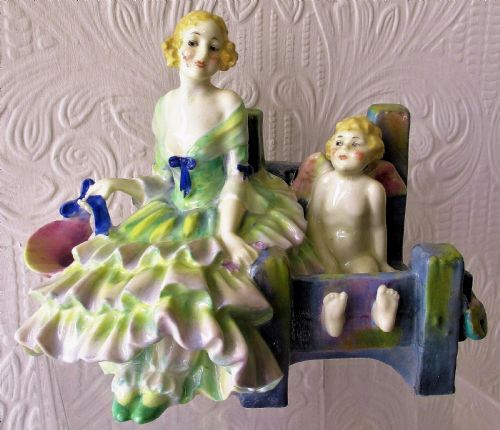
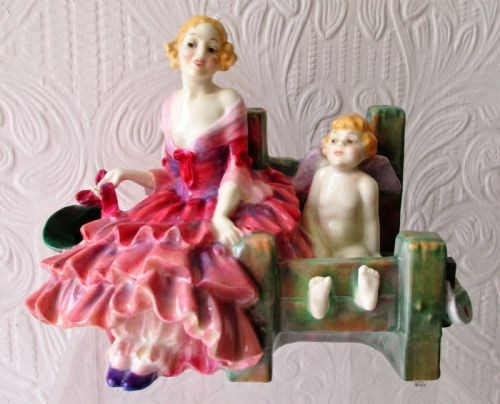
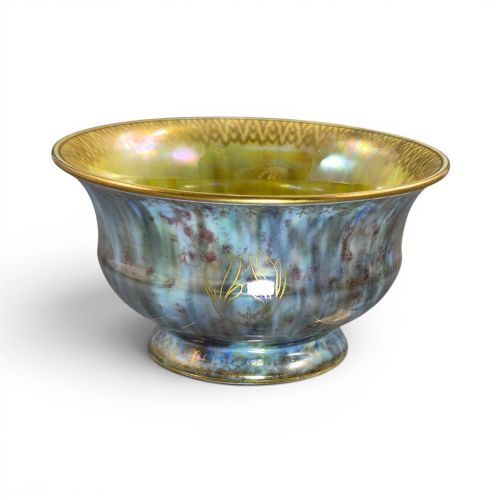
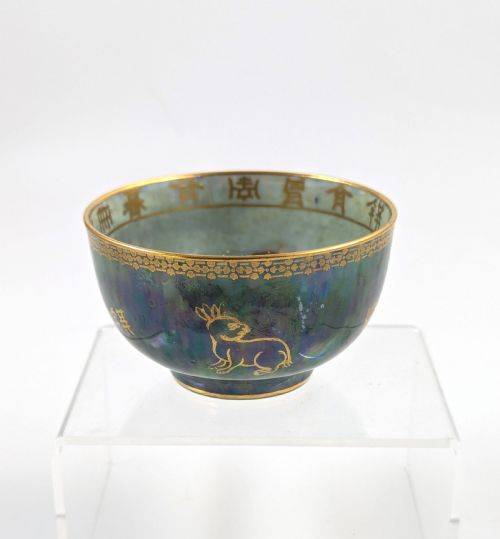
Collectible porcelain art brings together figures, decorative bowls, and vases shaped during the nineteenth and twentieth centuries.
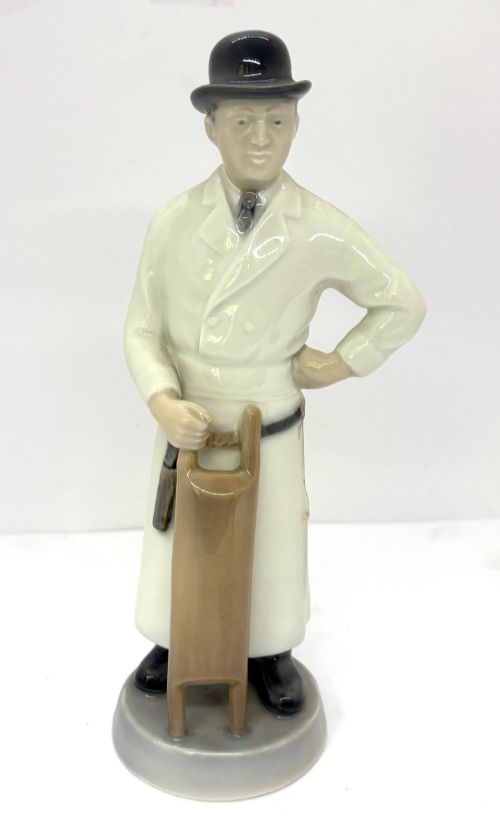
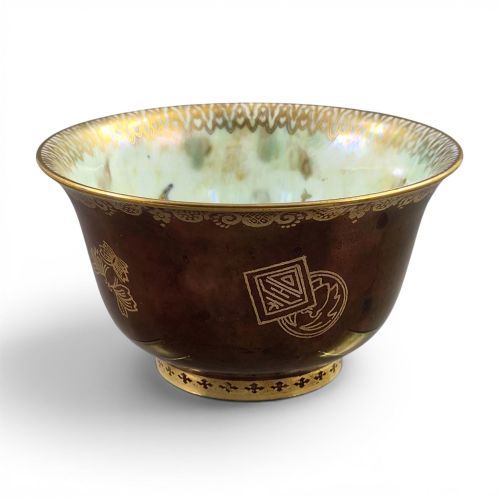
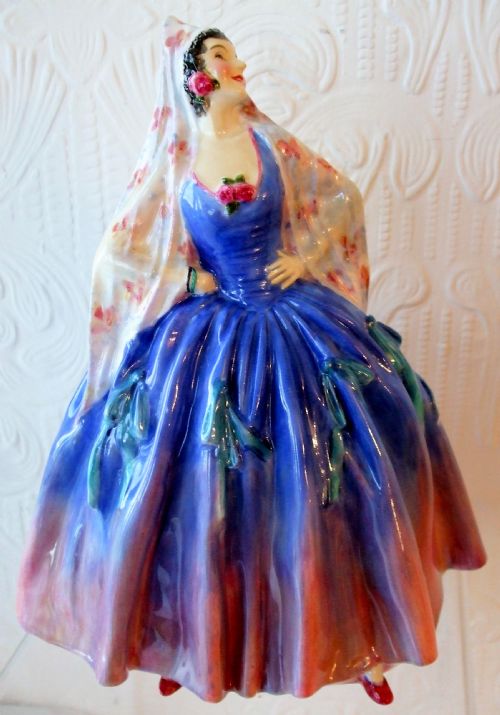
Buyers exploring collectible porcelain art frequently encounter English porcelain figurines from the nineteen-thirties alongside Edwardian lustre bowls.
The selection extends to Art Deco half dolls and Scandinavian decorative pieces reflecting distinct periods of manufacture.
Materials and Technique
Pieces are formed from porcelain, bone china, and ceramic, shaped into figurines, vases, and vessels.
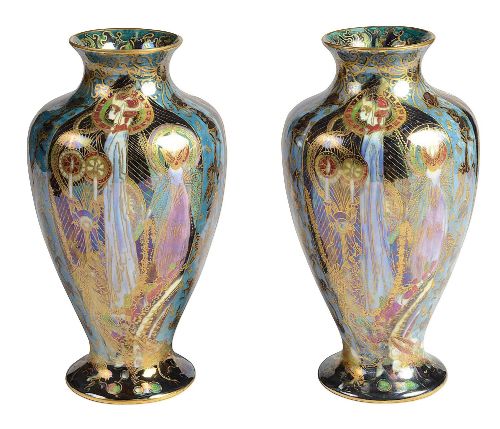
Decoration relies on enamel, gold leaf, and lustre glaze applied across surfaces to create depth and metallic sheen.
Firing techniques fix the glaze and enamel colours onto the ceramic body during production.
Collectible Porcelain Art Retail Price Guide 2026
Typical asking prices for collectible porcelain art among the pieces listed under this phrase on Sellingantiques today, from the lower quarter to the upper quarter. They describe what is for sale here now, not the wider market.
Cigarette strikers and pin cushion dolls reveal how early twentieth-century dressing tables incorporated miniature porcelain art into everyday domestic rituals.
Design and Execution
Quality rests in the precision of the modelling and the complexity of the painted or transferred surface design.
Vessels finished with intricate lustre glaze and gold leaf demonstrate a higher level of decorative ambition than plain glazed pieces.
Figurines retain more distinction when the facial expressions and hand-painted enamel details remain crisp and well-defined.
Royal Doulton·Wedgwood·Royal Copenhagen·Royal Dux·William Goebel
The Collectible Porcelain Art Glossary
- Bone china
- A type of porcelain containing bone ash that results in a strong, milky-white body. It allows for thinner walls in vessels and figures.
- Lustre glaze
- A metallic glaze that produces an iridescent sheen when fired in a reducing atmosphere. It creates the characteristic rainbow effect on decorative bowls.
- Half doll
- A porcelain upper torso originally made without legs for use on pin cushions, tea cosies, or powder bowls. They frequently appear in Art Deco designs.
- Baluster vase
- A vase with a rounded body that tapers toward a narrow neck and spreads at the base. This silhouette appears frequently in twentieth-century ceramics.
Collectible Porcelain Art: Frequently Asked Questions
What is a half doll?
A half doll is a porcelain upper body created without legs during the early twentieth century. These figures were attached to pin cushions, powder bowls, and tea cosies.
They appear frequently in Art Deco designs, often depicting flapper girls or dancers with elaborate hats and hairstyles.
How do I identify lustre glaze?
Lustre glaze produces a metallic, iridescent surface that reflects light in rainbow colours. It was utilised extensively on decorative bowls and vases.
Makers applied metallic salts to the ceramic surface before a specialised firing process to achieve this shimmering effect.
What periods do these pieces cover?
The available items span from the nineteenth century through the Edwardian era and into the nineteen-twenties, thirties, and forties.
Twentieth-century pieces heavily reflect Art Deco and Scandinavian decorative styles alongside traditional English porcelain figures.
How should I display porcelain figures?
Porcelain figures and half dolls require stable placement away from direct sunlight to preserve painted enamel details and gold leaf.
Enclosed cabinets protect delicate extremities and glazed surfaces from dust and accidental impacts.