





Collectible English Silver
Collectible english silver brings centuries of domestic metalwork to the table, offering tangible history and lasting craftsmanship that practical buyers covet.
Collectible English Silver
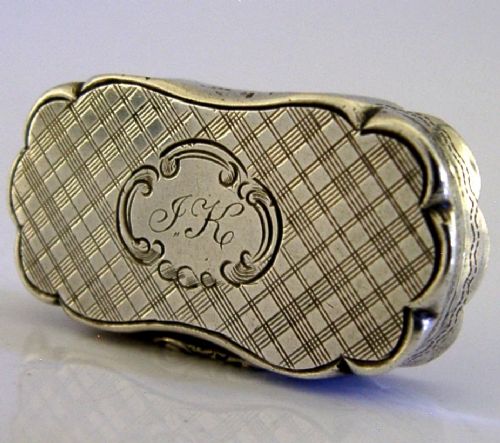
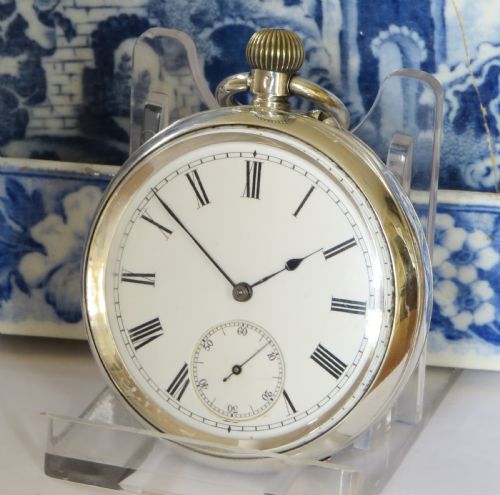
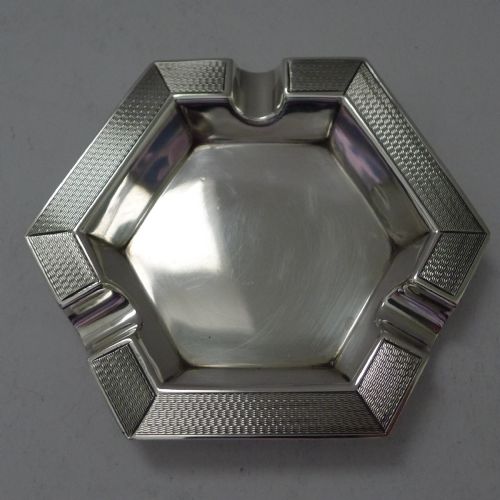
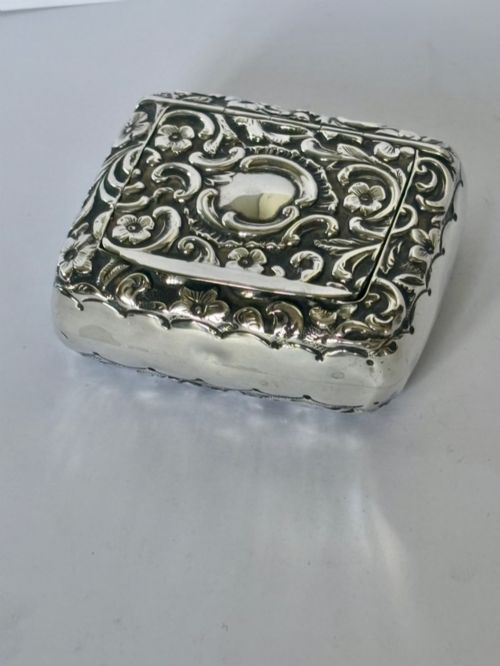
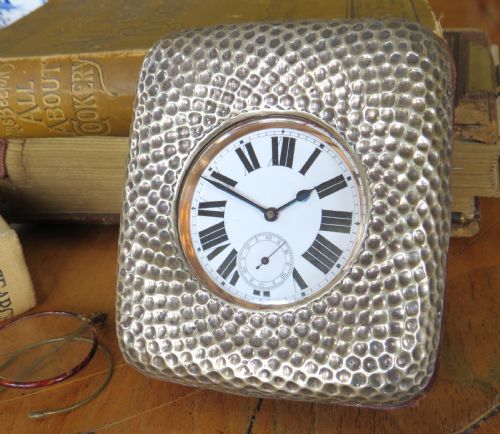
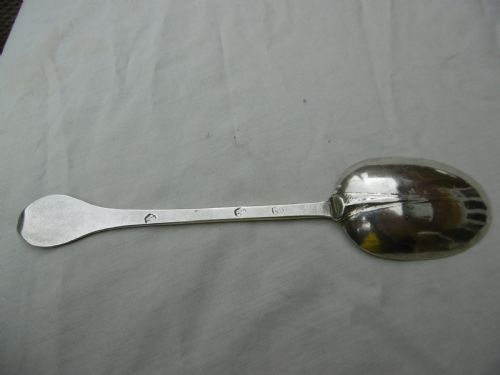
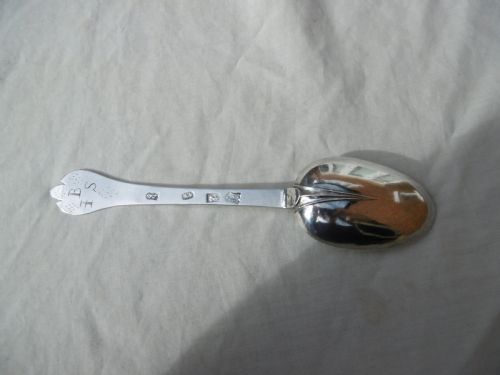
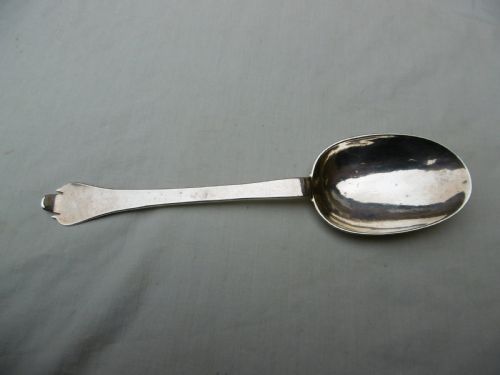
Collectible english silver spans domestic flatware, pocket pistols, snuff boxes, and small decorative items shaped by centuries of British metalworking. Buyers exploring this category encounter objects ranging from early provincial tablespoons to Edwardian pin cushions and ashtrays.
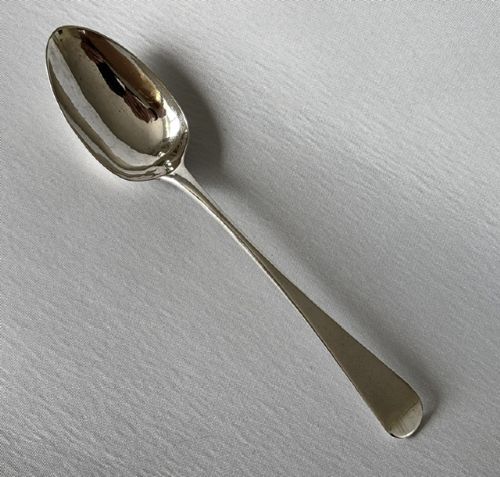
The pieces appearing on this page draw from periods including the seventeenth and eighteenth centuries, the Georgian and Regency eras, alongside Victorian and Edwardian workshops. Spoon forms, marrow scoops, and novelty sugar tongs form the core of what surfaces here.
Makers and provincial assay offices leave distinct marks that anchor each piece in time. Whether handling a Queen Anne dognose spoon or a Victorian embossed snuff box, the focus rests on functional items carrying centuries of use.
Assessing Quality
Quality rests on the clarity of the hallmarks, the crispness of chased or embossed decoration, and the survival of the original form without excessive wear. Pieces originating from provincial assay offices or bearing marks of known silversmiths carry distinct appeal.
Collectible English Silver Retail Price Guide 2026
Typical asking prices for collectible english silver among the pieces listed under this phrase on Sellingantiques today, from the lower quarter to the upper quarter. They describe what is for sale here now, not the wider market.
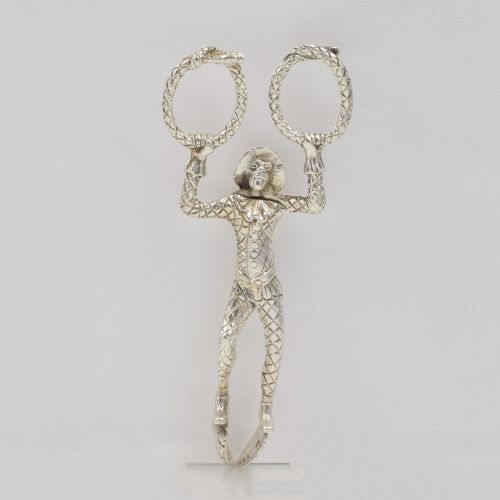
Object forms range from practical flatware and marrow scoops to novelty sugar tongs shaped like harlequin monkeys.
Peter and Jonathan Bateman·William Neale·Henry Matthews·Dee and Fargus·William Penstone·Benjamin Prosser·Thomas Issoa·Lawrence Coles·Daniel Cary·James Barber
The Collectible English Silver Glossary
- Hallmark
- Official stamps struck into precious metals to guarantee the purity and origin of the piece. These marks usually include the maker's mark, town mark, and standard mark.
- Dognose spoon
- An early form of flatware popular around the turn of the eighteenth century, featuring a broadened, notched terminal. This style preceded the modern rounded spoon handle.
- Trefid
- A late seventeenth century spoon style featuring a three-lobed terminal that resembles a clover leaf. It represents an evolution in early British dining implements.
- Silver Gilt
- Silver that has been coated with a thin layer of gold through fire gilding or electroplating. This technique gives the silver a rich, golden appearance.
- Marrow scoop
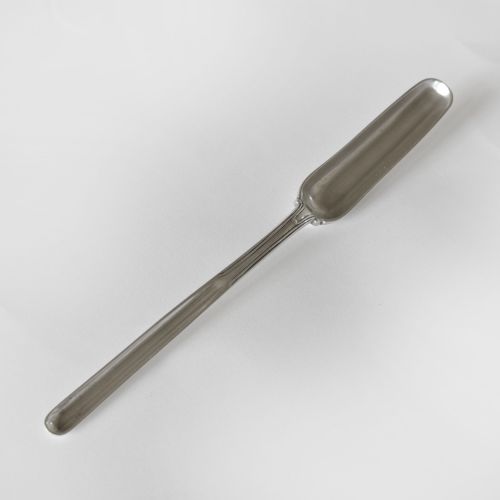
- A narrow, double-ended spoon designed for extracting marrow from animal bones during dining. These elongated pieces remain distinct collector items.
Collectible English Silver: Frequently Asked Questions
How do I identify early silver hallmarks?
Hallmarks consist of stamped symbols that indicate the metal purity, the assay office, and the active year of the silversmith. Reference guides help match these tiny punches to specific towns and date letters.
Provincial offices often used distinct marks that tell a regional story separate from standard London production.
What is the difference between sterling and Britannia silver?
Sterling silver contains nine hundred and twenty-five parts of pure silver per thousand, balanced with other metals for strength. Britannia standard, introduced temporarily by law, raised that purity to nine hundred and fifty-eight parts.
Objects made to Britannia standard often feel slightly softer and carry specific marks like a figure of Britannia.
How should I clean antique silver?
Avoid harsh commercial dips that strip the natural patina and historical depth from the metal surface. Gentle washing in warm soapy water with a soft cloth preserves the subtle wear of centuries.
Store pieces away from direct moisture and rubber materials that can accelerate tarnishing.
Why do some spoons have rat tails?
The rattail is a narrow ridge of metal extending down the back of the bowl from the handle stem. This feature provided extra reinforcement to the joint during daily dining use.
Its presence generally points towards seventeenth and early eighteenth century manufacture.