



Collectible Dog Statue
A collectible dog statue captures canine character in metal and ceramic, offering enduring charm for any mantelpiece.
Collectible Dog Statue
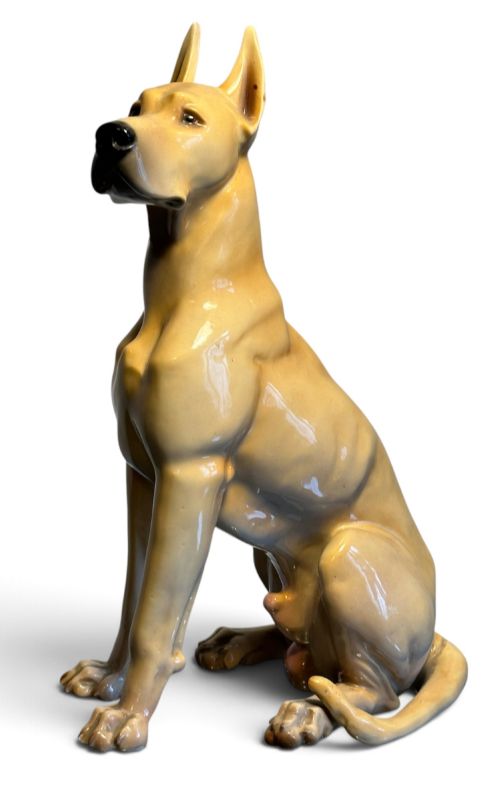
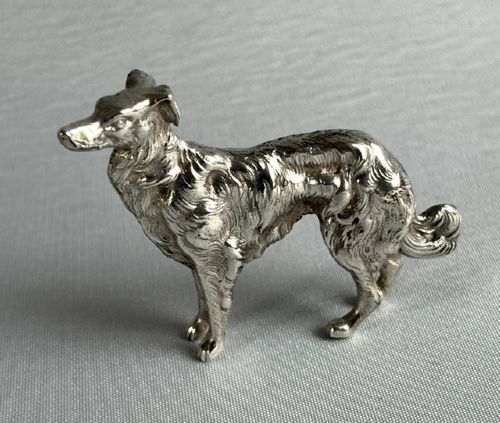
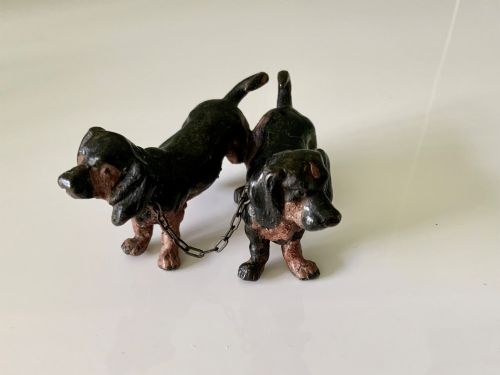
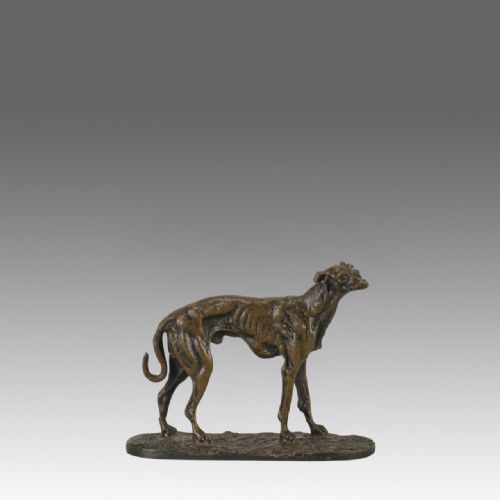
The selections on this page lean heavily towards bronze castings from French and Austrian workshops, alongside earthenware and porcelain figures from the Victorian and Edwardian eras. Breeds represented include greyhounds, dachshunds, terriers, and bulldogs, modelled either in realistic action or steady repose.
How they were made
Bronze sculptures utilise traditional casting methods, often enhanced by cold-painted enamel details that add colour to the metal surface. These pieces rely on a rich patina to define the texture of the fur and the musculature of the animal.
Ceramic and earthenware figures employ moulded clay finished with glaze and hand-painted touches, capturing the softer contours typical of Victorian and Edwardian factory production.
Collectible Dog Statue Retail Price Guide 2026
Typical asking prices for collectible dog statue among the pieces listed under this phrase on Sellingantiques today, from the lower quarter to the upper quarter. They describe what is for sale here now, not the wider market.
Several bronze terriers and bulldogs stand ready to guard your desk.
What varies in quality
Quality rests upon the fidelity of the casting and the precision of the modelling, where superior examples show sharp anatomical detail and careful finishing. The retention of original cold-painted enamel surfaces greatly influences the integrity of metal works.
In ceramic pieces, the crispness of the mould and the smoothness of the glaze determine the refinement of the object. Recognised foundries and identified modellers elevate the standing of a piece through proven execution.
Dora Heber·P J Mêne·Wedgwood and Co Ltd·Edith Parsons·Joseph Francois Victor Chemin·Franze Bergman·AL Barye·Barbedienne
The Collectible Dog Statue Glossary
- Animalier
- A nineteenth-century artistic movement focused on the realistic depiction of animals, particularly in bronze. Sculptors in this tradition studied anatomy closely to convey lifelike movement.
- Cold-painted bronze
- A technique where bronze figures are painted with oil-based paints without the application of heat. This method produces vibrant surface colours that require gentle handling.
- Patina
- The natural or artificial sheen that develops on the surface of bronze over time through age and exposure. It adds depth and character to the metal.
- Earthenware
- A porous pottery material fired at lower temperatures, commonly glazed to provide a waterproof and decorative surface. It forms the body of many traditional ceramic animal figures.
- Cast
- The resulting metal object formed by pouring molten bronze into a mould. The quality of the cast dictates the sharpness of the final sculptural details.
Collectible Dog Statue: Frequently Asked Questions
What materials are these statues made from?
The pieces listed utilise bronze, metal, earthenware, and porcelain. Many bronze examples feature applied enamel colours and distinct patinas.
Ceramic figures rely on traditional glaze finishes applied to fired clay bodies.
How do I identify a Victorian piece?
Victorian examples often date from the mid to late nineteenth century and typically comprise porcelain or early bronze castings. Stylistic cues include the specific posture and Victorian dress or domestic context of the subjects.
Material composition and traditional foundry marks further assist in establishing the correct period.
Where were these bronze statues cast?
Many bronze models originate from French animalier workshops and Austrian foundries active during the nineteenth and early twentieth centuries. Prominent foundries handled the casting process for leading sculptors of the period.
Signatures or foundry stamps on the base often indicate the specific origin.
How should I care for cold-painted bronze?
Cold-painted bronze requires gentle dusting with a soft dry cloth and protection from direct sunlight and moisture. The applied enamel colours are delicate and can be easily damaged by harsh cleaning agents.
Handling the pieces with clean hands preserves the original surface finish.