



Collectible Dog Figurine
A collectible dog figurine captures canine character in bronze, porcelain, and silver plate, offering charm and craftsmanship for the discerning cabinet.
Collectible Dog Figurine
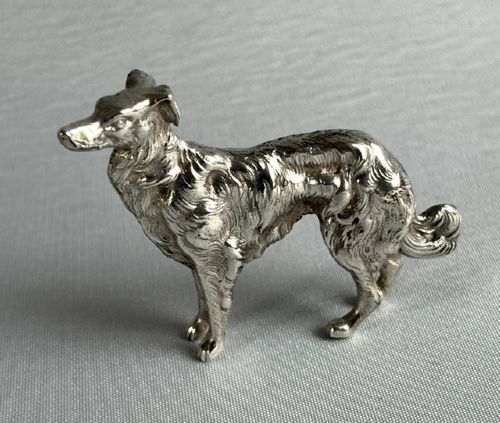
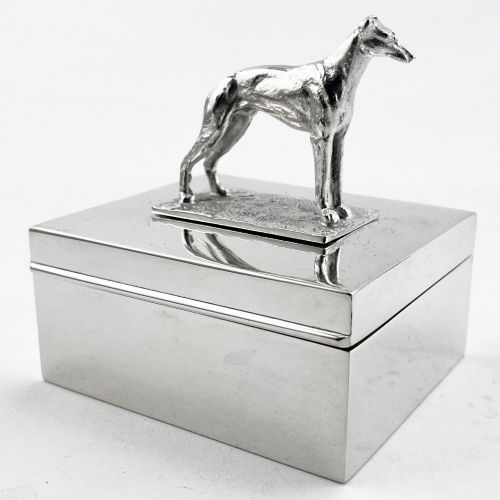
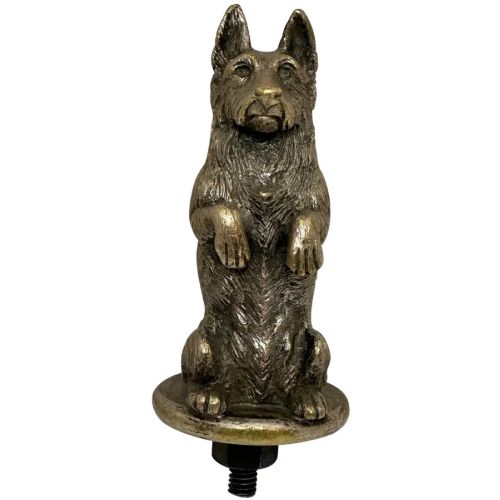
When you search for a collectible dog figurine, you encounter a diverse array of small sculptures, trinket boxes, and novelty pin cushions spanning the nineteenth and early twentieth centuries. These pieces range from functional desk accessories and car mascots to detailed animalier studies modelled by prominent European and American sculptors.
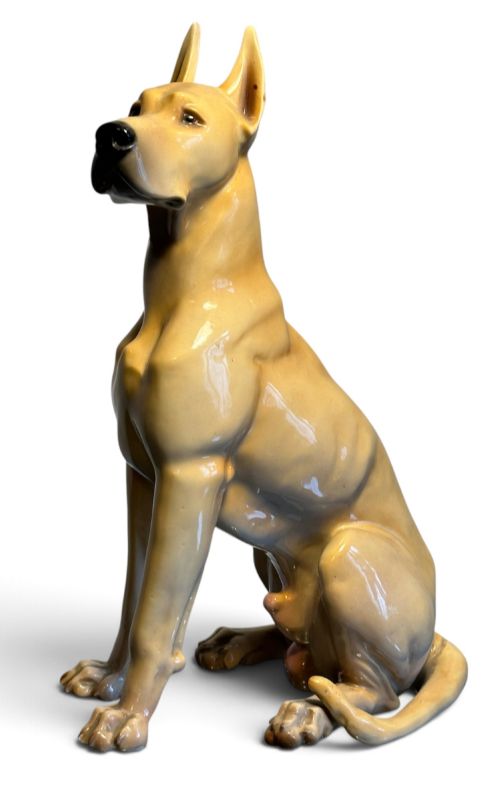
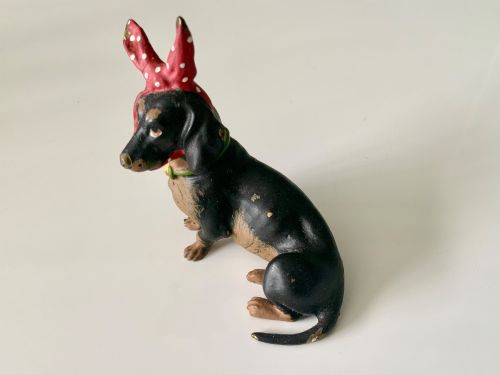
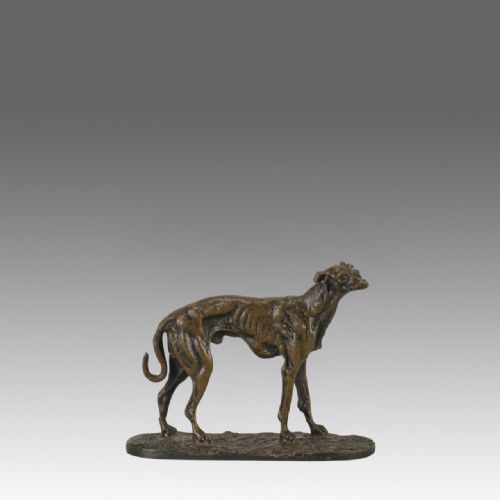
The most common examples on this page are cast bronze sculptures and animalier studies dating from the Victorian and Edwardian eras, alongside silver plate and porcelain representations. Dogs depicted include greyhounds, terriers, dachshunds, pugs, and bulldogs, reflecting both popular household pets and sporting breeds of the period.
How They Were Made
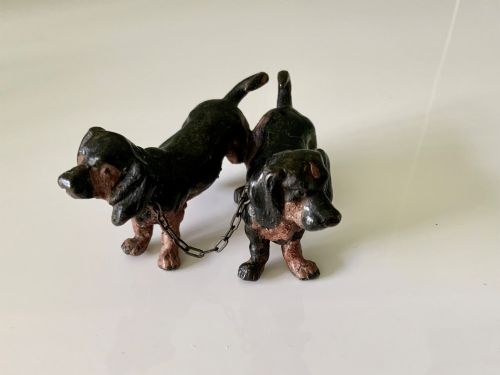
Many of the bronze and metal pieces utilise traditional lost-wax casting techniques, finished with cold painting, enamel, or a rich patina to highlight anatomical detail. Makers such as Vienna bronze workshops applied successive layers of polychrome paint over hot metal.
Porcelain and ceramic examples involve moulded clay finished with hand-applied glazes and painted enamel details. Silver plate and novelty items incorporate cast metal bases combined with fitted velvet cushions or hinged trinket compartments.
Collectible Dog Figurine Retail Price Guide 2026
Typical asking prices for collectible dog figurine among the pieces listed under this phrase on Sellingantiques today, from the lower quarter to the upper quarter. They describe what is for sale here now, not the wider market.
Some dogs hold pins in their backs.
What Varies in Quality
The distinction between average output and superior work lies in the fidelity of the casting and the sensitivity of the modelling. Finer bronzes capture musculature, expression, and texture with precision, whereas lower-quality castings often blur fine details and rely on heavy surface finishes to obscure imperfections.
Surface preservation significantly affects overall merit, particularly in cold-painted bronzes where original paint retention is paramount. Pieces bearing recorded signatures or foundry marks demonstrate documented provenance, elevating their standing compared to anonymous workshop output.
Dora Heber·P J Mêne·Edith Parsons·Joseph Francois Victor Chemin·Franze Bergman·AL Barye·Barbedienne
The Collectible Dog Figurine Glossary
- Animalier
- A nineteenth-century artistic movement focusing on the realistic depiction of animals, particularly in bronze. Sculptors in this tradition studied anatomy closely through life observation.
- Cold Painted
- A technique where bronze figures are painted with oil-based paints without subsequent firing. This finish is delicate and prone to loss over time.
- Vienna Bronze
- Small, highly detailed bronze sculptures produced in Austrian foundries around the turn of the twentieth century. These figures are almost invariably cold-painted.
- Car Mascot
- A decorative ornament mounted on the radiator cap of a motor car, popular during the vintage motoring era. These heavy metal castings were secured externally to withstand travel.
- Pin Cushion
- A small domestic accessory, frequently fashioned in silver or metal as a novelty animal. The padded section is typically lined with velvet.
Collectible Dog Figurine: Frequently Asked Questions
What metals were used?
Most metal figures are cast in bronze, sometimes enhanced with cold painting or chemical patination. Other items utilise silver plate or solid silver for novelty pieces like pin cushions.
Foundries selected these materials for their ability to hold fine detail during the casting process and to take decorative surface finishes effectively.
How old are these?
The pieces span the nineteenth and early twentieth centuries, with significant representation from the Victorian and Edwardian periods as well as the nineteen-twenties and thirties.
Dates are determined by stylistic markers, material composition, and occasionally direct foundry signatures or registry marks stamped into the metal or ceramic base.
Were they purely decorative?
While many animalier bronzes and porcelain figures served as cabinet ornaments, numerous pieces fulfilled practical household functions. Examples include lidded trinket boxes, cigarette containers, motoring mascots, and sewing accessories.
This duality of art and utility was a hallmark of Victorian and Edwardian metalwork and ceramics.
How do I care for cold-painted bronze?
Cold-painted bronze requires protection from moisture, direct sunlight, and abrasive cleaning agents, as the oil-based paint surface is delicate and vulnerable to flaking. Dusting should be performed gently with a dry, soft brush rather than a cloth that might snag.
Maintaining a stable indoor humidity helps preserve both the metal substrate and the fragile polychrome finish.