



Collectible Ceramic Art
Collectible ceramic art spans graceful porcelain figures, vibrant lustre bowls and expressive vases shaped across the nineteenth and twentieth centuries.
Collectible Ceramic Art
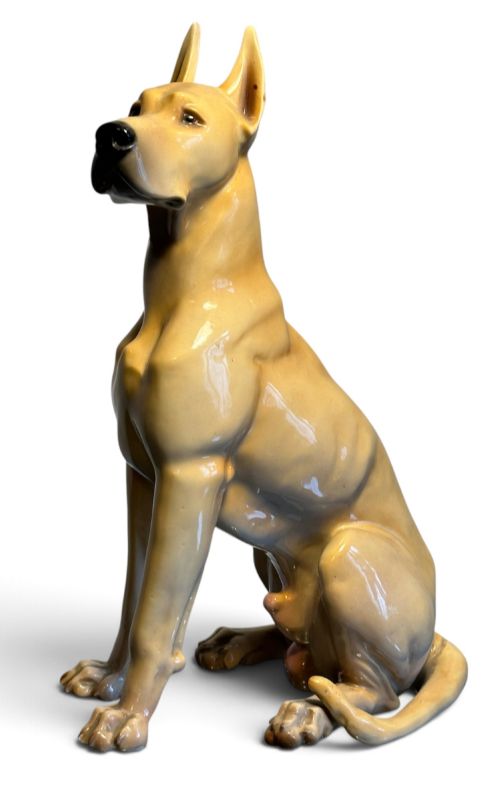
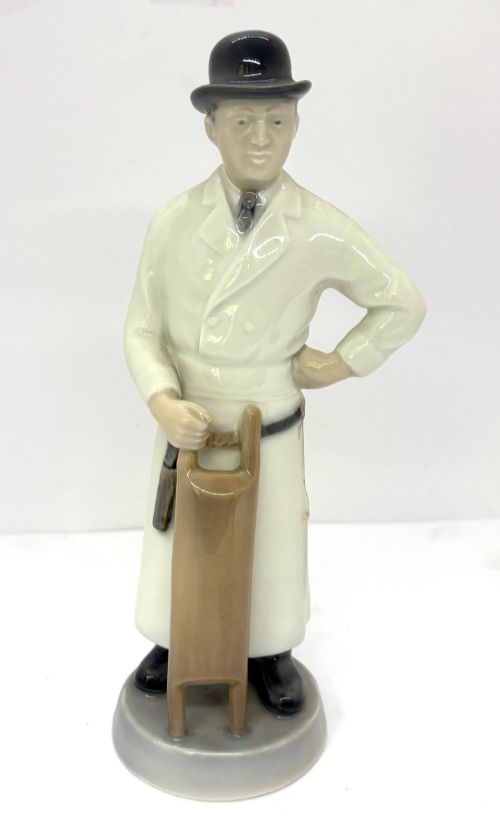
Collectible ceramic art encompasses a diverse array of decorative objects including vases, porcelain figurines, decorative bowls, table lamps and jugs. These pieces originate from periods spanning the late nineteenth century through to the nineteen-forties, capturing distinct movements in design.
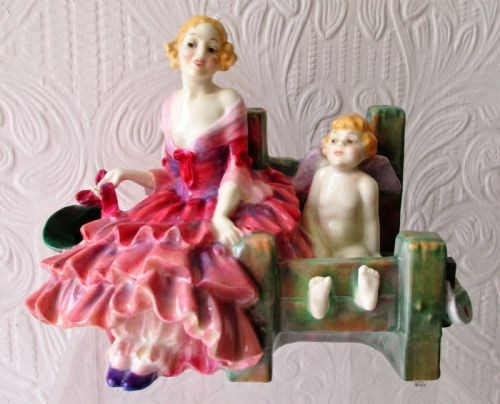
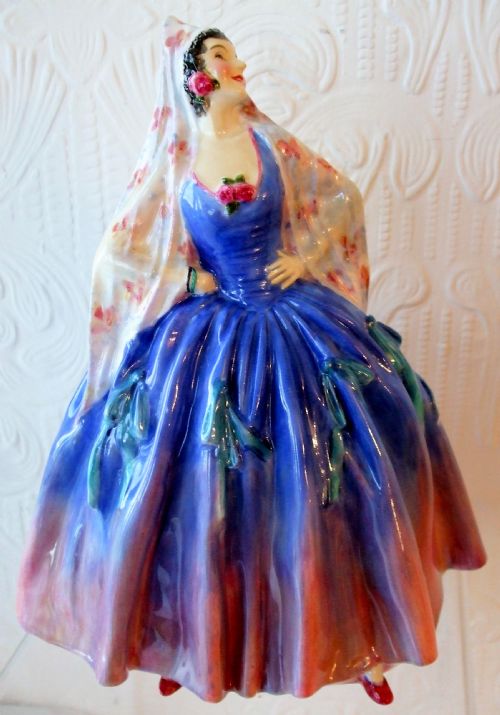
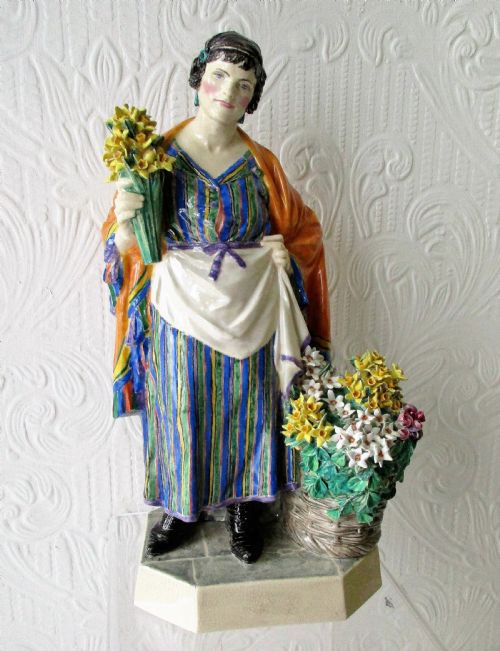
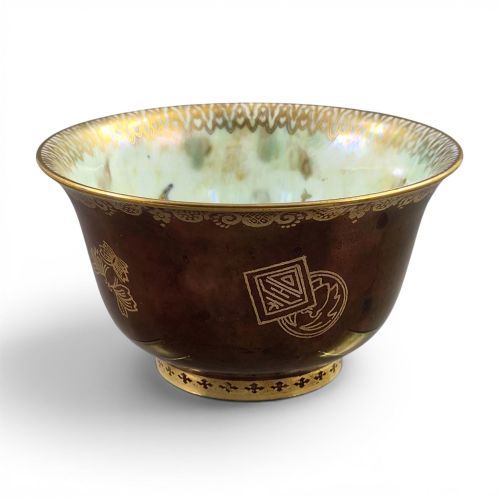
The most prevalent version met on this page is the early twentieth-century ceramic or porcelain figure and the decorative lustre bowl. Makers from English potteries and European studios dominate the selection, often taking the form of named character studies or mythological scenes.
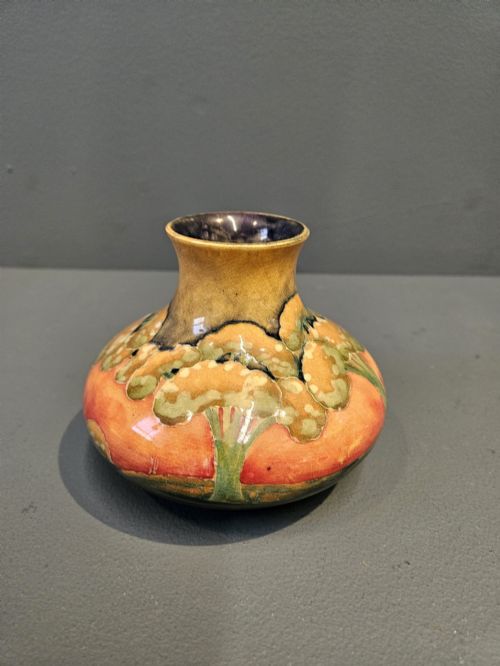
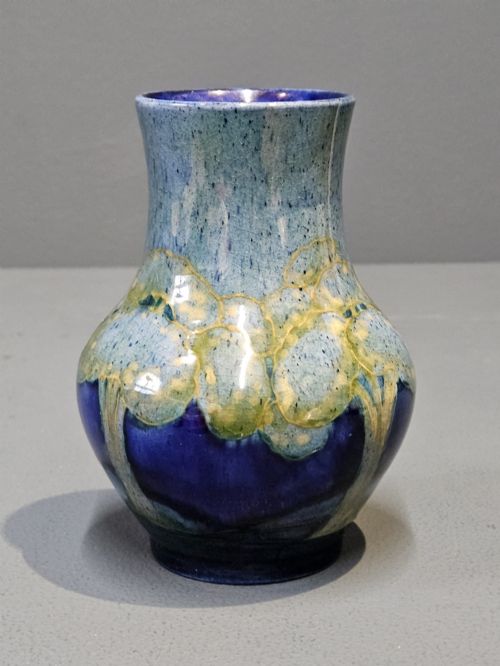
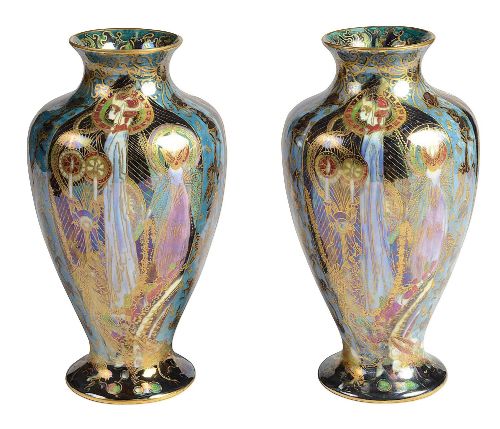
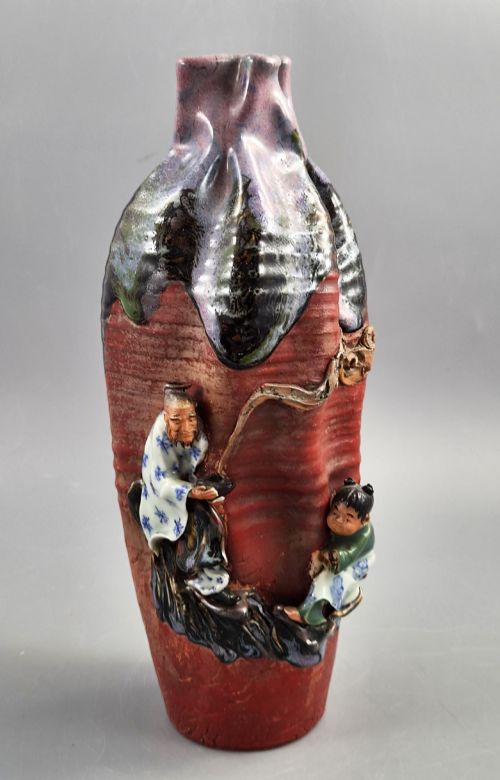
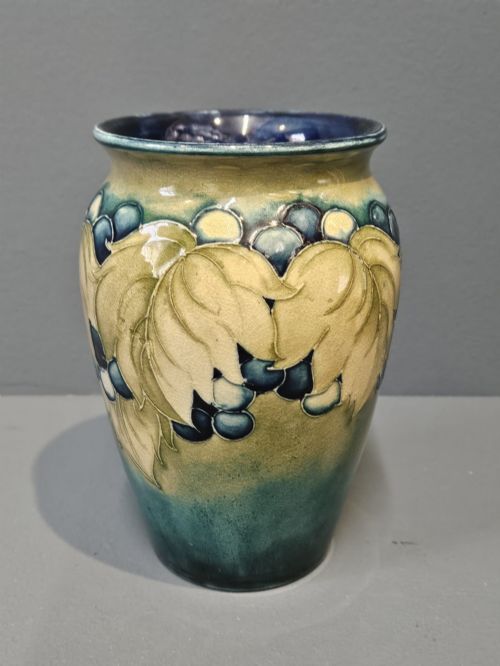
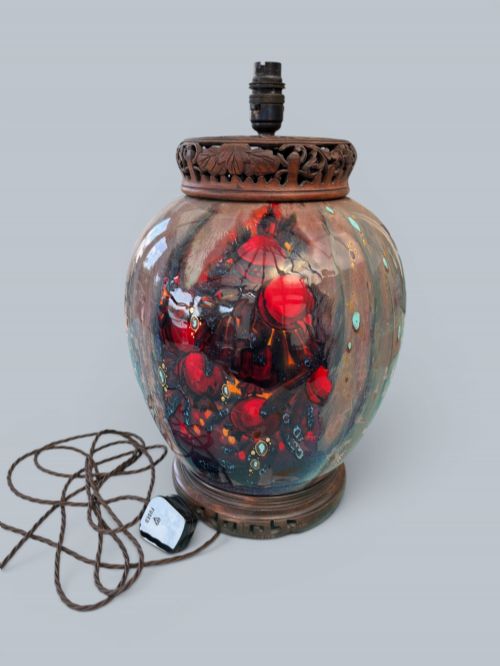
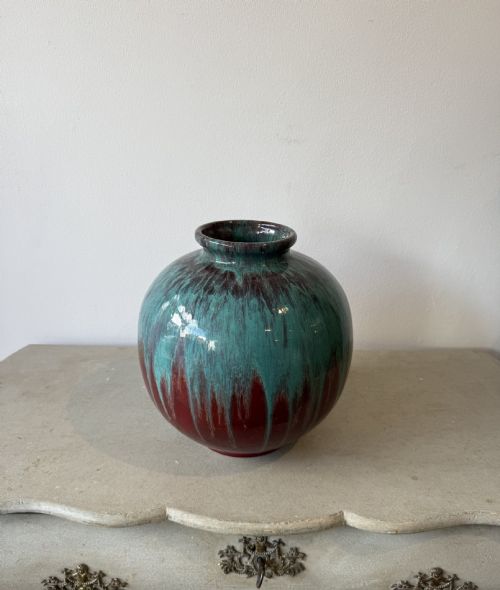
Vases and vessels range from substantial baluster shapes with complex coloured glazes to smaller studio pottery works. Each object reflects the prevailing aesthetic of its decade, shifting from intricate Victorian detail to clean Art Deco lines.
How they were made
Makers utilised ceramic, earthenware, porcelain and bone china as the foundational bodies for these works, shaping them on the wheel or casting them in moulds. Artisans applied lustre glaze, salt glaze or enamel coatings to achieve rich surface textures and deep colouration.
Specialised decorative techniques included the addition of gold leaf highlights and detailed hand-painting over transfer outlines. Kiln firing fixed the complex glazes, producing the distinctive iridescent effects seen on lustre wares and flambé finishes.
Collectible Ceramic Art Retail Price Guide 2026
Typical asking prices for collectible ceramic art among the pieces listed under this phrase on Sellingantiques today, from the lower quarter to the upper quarter. They describe what is for sale here now, not the wider market.
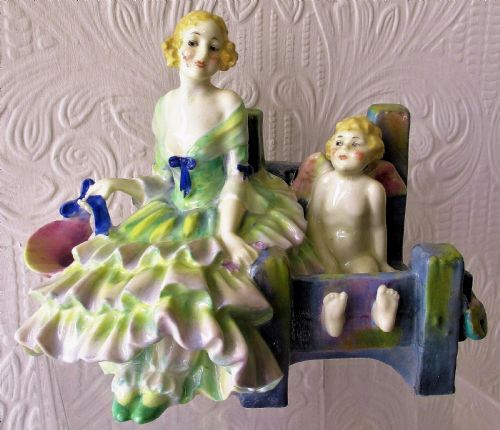
Several ladies depicted in the figures hold fruit, flowers, or small animals while striking theatrical poses.
What varies in quality
Quality rests upon the precision of the modelling and the depth achieved in the glaze application. Hand-painted examples with clear signatures or recognisable artist ciphers demonstrate higher artistic ambition than standard factory output.
The complexity of the subject matter and the ambition of the studio design separate standard vessels from exceptional pieces. Intricate lustre effects and finely rendered facial expressions in figurative works mark the upper tier of production.
Royal Doulton·Wedgwood·Moorcroft·Charles Vyse·Royal Copenhagen
The Collectible Ceramic Art Glossary
- Lustre Glaze
- A type of pottery glaze that imparts an iridescent metallic sheen through the reduction of metallic oxides during firing. This technique creates a luminous, reflective surface often seen on decorative bowls and vases.
- Baluster
- An architectural term applied to vases and jugs featuring a curved, wider lower body that tapers upward to a narrower neck. It provides a stable, classic silhouette common in ceramic art.
- Half Doll
- A ceramic figure modelled from the waist upwards, historically used as a decorative cover for tea cosies, powder puffs or pin cushions. They are frequently encountered in Art Deco styles.
- Flambé
- A rich, streaky glaze containing metallic oxides that produces unpredictable, fiery colour variations during high-temperature kiln firing. It results in deep reds, purples and blues.
- Bone China
- A type of soft-paste porcelain composed of bone ash, feldspathic material and kaolin. It is known for high whiteness, translucency and mechanical strength.
Collectible Ceramic Art: Frequently Asked Questions
What is collectible ceramic art?
Collectible ceramic art refers to decorative objects shaped from clay or porcelain by established potteries and individual studios. These items include character figures, painted bowls and art vases.
They represent distinct periods of manufacture, preserving the design movements and technical skill of past decades for modern display.
How were lustre bowls used?
Lustre bowls were primarily created for display on tables and sideboards in Edwardian and interwar homes. Their reflective metallic glazes caught the ambient light of gas or early electric lamps.
While some were sturdy enough for holding fruit or small items, many functioned purely as decorative centrepieces.
How do I date porcelain figures?
Dating porcelain figures relies on examining the factory marks, impressed numbers and registration ciphers stamped into the base. Stylistic details like clothing, hair and posture also align with specific eras.
Comparing the modelling style to known manufacturer records helps narrow down the decade of production.
What defines Art Deco ceramics?
Art Deco ceramics are characterised by stylised geometric forms, clean lines and bold colour palettes. Figures from this era often depict dancers or modern women in dynamic poses.
Abstract floral motifs and flat, vibrant glazes replace the fussy ornamentation of earlier Victorian designs.