




Collectible Bone China
Collectible bone china pieces combine fine ceramic bodies with hand-painted artistry, offering a tangible link to centuries of skilled British ceramic production.
Collectible Bone China
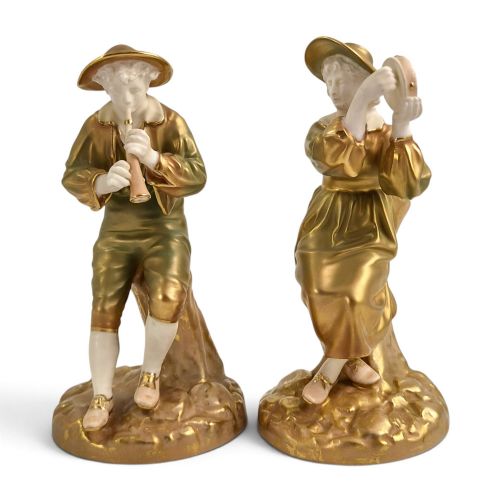
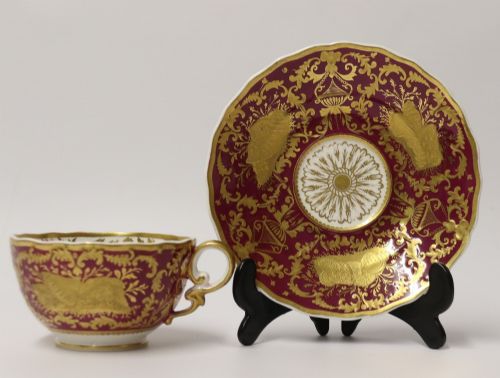
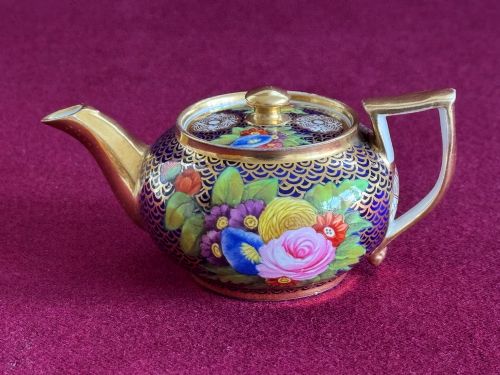
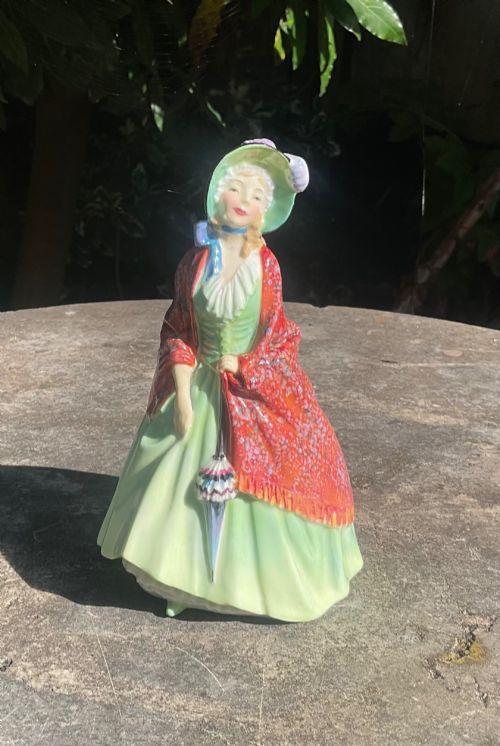
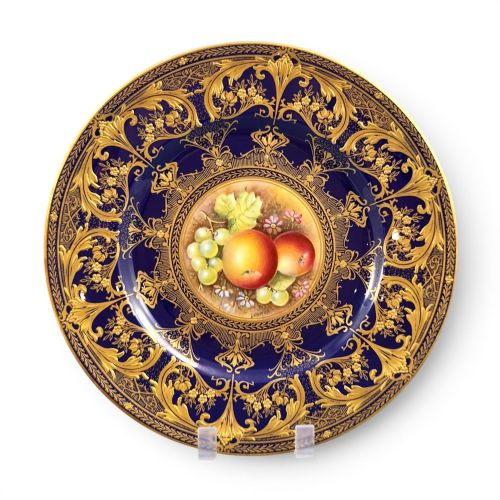
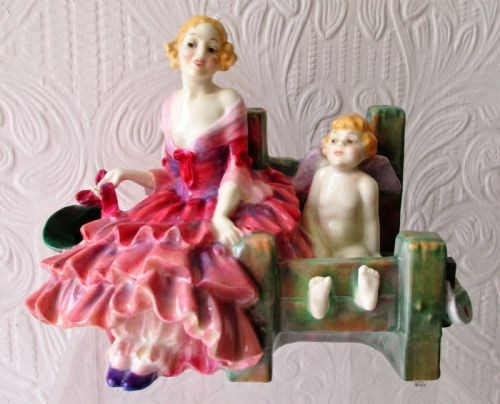
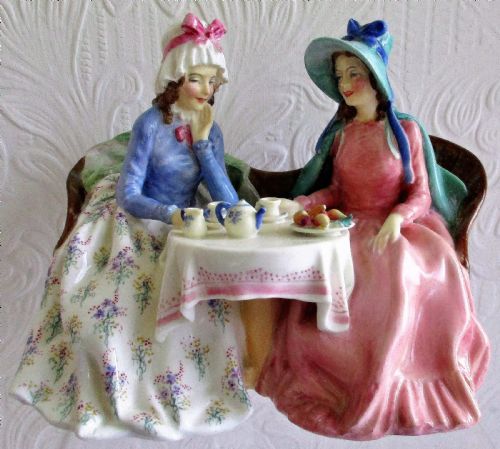
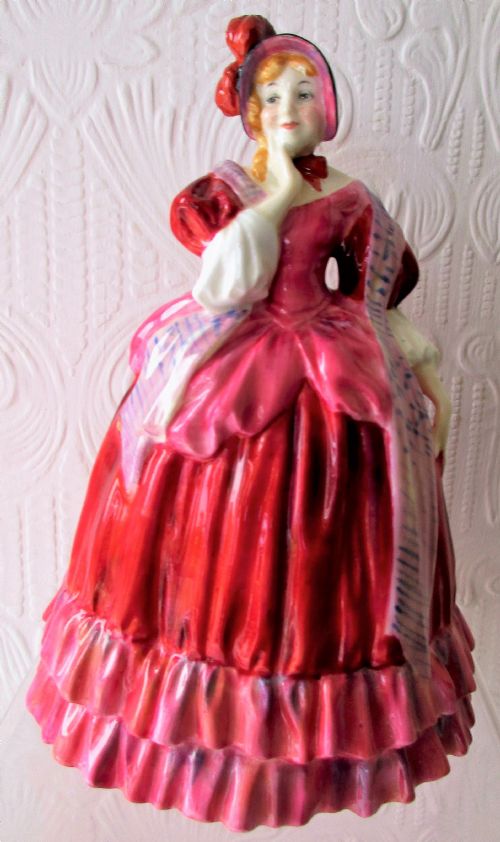
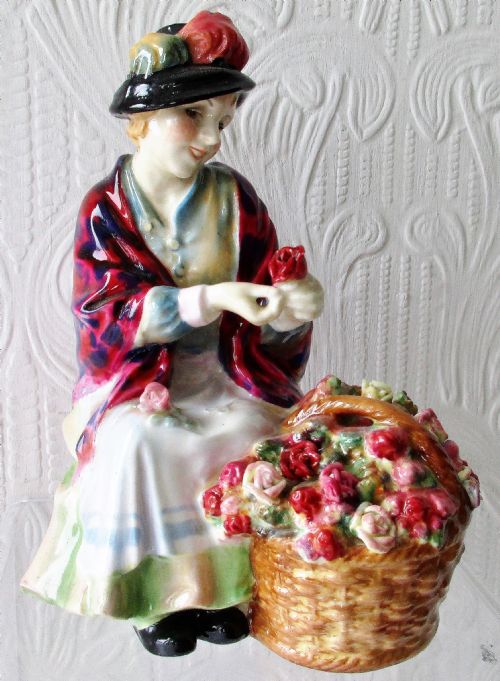
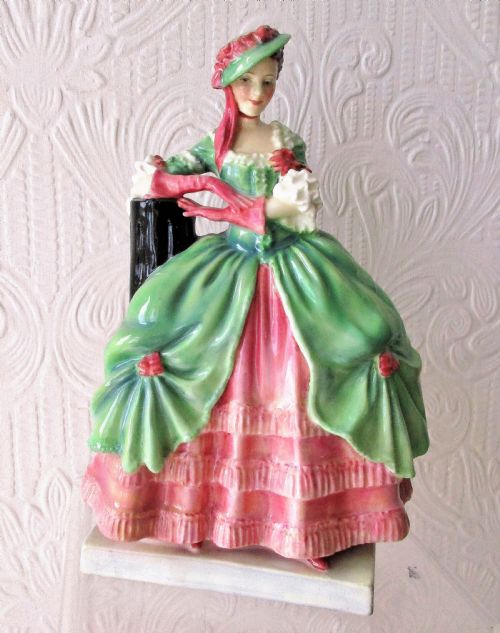
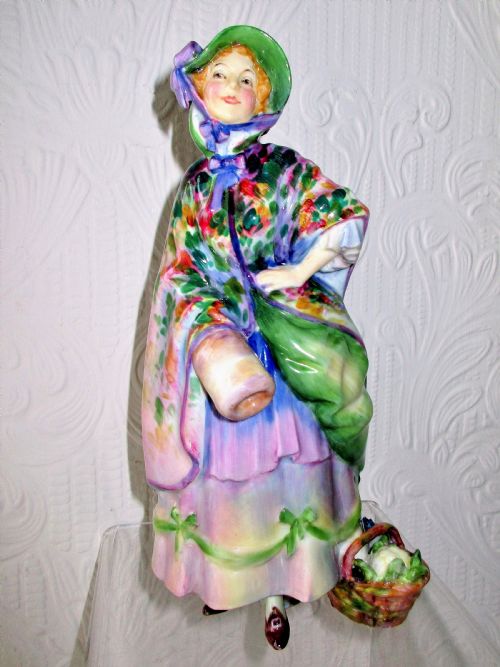
When you search for collectible bone china, you encounter a diverse range of items spanning from early nineteenth-century cabinet plates to mid-twentieth-century character figurines. The pieces on this page primarily take the form of decorative plates, tea trios, cabinet cups, and sculpted figures produced by renowned English factories.
The selection reflects significant shifts in design from Georgian elegance through Victorian elaboration to the distinctive glazed surfaces of the mid-twentieth century. Buyers searching for these items generally seek examples that demonstrate both period character and skilled hand decoration.
Early nineteenth-century examples often feature botanical or fruit painting on porcelain and bone china substrates, whilst later twentieth-century pieces lean towards figurative subjects and specialised glaze effects. Every item carries the distinct manufacturing marks of its originating English pottery.
Materials and Technique
The objects on this page rely upon bone china and porcelain bodies formed and fired at high temperatures before receiving intricate hand-painted designs in enamel. Artisans applied rich applications of gold leaf and gilt detailing to accentuate rims, handles, and borders.
Specialised ceramic glazes and lustre finishes provide the glossy surfaces seen on many of the plates, bowls, and miniature vessels. Hand-painting by named artists adds individual detail over the fired glaze or beneath it, depending on the desired artistic effect.
Collectible Bone China Retail Price Guide 2026
Typical asking prices for collectible bone china among the pieces listed under this phrase on Sellingantiques today, from the lower quarter to the upper quarter. They describe what is for sale here now, not the wider market.
A tiny porcelain flat iron complete with its own stand sits ready to press imaginary garments from the past.
Gradations in Quality
Quality in these ceramics rests primarily upon the skill of the hand-painted decoration and the prestige of the decorating artist or the pottery itself. Pieces painted by recognised hands display superior brushwork, particularly in botanical studies and figurative expressions.
The precision of the gilding and the crispness of the moulded form distinguish finer items from standard production pieces. Complexity in the glaze work, such as the iridescence found on lustre wares, also elevates the standing of individual examples.
Spode·H and R Daniel·Royal Doulton·Royal Worcester·Derby Porcelain·Minton·Wedgwood·Coalport·Royal Crown Derby·Davenport
The Collectible Bone China Glossary
- Cabinet plate
- A decorative plate intended for display in a cabinet rather than for practical table use. These items frequently feature elaborate hand-painted scenes.
- Tea trio
- A matching set comprising a teacup, a saucer, and a corresponding tea plate. They were produced extensively by historic English potteries.
- Lustre
- A type of ceramic glaze containing metallic elements that produce an iridescent, shimmering surface effect. This technique creates a distinct reflective quality.
- Candle snuffer
- A small sculpted figure with a hollow interior designed to extinguish candle flames safely. Many take the form of historical or literary characters.
- Gilt
- A thin layer of gold applied to the surface of ceramic pieces to highlight rims and decorative motifs. It is often hand-applied and burnished.
Collectible Bone China: Frequently Asked Questions
What is collectible bone china?
Collectible bone china encompasses historical ceramic items produced by established English factories using bone ash within the clay body. These pieces include decorated plates, cups, and figurines valued for their artistic execution and history.
Items range from early nineteenth-century cabinet pieces to mid-twentieth-century figures, offering collectors a wide variety of forms and decorative styles to explore.
How do I identify older pieces?
Older pieces are generally identified through maker marks stamped or painted on the underside, stylistic indicators of the period, and the specific nature of the hand-painting. Examining the type of glaze and gilding also helps determine the era of manufacture.
Reference books and pottery marks guides assist in matching specific symbols and c. dates recorded in the evidence to verify the age of each item.
Where were these items made?
The pieces listed originate primarily from historic English potteries located in regions renowned for ceramic production, such as Staffordshire and Worcester. Factories like Royal Worcester, Minton, and Spode drove much of this output.
Regional centres specialised in distinct techniques, ranging from intricate fruit painting to specialised lustre glazes and detailed figurine modelling.
How should I display cabinet plates?
Cabinet plates are best displayed using secure plate hangers or dedicated display stands inside enclosed cabinets to protect them from dust and accidental knocks. Proper placement avoids direct sunlight, which can fade delicate enamel colours over time.
Ensuring stable support prevents movement and allows the hand-painted details and gilt borders to be viewed clearly.