










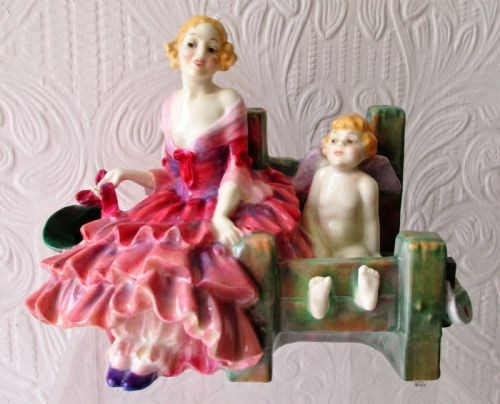

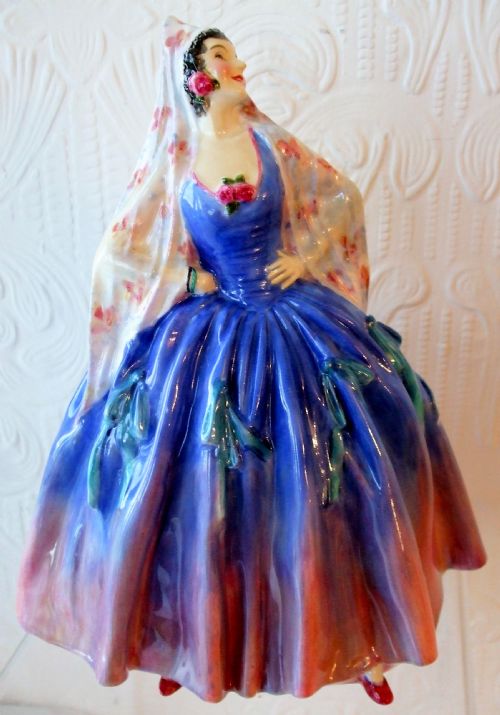
Collectible Art Painting
These collectible art painting examples combine fine hand work with period character, offering tactile appeal for the serious collector.
Collectible Art Painting
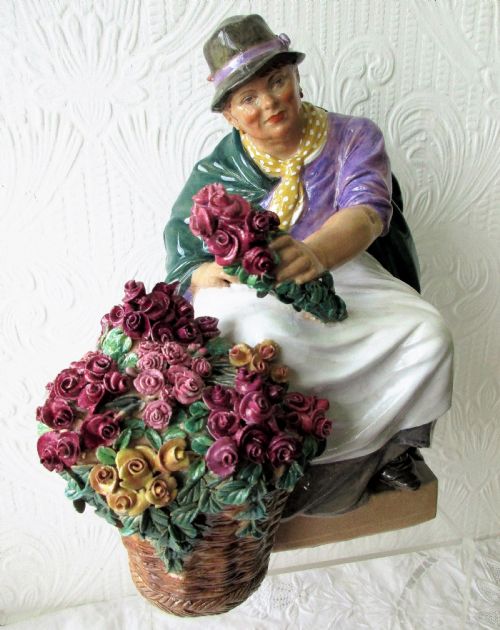
Collectible art painting encompasses small-scale visual works and painted objects originating from the nineteenth century through the mid-twentieth century. Buyers searching this phrase encounter framed watercolours alongside painted porcelain figures, studio pottery, and decorative wooden items bearing hand-applied pigment.
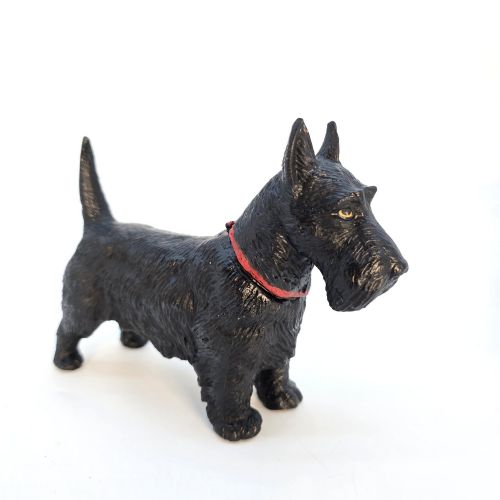
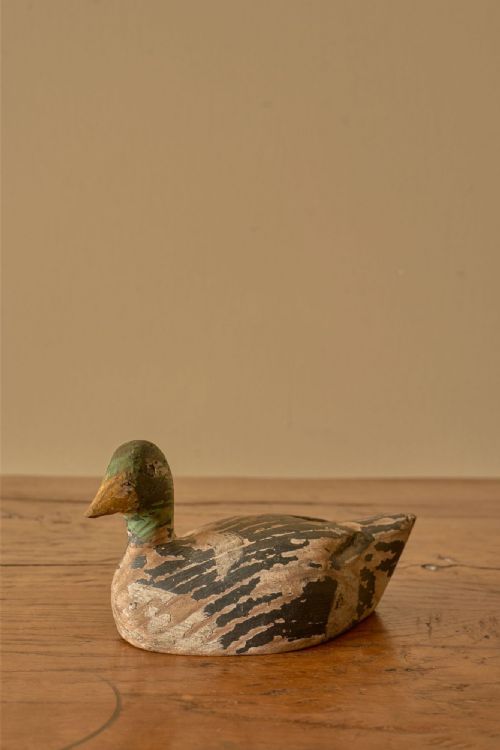
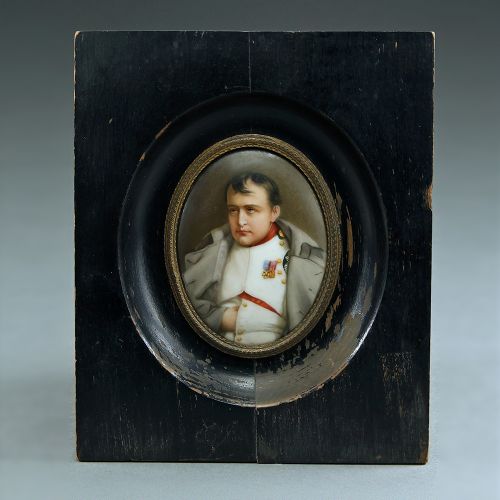
The selection on this page relies heavily on early twentieth-century pieces, including Art Deco table lighters, Victorian portrait miniatures, and folk art decoys. These items bridge the gap between traditional fine art and decorative objects of utility.
Origins span English, Irish, and Scandinavian workshops, capturing the shift from ornate nineteenth-century styles toward cleaner modernist lines. Most examples demonstrate how painting extended beyond flat canvas into three-dimensional decorative forms.
Materials and technique
Makers utilised traditional pigments on wood, porcelain, metal, and paper surfaces, applying paint by hand to build up rich surface textures. Wood and cast metal provided sturdy foundations for carved decoys and novelty lighters, while bone china and porcelain accepted delicate overglaze enamels.
Artisans combined carpentry, modelling, and miniature painting techniques to create objects of lasting durability. Pigments were sealed with protective varnishes or fired into glazes, preserving the original brushwork across decades of handling.
Collectible Art Painting Retail Price Guide 2026
Typical asking prices for collectible art painting among the pieces listed under this phrase on Sellingantiques today, from the lower quarter to the upper quarter. They describe what is for sale here now, not the wider market.
Someone spent hours meticulously painting a tiny Dick Turpin onto a table lighter so you could light your cigarette with a highwayman.
Assessing quality and execution
Quality rests in the precision of the brushwork and the crispness of the underlying form, whether on a porcelain figurine or a painted wooden decoy. Superior examples display confident, deliberate strokes that define facial expressions or plumage without cluttering the composition.
The integration between painted decoration and the base object dictates overall success. Top-tier pieces maintain original pigments with minimal intervention, whereas lesser items suffer from heavy overpainting or obscured details that mask the original material.
Charles Vyse·William Moorcroft·Lorenzl·William Goebel
The Collectible Art Painting Glossary
- Portrait Miniature
- A small, highly detailed painting executed on vellum, copper, or ivory, popular in the nineteenth century. These works required microscopic brushwork to capture lifelike facial likenesses.
- Art Deco
- A design style emerging in the 1920s and 1930s characterised by sleek geometric lines and stylised motifs. It heavily influenced the manufacturing of novelties, lighters, and ceramics of the period.
- Decoy
- A carved and painted wooden or cork bird used historically in hunting, now collected as folk art. Artisans applied realistic or stylised paint schemes to mimic waterfowl.
- Studio Pottery
- Ceramics produced by individual artists working independently from large industrial factories. These pieces often feature unique hand-mixed glazes and expressive forms.
Collectible Art Painting: Frequently Asked Questions
How do I date painted ceramics?
Dating relies on maker marks, base stamps, and the specific style of the hand-painted overglaze. Comparing these elements with documented production periods helps narrow down the year of manufacture.
Changes in palette and glaze technology also provide reliable chronological clues for pieces produced between the Victorian era and the 1940s.
Are painted wood items fragile?
Painted wooden pieces, such as folk art decoys or carved models, require stable indoor humidity to prevent wood movement. Sudden environmental shifts can cause underlying timber to expand or contract.
Protecting the surface from direct sunlight ensures the original hand-applied pigments do not fade or flake over time.
What defines Art Deco painting?
Art Deco painting style focuses on symmetry, streamline geometry, and bold flat colour fields rather than traditional shading. It often embraces modern technological subjects alongside stylised human figures.
This aesthetic translates from flat watercolours onto three-dimensional items like novelty lighters and ceramic figurines.