

Collectable Timepiece
A collectable timepiece is a portable instrument for measuring hours, offering mechanical precision housed in period brass, steel, silver, or glass.
Collectable Timepiece
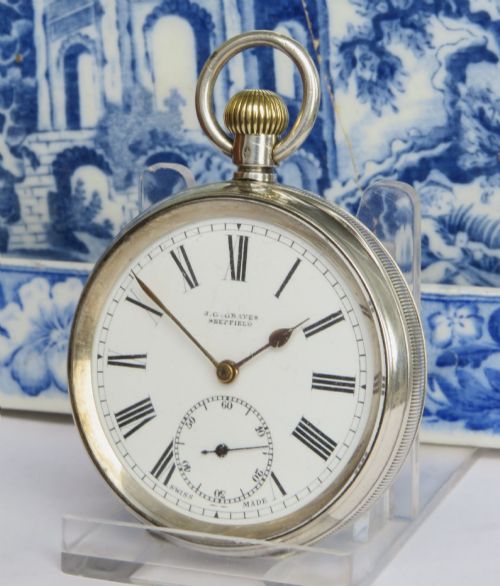
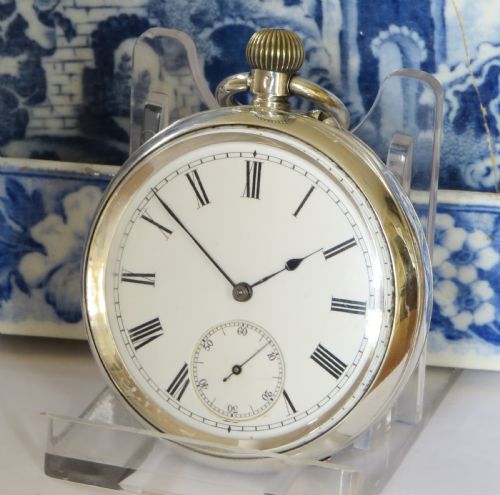
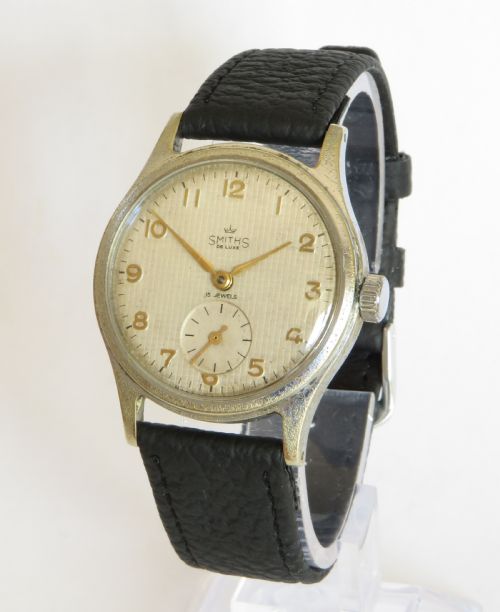
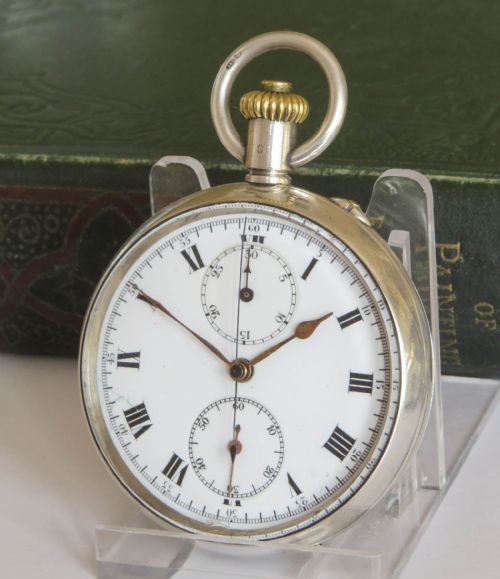
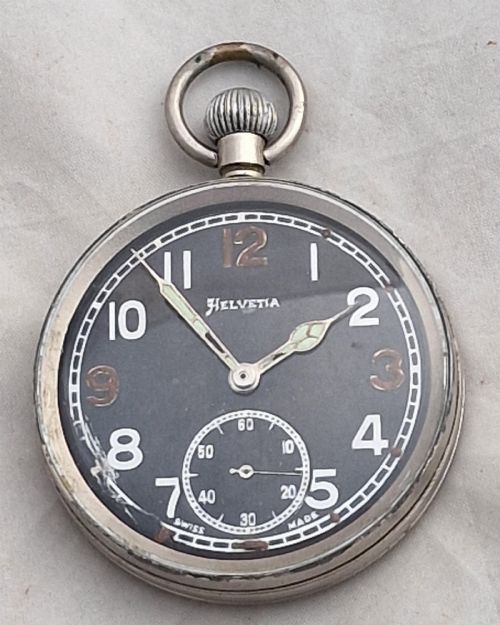
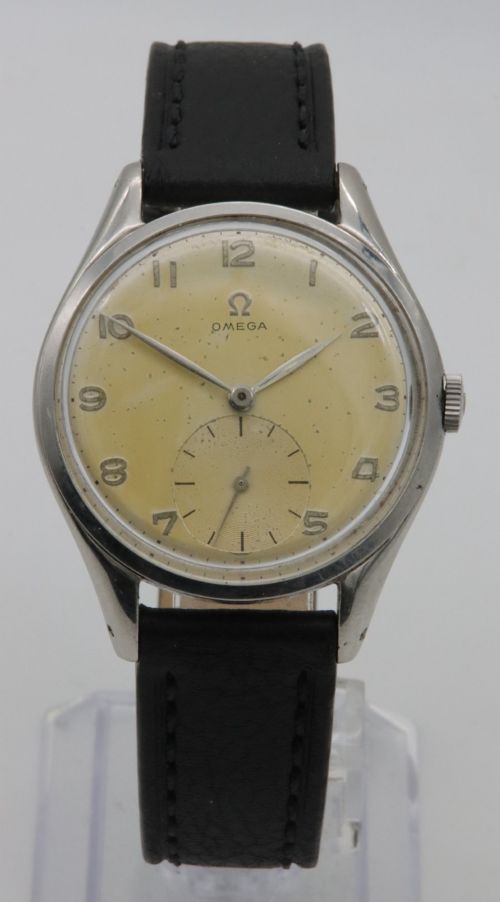
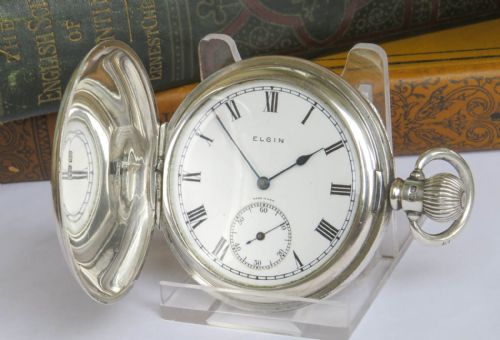
When you search for a collectable timepiece, you encounter portable instruments spanning the Victorian era through the mid-twentieth century. Wristwatches and pocket watches dominate the selection, alongside heavy carriage clocks and decorative glass desk pieces. These items serve as functional history, recording changing tastes in design from ornate nineteenth-century cases to streamlined mid-century dials.
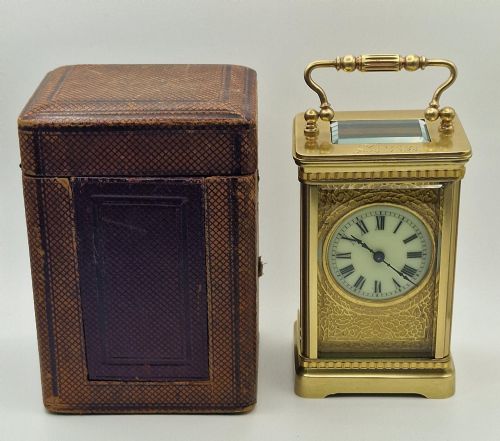
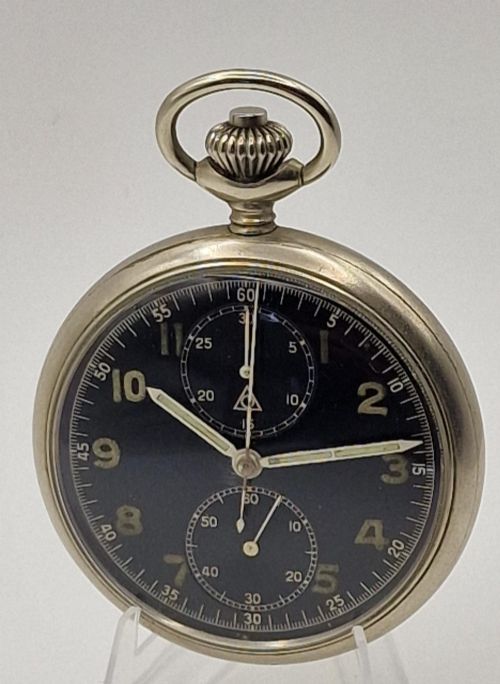
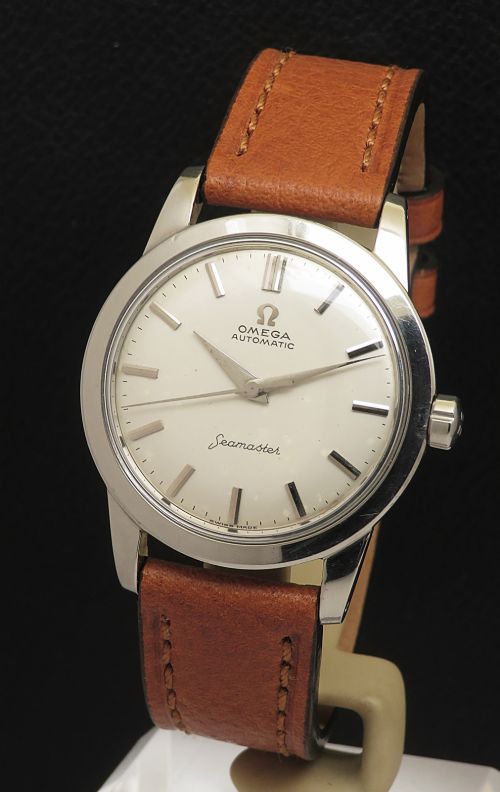
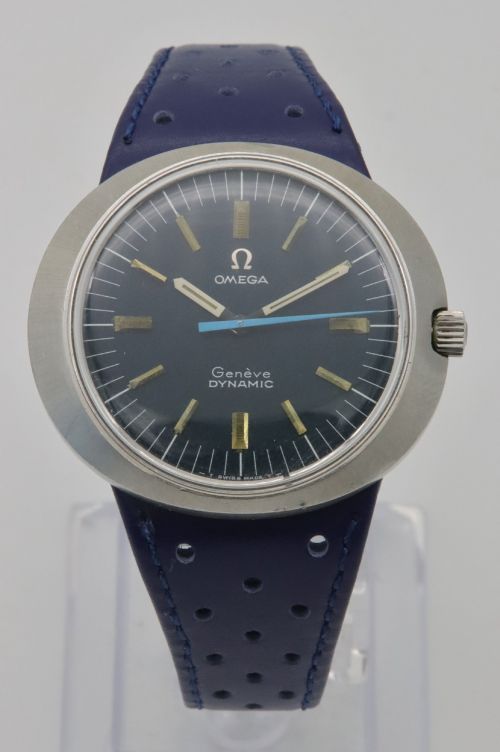
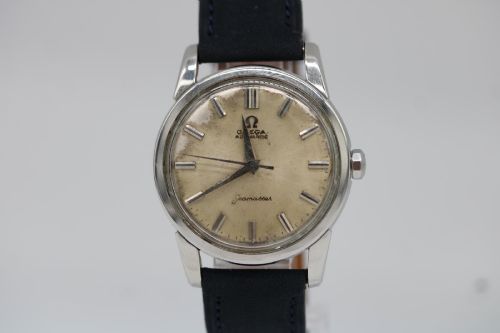
You are most likely to meet wristwatches and pocket watches originating from the mid-twentieth century, particularly the nineteen-forties and nineteen-fifties. These include military issues, automatic models from established Swiss and British makers, and everyday dress watches in stainless steel or silver. Alongside these, nineteenth-century and Edwardian brass carriage clocks appear frequently, often complete with glass panels revealing the movement within.
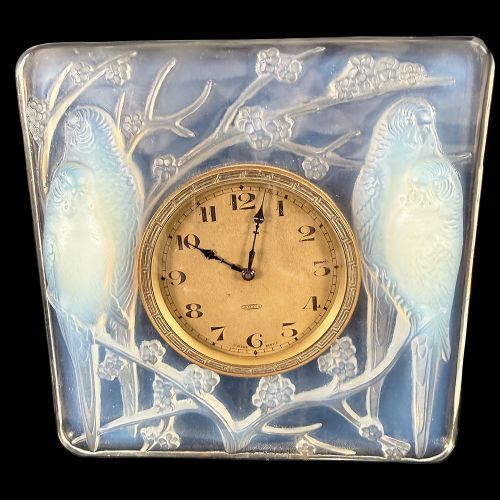
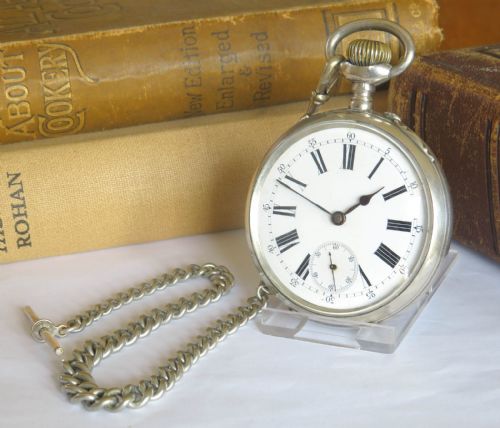
The objects also encompass specialised items such as goliath pocket watches, travel clocks in leather cases, and opalescent art glass clocks designed for domestic display. Each category reflects the specific domestic, military, or travel requirements of its era. Together, they form a diverse group where mechanical function meets decorative craft.
Materials and construction
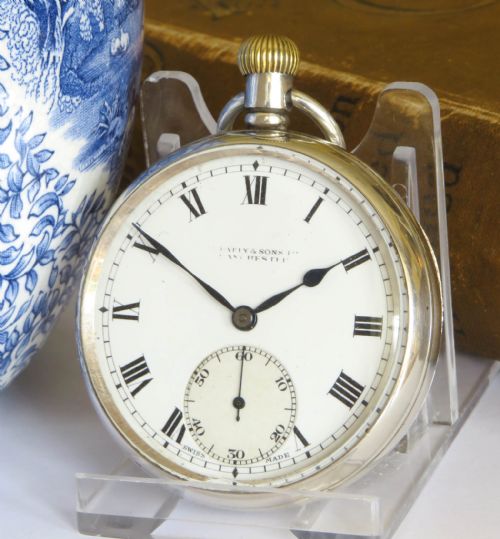
Cases and dials rely on a combination of traditional metals, moulded glass, and enamel. Brass and gilt brass form the heavy frames of carriage clocks and early pocket watch cases, while silver and stainless steel provide durable housing for portable wristwatches. Enamel creates crisp, permanent white dials with painted numerals, complemented by specialised elements like opalescent moulded glass in decorative desk clocks.
Internal movements depend on precision machining, jewelled bearings, and manual or automatic winding systems. Metals such as steel and nickel form the intricate gears and springs required to maintain accurate time. Military and civilian pieces alike utilise specialised chronograph and calendar complications, assembled by hand within compact metal housings.
Collectable Timepiece Retail Price Guide 2026
Typical asking prices for collectable timepiece among the pieces listed under this phrase on Sellingantiques today, from the lower quarter to the upper quarter. They describe what is for sale here now, not the wider market.
Materials recorded across current inventory include brass, stainless steel, silver, nickel, glass, enamel, and leather.
Distinctions in craftsmanship
The upper tier of timepieces is distinguished by the preservation of original components, unpolished case edges, and signed movements from renowned makers. Superior examples retain their original dials, luminous compounds, and fitted cases or chains without modern replacement parts. The clarity of glass panels in carriage clocks and the crispness of engraving on silver hunter cases also separate finer pieces from standard production items.
Execution and finishing of the internal movement dictate the grade of a piece. High-quality items feature carefully adjusted jewelled lever escapements, decorated bridges, and complex complications such as chronographs or striking mechanisms. Simpler mass-produced movements lack this level of hand-finishing and fine-tuning, resulting in a different standard of horological craftsmanship.
Omega·R Lalique·Elgin·Longines·Zenith·Mappin and Webb
The Collectable Timepiece Glossary
- Carriage clock
- A portable spring-driven clock designed for travel, typically featuring a brass case with bevelled glass panels and a swing handle on top. These originated in France and often include striking or alarm complications.
- Chronograph
- A watch equipped with a stopwatch function, allowing the measurement of elapsed time via independent sweep hands and pushers on the case. Military and civilian models alike utilise this mechanism.
- Goliath pocket watch
- An oversized pocket watch, significantly larger than standard specimens, frequently housed in a fitted leather travel case for desk or bedside use during the early twentieth century.
- Verge escapement
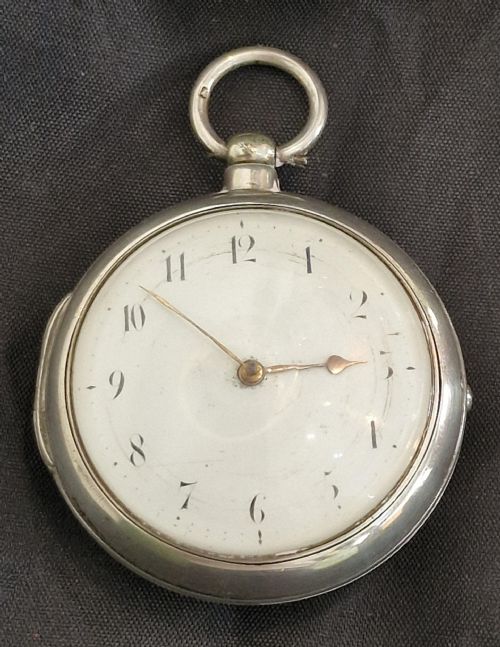
- An early mechanical escapement using a vertical rod with pallets to control the release of power from the gear train. This traditional mechanism appears in older Georgian pocket watches.
- Moonphase
- A complication on a watch dial that displays the current phase of the moon through a small rotating aperture. It combines mechanical gear ratios with decorative miniature painting.
Collectable Timepiece: Frequently Asked Questions
How do I wind a mechanical watch?
Wind the crown gently between your thumb and forefinger in a forward motion until you feel slight resistance. Stop immediately to avoid damaging the internal mainspring.
For automatic models, natural wrist movement keeps the mechanism powered, but an initial manual wind may be necessary if the watch has stopped completely.
Can I wear a vintage watch daily?
Many vintage wristwatches from the mid-twentieth century handle regular daily wear provided they receive routine mechanical service and oiling.
However, older pieces lack modern water resistance and shock protection, meaning they require protection from moisture, heavy impacts, and strenuous physical activity.
How do I care for a carriage clock?
Place the clock on a stable, level surface away from direct sunlight, extreme temperature fluctuations, and drafts. The delicate balance wheel requires a stable platform to keep accurate time.
When transporting a carriage clock, secure the platform or handle it with extreme care, as sudden movements can damage the internal escapement.