





Collectable Silver Flatware
Collectable silver flatware spans heavy seventeenth-century trefid tablespoons and intricate twentieth-century enamel designs, offering tangible links to domestic history.
Collectable Silver Flatware
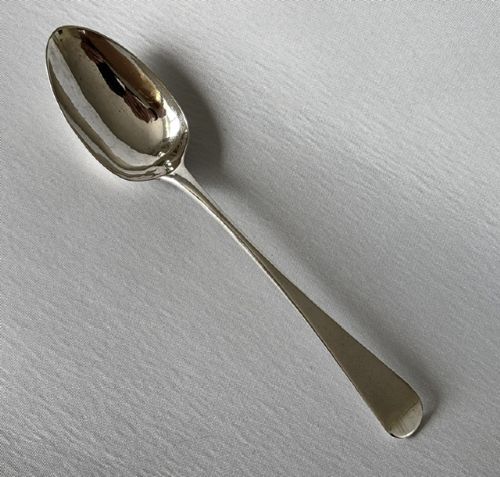
When searching for collectable silver flatware, buyers encounter a diverse range of eating and serving implements spanning several centuries. The selection encompasses early regional pieces alongside formal dining utensils from subsequent eras.
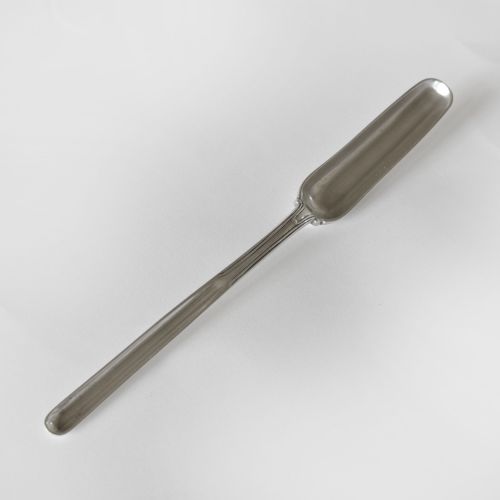
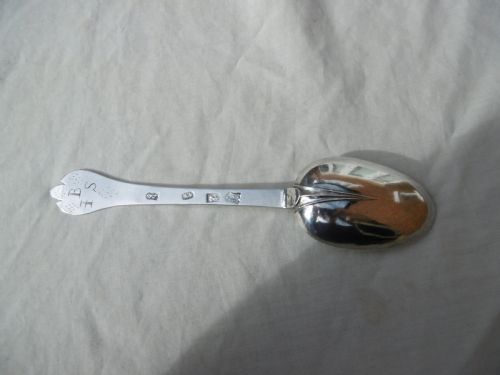
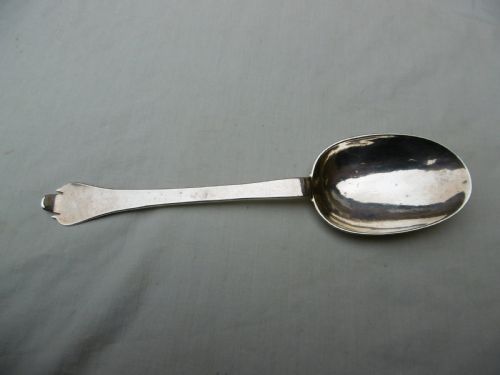
The objects take many forms, from seventeenth-century trefid and dognose tablespoons to specialised items such as marrow scoops, caddy spoons, and medicine spoons. Pieces originate from English provincial workshops, London makers, and international makers.
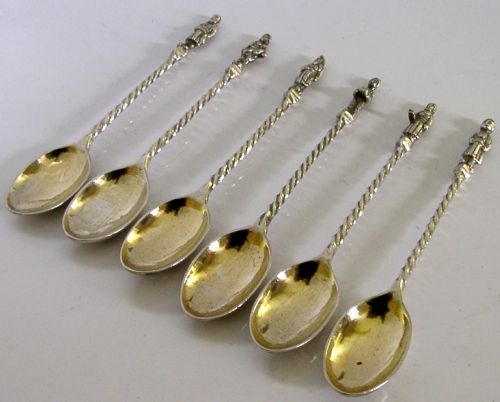
Most items are fashioned from sterling silver or solid silver, occasionally featuring gold gilt or enamel decoration. Stylistic influences range from the restraint of Queen Anne designs to ornate Victorian patterns and early twentieth-century creations.
Distinctions in quality and execution
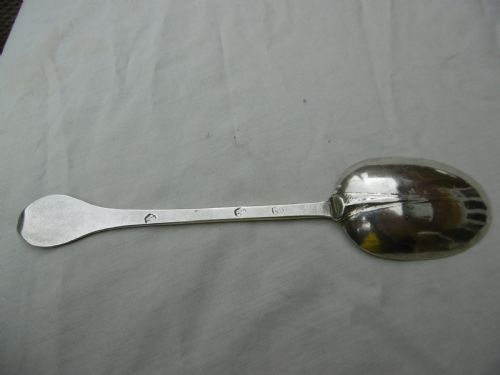
Quality rests upon the clarity and completeness of the original maker marks and hallmarks stamped into the metal. Sharpness of detail in chased or engraved decoration, such as rattails and crests, distinguishes superior smithing.
Survival of the original surface finish and structural integrity without excessive polishing determine desirability. Early provincial pieces and recognised maker attributions command particular attention among serious collectors.
Collectable Silver Flatware Retail Price Guide 2026
Typical asking prices for collectable silver flatware among the pieces listed under this phrase on Sellingantiques today, from the lower quarter to the upper quarter. They describe what is for sale here now, not the wider market.
Early spoon handles doubled as makeshift toothpicks when dining etiquette was somewhat more flexible than it is today.
Peter and Jonathan Bateman·William Penstone·Isaac Davenport·Benjamin Prosser·Thomas Issoa·Lawrence Coles·Daniel Cary·John King·Archibald Knox
The Collectable Silver Flatware Glossary
- Dognose
- A spoon style popular around the turn of the eighteenth century, featuring an upturned terminal shaped like a dog's nose. It evolved directly from the earlier trefid form.
- Rattail
- A narrow tapering tongue of metal extending down the back of a spoon bowl from the handle. It provides structural strength to the junction during heavy use.
- Hallmark
- A series of official stamps applied by an assay office to guarantee the fineness of the precious metal. These marks often identify the maker, town, and year of production.
- Marrow scoop
- A narrow, trough-like utensil designed for extracting marrow from bones during formal dining. These pieces typically feature bowls of differing sizes at each end.
Collectable Silver Flatware: Frequently Asked Questions
What is a trefid spoon?
A trefid spoon is an eating utensil featuring a flat handle ending in three lobes, which was highly fashionable in the late seventeenth century. These pieces often display crisp engraving on the terminal.
They represent an important transitional phase in English flatware design before the adoption of more rounded handle profiles. Collectors value their distinct silhouette and historical age.
How should I clean antique silver flatware?
Antique silver requires gentle care using non-abrasive cloths and specialised silver cleaning products formulated to preserve the metal surface. Harsh scrubbing can wear away delicate engravings and historic hallmarks.
Many collectors prefer to maintain a moderate, natural patina rather than polishing pieces to a mirror shine. Proper storage in tarnish-resistant pouches prevents unnecessary chemical exposure.
Why are provincial silver marks important?
Provincial marks indicate that a piece of flatware was made outside of London, often in regional centres or towns with their own local assay practices. These items show unique regional variations in style and manufacturing technique.
Because fewer provincial makers operated compared to the capital, their surviving works are frequently scarce. This rarity draws strong interest from specialised silver historians and collectors.