

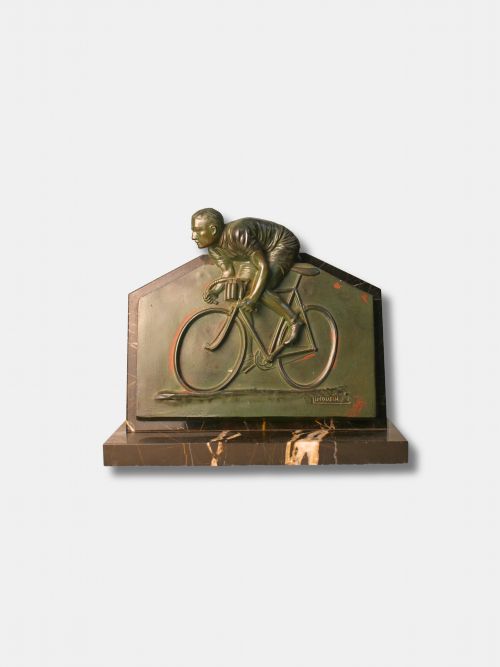


Collectable French Bronze Statue
A collectable french bronze statue brings kinetic animalier life or elegant human form to a mantelpiece, cast by master founders.
Collectable French Bronze Statue
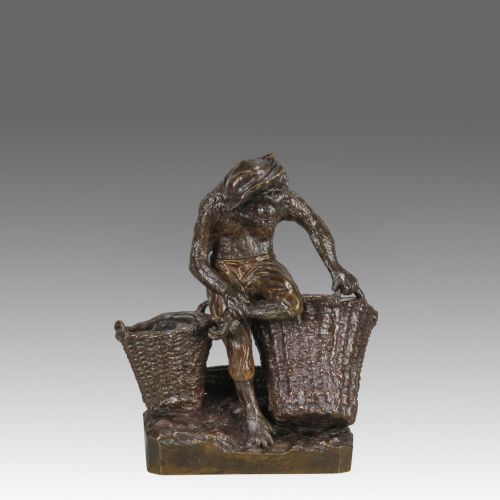
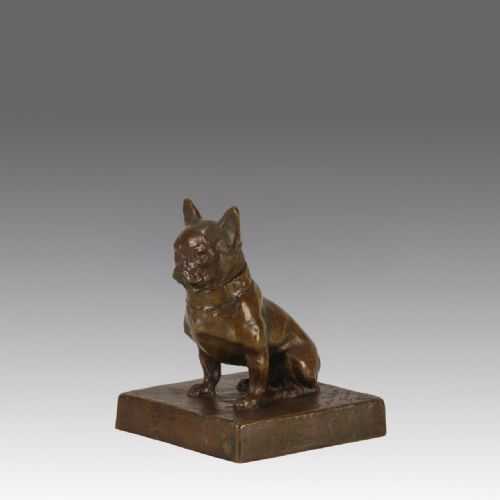
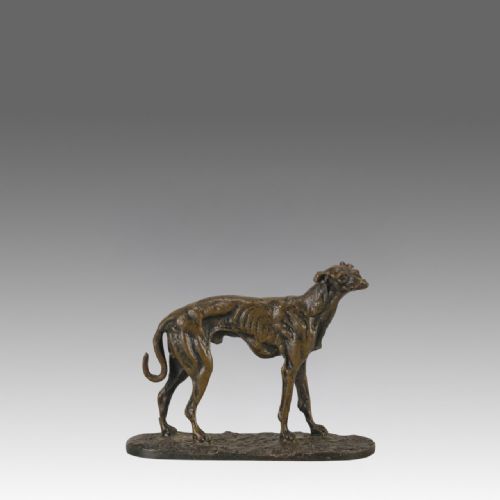
A collectable french bronze statue captures the energy of the natural world or the grace of the human figure, created across the nineteenth and twentieth centuries. These works range from mid-nineteenth-century animalier studies of greyhounds and buffaloes to early twentieth-century modernist figures and Art Deco dancers.
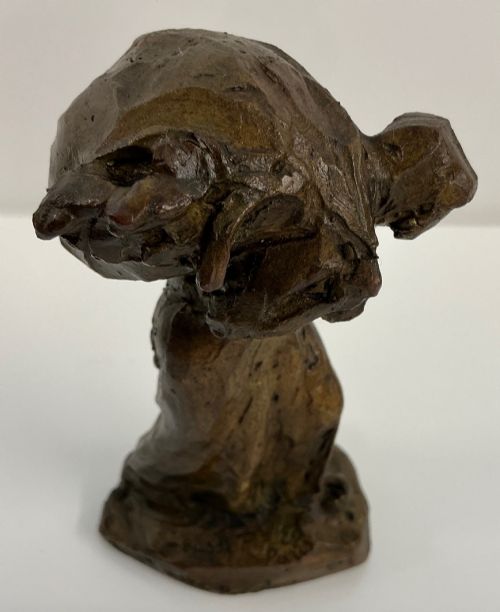
The version most commonly met on this page is the animalier bronze, depicting domestic hounds, exotic beasts, and farm animals with anatomical precision. Alongside these animal subjects appear human studies, including cyclists, goat carvers, and kneeling maidens.
Originating predominantly from French workshops and founders, these sculptures reflect changing tastes from nineteenth-century realism through to Art Nouveau and Art Deco. Collectors encounter pieces bearing signatures of prominent sculptors alongside period works cast in spelter.
Distinctions in Quality
The quality of the patina and the integration with secondary materials, such as stone or onyx bases, separate standard commercial editions from superior foundry productions. Evidence of the chiseller's hand after casting indicates higher workmanship.
Greyhounds appear more than once in the collection, proving that nineteenth-century sculptors appreciated the sleek lines of a fast hound.
Christophe Fratin·Antoine L Barye·P J Mêne·Jules Dalou·Julien Lorieux·Aristide Maillol·Joseph Francois Victor Chemin·Antoine Bofill·Claire Colinet·Barbedienne
The Collectable French Bronze Statue Glossary
- Animalier
- A nineteenth-century artistic movement focused on the realistic portrayal of animals. Sculptors in this tradition studied anatomy closely at menageries.
- Patina
- The surface coloration and chemical sheen developed naturally over time or applied chemically by the foundry. It protects the metal and defines the visual tone.
- Spelter
- A zinc alloy utilised as a less expensive alternative to bronze, frequently painted or bronzed to imitate the heavier metal. It appears on early twentieth-century decorative figures.
- Lost-wax casting
- A traditional method where a wax model is melted away to create a mould for molten metal. This technique allows for intricate detail in sculpture.
- Plinth
- The base or pedestal upon which the statue stands. Pieces in this collection occasionally utilise marble or onyx for this structural support.
Collectable French Bronze Statue: Frequently Asked Questions
How do I clean a bronze statue?
Dust the surface gently with a soft, dry brush to prevent the accumulation of grit in crevices. Avoid harsh chemical cleaners or water, which can strip the historic patina.
Apply a very thin layer of microcrystalline wax periodically if the metal requires protection. Buff the surface lightly with a clean cloth to maintain the finish without altering the coloration.
What is an animalier bronze?
An animalier bronze is a sculpture specifically focused on the realistic depiction of animals in motion or repose. These pieces became popular in nineteenth-century France through the work of specialised sculptors.
Artists studied live animals closely to capture accurate muscle structure and temperament. Subjects ranged from domestic hounds to wild beasts and farm animals.
How can I tell bronze from spelter?
Bronze is a heavy, copper alloy that feels cold to the touch and rings with a clear tone when tapped gently. Spelter is a zinc-based metal that is lighter and softer, often showing grey metal beneath chips in the surface paint.
Inspect the underside or areas of wear for the characteristic yellow hue of bronze versus the dull grey of zinc. Foundry marks and weight usually provide clear indicators of the material.
Where should I display these sculptures?
Place statues on stable surfaces such as wooden sideboards, desks, or mantelpieces away from direct sunlight and excessive moisture. Ensure the supporting furniture can bear the weight, particularly for pieces mounted on stone or marble plinths.
Keep bronze figures clear of heat sources like radiators to protect the patina and any applied finishes. Adequate lighting from above can highlight the textural details of the casting.