








French Bronze Female Sculpture
French bronze female sculpture spans classical maidens and dancers captured in patinated metal.
French Bronze Female Sculpture
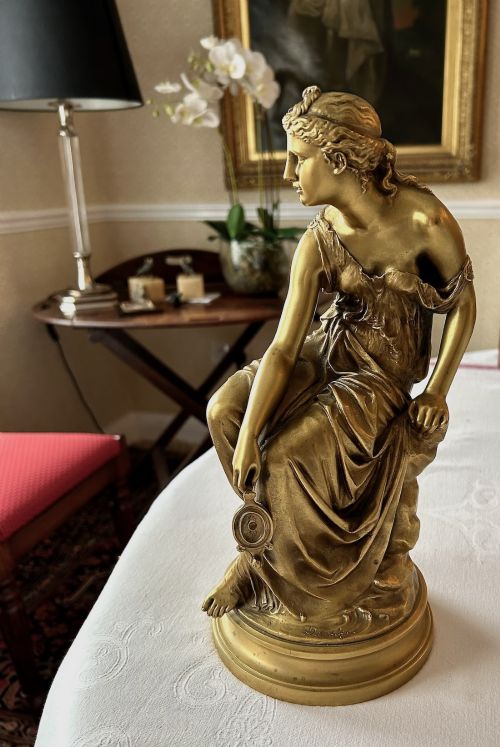
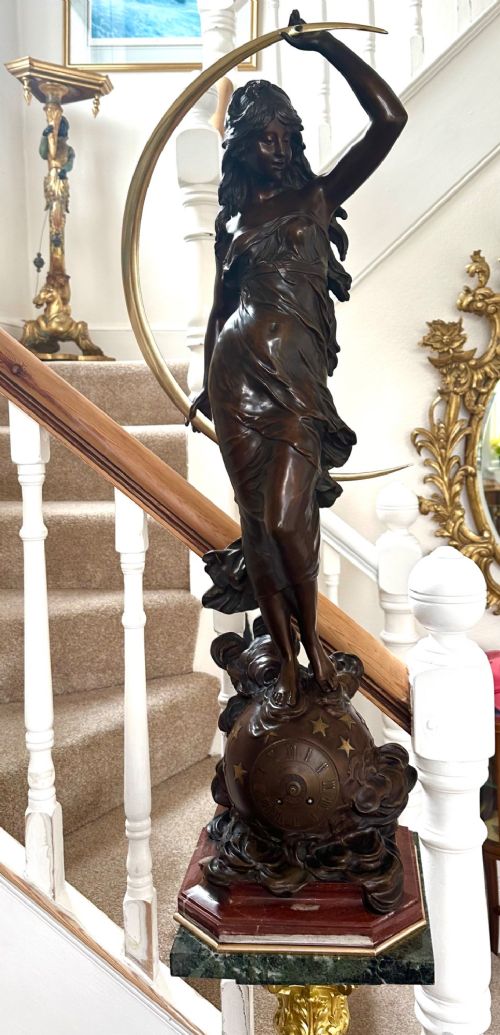
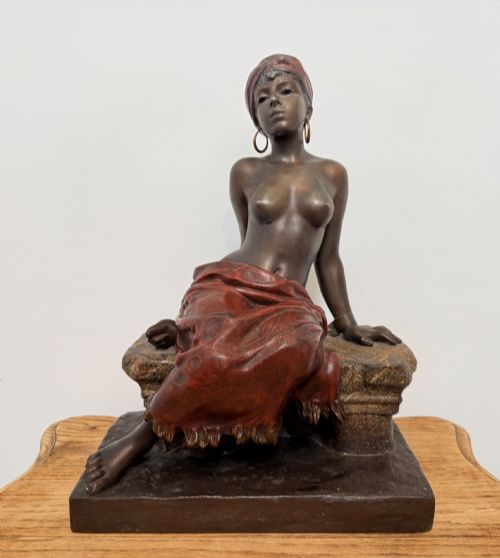
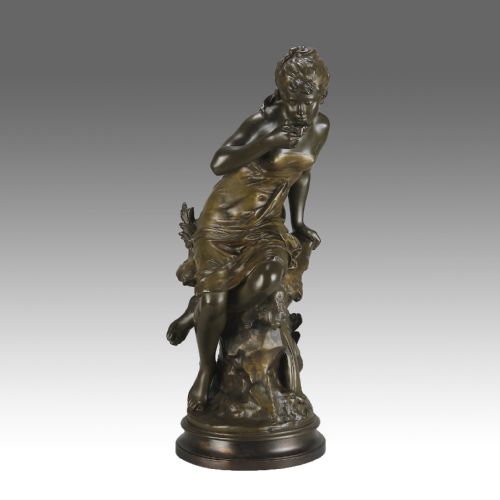
A french bronze female sculpture brings together figures of classical maidens, mythological subjects, and dancers spanning the nineteenth and early twentieth centuries. Buyers encounter classical heroines, allegorical representations of seasons, and theatrical performers rendered in three dimensions.
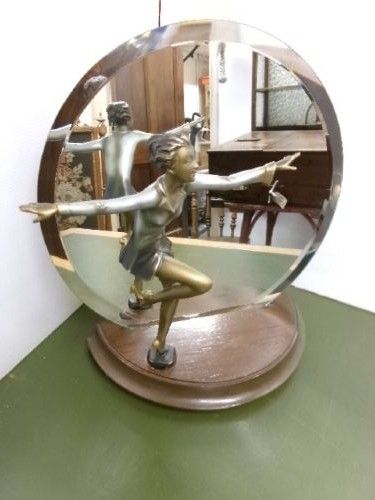
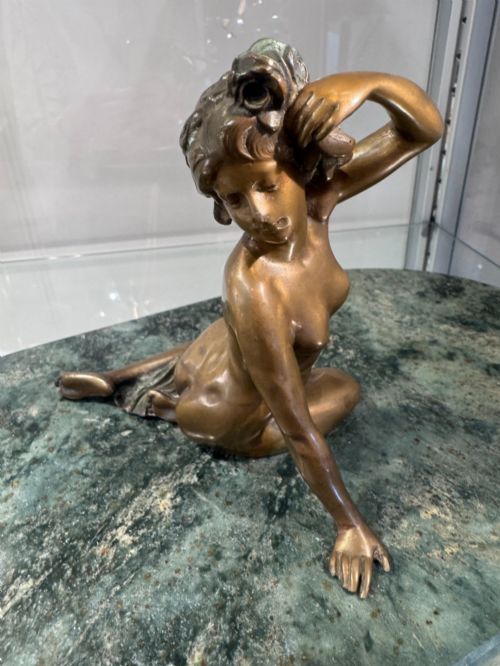
The selection ranges from nineteenth century neoclassical and romantic portrayals to art nouveau and art deco stylised figures. Most examples depict women standing, seated, or dancing, frequently mounted upon stone plinths.
Originating predominantly from French foundries and studios, these works capture female forms through varied aesthetic movements from the Victorian era onward.
Materials and technique
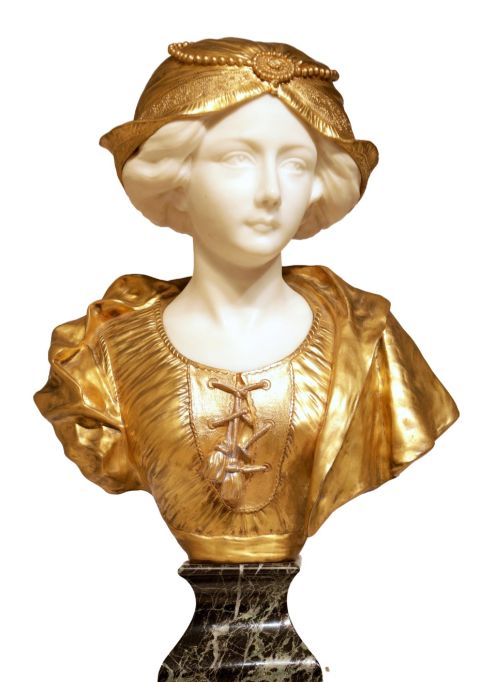
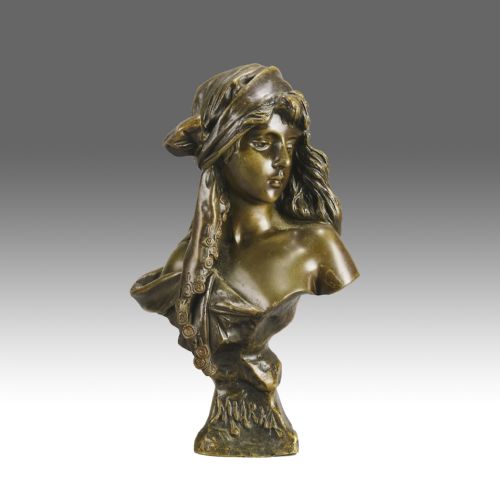
Foundries utilised traditional casting methods to shape bronze, patinated bronze, and gilt bronze, occasionally employing spelter for alternative figures. Molten metal filled moulds to create detailed robed ladies, dancers, and portrait busts.
Sculptors combined metal with bases of marble, onyx, or alabaster to support standing and reclining female subjects. Cold painting and surface patination added colour and tonal variation to drapery and hair.
Several dancers balance perilously on surprisingly small marble toes.
Distinctions in quality
Material integration, such as the selection and polish of supporting marble or onyx bases, influences the overall presence of the sculpture. Master founders maintained precise proportions and balanced patination across the entire surface.
Etienne-Henri Dumaige·Ferdinand Barbedienne·Pierre le Faguays·August Moreau·Emmanuel Villanis·Demetre Chiparus·Mathurin Moreau
The French Bronze Female Sculpture Glossary
- Patination
- The chemical treatment or natural oxidation applied to the bronze surface to produce colour and depth. This finish protects the metal while highlighting contours.
- Spelter
- A zinc alloy utilised as a cheaper alternative to bronze for sculptural figures. It is softer and lighter than copper-based metals.
- Chasing
- The process of hand-tooling a bronze casting after removal from the mould to refine details. Artisans clear away casting flaws and sharpen lines.
- Gilt bronze
- Bronze treated with a layer of gold leaf or mercury gilding to impart a luminous yellow metallic sheen. It appears frequently in decorative pieces.
- Cold painting
- The application of paint to a metal sculpture without subsequent firing or heat treatment. This technique decorates garments and hair.
French Bronze Female Sculpture: Frequently Asked Questions
How do I identify art deco figures?
Art deco french bronze female sculpture exhibits stylised geometric lines, flattened drapery, and dynamic poses often representing dancers. These works typically date from the 1920s and 1930s.
Foundries during this period favoured sleek contours and modern materials, pairing patinated metal with contrasting marble bases.
How do I clean bronze sculptures?
Dusting gently with a soft dry cloth maintains the surface without disturbing the historic patina. Avoid liquid cleaners and harsh abrasives that strip the metal finish.
Keeping the sculpture away from direct moisture preserves both the bronze and any attached marble bases.
Are marble bases original?
Many nineteenth and twentieth-century figures were mounted on marble, onyx, or alabaster plinths by the foundry. These stones provided necessary weight and structural balance for standing figures.
Examining the fit between metal and stone helps confirm period assembly.