

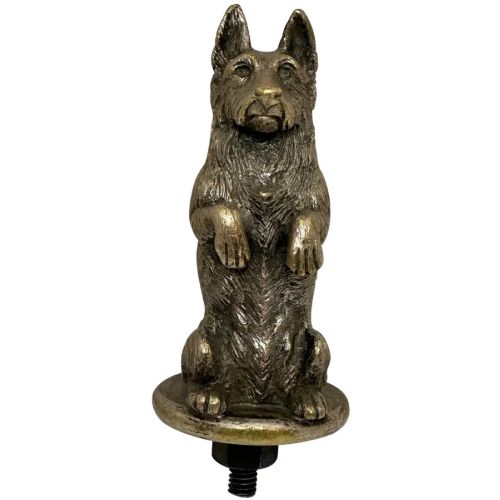
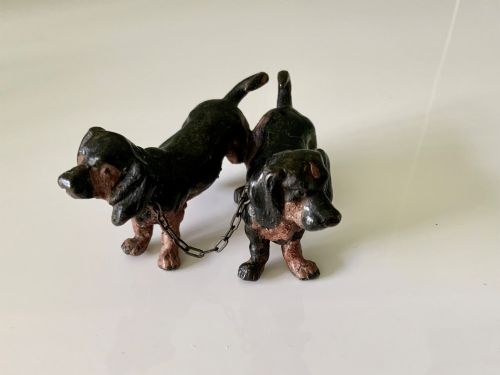
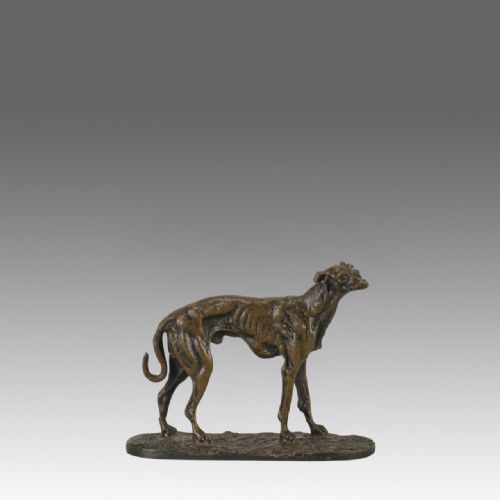


Collectable Dog Figurine
These collectable dog figurine examples capture canine character through enduring metal, ceramic and bronze forms.
Collectable Dog Figurine
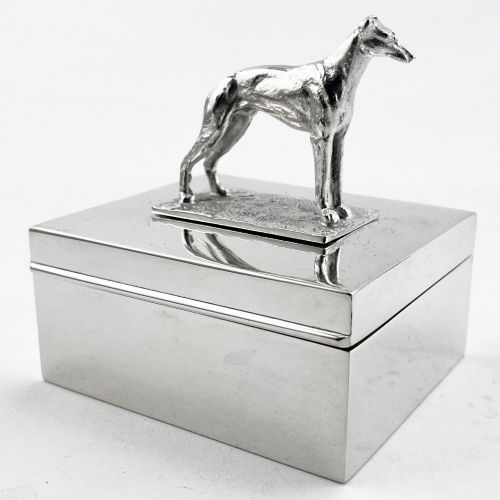
When you search for a collectable dog figurine, you encounter sculptural interpretations spanning the nineteenth and early twentieth centuries. These range from domestic pets rendered in Victorian porcelain to spirited bronze studies of terriers and greyhounds.
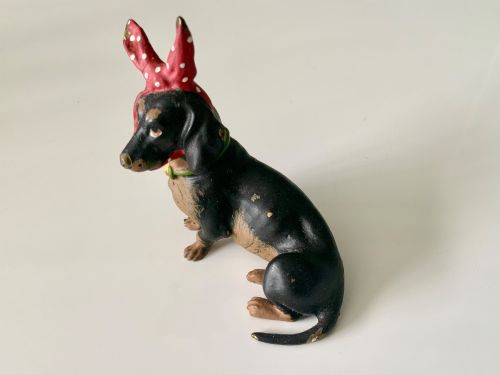
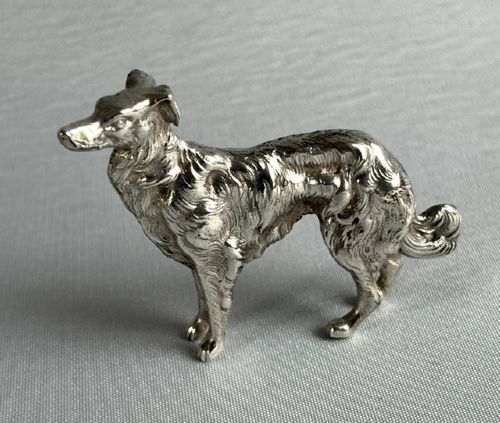
The pieces appearing on this page most frequently take the form of cold painted bronze models or functional novelty silver pin cushions. Makers capture specific breeds like dachshunds, pugs and bulldogs with careful attention to posture and expression.
Origins stretch from English workshops to Austrian foundries and French animalier studios. Each object reflects the prevailing taste of its period, whether for realistic anatomical studies or charming novelty desk accessories.
Materials and construction methods
Foundries produced many of these works using the lost-wax casting method for bronze, allowing intricate detail in the fur and musculature. Artisans then applied cold painted enamel finishes by hand to achieve realistic coloration.
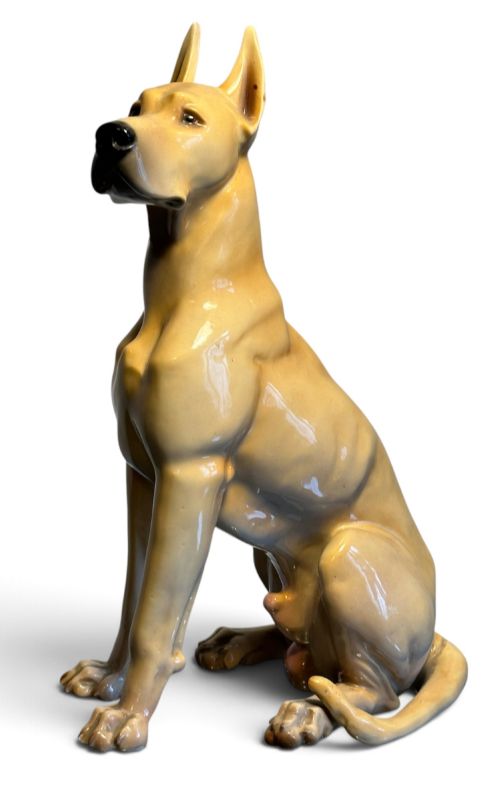
Ceramic examples utilised earthenware and porcelain bodies shaped in moulds before receiving hand-painted glaze decoration. Silver pieces involved silversmithing techniques to form miniature creatures combined with velvet pin cushions.
Collectable Dog Figurine Retail Price Guide 2026
Typical asking prices for collectable dog figurine among the pieces listed under this phrase on Sellingantiques today, from the lower quarter to the upper quarter. They describe what is for sale here now, not the wider market.
Silver pugs and bulldogs stand ready with velvet bellies, holding pins for generations of careful tailors and letter writers.
Distinctions in quality
The upper tier of these works displays superior definition in the casting, where every detail of the coat remains crisp and clear. Painted surfaces on finer bronzes retain their original pigment rather than showing heavy later touch-ups.
Proportion and stance distinguish superior sculptural studies from simpler mass-produced items. Pieces bearing recognised foundry marks or artist signatures demonstrate a higher level of workshop execution.
Dora Heber·P J Mêne·Edith Parsons·Joseph Francois Victor Chemin·Franze Bergman·AL Barye·Barbedienne
The Collectable Dog Figurine Glossary
- Animalier
- A nineteenth-century artistic movement focusing on the realistic portrayal of animals. Sculptors in this tradition studied anatomy closely to capture movement and tension.
- Cold painted
- A method where bronze figures are painted with oil or enamel paints without being fired in a kiln. This technique allows for delicate multi-coloured surfaces.
- Vienna Bronze
- Small, highly detailed bronze sculptures produced in Austrian foundries during the late nineteenth and early twentieth centuries. They are renowned for their vibrant cold painted surfaces.
- Pin Cushion
- A small domestic accessory often formed as a novelty silver animal with a velvet insert. Victorians and Edwardians kept these on dressing tables and desks.
- Patina
- The surface sheen and coloration developed on metal through age and handling. Collectors value original patination for its historical authenticity.
Collectable Dog Figurine: Frequently Asked Questions
How do I clean a bronze dog figure?
Dust gently with a soft, dry brush to protect the delicate surface layers.
Avoid using water, chemical cleaners or abrasive cloths that can strip the original patina or cold painted finish.
What is an animalier bronze?
It is a realistic sculpture of an animal created by artists active during the nineteenth century. These works focus on accurate anatomy and natural behaviour.
Many were cast in France and Austria, capturing breeds ranging from greyhounds to terriers with striking fidelity.
Were these figures meant as toys?
Most of these objects served as decorative cabinet pieces or functional desk accessories rather than children's playthings. Novelty silver versions doubled as useful pin cushions for the home.
Porcelain and bronze examples were displayed in drawing rooms to demonstrate taste and breed preference.
How can I tell a Victorian piece from an Edwardian one?
Victorian examples often lean towards porcelain and traditional animalier bronze sculptures reflecting mid-nineteenth-century taste. Edwardian items frequently include whimsical silver novelty pin cushions and playful depictions of specific breeds.
Examining the base material, casting style and any registration marks helps determine the decade of manufacture.