



Collectable Bronze Figurine
A collectable bronze figurine is a small metal sculpture capturing animals or figures, prized for fine detail and historic patination.
Collectable Bronze Figurine
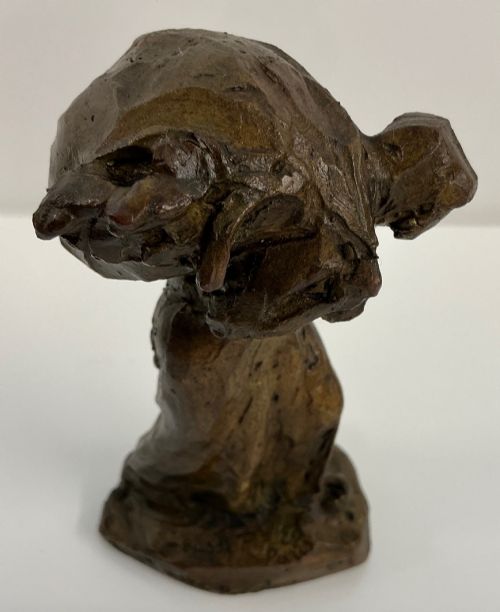
A collectable bronze figurine is a portable metal sculpture depicting animals, sporting subjects, or human figures. These pieces range from small table lighters to detailed animalier studies.
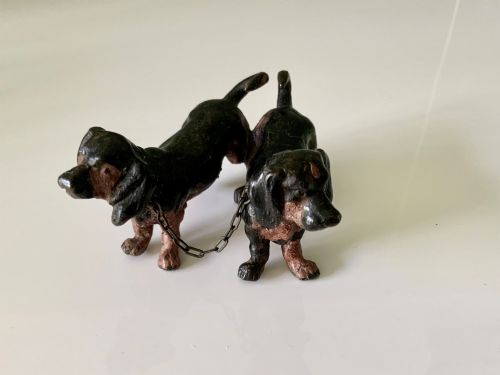
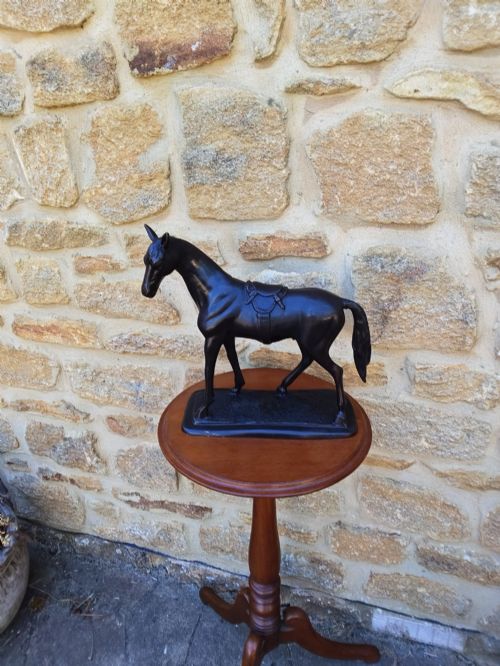
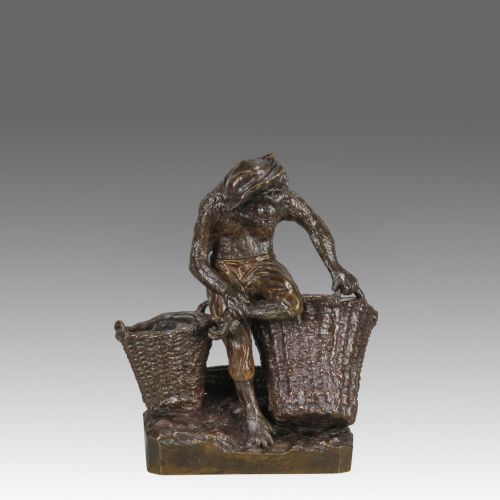
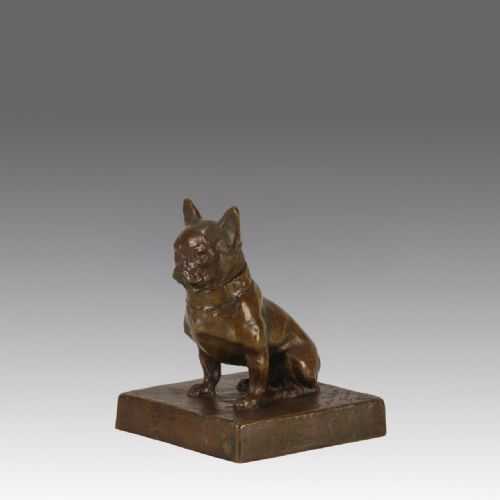
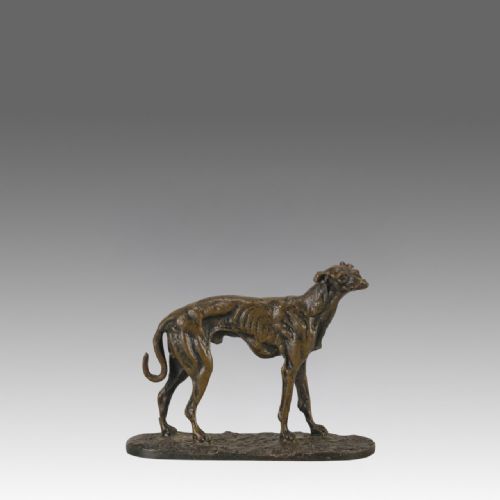
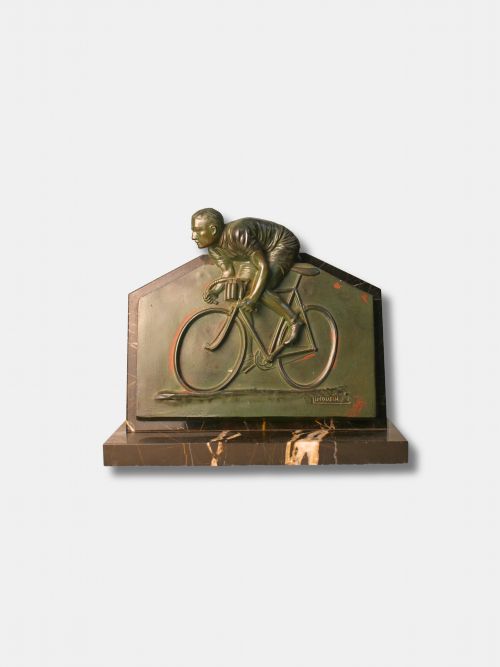
The selections here lean heavily toward nineteenth century French animalier subjects, Edwardian studies, and Art Deco works. You encounter dogs, horses, and figures cast in metal and mounted on stone bases.
Originating largely from European foundries, these works reflect specific stylistic movements from the nineteenth and early twentieth centuries. Makers applied great care to capture realistic postures and distinct character.
Materials and casting methods
Foundries utilised traditional casting methods to produce these metal sculptures, often employing bronze or spelter. Molten metal poured into moulds captured intricate textures before cooling.
Makers applied surface finishes including cold paint, silvering, and patination to enhance the visual depth. Many figures were then mounted upon solid stone plinths formed from marble or onyx.
Materials documented in these records include marble, onyx, paint, and patinated metal.
Distinctions in quality and execution
Surface treatment and patination heavily influence the desirability of a piece. Original applied paint and natural aged patination show greater depth than later surface coatings.
Christophe Fratin·P J Mêne·Jules Dalou·Julien Lorieux·Aristide Maillol·Edith Parsons·Franz Bergman·Elizabeth Anna Clapp·Joseph Francois Victor Chemin·Antoine Bofill·Claire Colinet·Lorenzl·AL Barye·Barbedienne
The Collectable Bronze Figurine Glossary
- Animalier
- A nineteenth century artistic movement focused on the realistic depiction of animals. Sculptors in this style studied anatomy closely.
- Patina
- The surface coloration and sheen developed naturally through age or applied artificially by the maker. This finish protects the metal and adds visual character.
- Spelter
- A zinc alloy commonly utilised as a substitute for bronze. It offers a lighter alternative for cast figures.
- Cold painted
- A technique where pigment is applied to a metal object without subsequent high heat firing. It appears frequently on Austrian cabinet bronzes.
- Onyx
- A banded stone variety frequently utilised for heavy bases. It provides a stable plinth for small sculptures.
Collectable Bronze Figurine: Frequently Asked Questions
How are these figures cleaned?
Dust gently with a soft brush to protect the delicate patinated surface.
Avoid liquid cleaners or polishes that strip original finishes.
What is the difference between bronze and spelter?
Bronze is a durable copper alloy that takes fine detail and patination.
Spelter is a softer zinc alloy often found in decorative period pieces.
Why are some figures mounted on stone?
Marble and onyx plinths provide stability for slender or heavy casts.
Stone mounts also reflect the aesthetic tastes of the Art Deco period.
How do I identify animalier bronzes?
Look for dynamic postures and realistic muscle structures in animal subjects.
These pieces originate predominantly from nineteenth century French workshops.