






Collectable Art Painting
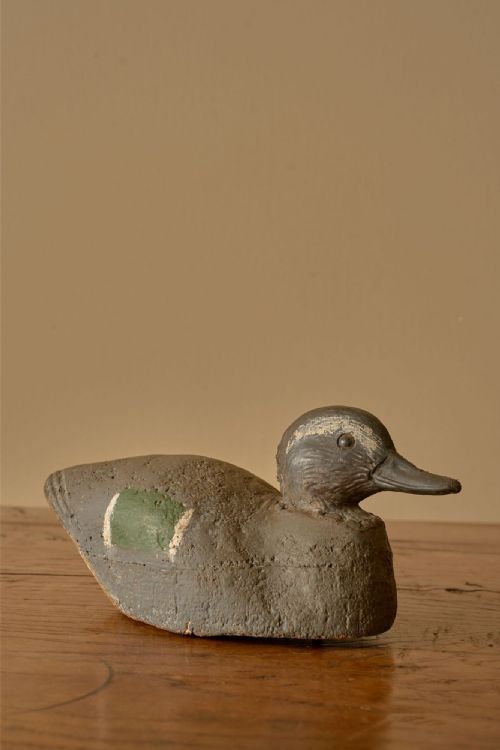
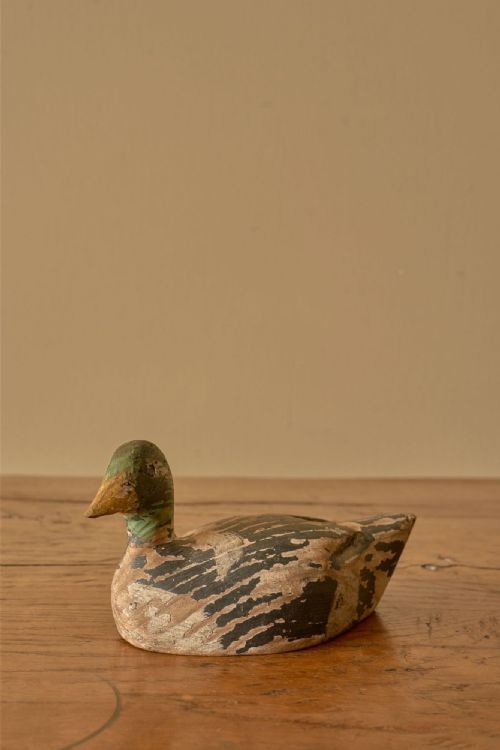
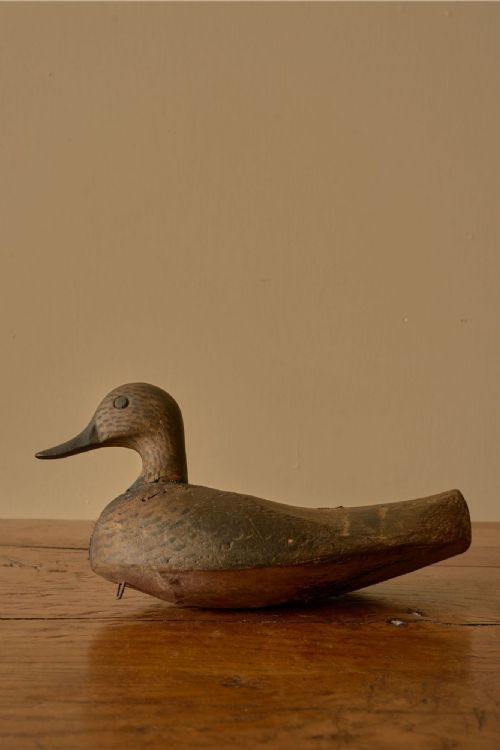
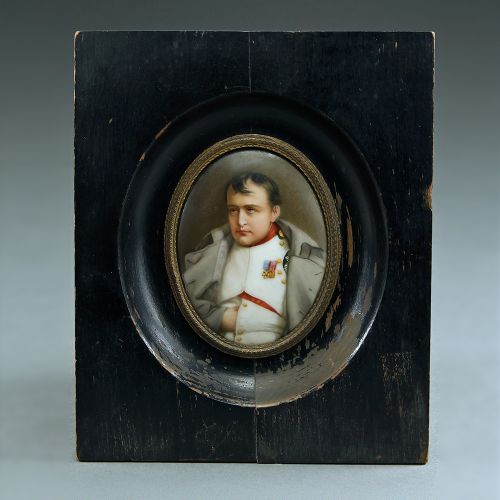
These pieces sold under collectable art painting span decoy ducks to portrait miniatures, offering a tangible link to past craftsmanship and visual culture.
Collectable Art Painting
When you search for collectable art painting, you encounter a varied assortment of objects that cross multiple traditional boundaries. The selection ranges from Victorian watercolours and miniatures to folk art carvings, ceramics, and models from the nineteenth and twentieth centuries.
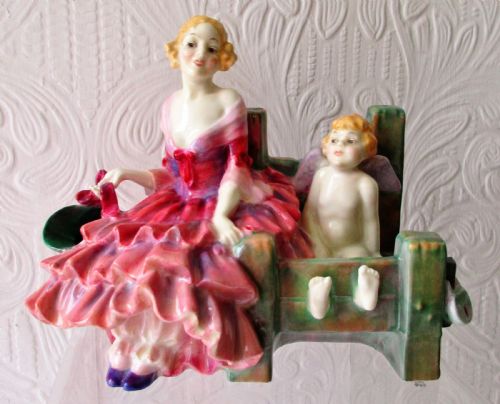
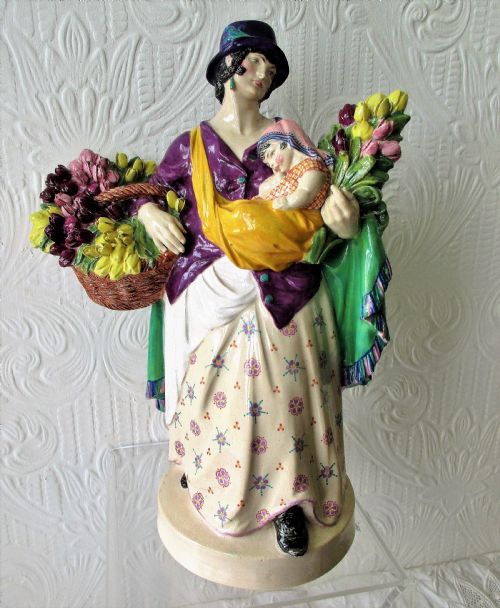
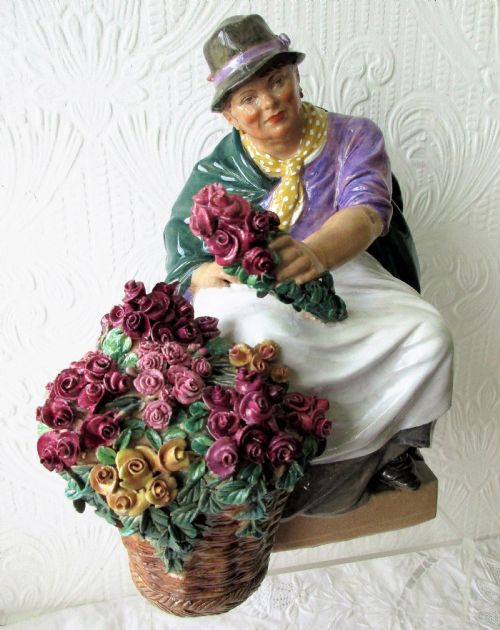
On this page, you are most likely to meet painted wooden decoys, porcelain figurines, and studio pottery from periods such as the Victorian era, the 1920s, and the 1930s. These pieces often blur the line between utility and display, encompassing styles like Art Deco, Folk Art, and Arts and Crafts.
Makers and artists represented span named potters, miniature painters, and sculptors, alongside anonymous folk artists and scale model makers. Each category offers a distinct window into the material culture of its specific decade or century.
Materials and construction methods
The construction of these items relies heavily on traditional materials such as wood, paint, metal, and porcelain, often worked by hand. Wooden items like decoy ducks and scale models display careful carving and hand painting, while ceramics utilise glazes and bone china.
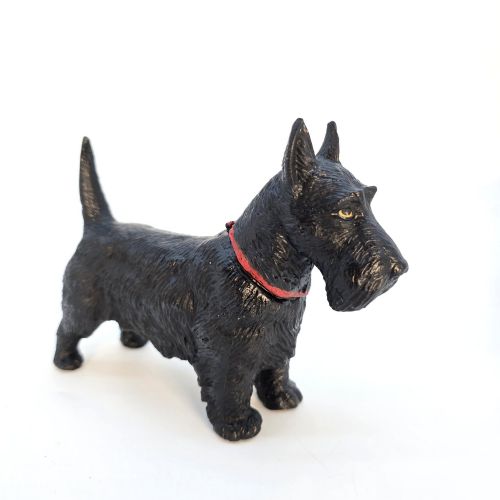
Techniques vary according to the object type, from the delicate brushwork of portrait miniatures and watercolours to the casting of metal table lighters and the throwing of studio pottery. Surface decoration involves hand applied pigments, glazes, and enamels that reflect the prevailing stylistic shifts of the nineteenth and early twentieth centuries.
A nineteenth century limonaire carousel figure brings the sights and sounds of old fairgrounds straight to the mantelpiece.
Judging quality in these objects
Quality in these works is determined by the precision of the hand execution and the integrity of the materials used. Superior examples display confident brushwork, careful modelling, and well preserved surfaces that retain their original character without heavy restoration.
The distinction between standard commercial output and finer pieces lies in the artistry of the maker and the fidelity of the execution. Pieces by recognised studios or named artists demonstrate a higher degree of sculptural finesse or painted detail.
Charles Vyse·William Moorcroft·Royal Doulton·Royal Copenhagen·William Goebel
The Collectable Art Painting Glossary
- Decoy
- A carved and painted wooden representation of a bird or animal, historically used in hunting but now collected as folk art.
- Miniature
- A small scale painting, often executed with fine detail on a rigid support such as ivory, card, or metal.
- Studio pottery
- Ceramics produced by individual artists working in small workshops, often characterised by distinctive glazes and hand thrown forms.
- Porcelain figurine
- A three dimensional sculptural ceramic object cast or modelled in fine clay and fired with decorative glazes or enamels.
- Table lighter
- A mechanical device for producing a flame, styled as an ornamental desk object during the Art Deco and mid century periods.
Collectable Art Painting: Frequently Asked Questions
What defines a collectable art painting?
It encompasses hand painted works on various supports, alongside painted decorative objects and miniatures from past centuries.
These pieces reflect the artistic conventions and material practices of their respective periods.
How do I care for antique painted items?
Keep them away from direct sunlight and fluctuating humidity to protect vulnerable painted surfaces and glazes.
Dust gently with a dry, soft cloth and avoid chemical cleaning agents.
Are these items suitable for everyday display?
Most decorative objects and figurines are designed for indoor display on shelves, desks, or mantelpieces.
Ensure they are placed on stable surfaces away from heavy traffic areas to prevent accidental knocks.
How are different periods identified?
Dating relies on stylistic markers, materials, maker marks, and signatures recorded across the objects.
Victorian pieces show distinct academic or traditional traits, while 1920s and 1930s items often embrace Art Deco geometries.