

Cold Painted Vienna Sculpture
Cold painted vienna sculpture brings together detailed metal casting and colourful surface decoration, offering collectors charm and character in equal measure.
Cold Painted Vienna Sculpture
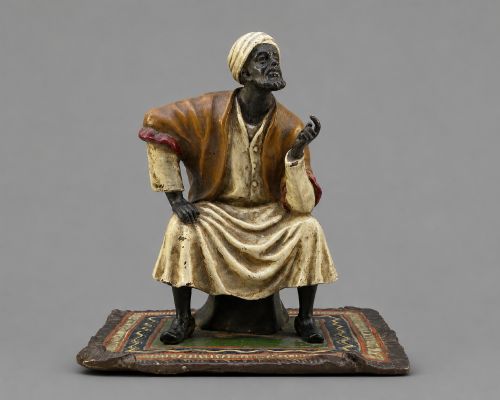
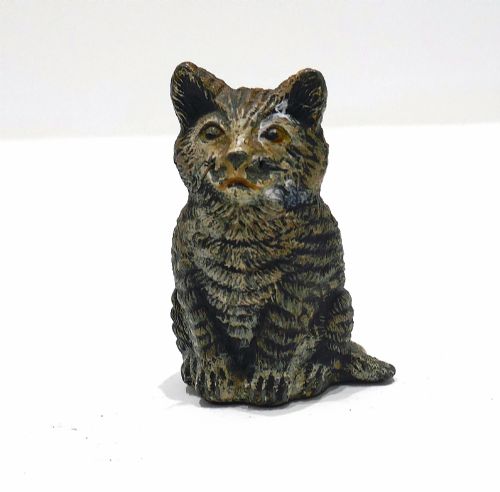
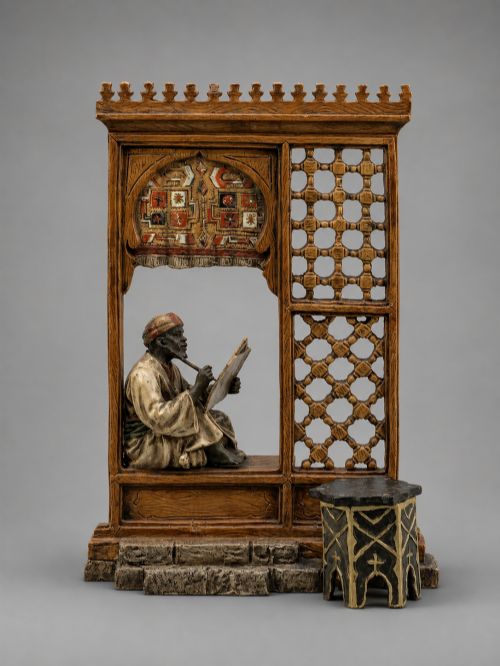
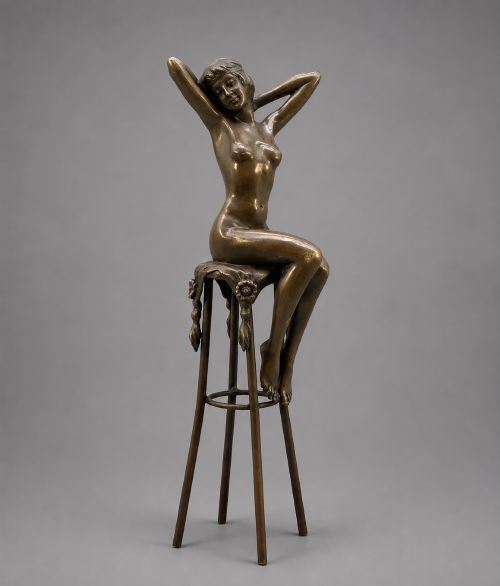
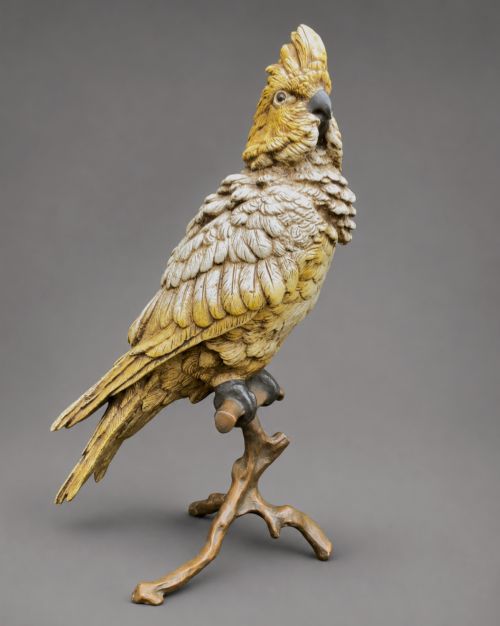
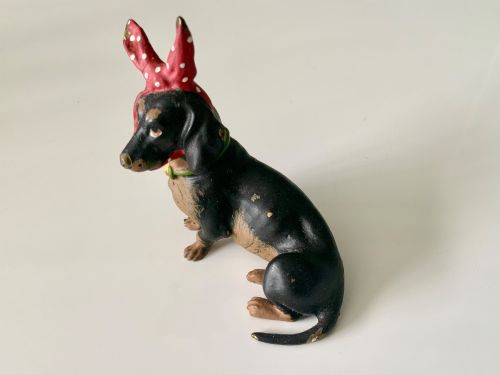
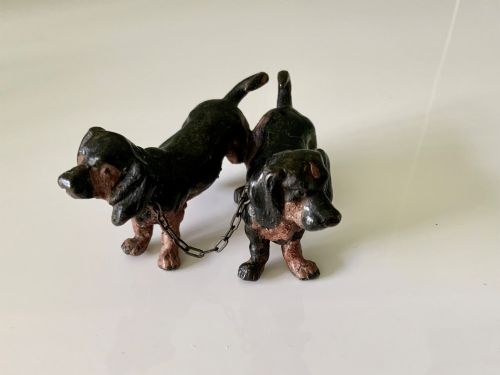
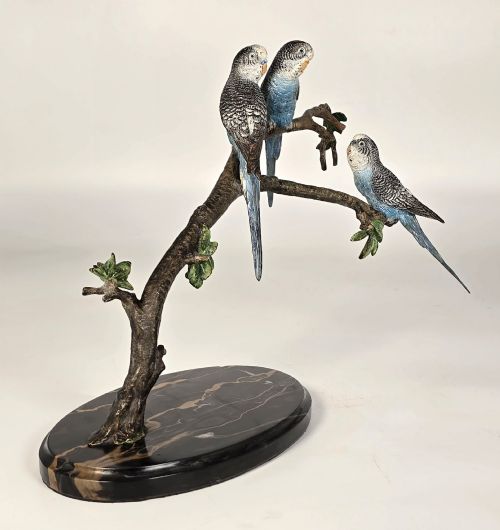
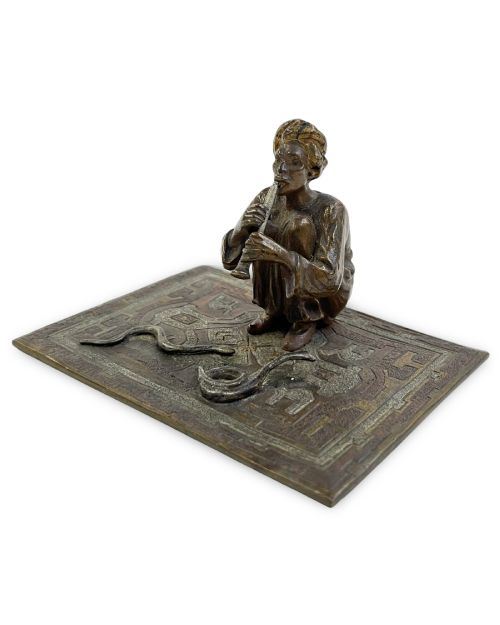
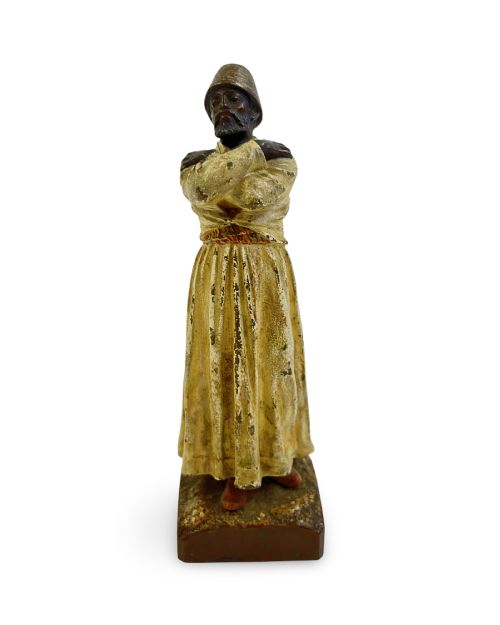
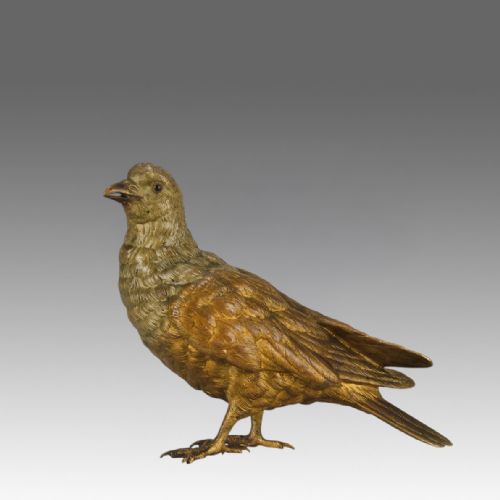
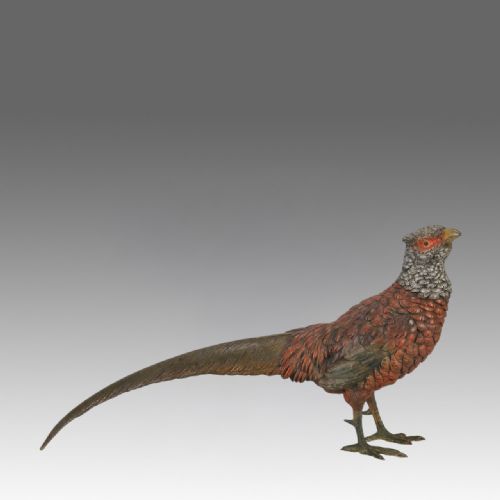
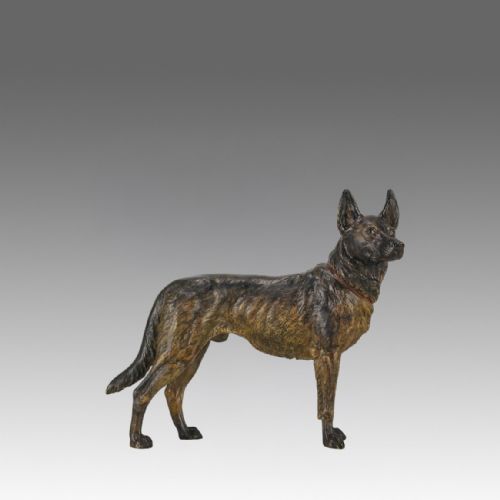
Cold painted vienna sculpture encompasses small figures, animals, and figural groups originating from Austrian workshops during the nineteenth and early twentieth centuries. These pieces span Victorian, Edwardian, Art Nouveau, and Art Deco styles, often depicting birds, dogs, and Orientalist subjects with remarkable realism.
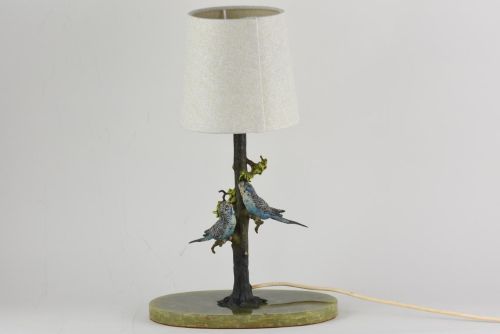
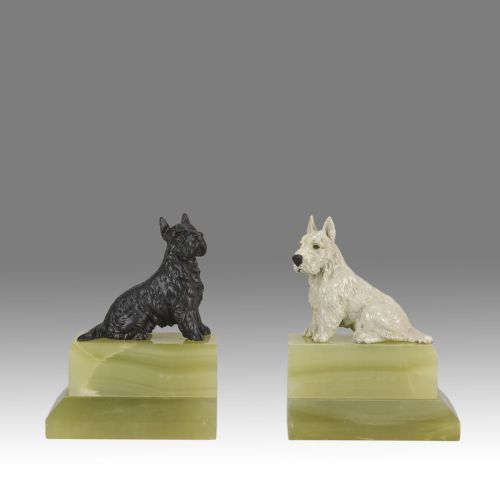
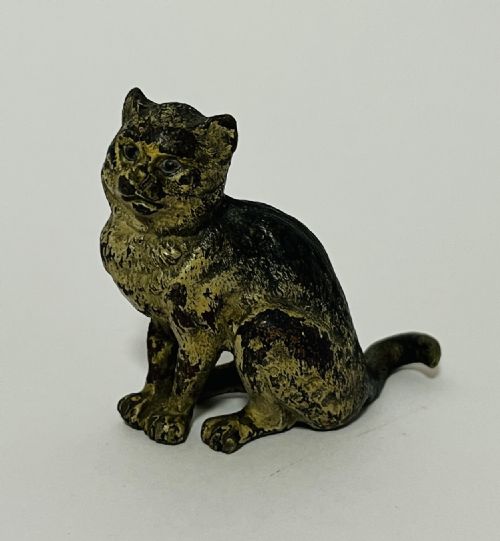
The most common examples on this page are cold-painted bronze animal studies, alongside human figures in specific cultural or narrative poses. They take forms ranging from standalone sculptures and bookends to desk accessories, pen nibs, and lamp bases, frequently mounted on marble or onyx plinths.
How They Were Made
Craftsmen cast these objects primarily in bronze or sometimes spelter and terracotta, capturing fine textures such as feathers, fur, and woven garments. Molten metal poured into moulds created the solid or hollow base forms required for detailed finishing work.
Painters applied multiple layers of unfired oil-based cold paint directly onto the metallic surface, allowing intricate patterns and lifelike colour gradients. This technique avoided high-temperature firing, yielding a distinct matte finish that remains vulnerable to chipping over time.
Cold Painted Vienna Sculpture Retail Price Guide 2026
Typical asking prices for cold painted vienna sculpture among the pieces listed under this phrase on Sellingantiques today, from the lower quarter to the upper quarter. They describe what is for sale here now, not the wider market.
Listings feature periods spanning from the Victorian era through the 1930s, utilising bronze, terracotta, and onyx.
What Varies in Quality
Quality rests upon the crispness of the initial metal casting and the precision of the chiselling that followed before painting. Finer works retain sharp anatomical details in feathers and facial expressions, whereas weaker pieces show softened contours and blurred definition.
The skill of the brushwork dictates the upper tier of the range, visible in the nuanced blending of naturalistic bird plumage or the ornate decoration of Orientalist garments. Original paint preservation without extensive touch-ups elevates the standing of an individual piece among collectors.
Franz Bergman·Fritz Bermann·Franz Xaver Bergmann
The Cold Painted Vienna Sculpture Glossary
- Cold-painted
- A decorative technique where oil paint is applied to a metal object without subsequent kiln firing. This leaves the pigment delicate and susceptible to wear if handled improperly.
- Vienna Bronze
- A term for small cast-metal sculptures produced in Austrian foundries during the late nineteenth and early twentieth centuries. These items achieved international renown for their witty animal studies and Orientalist figures.
- Orientalism
- An artistic style reflecting nineteenth-century European fascination with Middle Eastern and North African subjects. Figures in this genre often include Arabs, warriors, and dervishes rendered in elaborate traditional attire.
- Spelter
- An alloy of zinc and lead used as a cheaper alternative to bronze in figural casting. It provides a similar weight and appearance once painted, though it lacks the durability of true bronze.
- Onyx
- A banded variety of chalcedony frequently utilised as a heavy, polished base for mounting animal and bird bronzes. It adds stability and a contrasting natural texture to the composition.
Cold Painted Vienna Sculpture: Frequently Asked Questions
What is a cold painted vienna sculpture?
These are small metal figures and animals cast in Austrian foundries and decorated by hand with unfired oil paint.
They capture subjects ranging from native wildlife to human figures in Orientalist settings, reflecting popular tastes of the Victorian and Edwardian eras.
How were these sculptures used originally?
Many served as decorative ornaments on desks, mantels, and side tables in affluent nineteenth-century homes.
Others doubled as functional objects such as inkwells, pen nib holders, bookends, and lamp bases.
How do I care for cold painted bronze?
Keep pieces out of direct sunlight and away from moisture to protect the fragile unfired oil paint from fading or flaking.
Dust them gently with a soft, dry brush and avoid liquid cleaners or aggressive polishing agents entirely.
How can I identify a Bergman piece?
Look for foundry marks or stamped Bergman signatures, often shaped like a vase or included in the cast metal.
The exceptional quality of the chiselling and the naturalistic palette also point toward this prominent workshop.